
The food you eat does more than fill your stomach. It can shape how your body works at a very deep level.
A new study from the USC Leonard Davis School of Gerontology shows that the Mediterranean diet may influence tiny parts inside your cells that control aging and disease.
Mediterranean diet supports cell health

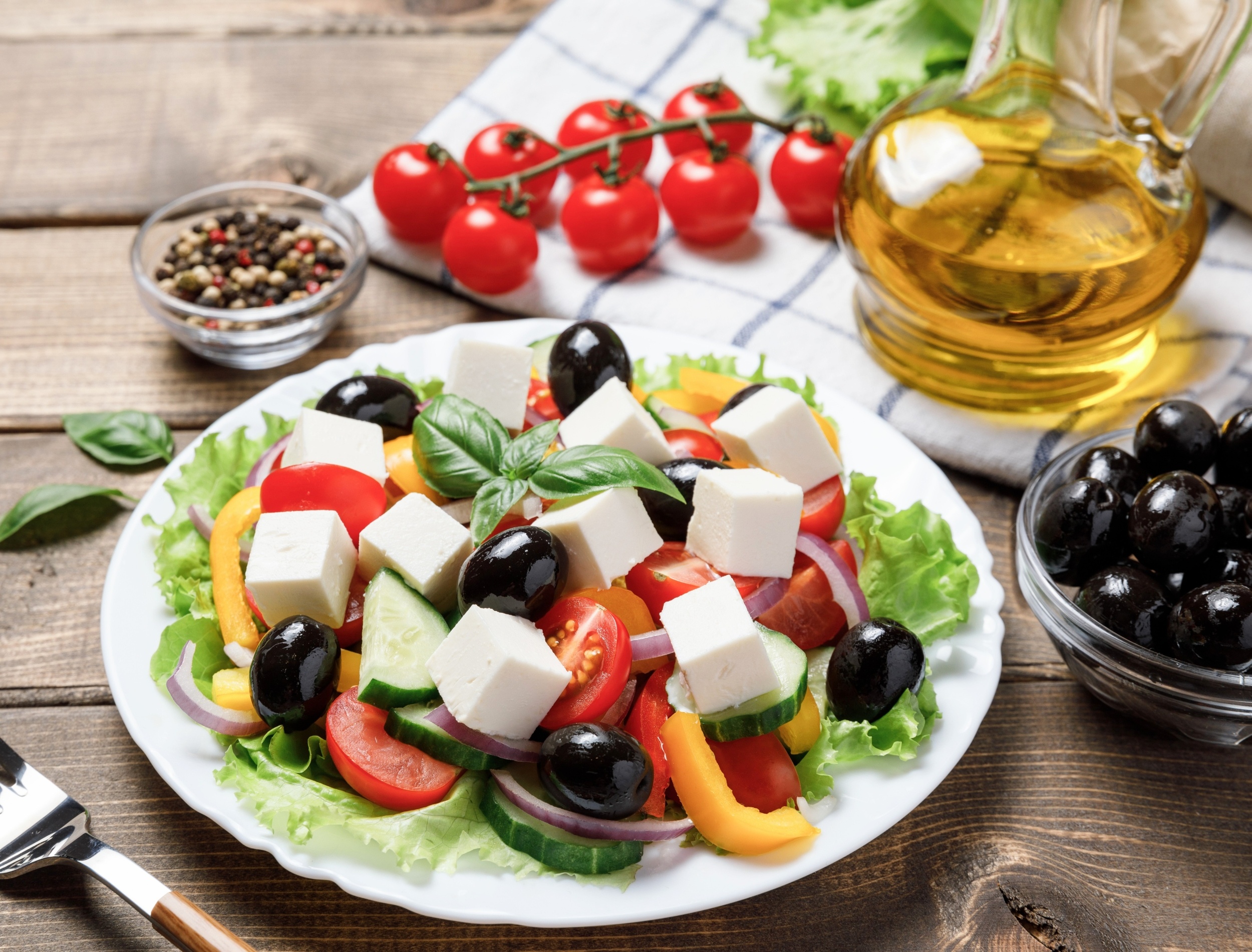
The Mediterranean diet focuses on natural and simple foods. It includes whole grains, fruits, vegetables, legumes, nuts, olive oil, and moderate amounts of fish.
These foods provide healthy fats, antioxidants, and nutrients that support overall health. The diet limits red meat and processed foods.
Many studies have already linked this diet to lower risk of heart disease, diabetes, and memory problems. It also supports longer life.
However, scientists did not fully understand how this diet works inside the body. The new research gives a clearer picture by looking at what happens inside cells.
Tiny proteins with a big role
Inside each cell, mitochondria produce energy. Scientists once believed that some parts of mitochondria had no function. New research shows that these parts create very small proteins called microproteins.
Two important microproteins are humanin and SHMOOSE. These proteins help protect cells from damage and support both brain and heart health.
The study found that people who follow the Mediterranean diet have higher levels of these helpful proteins.
“These microproteins may act as molecular messengers that translate what we eat into how our cells function and age,” Vicinanza said. “It’s a new biological pathway that helps explain why the Mediterranean diet is so powerful.”
Focus of the research
Researchers studied older adults and grouped them based on how closely they followed the Mediterranean diet.
The group that followed the diet more closely showed higher levels of humanin and SHMOOSE. This group also had lower levels of oxidative stress, which damages cells and speeds up aging.
Scientists measured oxidative stress using markers in blood samples and found clear differences between the groups.
These results show a strong connection between healthy eating and better protection at the cellular level.
Foods that make a difference
The study showed that specific foods had stronger effects. Olive oil played a major role. People who used olive oil daily had higher levels of both microproteins.
Fish and legumes were also linked to higher humanin levels. In contrast, lower intake of refined foods such as white bread was associated with higher SHMOOSE levels.
This means both healthy choices and limiting certain foods play an important role.
“These findings suggest that specific components of the Mediterranean diet may directly influence mitochondrial biology,” said Professor Pinchas Cohen, the study’s senior author.
“Humanin and SHMOOSE could serve as biomarkers for adherence to the Mediterranean diet and have clinical significance.”
Why mitochondria matter
Mitochondria are often called the powerhouses of cells because they produce energy. They also play a key role in how the body handles nutrients, stress, and aging.
When mitochondria stop working properly, the risk of disease increases. Microproteins like humanin and SHMOOSE help protect mitochondria.
Humanin supports heart health and helps the body manage blood sugar better. It also protects brain cells from damage linked to Alzheimer’s disease.
SHMOOSE also supports brain health. A faulty version of this protein increases the risk of Alzheimer’s, while the normal version helps protect brain cells.
“These peptides are emerging as key regulators of aging biology,” Cohen said. “They connect mitochondrial function to diseases like Alzheimer’s and heart disease and now, potentially, to nutrition.”
The link to heart health
The study found that humanin may reduce harmful activity in the body. It lowers the activity of an enzyme called Nox2, which produces damaging molecules. These molecules increase stress in cells and lead to disease.
Higher humanin levels were linked to lower levels of these harmful markers. This suggests that the Mediterranean diet protects the heart in two ways. It reduces damage directly and also boosts protective microproteins.
“This could represent a new cardioprotective mechanism of the Mediterranean diet,” Vicinanza said.
From research to real life
Professor Roberto Vicinanza has also worked to promote the Mediterranean diet beyond research labs. He partnered with the Municipality of Pollica in Italy, which is recognized by UNESCO as a Mediterranean Diet community.
This effort helped establish the International Day of the Mediterranean Diet at the United Nations. It will be observed every year on November 16 to spread awareness about its health, cultural, and environmental benefits.
“We’re connecting centuries-old dietary traditions with cutting-edge molecular biology,” Vicinanza said.
“It supports the idea that healthy eating patterns with little to no ultra-processed foods reflect how humans have eaten over long periods and may create conditions to which mitochondria are likely adapted.”
Mediterranean diet and healthy cell aging
This study introduces a new idea called precision nutrition. This approach focuses on how food affects the body at a deeper level.
Microproteins like humanin and SHMOOSE may help guide more personalized diets in the future.
The study was small, so more research is needed. Scientists want to see if changing diet can directly increase these microproteins and reduce disease risk.
“Our goal is to move from observing associations to understanding causality,” Vicinanza said. “If we can harness these pathways, we may be able to design nutritional strategies that promote healthy aging at the molecular level.”
The study is published in the journal Frontiers in Nutrition.
—–
Like what you read? Subscribe to our newsletter for engaging articles, exclusive content, and the latest updates.
Check us out on EarthSnap, a free app brought to you by Eric Ralls and Earth.com.
—–
Dining and Cooking