
Credit: Allrecipes / Adobe
Confession: It was a bit of a stretch to find Italian chefs who stock a jar of marinara in their pantries.
Cookbook author Dina Deleasa Gonsar tells us, “I generally rely on the same combo as my mom: crushed tomatoes with garlic.” And Brezza executive chef and partner Nicole Brisson swears by her homemade red sauce made in minutes, using canned tomatoes, garlic, white onion, a bay leaf, and fresh herbs, if she has them handy. “Honestly, I cook at home a lot, and I tend to cook everything from scratch,” Brisson admits.
Still, when time is tight and their batteries are drained after long days developing recipes or leading their restaurant kitchens, Gonsar, Brisson, and Mike Fadem (chef and owner of Ops and Leo), gladly subcontract the sauce.
But which brand? Read on, as the chefs spill about their favorite store-bought marinara sauce.
Our Panel of Italian Chefs
Mike Fadem, chef and owner of Ops and Leo in New York City
Qualities of the Best Jarred Marinara Sauce
From Ragú to Rao’s, Cento to Classico, and Barilla to Bertolli, there are a lot of saucy options available. While sorting through all of the options, the Italian chefs we spoke to tell us they seek out the following features:
The ingredient list is short and simple. Brisson says, “simplicity is key in Italian cuisine. I like to start with the highest quality ingredients.” Tomatoes should get top billing, followed by a mix of garlic, herbs and spices, olive oil, salt, and very little else, the chefs agree. “I always look at the ingredients included in every food I purchase. I want to eat something with the least amount of ingredients,” Fadem explains. “Ideally, all of the ingredients are food, not additives.”
There’s little to no added sugar. If the recipe starts with ripe tomatoes, extra sugar shouldn’t be necessary, the chefs confirm. When it is included, it should be very low on the ingredient list, and just used to round out the acidity of the tomatoes. Excess sugar may be a sign that the brand is “trying to mask poor ingredients,” Gonsar reveals.
It seems like you made it from scratch. Brisson has traveled to Italy and done extensive research on Italian products and taken part in tomato tastings. She’s a stickler for a sauce that allows the bright tomato and vibrant herb flavors to shine through, and steers clear of sauces that taste reminiscent of tomato soup, ketchup, or artificial ingredients. Consistency is key, too. The sauce shouldn’t be too watery. Instead, look for sauces that have some body and are thick enough to cling to pasta, without being overly stodgy.
The Best Store-Bought Marinara Sauce, According to Italian Chefs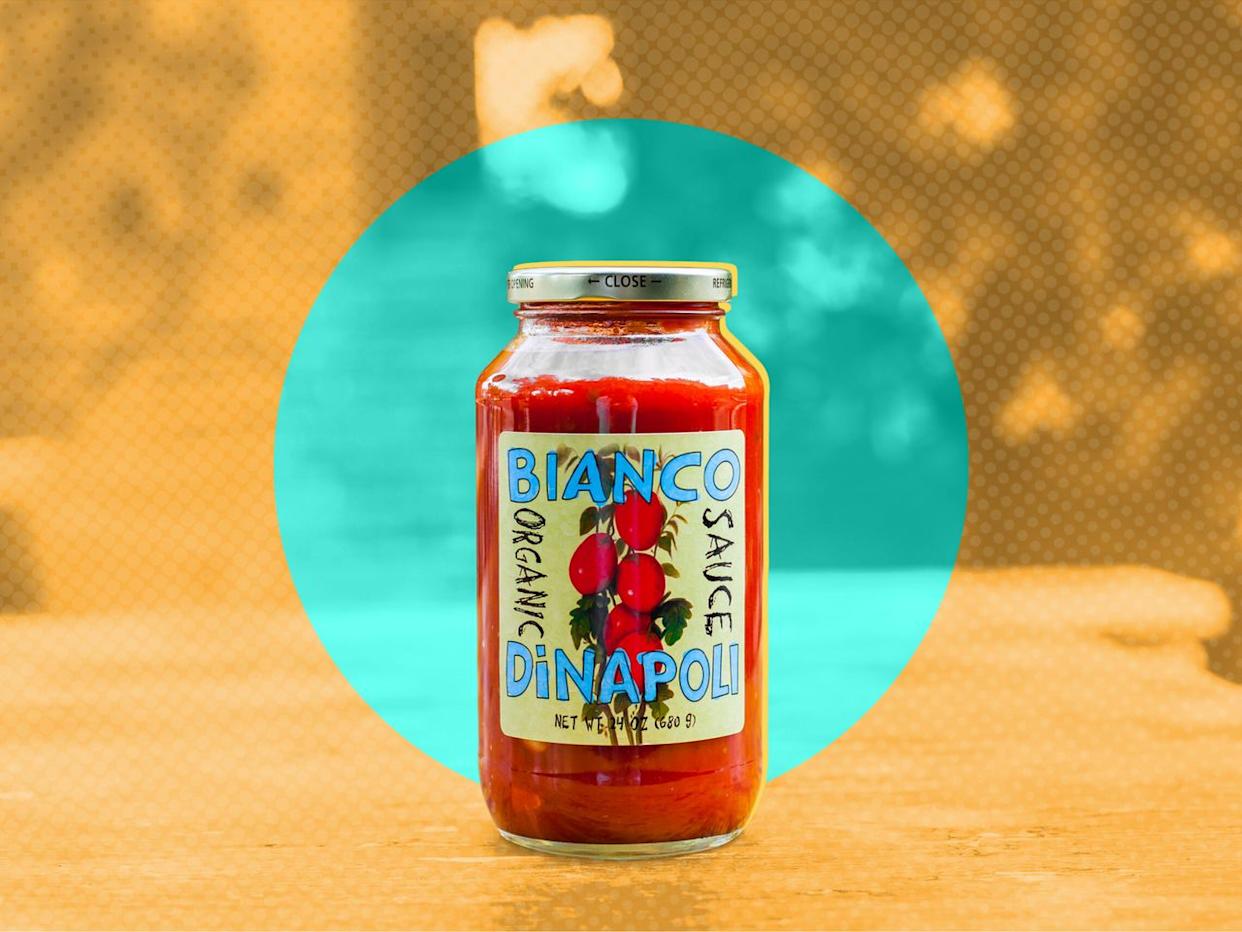
Credit: Allrecipes / Bianco DiNapoli
With top marks from Brisson and Fadem, the ultimate Italian chef-approved marinara is Bianco DiNapoli Organic Marinara Sauce.
Co-founded by award-winning chef Chris Bianco and third-generation tomato farmer Rob DiNapoli, Bianco di Napoli is best known for canned tomatoes. But the sleeper hit on the product line is the jarred marinara, made with organic summer tomatoes, yellow onions, cold-pressed extra virgin olive oil, garlic, basil, sea salt, and bay leaf.
It’s billed as a “family recipe,” and Fadem says it “really tastes like someone made it for you fresh. Or it tastes like you could have made it yourself, but instead decided to save yourself time and buy this.”
Honorable Mentions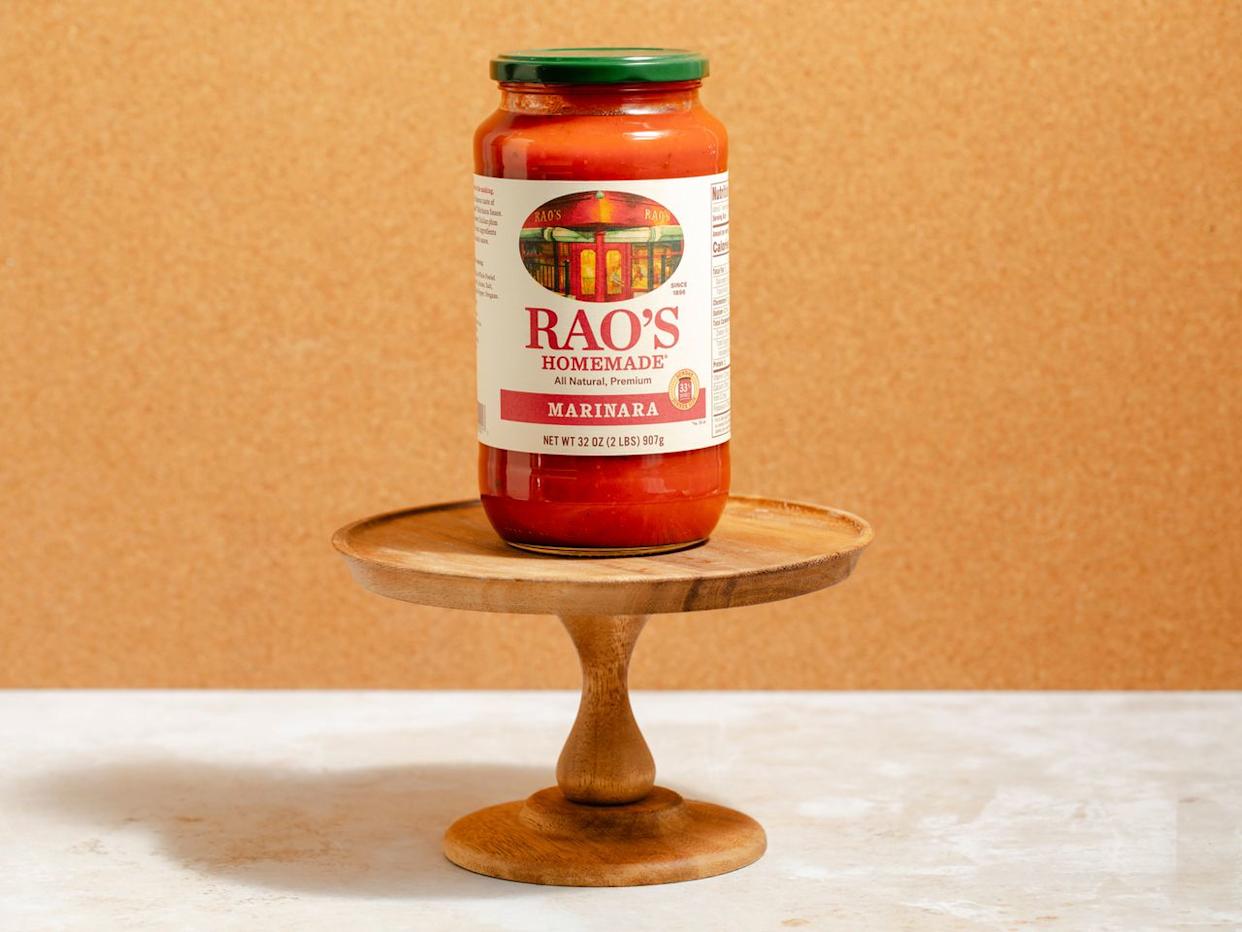
Credit: Sara Haas
There are two more alternatives that are also worthy of a spot on your shelves, Gonsar says. Both sauces initially rose to popularity at New York restaurants with decades-long legacies. Now, the same recipes are available in jars for enjoyment at home.
Rao’s Marinara Sauce: A favorite of Allrecipes editors and cookbook authors we polled, Rao’s also earns rave reviews from Gonsar for its balanced flavor that lets the tomatoes shine through. “I love that it’s not overloaded on spices,” she says. Made in small batches, the formula features Italian whole peeled tomatoes, olive oil, onions, salt, garlic, basil, black pepper, and oregano—just like mom or grandma might make.
Michael’s of Brooklyn Marinara Sauce: In bold lettering on the front label, this marinara sauce declares that it’s made with imported Italian tomatoes, garlic, basil, Italian olive oil, oregano, parsley, spices, and “nothing else!” Gonsar is particularly fond of Michael’s “chunkier consistency, which lends itself to a homemade feel.”
How To Use Marinara Sauce Like a Chef
Of course, these sauces make sensational partners for fusilli, rigatoni, or penne (pasta cuts prized by Brisson for their “forkability”), but there’s more than one way to add marinara to your menu.
Once they’ve stocked up on sauce, the chefs tell us they like to get creative with it: “Having a jar of marinara around can save you time in other recipes besides pasta,” Fadem says. The chefs recommend using jarred marinara when you need:
Read the original article on Allrecipes
Dining and Cooking