
Credit: Simply Recipes / Jen Causey
Are all ground beef the same? It’s a question I find myself coming back to often because the options at the grocery store can feel endless. There are neatly formed patties ready for the grill, classic foam trays wrapped in plastic, and even those tightly-packed, log-like tubes. Then, there are the numbers: 90/10, 80/20, and sometimes even 73/27 and other ratios in between. It can be a lot to take in.
To make sense of it all, I spoke with Manny Montiel, assistant Meat Department Manager at the Whole Foods in New York City’s Financial District. His advice was simple: Start with the numbers.
Credit: Simply Recipes / Jen Causey
Why the Numbers Matter When Shopping for Ground Beef
“The first number tells you how lean the meat is,” Montiel explains. “So 90/10 means 90 percent lean and 10 percent fat.” While it might seem like leaner is always better, that’s not necessarily the case. Lean ground beef is often more expensive, but it can also be less flavorful. According to Montiel, fat plays an important role. “Fat is flavor,” he said. “An 80/20 blend gives you a good balance.”
That balance is what makes 80/20 such a reliable choice. The fat adds richness and helps the meat stay juicy as it cooks. When I make burgers, I almost always reach for 80/20. It grills well, stays tender, and doesn’t dry out. I use the same ratio for meatballs because that extra fat keeps them soft and flavorful. I like to think of 80/20 as an all-purpose ratio. When in doubt, it’s always the one I add to my cart.
When it comes to freshness and value, packaging can also play a role. Stores like Whole Foods often display ground beef in clear packaging, which makes it easy to see the color and texture. But more affordable options, like the plastic-wrapped tubes you might find at Walmart, can be just as useful for everyday cooking.
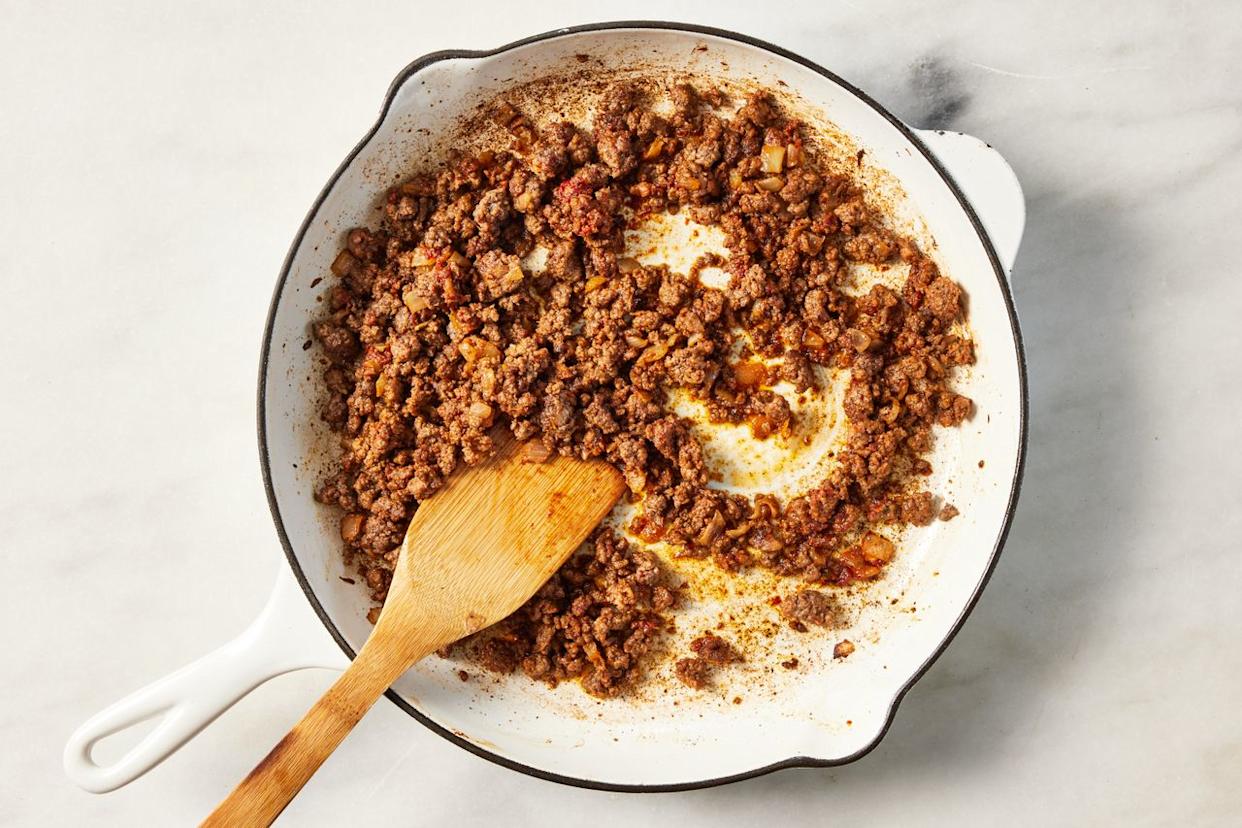
While you cannot see inside those packages, I have found that they perform just as well in quick meals like tacos, pasta sauces, or stir-fries. The color may look slightly darker due to less exposure to oxygen, but that does not necessarily affect quality.
At the end of the day, the best ground beef depends on how you plan to use it. For richer dishes and anything where flavor matters most, 80/20 is a dependable choice. For lighter meals or when you are watching fat content, leaner blends can still work well. And if you are cooking on a budget, those less expensive options can absolutely get the job done.
Read the original article on Simply Recipes
Dining and Cooking