
Historic French wine families are changing their business strategies to adapt to the evolving demands of the American market. Heirs from long-established estates such as Lorgeril, Tariquet, Joseph Mellot, and Albert Bichot are redesigning wine labels and reorganizing their portfolios. Their goal is to meet the expectations of U.S. consumers, who now seek clearer labeling and more transparency about grape varieties and origins.
Henri de Lorgeril, who returned to his family’s Languedoc estate after a career in technology, says that adaptation is a continuous process. The Lorgeril family has cultivated the same land for over 400 years. Henri is now focused on making labels easier to read and more informative for American buyers. He also plans to plant white grape varieties in higher-altitude vineyards, anticipating future demand for fresher, balanced wines—a trend he observed during recent visits to cities like Portland and Seattle.
The United States remains the top export destination for French wines, especially those from Burgundy. Alberic Bichot, CEO of Maison Albert Bichot and a sixth-generation leader, notes that the American market has been important for over a century. However, competition from New World producers in California, Argentina, New Zealand, and Australia is increasing. Shelf space is limited and distributor attention is divided. American consumers are also more demanding than before, seeking not only quality but also clear provenance and a compelling story behind each bottle.
Despite an overall decline in U.S. wine consumption, the premium segment continues to grow. Armand Mellot of Maison Joseph Mellot in Sancerre points out that French wines fit well with the American trend toward drinking less but better-quality wine. To respond to these changes, producers are adopting long-term strategies and creating their own subsidiaries in the U.S., rather than relying solely on third-party distributors.
Albert Bichot USA is one example of this approach. The company employs 15 people who travel across the country to organize tastings, educate retail partners, and build relationships with distributors and consumers. This direct presence helps ensure consistent shelf placement and menu listings in restaurants.
Domaine Tariquet in Armagnac country also works closely with Albert Bichot USA to reach American consumers while maintaining its focus on estate-grown wines with strong value for money. Rémy Grassa, co-owner of Tariquet, emphasizes that innovation serves tradition at his estate. He believes that offering high-quality wines at accessible prices appeals to younger American consumers who appreciate French wine culture but remain price-conscious.
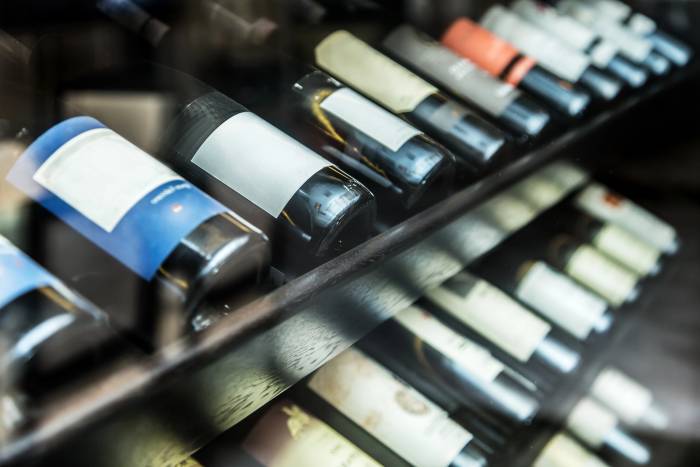
Label redesigns are among the most visible changes these families are making. For Lorgeril, updating labels meant highlighting appellations and grape varieties on the front—an adjustment that required careful decisions about design and information hierarchy across a diverse portfolio.
Climate change presents another challenge for these estates. Producers report that shifting weather patterns affect harvest timing, alcohol levels, and wine character. Some see new opportunities as higher-altitude vineyards become more suitable for producing complex wines with freshness. Investments in sustainable viticulture are increasing as estates work to protect biodiversity and soil health while adapting to changing conditions.
Maison Albert Bichot has taken additional steps by shipping all Grand Crus destined for America via sail-powered cargo vessels starting with the 2024 vintage. This move aligns with Burgundy’s identity as a UNESCO World Heritage site focused on terroir-based viticulture and reflects a commitment to reducing carbon emissions.
Wine tourism is another area of investment for some families. The Lorgeril estate now offers a restaurant, cellar tours, guest houses, and vineyard trails at its 17th-century chateau. Henri de Lorgeril believes that visitors who experience the estate firsthand become advocates for the brand in ways that traditional marketing cannot achieve.
Heritage remains a key asset for these producers in the premium segment of the U.S. market. Lorgeril says that American buyers look for wines with history and a sense of place—not just flavor profiles. For many consumers, French wines represent craftsmanship and generational continuity.
The next generation of leaders at these historic estates combines respect for tradition with modern business practices learned from MBAs or startup experience. They focus on organizational discipline, clear communication, and deliberate long-term planning—qualities needed to compete in today’s international wine market.
These changes reflect a broader shift among French wine families: balancing legacy with innovation to ensure their businesses remain relevant for future generations while meeting the evolving preferences of American wine drinkers.
Dining and Cooking