
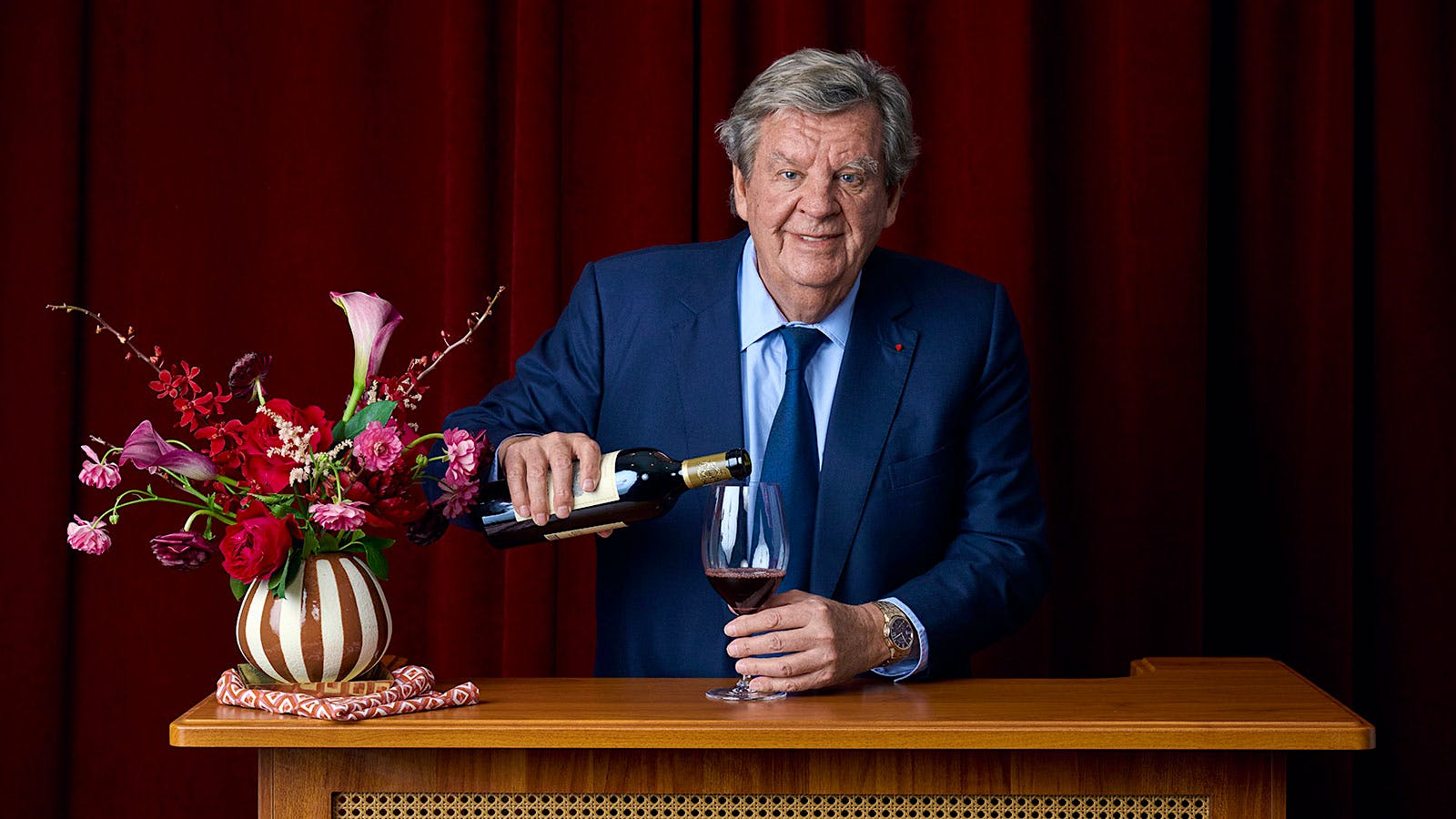
Each year at Wine Spectator’s New York Wine Experience, thousands of wine lovers come from across the globe to celebrate the diversity of wine. Representing South Africa this year was Johann Rupert, the chairman of the Swiss-based luxury goods company Richemont, whose portfolio includes the likes of Cartier and Chloé, as well as of the investment company Remgro.
Rupert is the head of Anthonij Rupert Wines, one of South Africa’s most prominent names in wine, encompassing six different brands. While Wine Experience guests sipped on the fresh, fragrant Anthonij Rupert Cabernet Franc Franschhoek 2019 (93), Rupert gave them an overview of his family history in the wine industry and his business philosophy.
“Marvin [the publisher of Wine Spectator], bless him, gave me 15 minutes, which is 900 seconds for 300 years of South Africa’s past, plus the future,” Rupert joked to the crowd. “It’s about three seconds per year.”
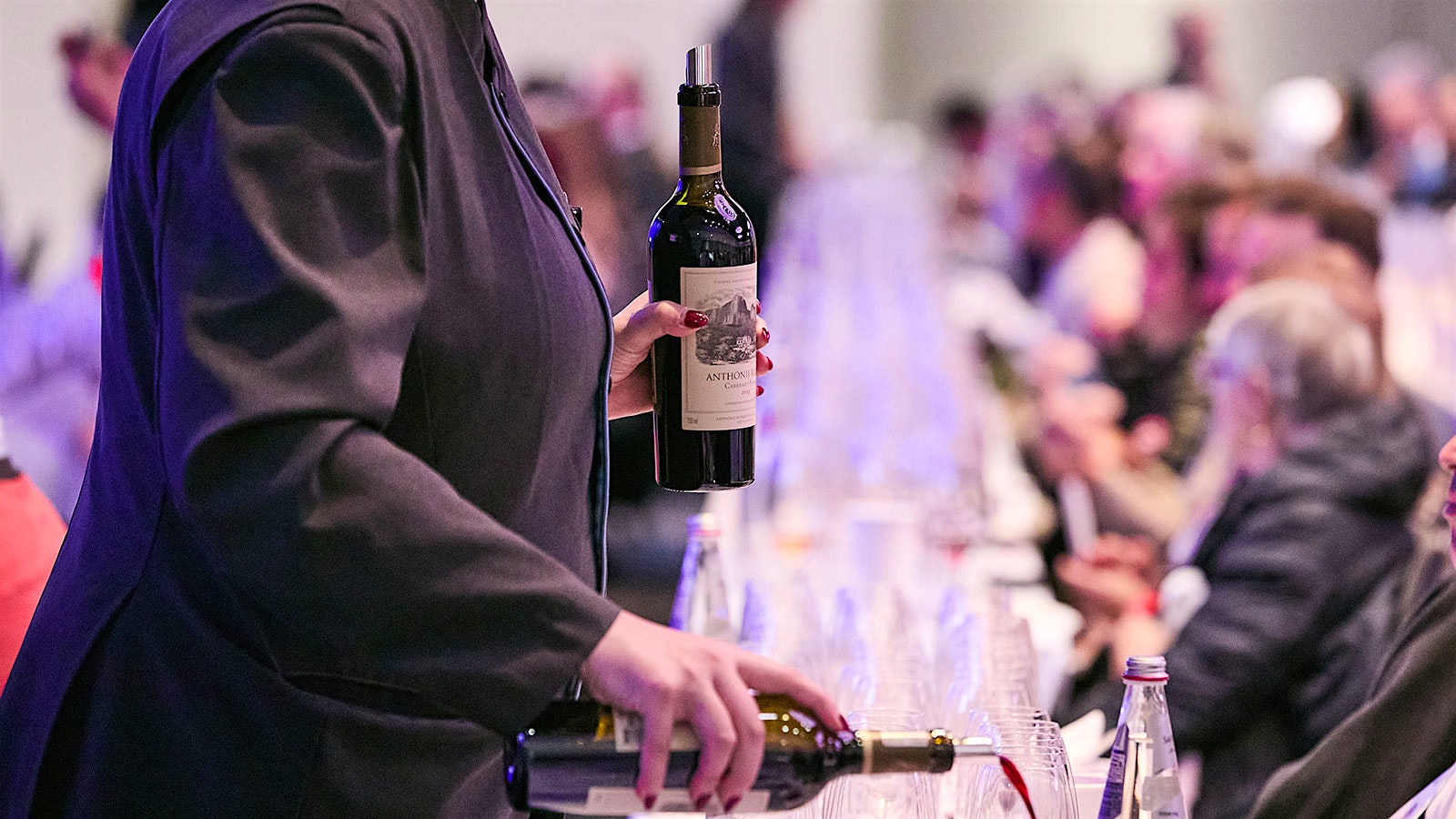
The Anthonij Rupert Cabernet Franc is sourced solely from the winery’s vineyards in Franschhoek, which experienced a largely moderate growing season in 2019. (Daphne Youree)
Rupert’s Dutch ancestors first arrived in South Africa in 1694, with the rise of the Dutch East Indies and West Indies Trading Companies, when the Cape of Good Hope in South Africa served as a major trading port. French colonists settled on the Cape as well, bringing grapevines—the start of South Africa’s 300-year winemaking history.
Born and raised in Stellenbosch, Rupert’s father, Anton, purchased L’Ormarins vineyard in Franschhoek Valley in 1968. Rupert took over L’Ormarins in 2005 after the passing of his younger brother, Anthonij, who ran the winery. Rupert renamed the project after Anthonij in the years that followed.
“When you get into the wine business, you’re crazy,” said Rupert. “My brother did it with my father after he bought the place to retire. My brother studied viticulture. He loved it, but he lived on the farm. My father explained to me: Wine is a lifestyle, it’s not a business.”

Johann Rupert paid tribute to his late brother by naming the company’s high-end line of wines after him. (Daphne Youree)
Rupert explained the “humbling” nature of the wine industry, how an entire year of hard work and great potential can disappear with a single ill-timed rain. Even so, he noted, it’s made him a better businessman; the next year, there is always a reason to start again. “I’ve said to my colleagues, ‘What we have to do is just to be one or two percent better every year,’” said Rupert. “My late brother started in the vineyards because that’s where it all starts. But in the end, wine is in the hands of the viniculturist and in the hands of nature.”
Dining and Cooking