
Reviewed by Dietitian Casey Wing, RD, CD
Credit: Photographer: Jen Causey. EatingWell design.
Key Points
Lentils, which provide protein, fiber and iron, are affordable and versatile for Mediterranean-style meals.
Chickpeas offer protein, fiber and magnesium and can be used in salads, hummus or even smoothies.
Tempeh, a fermented soybean product, is protein-dense and supports gut health in Mediterranean dishes.
The Mediterranean diet is often praised for its heart-health benefits and focus on whole, minimally processed foods. Built around fruits, veggies, whole grains, legumes, nuts and healthy fats like olive oil, this eating pattern is associated with better long-term health and reduced risk of chronic disease.
While the Mediterranean diet emphasizes animal proteins like fish and poultry, plant-based proteins also play a big role. Many Mediterranean meals feature beans, lentils and other plant foods as the main protein sources.
Not sure which plant-based proteins to prioritize or how to use them? Here are five plant-based proteins dietitians recommend for a Mediterranean-style diet.
Lentils
½ cup dry = 24 grams protein
Lentils are one of the most protein-packed and widely used plant-based staples in the Mediterranean diet. “Lentils contain protein plus a variety of nutrients like fiber and iron,” says Ashley Kitchens, M.P.H., RDN, LDN. “Lentils are filling and affordable, and they have been part of the Mediterranean diet for centuries.”
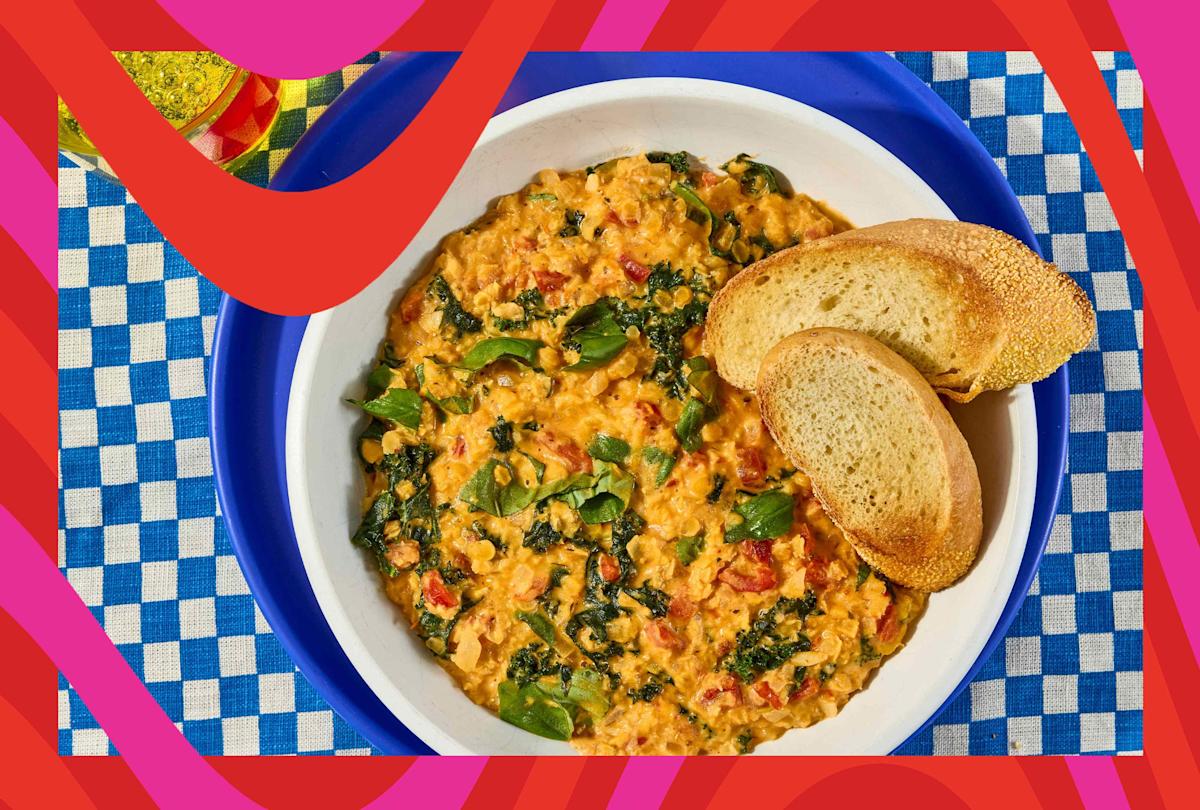
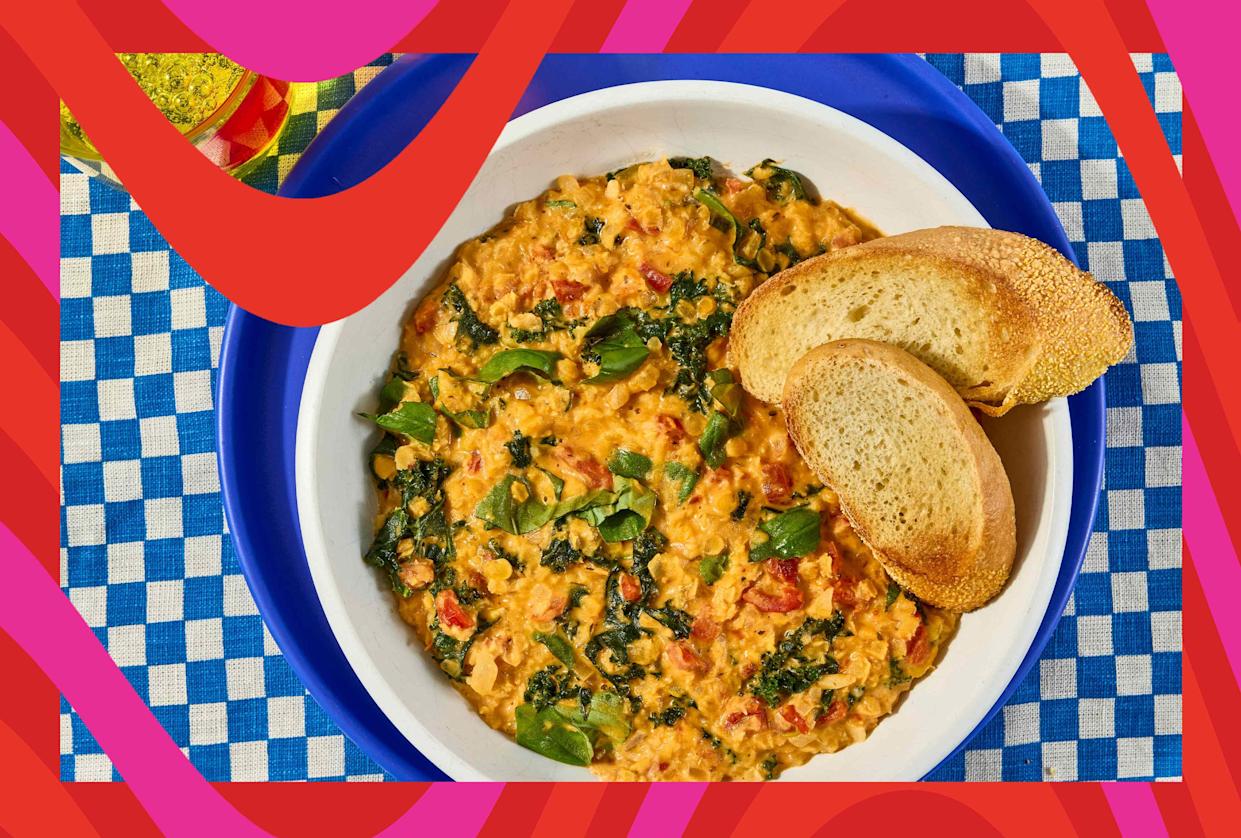
Lentils provide both protein and fiber, a combination that helps support satiety and steady energy levels. As for how to get more in your diet? You can add lentils to soups, stir them into marinara sauce for extra protein, or make a simple lentil salad with olive oil, lemon and herbs for a Mediterranean-inspired meal.
Chickpeas
½ cup dry = 21 grams protein
Chickpeas are another high-protein legume commonly used in Mediterranean cooking. “Chickpeas come with nutrients like fiber and magnesium. I like to keep a couple of cans of chickpeas in the pantry because they can be used in a variety of different dishes,” says Kitchens.
Like lentils, chickpeas provide a healthy balance of protein and fiber that supports satiety and digestion. They’re also incredibly versatile and easy to incorporate into meals.
To increase your chickpea intake, try adding them to salads and grain bowls, blending them into hummus or roasting them for a crunchy snack. For a more unexpected option, Rhyan Geiger, RDN, suggests adding them to smoothies. “To add more protein to breakfasts, toss half a cup of chickpeas into a fruit smoothie,” she says. “Because the fruit has such a strong flavor, the chickpeas will go unnoticed while increasing protein and adding to the creamy texture.”
Fava Beans
½ cup cooked = 7 grams protein
Fava beans are an underrated plant-based protein source. “Fava beans are a Mediterranean classic,” says Kitchens. “They contain a good amount of protein plus fiber and folate. This is another versatile legume that you can use in a lot of different dishes.”
The nutrient profile of fava beans supports heart and digestive health, which fits well with the Mediterranean diet’s focus on whole, plant-based foods. Curious how to incorporate them into meals? Toss fava beans with olive oil and lemon for a simple side dish, mash them onto toast or mix them into pasta dishes for added protein and texture.
Tempeh
⅔ cup = 22 grams protein
Tempeh is one of the most protein-dense plant-based foods you can include in a Mediterranean-style diet. “Tempeh is a fermented soybean [product] that is one of the highest-protein plant-based options,” says Geiger. “It also provides calcium and iron and may be gut-friendly due to the fermentation.”
Since tempeh is fermented, it can also support gut health, which research shows is essential for overall health and well-being. Plus, tempeh’s firm texture makes it versatile for cooking. You can slice or cube tempeh and add it to grain bowls, salads or stir-fries, or marinate and bake it for a simple, protein-rich side dish.
Hemp Seeds
3 Tbsp. = 10 grams protein
Hemp seeds are a super-simple way to increase your protein intake with minimal effort. “Hemp seeds contain about 10 grams of protein per 3 tablespoons. They also have healthy fats, fiber, vitamins and minerals,” says Kitchens.
Besides protein, hemp seeds also provide omega-3 fatty acids, which support heart health—one of the foundational benefits of the Mediterranean diet. But how can you add them to your weekly meal plan? Simple. Toss hemp hearts into your oatmeal, blend them into smoothies or sprinkle them over yogurt or salads for an extra nutrient boost.
Our Expert Take
If you’re looking to add more plant-based proteins into your diet, variety matters more than perfection. “To make sure you’re getting enough protein on a Mediterranean diet, eat a variety of plant proteins throughout your day and incorporate higher-protein plant-based foods like tofu, tempeh, beans and lentils,” says Kitchens. “Don’t worry about combining proteins at every meal; just make sure you’re including variety throughout your day.” By including a combination of legumes, seeds and whole grains in your meals, you can meet your protein needs while enjoying the flexibility and health benefits of a Mediterranean-style diet.
Read the original article on EatingWell
Dining and Cooking