
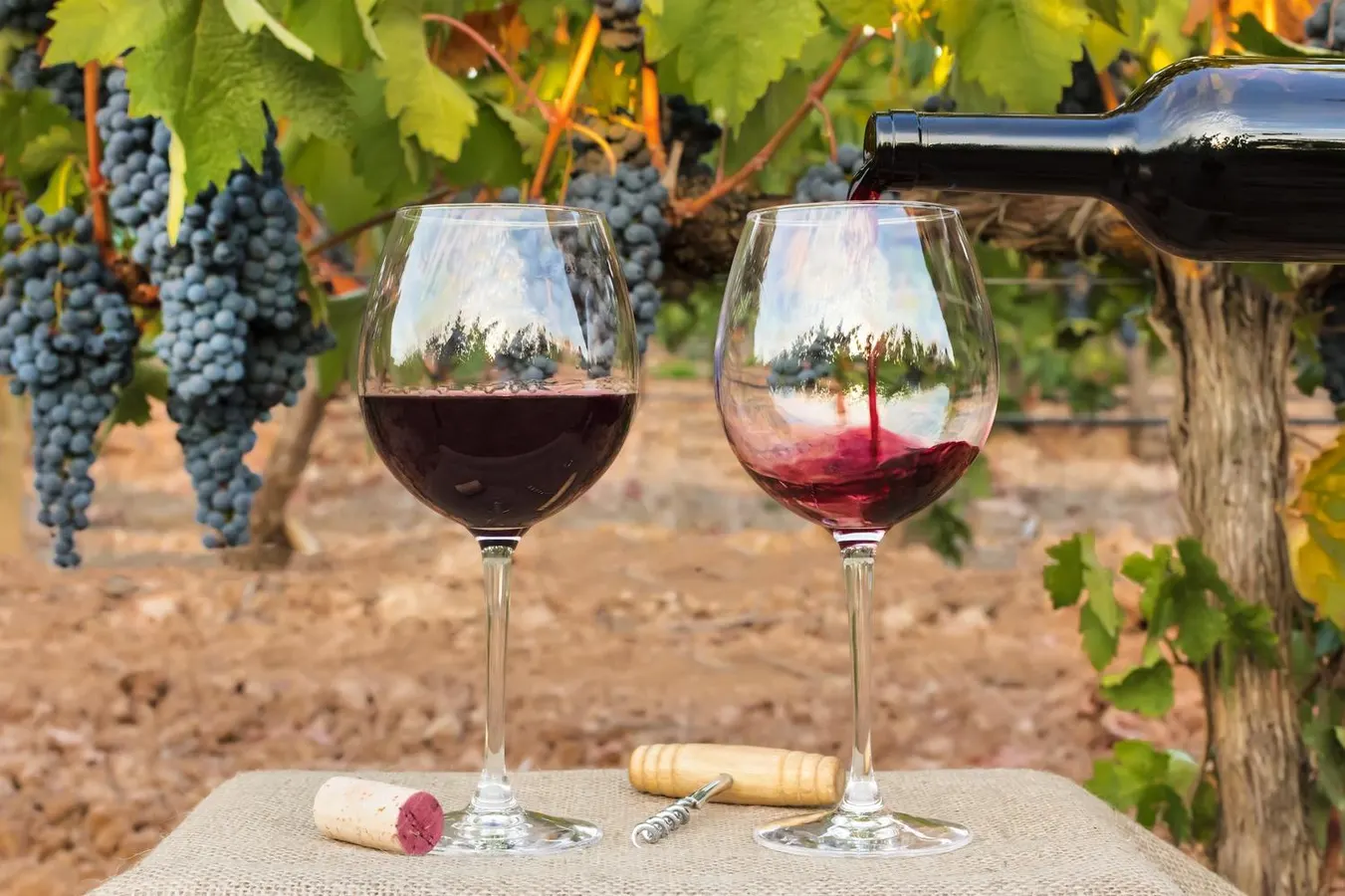
Photo of red wine poured into glasses from bottle on blurred background of a vineyard right before harvest, with hanging branches of grapes. With cork and vintage corkscrew
getty
Napa Valley cabernet sauvignon has a loyal following for a reason. It’s bold, structured and often packed with ripe fruit, polished tannins and a sense of occasion that makes it a go-to for special dinners and splurge-worthy bottles.
But as Napa prices continue to climb, many wine drinkers are starting to look elsewhere for that same experience, often at a more approachable price point. Increasingly, that search is leading back to France.
ForbesA No-Stress Guide To The World Of French WineBy Emily Price
While French wines are sometimes seen as more restrained or harder to navigate, several regions produce reds that offer the same depth, structure and food-friendly appeal that Napa cabernet fans love. The difference is often in style rather than quality, with French wines leaning slightly less ripe and more balanced.
If Napa Cabernet is your usual go-to, here are a few French wines you should consider giving a try.
Bordeaux (Left Bank): The Classic Comparison
Bordeaux opens up a world of new flavors and complexity for cab lovers in the same grape.
getty
If you’re looking for the closest stylistic match, start with Bordeaux, particularly the Left Bank regions like Médoc, Pauillac and Margaux. These wines are typically cabernet sauvignon-dominant blends, often supported by merlot and smaller amounts of other grapes.
ForbesThe Hidden Trend Reshaping French Wine Right NowBy Emily Price
They deliver many of the hallmarks Napa fans expect: firm tannins, dark fruit and age-worthy structure. The key difference is balance. Bordeaux tends to show more restraint, with notes of blackcurrant, cedar, graphite and tobacco rather than the jammy richness you might find in California.
For Napa drinkers, this can feel like a classic, slightly more savory expression of the same grape.
Bordeaux (Right Bank): Softer, But Still Powerful
Merlot is often blended with cabernet sauvignon to soften tannins and create a plusher feel.
getty
On the Right Bank, regions like Saint-Émilion and Pomerol lean more heavily on Merlot, resulting in wines that are rounder and more approachable earlier in their life.
ForbesBordeaux Or Burgundy? How To Tell The DifferenceBy Emily Price
These bottles still offer plenty of depth, with flavors of plum, cocoa and spice, but with softer tannins and a more plush texture. If you gravitate toward Napa Cabernets with a velvety finish, Right Bank Bordeaux can be an easy transition.
Cahors: Bold, Structured And Often Overlooked
Value-driven cabernet lovers should look to Cahors.
getty
If what you love most about Napa cabernet is power, Cahors is worth a look. Located in southwest France, the region is known for Malbec, but not the softer, fruit-forward style many associate with Argentina.
Cahors wines are darker and more structured than wines from other French regions, with firm tannins and flavors of black fruit, earth and spice. They can feel more rustic, but for Napa drinkers who appreciate intensity and grip, they offer a compelling alternative, often at a fraction of the price.
Northern Rhône (Syrah): A Different Grape, Similar Appeal
The Northern Rhone is a great place for cabernet lovers to experiment.
getty
While not cabernet sauvignon, syrah from the Northern Rhône can deliver a similar sense of depth and structure.
Wines from appellations like Crozes-Hermitage or Saint-Joseph tend to show dark fruit alongside savory notes like black pepper, olive and smoke. They’re often less fruit-forward than Napa cab, but they offer complexity and a firm backbone that many cabernet fans enjoy.
ForbesThese Lesser-Known Rhône Whites Are Some Of The Best Food Wines In FranceBy Emily Price
For those willing to branch out beyond the grape variety, this is one of the most rewarding places to explore.
Languedoc-Roussillon: Value With A Napa-Like Profile
GSM blends can be surprisingly popular with Napa cab fans.
getty
In southern France, blends from Languedoc-Roussillon can offer a fruit-driven style that feels closer to California.
These wines often combine syrah, grenache and mourvèdre to create rich, approachable reds with ripe berry flavors, soft tannins and a touch of spice. They may not have the same prestige as Bordeaux, but they frequently deliver strong value and immediate drinkability.
Why More Napa Drinkers Are Looking To France
French wines often trade overt ripeness for nuance, structure and a stronger connection to place.
getty
The shift toward French alternatives isn’t just about price, though that’s certainly part of it. It’s also about discovery.
French wines often trade overt ripeness for nuance, structure and a stronger connection to place. For some Napa cabernet drinkers, that means a slight adjustment in expectations. For others, it opens up an entirely new way to think about what a bold red wine can be.
The good news is that you don’t have to choose one or the other. If anything, moving between Napa and France can sharpen your palate and expand your sense of what great wine looks like. And in many cases, it might even help you find a new favorite bottle for less.
Dining and Cooking