

We are living longer lives, but it seems that we are not ageing well.
Research published this week suggests that we are spending more of our life in ill health. The UK Health Foundation has found that our average healthy life expectancy (that’s the number of years we can expect to live free from disease or disability) has dropped by two years in the last decade.
Although the average life expectancy is around 82 years, it seems that our healthy life expectancy is around 63.7 for men and 60.9 for women. Poverty, poor housing and lifestyle factors are to blame. We are the fattest nation in western Europe and our mental health is poor.
Something needs to change.


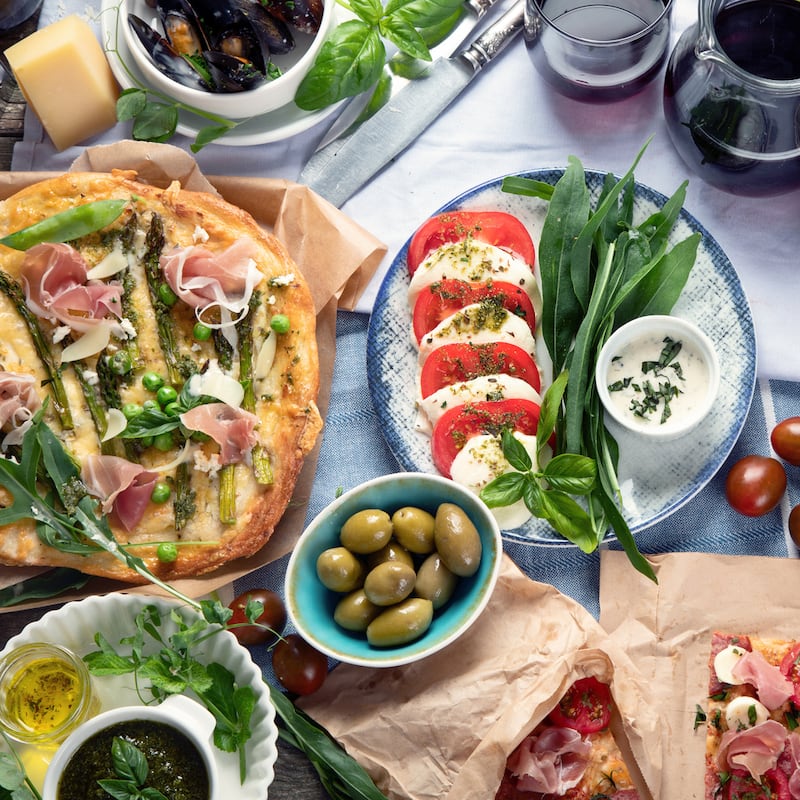 The Mediterranean diet has been praised for its health benefits (bit245/Getty Images)
Carrying too much weight around the middle is a risk factor for heart disease, type 2 diabetes and some cancers and can age us, fast!
Simple, sustainable changes to the food on our plate will beat a quick fix diet any day. Keeping a food diary for a few days can help you get a handle on your habits and make small adjustments that can make a big difference to your weight.
So what can we do about it?
Research suggests that the Nordic and Mediterranean diets might have the answers. These diets consistently prove themselves with benefits for ageing well, including reduced risk of chronic disease, improved mental health and increased years living a healthy lifespan.
There are some key lessons we could learn from these diets to help us age well.
Simple, sustainable changes to the food on our plate will beat a quick fix diet any day
1. Adjust your portion sizes.
Make little changes that help to cut back on calories, but improve the nutrition on your plate. Add an extra portion of vegetables and eat a spoonful less rice, potatoes or pasta. That way, you won’t feel deprived, or hard done by, but you will be changing the balance on your plate to add more antioxidants, fibre, polyphenols and nutrients. What’s not to love?!
2. Eat more fruit and vegetables!
Most of us fall far short of the minimum basics of five a day. Rebalancing your plate as above can help, but consistency is key. Eat fruit at breakfast (berries have particular health benefits and frozen is just as good as fresh), add a side salad or soup to lunch and pack an extra vegetable onto your plate at dinner.
 Eat a healthy breakfast with fruit (Angela Kotsell/Getty Images)
3.Healthy snacks
If you do snack between meals, make it something that adds much-needed nutrition to your day and is aligned with the Nordic and Mediterranean way of life. Fruit, nuts and vegetables are a good place to start, but consider whether you are snacking through hunger or habit. Most of the world’s healthiest diets skip snacks and stick to three meals a day.
4. Eat more oily fish, from a sustainable source
The omega 3 fats in oily fish are important for brain health and memory, are anti-inflammatory, help to keep our joints lubricated and are essential for a healthy heart. All of which are signs of healthy ageing. Aim to eat oily fish three times a week, or take a daily fish oil supplement (or vegan alternative). Just be cautious if you are on medication and check with your GP or pharmacist as there can be drug-nutrient interactions between omega 3 supplements and a number of medications.
5. Eat some fermented foods.
Ageing well in body and mind is reflected by a healthy gut microbiome, so include some fermented foods like kefir, kombucha, sauerkraut, kimchi or live yoghurt on your daily menu most days.
 The Nordic diet is rich in fish (Anikona/Getty Images/iStockphoto)
6. Eat a plant-based diet.
That’s not necessarily the same as a vegetarian diet – it just means adding more plants to your plate. As well as an extra portion of fruit or veg, consider other plants like herbs spices, beans, lentils, nuts, seeds and wholegrains.
Read more: Kids know nutrition – so why are healthy eating habits still a struggle? – The Irish News
7. Eat less sugar, avoid ultra processed foods, drink less alcohol and don’t smoke!
This lot will put you on a fast track to poor health and accelerated ageing.
Dining and Cooking