
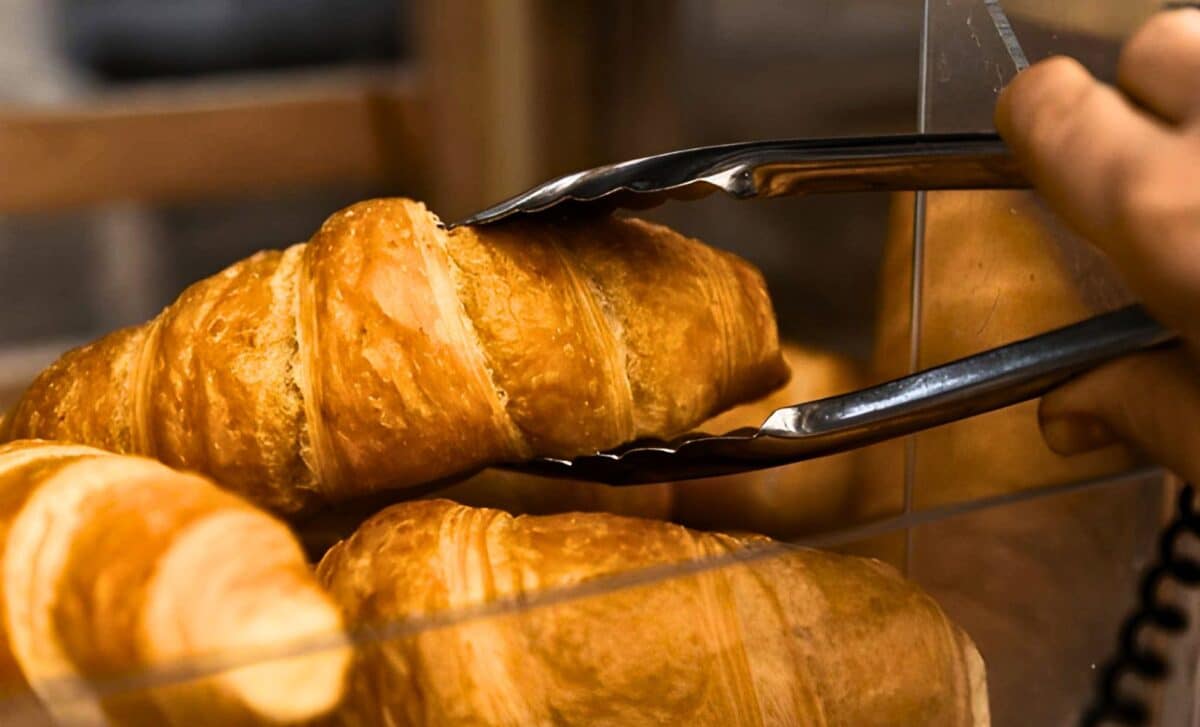
A customer steps up to the counter and asks for an ordinary croissant, certain they have just made the lighter choice. One artisan baker in Dreux has heard it enough times to last a lifetime. On the Facebook page of Boulangerie Wulbrecht, he dismantled what that request actually means and why customers keep getting it wrong.
The post spread because it skewers a persistent piece of customer misinformation with the kind of directness few artisans commit to writing. Whenever the baker asks people why they want an ordinary croissant, the reply comes back almost identical: they believe it contains less fat. That assumption, he wrote flatly, is false. The phrase has circulated through French bakeries for years without anyone stopping to verify it.
His frustration grew from years of fielding the same question and watching surprise cross faces when the truth landed. It resonated because it named something many artisans feel but rarely take the time to explain publicly.
The Real Difference Has Nothing to Do With Fat Content
A butter croissant and an ordinary croissant carry the same fat load. Butter and margarine both sit between 80 and 84 percent fat by law. What shifts is where the fat originates.
For the butter version, the story is short. The baker noted on the Boulangerie Wulbrecht Facebook page that butter has come from cow’s milk for roughly 6,500 years. Making it requires nothing more than separating fat from milk, a process humans mastered long before industrial food production existed.
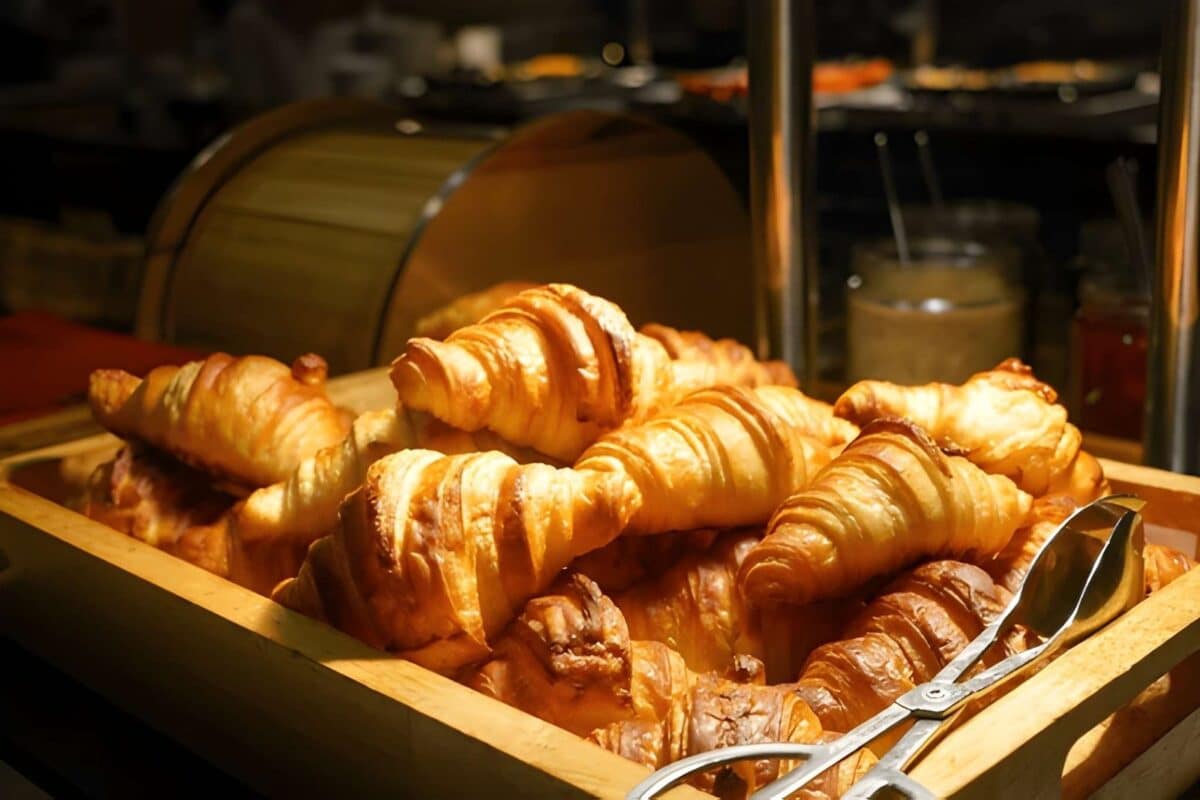 Butter and margarine share the same fat percentage; the only difference is where the fat comes from. Credit: Shutterstock
Margarine runs down a tangled road. Its fat can arrive from vegetable oils including rapeseed, corn, peanut, soy, sunflower, and palm. The list does not end with plants. The baker flagged that some margarines contain fish oils or fats from marine mammals. Manufacturers then add emulsifiers, flavourings, acidity correctors, colourings, and preservatives.
The baker’s core objection was not to any single ingredient but to the opacity. Unlike butter, which traces back to one source, margarine shifts its composition depending on the producer, oil prices, and the formulation chosen for cost and performance. A customer ordering an ordinary croissant cannot know which version they are eating.
Why a Baker Might Reach for Margarine
If both fats carry the same percentage, the question becomes practical. Cost tops the list. Margarine runs far cheaper than butter, a gap that bites hard when small shops operate on thin margins and compete against supermarket chains.
Workability is the second pull. Industrial producers can engineer margarine’s oil blend into a fat that handles smoothly during lamination, the folding process that builds a croissant’s layered structure. Butter softens too quickly in a warm kitchen, tears when handled too cold, and demands constant attention. Margarine offers an easier path to a uniform product.
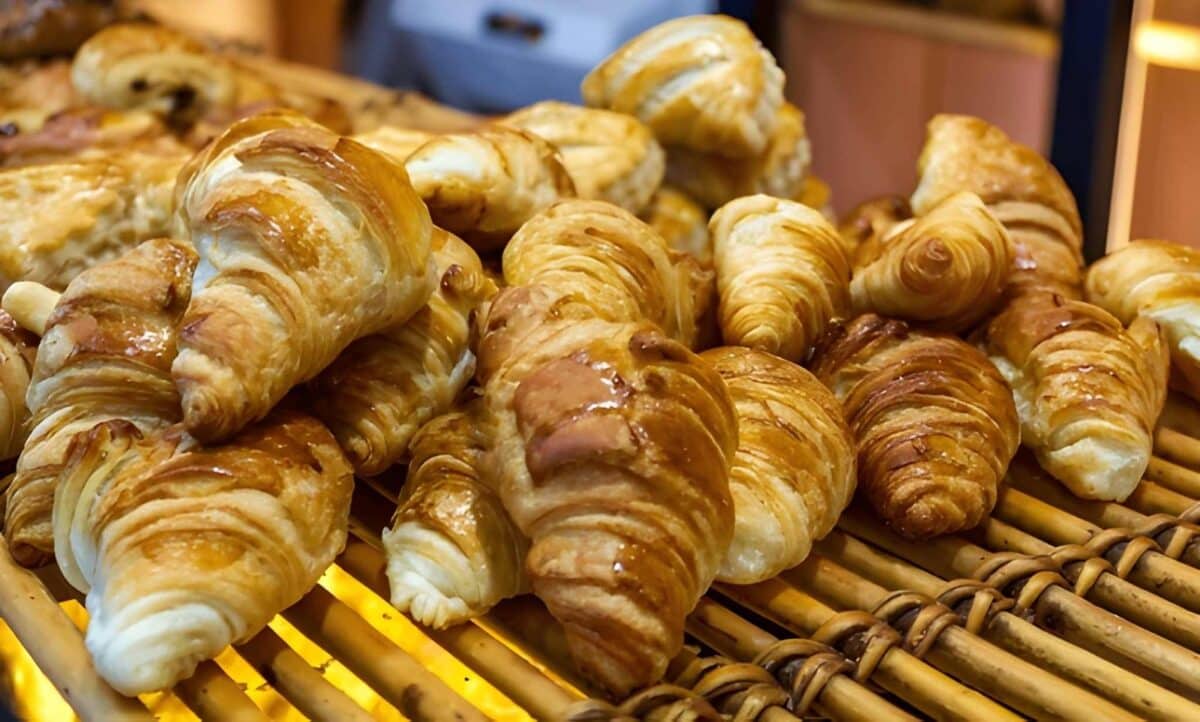 Margarine costs less and handles more easily during baking, but its hydrogenated oils produce harmful trans fats. Credit: Shutterstock
That ease carries a health trade-off. Most margarine relies on hydrogenated vegetable oils, with soy oil as the workhorse. The hydrogenation step creates trans fats, which the body processes differently than the saturated fats in butter. The baker’s post cited a reference to the European Food Safety Authority, which concluded in 2004 that trans fatty acids raise heart disease risk and that intake should stay low. He included it not as a medical claim but as evidence that the “less fatty” belief is built backward.
A Conviction, Not a Sales Pitch
The post reads as explanation rather than advertisement. The baker picked his side long ago: he trusts cows more. The line lands as humour, but the reasoning is serious. A cow yields one ingredient. An industrial margarine line can yield dozens.
His position traces a fault line in French baking. Artisan bakeries that adhere to traditional methods and butter face constant price pressure from industrial rivals. When a customer asks for an ordinary croissant, they unknowingly align with the industrial side of that divide. The baker’s irritation grows from the gap between what people believe they are choosing and the product they receive.
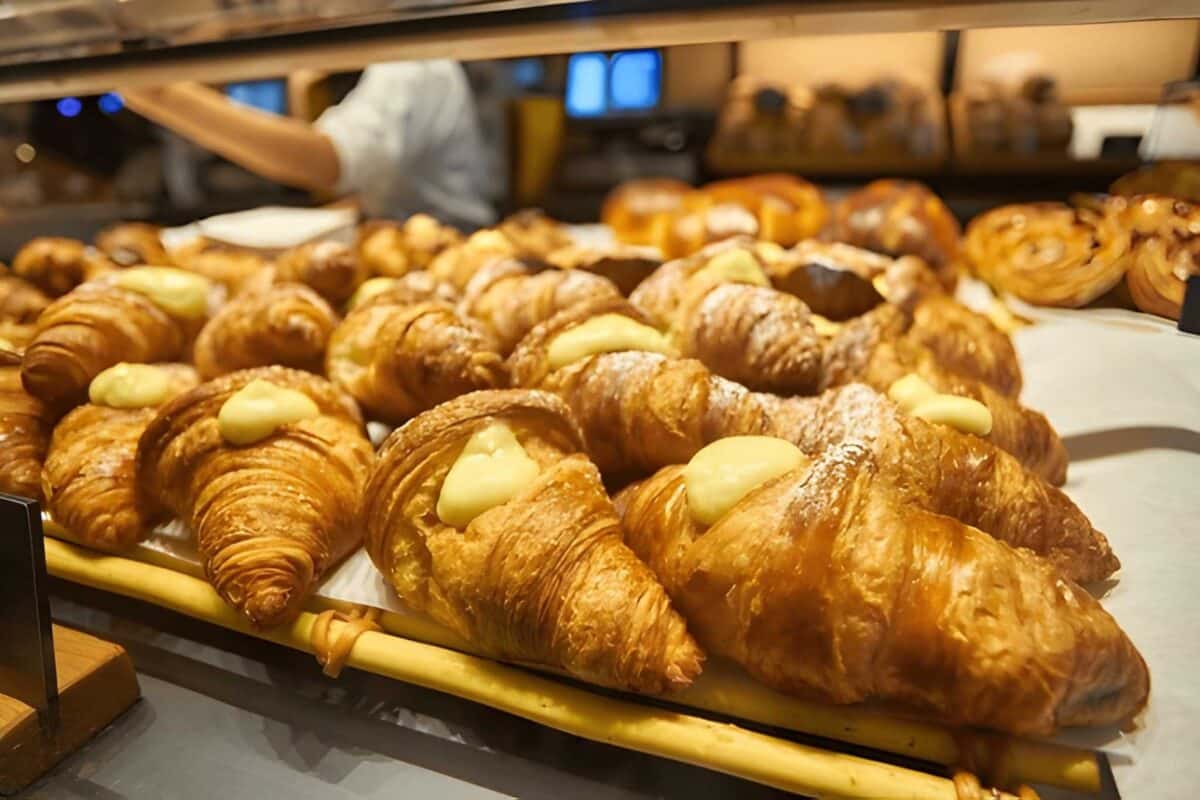 Artisan bakeries using traditional butter methods face pressure from industrial rivals, and customers unknowingly pick the industrial side. Credit: Shutterstock
That gap touches on what French consumers expect from their neighbourhood bakery. A Statista study for American Express, covered by Marie France, placed bakers and pastry chefs as the favourite local shop for 75 percent of the population. When three out of four people name the same type of business as their most valued local presence, the standards those shops uphold carry weight.
What He Wants Customers to Remember
The post closes with a sharp joke: the only way to eat an ordinary croissant is with one hand to open a window and the other to throw it out. The humour lodges longer than a lecture would.
Strip away the punchline and the point remains. A butter croissant is not the heavy indulgence next to a margarine version. It is the simpler pastry, with an ingredient list a person can picture. The baker stressed that his aim was never to produce a fat-chemistry manual but to give customers a readable summary of what sits inside each pastry.
The exchange lands at a moment when corner bakeries still command deep loyalty. The Statista study showed that 42 percent of French customers visit their bakery at least every two days. That rhythm means small misconceptions harden into daily habit.
Dining and Cooking