
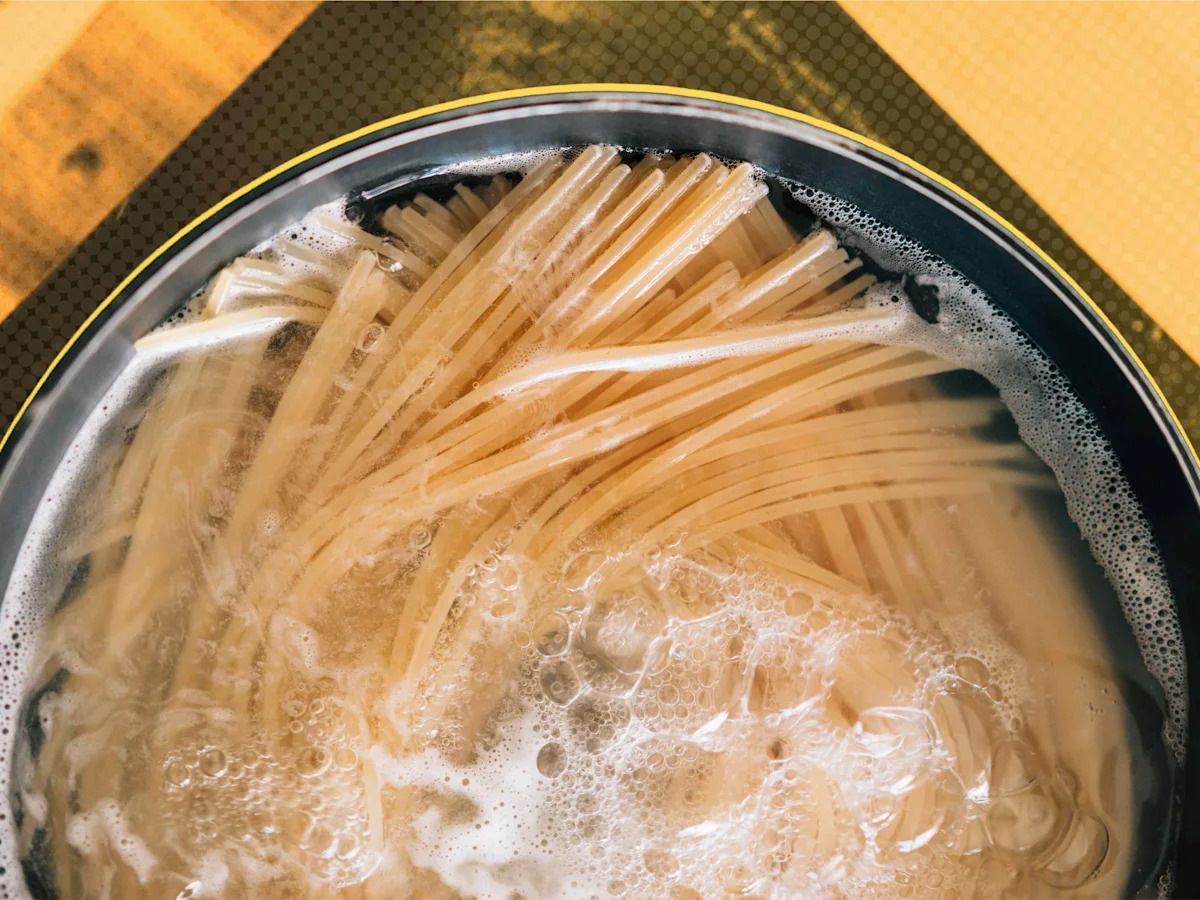
Italian cooking is an art form with deep, regionally rooted traditions and kitchen tricks passed down by Nonnas around the world—especially when it comes to pasta-making. Some of us were raised to break long strands of spaghetti in half before plunging them into a roiling pot of water. Childhood pasta nights bring back memories of flinging noodles against the wall to see if they stick, signaling they’re ready to be pulled from the stovetop, drained, and doused with sauce.
Today, TikTok and Instagram videos highlight hacks that inspire pause and wonder—does combining uncooked pasta, sauce, and a block of feta in a 9×13 dish really produce the beautiful, bubbly, 30-minute dinner we see on our screens? What about rinsing the sticky starch off cooked pasta before adding marinara? Or pouring olive oil into boiling water to prevent clumping?
We surveyed a handful of Italian chefs to dish on the most cringe-worthy pasta mistakes home cooks need to stop making right now.
Our Panel of Professional Italian Chefs
Johanna Hellrigl, James Beard Award Semifinalist and chef-owner of the award-winning Northern Italian restaurant Ama in Washington, D.C.
5 Common Pasta Mistakes Italian Chefs Wish People Would Stop MakingSeparating the Pasta From the Sauce
Credit: Allrecipes / Getty Images
These chefs spend their days immersed in pasta-making, perfecting sauce pairings, seasoning with spices, roasting vegetables, braising meats, and curating memorable Italian dishes that keep their guests raving and coming back for more. The key to tying it all together? A consistently delicious pasta foundation to build on.
Fundamentally, it’s about marrying the pasta to its sauce, Johanna Hellrigl, chef-owner of Ama, tells us. “The entire philosophy of Italian pasta is about union; the pasta and the sauce are meant to become one dish, not two components plated together.”
It’s pasta 101. If you’re separating the pasta from the sauce, you’re doing it wrong. In fact, “Any hack that creates a barrier between them—whether coating noodles in oil, rinsing them under cold water, or serving them separately—misunderstands what pasta is trying to be,” Hellrigl explains.
Adding Olive Oil to Pasta Water
Credit: Allrecipes / Getty Images
Our chefs were on the same page about this mistake when making pasta. Adding olive oil to your boiling water is the most egregious pasta hack of all.
“I hate when people put olive oil in the pasta water when you cook pasta because ‘it doesn’t stick together,'” chef Silvia Barban says. “That isn’t true! You are only wasting good olive oil.” The LaRina Pastificio & Vino executive chef swears by the olive oil brand Corto (save it for finishing the dish later) and says that, to prevent sticking, focus on using higher-quality pasta. She recommends Mancini.
Hellrigl agrees that adding olive oil to boiling pasta water is counterproductive. “The oil floats on top of the water and does nothing while the pasta is cooking,” she tells us. “The moment you drain, it coats the noodles, which sounds fine until you realize you’ve just created a barrier that prevents your sauce from adhering.”
The fix for pasta sticking is simple, Hellrigl explains: Just use enough water, bring it to a rolling boil, and stir for the first two minutes to separate the noodles. Don’t crowd the pot—use a large enough pot to fill with plenty of water, leaving room for the pasta to move. “When you crowd the pot, the temperature drops, the pasta stews rather than boils, and you end up with gummy, uneven results,” Hellrigl adds.
Rinsing Cooked Pasta
Credit: Allrecipes / Getty Images
For chef Joshua Frias, the most irksome pasta hack is rinsing your noodles after boiling. The Naples Ristorante e Bar executive chef says the so-called hack actually alters the texture, flavor, and overall character of the final dish by stripping the essential starches from the pasta’s surface—a trifecta of negative outcomes that’s unfixable.
“The issue that this hack serves to resolve is preventing pasta from sticking together, but clumping and sticking pasta is generally caused by other factors such as cooking in too small of a pot, failing to mix and separate noodles during the first few minutes of cooking, cooking in water that is not at a hot enough boiling temperature, or leaving pasta to sit for too long before incorporating into a sauce or butter mixture to finish,” Frias explains.
Simply put by Hellrigl, “Cold water, hot pasta, sauce that slides right off: not what we’re going for.”
The only caveat: When cooking pasta for a cold salad, rinsing is an acceptable way to quickly cool your pasta and remove excess starch before mixing it into the finished salad.
Breaking the Spaghetti in Half
Credit: Allrecipes / Getty Images
Almost as cringeworthy as the oil-in-water no-no is snapping a fistful of spaghetti before dropping it into boiling water.
“It’s genuinely painful to witness,” Hellrigl notes. “In Italy, long pasta is long for a reason. The length is part of the eating experience—the way it twirls, the way it carries sauce. Breaking it is purely impatience.”
The consensus: Long, full-length spaghetti noodles are best for twirling sauce and capturing bits of meat and veggies in a single coiled forkful, creating the perfect bite.
However, Frias notes one exception: when preparing pasta for a young child, breaking the noodles in half can help prevent them from falling out of the child’s mouth and onto the floor.
“As a chef who specializes in Italian food, breaking those precious noodles is a crime, but as a father of a 4-year-old daughter, I myself am frequently the breaker of the noodles,” Frias admits.
Throwing Noodles at the Wall
Credit: Allrecipes / Getty Images
Throwing noodles at the wall to test doneness? Pure culinary mythology, Hellrigl reveals. “A sticky noodle just means it’s overcooked and releasing excess starch, not that it’s perfectly al dente.”
Instead of plastering your walls with sticky pasta, try the taste-test method: Two minutes before the package says it’s done, pull a piece of pasta from the boiling water, bite through it, and look for a tiny white dot of resistance in the center. When that disappears, you’ve gone too far.
“Taste early, taste often, and trust your palate over the wall,” Hellrigl recommends.
3 Chef-Approved Pasta Tips To Use Instead
Hellrigl takes us through a list of Italian traditions her family has used for generations.
Salt your water with real, mineral-rich sea salt. It’s the only chance you have to season the pasta from the inside out, and no amount of sauce will compensate for under-salted water.
Save your pasta water before draining. That cloudy, starchy water is liquid gold. It’s the emulsifier that binds your sauce to your noodles and gives them a glossy, restaurant-quality finish.
Finish cooking your pasta in the sauce. Pull the pasta before it’s done (al dente, about one minute before the cook time) and let it finish cooking directly in the pan with your sauce and a splash of pasta water. The pasta absorbs the sauce rather than just being coated by it.
Read the original article on Allrecipes
Dining and Cooking