
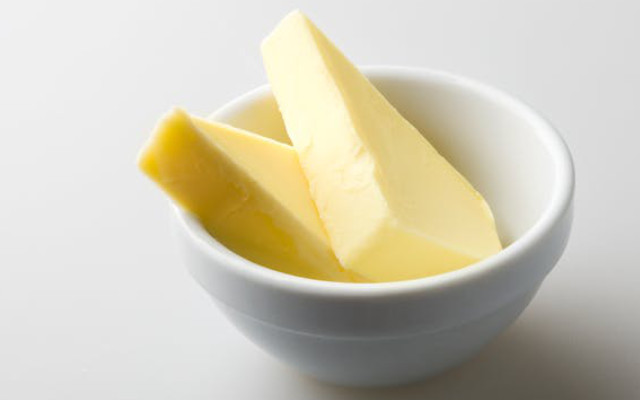
Il clarified butter and ghee, its traditional Asian counterpart, are experiencing a significant revival in Western markets. Although the collective imagination often associates this dietary fat with contemporary dietary trends or exotic cuisine, the separation of milk lipids from water also has deep roots in European gastronomic historyThe evolution of consumption, driven by the demand for natural ingredients that are stable at high temperatures, is now opening up new and interesting opportunities. perspectives economic benefits for the dairy supply chain, particularly in the segment of high value-added organic products.
Ghee, the global market and opportunities for Italy
The global ghee market is experiencing sustained growth. Its overall value in 2025 has been estimated at approximately 59 billion dollars, with a forecast growth at a compound annual rate (CAGR) of approximately the 5,5% over the period 2026–2034, reaching nearly $97 billion by 2034 (IMARC Group, 2025). Key drivers include growing consumer attention to natural fats and clean label products, the spread of ketogenic diet in Western markets, as well as the strong cultural and religious demand in the markets of the Indian subcontinent.India dominates global production and consumption with about 78% of total volumes, followed by Pakistan and New Zealand (IndexBox, 2026).
Il Italian market The ghee (clarified butter) sector is characterized by significant import dependence. Between 2020 and 2024, the average import price rose to US$8.820 per tonne in 2024 (+86,8% compared to 2020), while the average export price reached US$10.976 per tonne (+51,4% compared to 2020). Italy’s main suppliers are the Netherlands, Belgium, and Spain, which together account for 69% of the value of imports; the remaining 29% comes from the United Kingdom, France, Germany, and Poland. On the trade front, export, Germany, France and Romania absorb 44% of the value of Italian ghee exports (IndexBox, 2026). The trajectory of rising prices It is considered structural in the short to medium term, supported by demand trends in European markets and the growing orientation towards organic and premium products.
The millenary origins in the Indian subcontinent
The origins of ghee date back several thousand years in the Indian subcontinent, where it still represents one of the fundamental ingredients of traditional cuisine and Ayurvedic medicine (Kataria & Singh, 2024). Butter clarification probably originated as conservation technique: the elimination of water and protein components allowed for a significant increase in product stability in hot climates, long before the advent of refrigeration.
Over the centuries, ghee has played a central role in food as well as religious rituals. Hindus, Buddhists and Sikhs. Ancient Ayurvedic texts describe its numerous therapeutic uses, attributing to it digestive, tonic, and carrier properties for active plant ingredients (Kataria & Singh, 2024).
Clarification in the European gastronomic tradition of the eighteenth century
Francesco Leonardi Romano — Italian chef of Empress Catherine II of Russia — in the second volume of his text Modern apicius, or the art of preparing all sorts of food (1790) precisely describes the preparation and versatility of the ‘Clarified butter without being refined’:
‘Place a large piece of butter in a saucepan, place it on the hot ash, let it melt slightly without boiling, so that all the whey part drains to the bottom, and the butter remains clear and limpid […] This butter thus purified should be kept for a year or even two, as if it were fresh, taking care only to place it in well-varnished earthenware jars, and in a cool, dry place.’.
The description is remarkable for its technical accuracy: the famous chef clearly identifies the objective of the separation of the phases, the low temperature cooking technique and the conditions of storage optimal, elements that correspond precisely to the principles recognized today by food science.
Maillard reaction and production technology
Clarified butter is obtained by controlled heating of butterThanks to this process, the water evaporates, the milk proteins and other non-fat solids separate from the lipid phase, and the fat fraction is filtered and collected.
In the case of traditional ghee, the heating continues until it favors Maillard reactions and light caramelization of the residual proteins, which give the product its typical nutty aroma and intense golden color. Experimental studies have shown that temperatures between 120 and 160 °C amplify the progression of these reactions and the antioxidant capacity of the product (Yokogawa et al., 2023).
The final composition varies depending on the animal species, the animal feed, the quality of the starting milk, the processing technology and the temperature and duration of the heat treatment. organic production certified offers further guarantees regarding the origin of raw materials, animal welfare and the reduced use of antibiotics in farms.
Technological properties and resistance to high temperatures
Ghee generally contains over 99% fat and negligible amounts of water. The main lipid components include triglycerides, short- and medium-chain saturated fatty acids, oleic acid, small amounts of polyunsaturated fatty acids, cholesterol, and fat-soluble vitamins.
The elimination of almost all the water and proteins in milk leads to a greater microbiological stability has always been shelf superior to traditional butter. One of the most relevant technological aspects is the high smoke point, generally between 230°C and 250°C, which makes the product suitable for frying and high-temperature cooking.
From an organoleptic point of view, clarified butter has a golden yellow colour, a semi-fluid or solid consistency at room temperature, intense aroma and lightly toasted, with a rich flavor and hazelnut notes. The Maillard reactions that occur during the preparation of ghee contribute significantly to the development of this characteristic flavor profile (Yokogawa et al., 2023).
Nutritional profile and bioactive compounds of milk fat
Ghee is a high energy density food, consisting almost exclusively of lipids. It provides fat-soluble vitamins, in particular vitamin A, as well as variable quantities of vitamin E and vitamin K. Among the components of greatest nutritional interest are:butyric acid, short- and medium-chain fatty acids, oleic acid and conjugated linoleic acid (CLA), especially in products derived from grass-fed animals.
Butyric acid and intestinal health
The butyric acid, naturally present in dairy fats, represents a primary energy source for colon cells. Recent research has documented its role in maintainingintegrity of the intestinal barrier by increasing the expression of tight junction proteins — including claudin-1, occludin, and ZO-1 — and modulation of inflammatory responses (Matheus et al., 2023). These effects have been observed in preclinical models; clinical implications in humans require further study.
CLA and body composition
Il CLA (conjugated linoleic acid) naturally present in dairy products has been studied for its possible effects on body composition and lipid metabolismA 2024 meta-analysis found modest but statistically significant effects of CLA supplementation on reducing fat mass and Body Mass Index (BMI) in adults, but noted that high-quality methodological studies showed less significant results (Akhgarjand et al., 2024). The evidence remains heterogeneous and does not allow definitive conclusions for ordinary dietary consumption.
Overall nutritional perspective
In the last ten years research on dairy fats highlighted greater complexity than previous interpretations that generically associated saturated fats with negative effects on cardiovascular health. A 2024 review found that ghee contains bioactive compounds potentially associated with favorable effects on lipid metabolism, intestinal function and inflammatory processes, while underlining the need for further clinical studies in humans (Kataria & Singh, 2024).
At the same time, the scientific literature continues to recommend moderation in the consumption of foods rich in saturated fatty acids.
For subjects with Lactose intolerance, clarified butter can represent an alternative to traditional butter, thanks to the almost complete elimination of lactose during processing.
Gastronomic applications and uses in the food industry
Clarified butter is used in numerous gastronomic and industrial fields: frying and high-temperature cooking, meat and fish preparations, sauces, condiments, baked goods, Indian and Middle Eastern cuisine. In professional catering It is particularly appreciated for its greater resistance to thermal oxidation compared to conventional butter.industry The food industry, in turn, is beginning to discover the benefits of its use in premium baked goods, snacks, and gourmet preparations.
Selection criteria for consumers and professional operators
To obtain the maximum qualitative and nutritional value it is advisable to opt for clarified butter and ghee certified organicThe factors to be evaluated include the country of production and the origin of the raw materials, the transparency of the supply chain, and the animals’ feed, with preference for pasture-raised animals.
Products obtained from cows raised at pasture may present more favorable lipid profiles and higher concentrations of CLA and fat-soluble vitamins. For professional buyers—importers, distributors, food processors, and HoReCa operators—supply continuity, regulatory compliance, traceability, and quality certifications are also essential.
In this context, the team of GIFT (Great Italian Food Trade) offers qualified support to international buyers in the selection and verification of reliable Italian suppliers, promoting access to organic and high-value products from transparent and sustainable supply chains.
Conclusions
Analysis of clarified butter highlights an ancient ingredient capable of meeting the modern technological and nutritional needs of industry and the restaurant industry. Trade data indicates a structural growth in demand in Europe and Italy’s heavy dependence on imports, suggesting untapped development potential for high-quality, organic domestic production. Conscious consumption, as part of a balanced diet, enhances the properties of this excellent fat, supported by a transparent and traceable supply chain that the GIFT team actively promotes internationally.
Dario Dongo
Credit cover Vladimír Sládek
References
Akhgarjand, C., Tavakoli, A., Samavat, S., Bagheri, A., Anoushirvani, A., Mirzababaei, A., Amini, M.R., Ghorbi, M.D., Valisoltani, N., Mansour, A., Sajjadi-Jazi, S.M., Ansar, H., & Rezvani, H. (2024). The effect of conjugated linoleic acid supplementation in comparison with omega-6 and omega-9 on lipid profile: A graded, dose–response systematic review and meta-analysis of randomized controlled trials. Frontiers in Nutrition, 11, 1336889. https://doi.org/10.3389/fnut.2024.1336889
IMARC Group. (2025). Ghee market size, share, trends and forecast 2026–2034. IMARC Group. https://www.imarcgroup.com/ghee-market
IndexBox. (2026). Italy — Ghee: Market analysis, forecast, size, trends and insights (Report update March 23, 2026). IndexBox, Inc. https://www.indexbox.io/store/italy-ghee-market-analysis-forecast-size-trends-and-insights/
Kataria, D., & Singh, G. (2024). Health benefits of ghee: Review of Ayurveda and modern science perspectives. Journal of Ayurveda and Integrative Medicine, 15(1), Article 100819. https://doi.org/10.1016/j.jaim.2023.100819
Matheus, V.A., Oliveira, R.B., Maschio, D.A., Tada, S.F.S., Soares, G.M., Mousovich-Neto, F., Costa, R.G., Mori, M.A., Barbosa, H.C.L., & Collares-Buzato, C.B. (2023). Butyrate restores the fat/lean mass ratio balance and energy metabolism and reinforces the tight junction-mediated intestinal epithelial barrier in prediabetic mice independently of its anti-inflammatory and epigenetic actions. Journal of Nutritional Biochemistry, 120, Article 109409. https://doi.org/10.1016/j.jnutbio.2023.109409
Leonardi Romano, F. (1790). Modern apicius, or the art of preparing all sorts of food (Volume II). Printed by Michel’Angelo Barbiellini. https://flippingbooks.comune.parma.it/Libri/LEONARDI-Lapicio%20moderno-Tomo%20II/
Yokogawa, T., Yamazaki, C., Hara, M., Sakashita, Y., Tanikawa, T., Suzuki, R., Inoue, Y., & Kitamura, M. (2023). Effect of Maillard reaction on the quality of clarified butter, ghee. Journal of Natural Medicines, 77(1), 230-237. https://doi.org/10.1007/s11418-022-01661-y

Dario Dongo, lawyer and journalist, PhD in international food law, founder of WIISE (FARE – GIFT – Food Times) and Égalité.
Dining and Cooking