
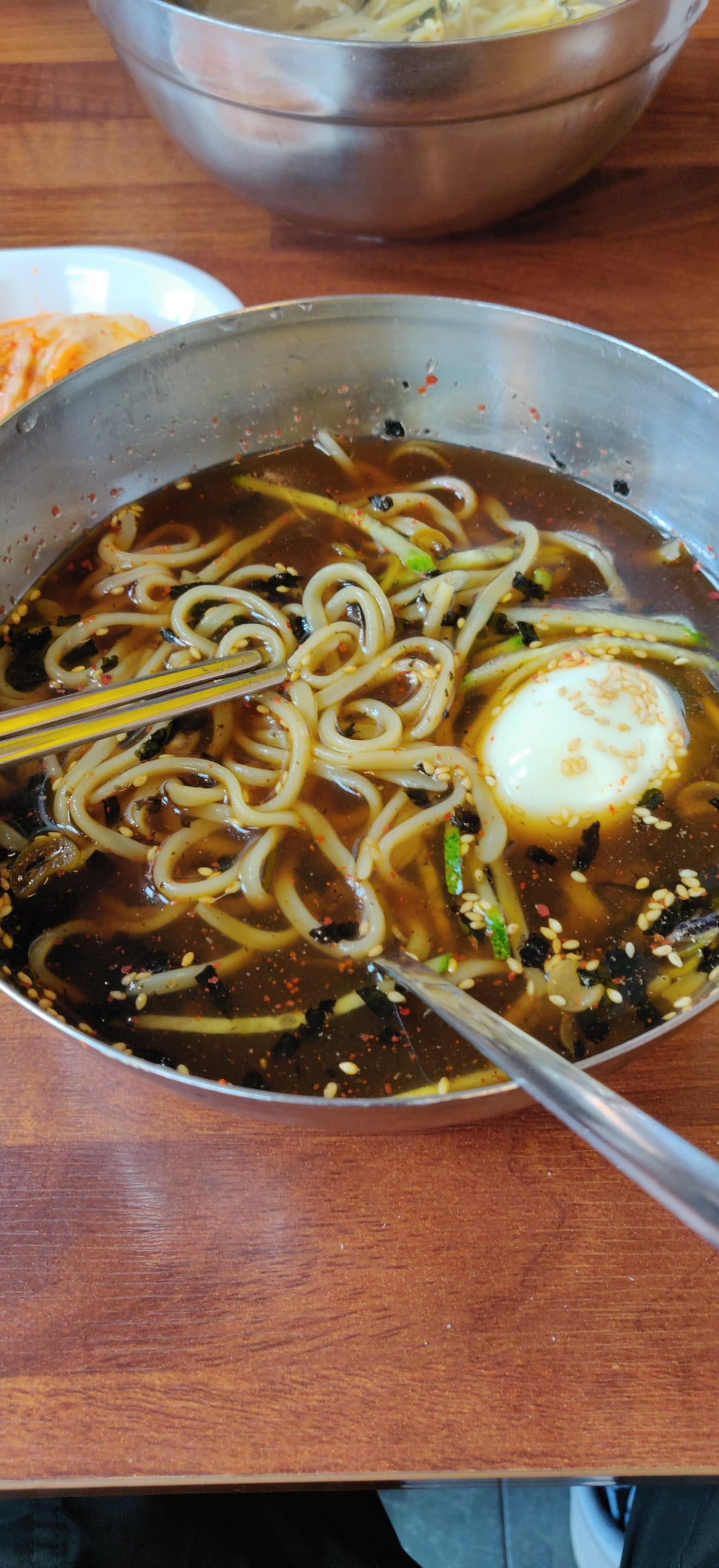
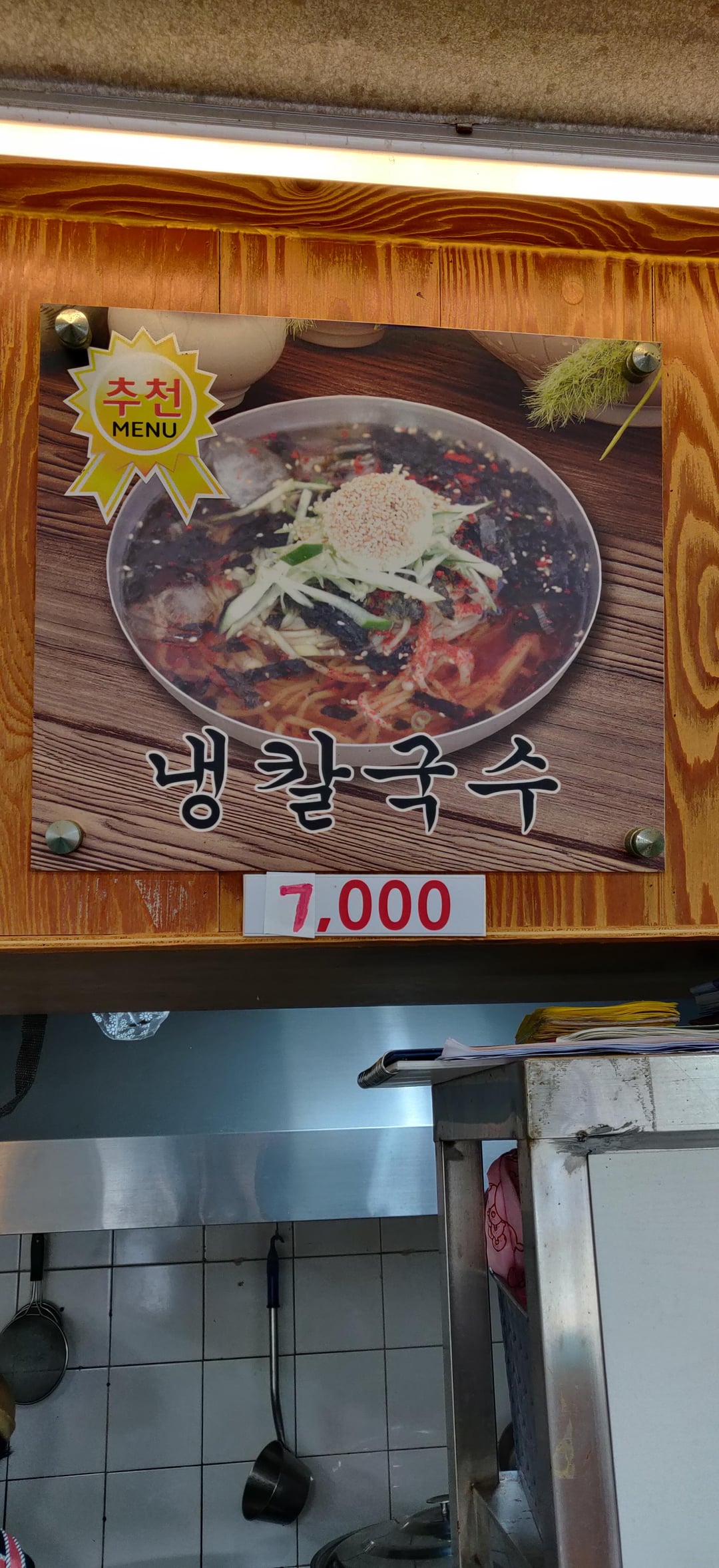
Hello everyone, I’ve been to South Korea this March and I can’t stop thinking about those life-changing ice cold noodles, that I’ve tried in Sokcho.
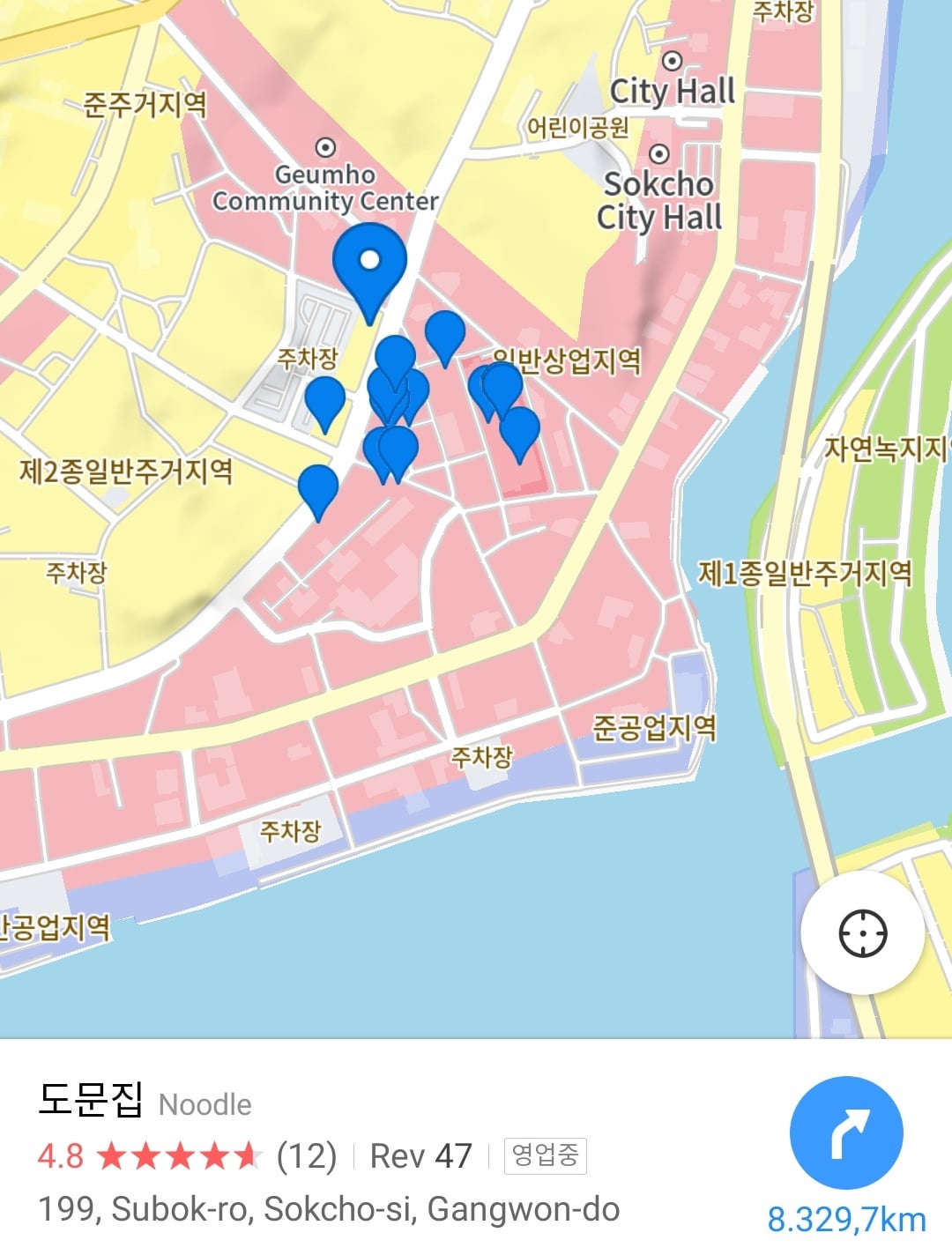
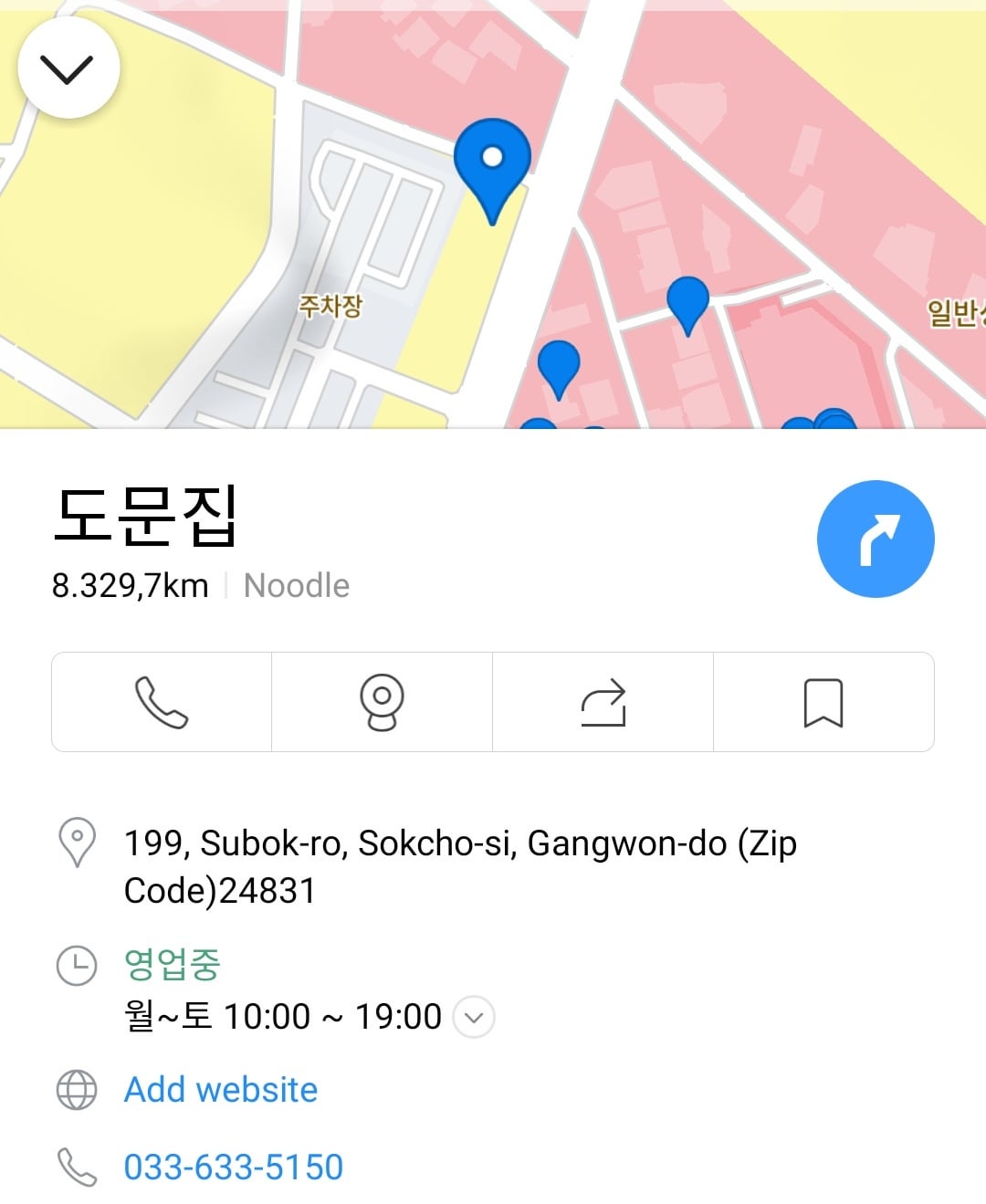
Unfortunately, I’ve only managed to make a foto of that dish + save the place in KakaoMaps, but my bad language skills prevented me from asking for their recipe in the restaurant that day.
Could you guys name that dish (I believe it’s called Kalguksu, but not sure if it’s a local variant)? They didn’t taste anywhere as good as at that place afterwards …
And more importantly: can anyone point me into the direction on how to prepare it that way – any recipe book focusing on that dish, I would go as far as calling at the restaurant myself, but can’t speak Korean ((
I’m serious … any help would be really appreciated.
by T_daston
2 Comments
I’m not Korean but Kalguksu is knifecut noodles. The toppings look typical of mul naengmyeon which is cold noodles in broth. The broth doesn’t look like the typical anchovies, I’d check out Netflix’s “A Nation of Broth” anf you’d probably figure out what you had there.
You got 냉칼국수, which is cold kalguksu. For the noodles, you can try making your own or buy pre-made kalguksu noodles in Asian stores, and the broth is a regular anchovy broth (the exact specifications of the store are probably impossible to replicate precisely) which is probably anchovy, kelp, radish, and maybe some other stuff. Boil, chill, and freeze some of it to add later. The toppings are pretty straightforward; egg, powdered kim, cucumbers sliced thinly, coarse gochugaru, and sesame seeds.
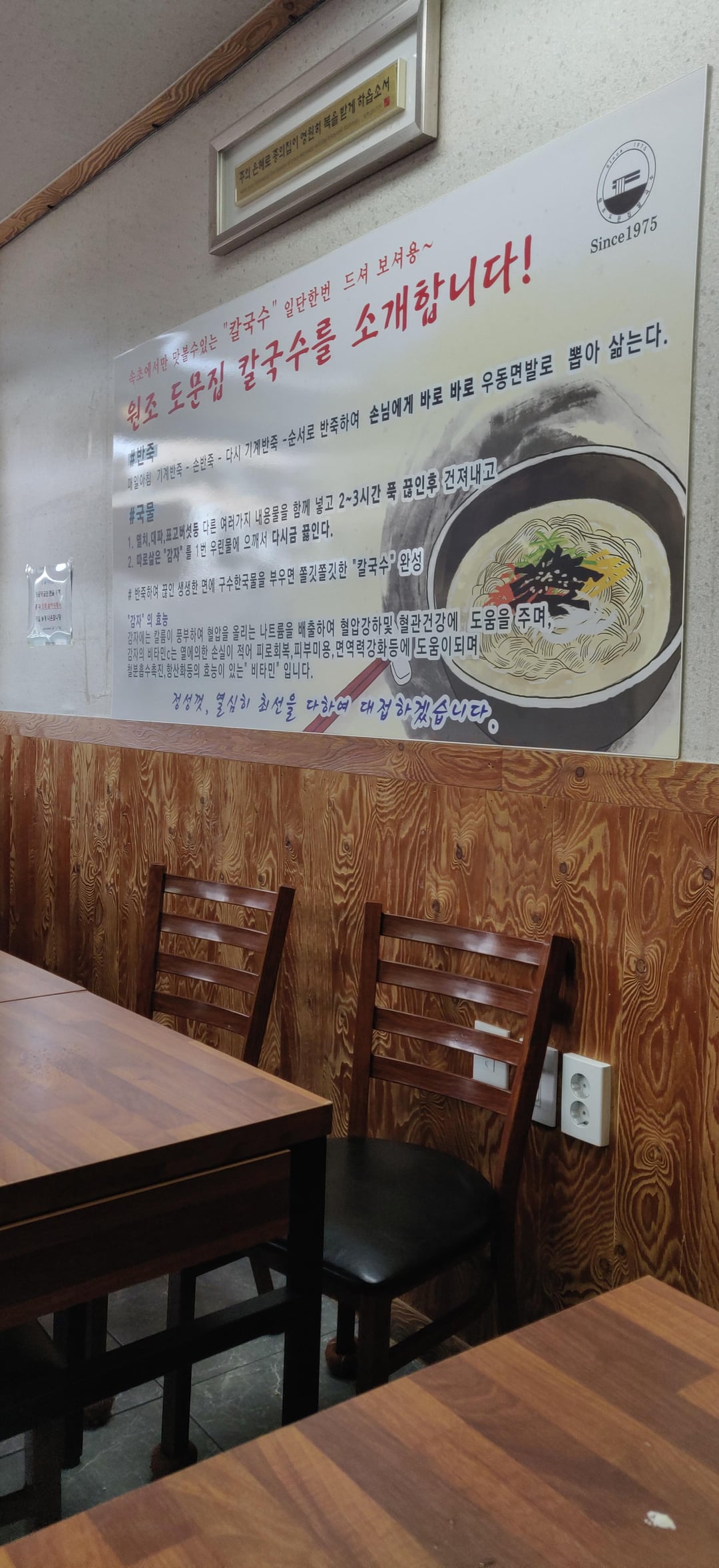
Edit: I took another look at the pictures and the third picture actually contains some details about the broth. Apparently it contains anchovy, shittake, daepa (scallions, but the big kind), and some other stuff, and is simmered for 2-3 hours. It also says that a cooked potato is mashed into the broth and simmered for a bit more, but I don’t know if that’s just for the hot version or for both the hot and cold kalguksu. The noodles are apparently kneaded three times (by machine, then by hand, then by machine again) and cut fresh to order.