
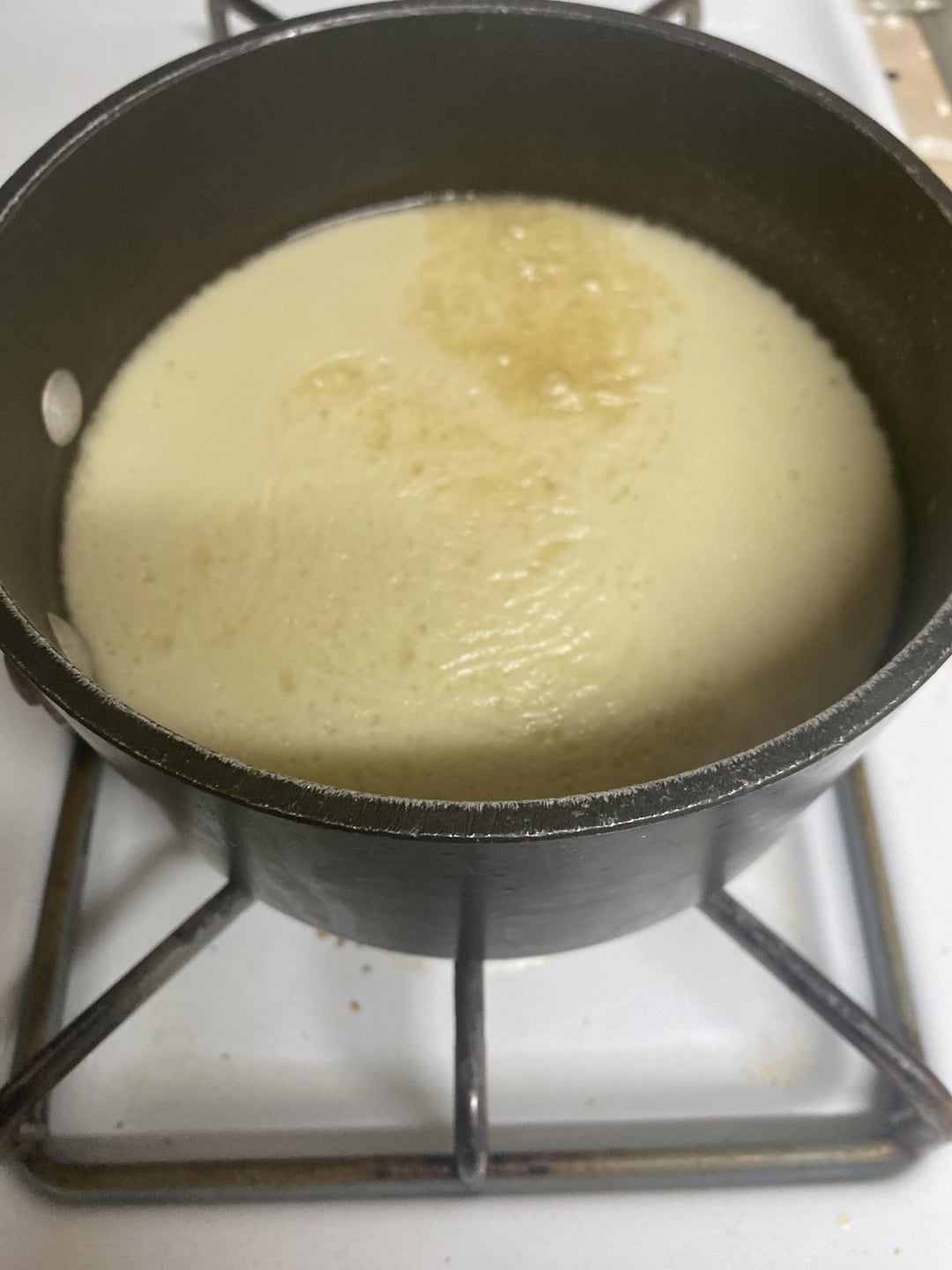
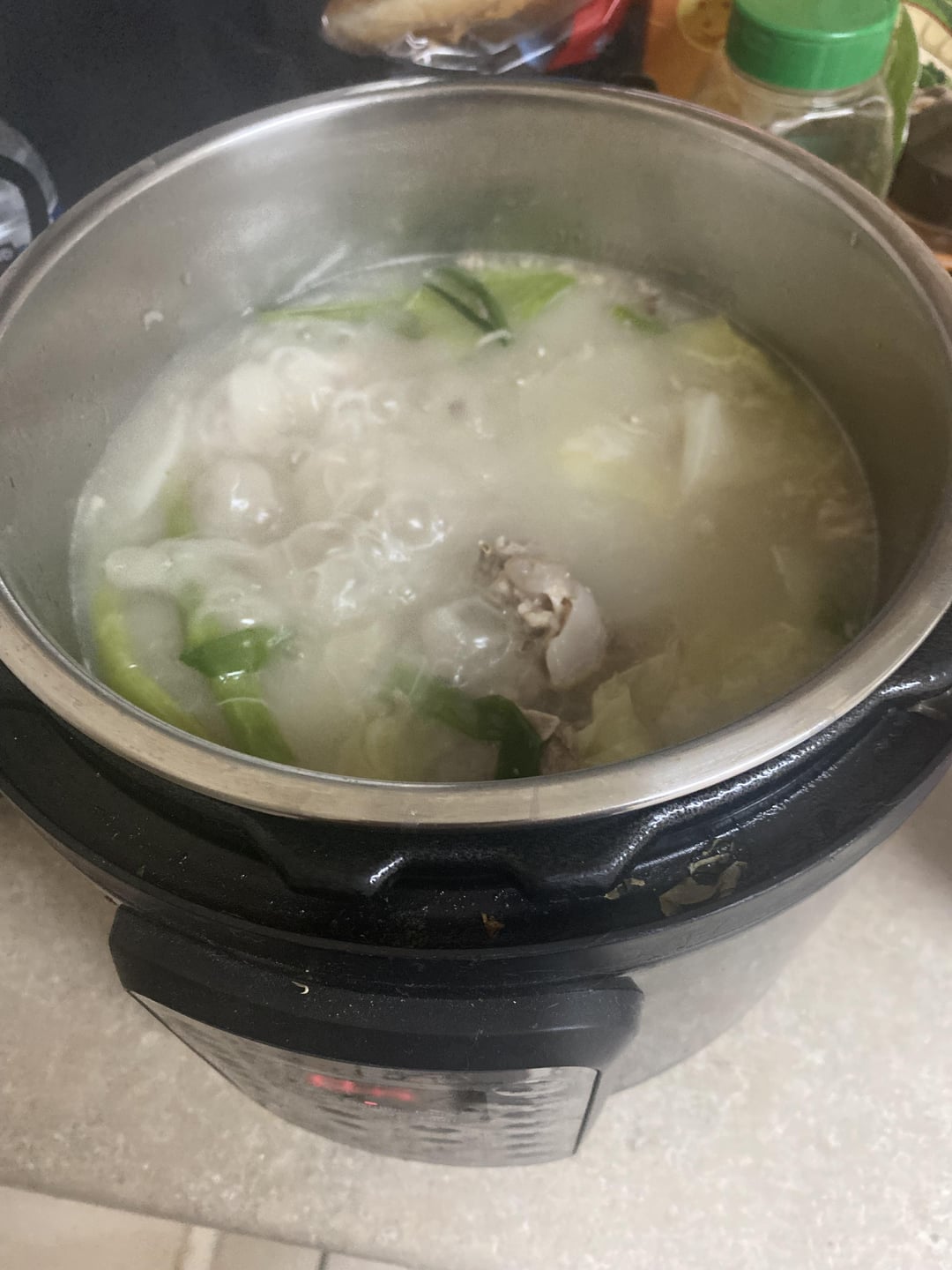
I followed way of ramen’s easy beginner tonkotsu broth recipe, I tried the soup by itself and it’s not very flavorful by itself and taste a bit like cabbage but I only used 1/8th of cabbage as an aromatic, not sure what it’s suppose to taste like but itself, but it did taste fatty.
I did some reading and I found that tare is suppose to add the flavor to the soup. Anyone here can give me advice on how to make an easy shoyu tare? I’m able to get everything I saw on way of ramen’s YouTube vid except for the Japanese sake, dried anchovies, and kombu.
I tried making a tare with what I had at home last night but to be honest it tasted awful and I eyeballed everything which probably part of the problem, but I used Lee kum kee chicken powder, dashi stock made with bonito flakes, shoyu, sugar, and rice vinegar. The problem with it was that it didnt flavor my broth enough when I tested a small amount with it without completely changing the color of my tonkotsu broth and it also tasted too fishy, how flavor concentrated should tare be ?
I wanted to resort to you guys to not make my broth go to waste.
by SharpShooter2980
10 Comments
If it’s bland, there’s probably not enough salt. Never heard of cabbage either usually it’s just mostly pork bones, maybe chicken too, ginger, green onions really. If it taste’s fatty you probably needed to skim off the excess fat during the cooking process.
And lastly again, if it tastes bland then it needs salt or tare. If it tastes thin and watery then the stock needs to be reduced more.
Have a look at Ramen Lords Ebook
Okay a few things to address.
Your broth shouldn’t taste like cabbage, I’m not sure who told you to use cabbage as an aromatic… It’s a very strong flavor. That being said as long as the flavor of the Tonkotsu itself is still mild, it’s fixable.
Second, the goal of food is to taste good. So don’t worry about your tare changing the color of your broth.
Tare should be extremely concentrated, extremely flavorful, and unbearably salty on its own.
I personally think a miso tare is just so much easier.
Use 4tbsp miso, 1/2 cup soy, 1/2 cup mirin, 1/4 water, a large shallot, 5 cloves garlic, 1 inch ginger.
Hard Simmer soy sauce mirin water and aromatics for ~10 mins until completely soft. Add miso (optionally also a couple tbsp doubanjiang if spice is desired) and bare simmer for an additional 5-10 minutes until liquid is syrupy. Blend all ingredients (I just use a stick blender).
Use about 2 tbsp of tare per bowl.
As others have said, Ramen Lord’s ebook is easily the best resource out there, and it’s free! If you do take a look in there, I think choosing the easiest tare you see is the best you can do, which is maybe the “Bare Bones Shio Tare”.
Tares can be extremely nuanced and complex, and it’s so easy to get lost in the sauce (literally) by combining dried fishes, soy sauces and other umami components that are hard to find depending on where you live. Apart from that, these are all flavor bombs that layer over each other.
The bare bones shio tare is easy and it will season your soup as well as give you a free flavor boost with the MSG. It will also help you keep the pretty white color of your soup!
By going with simple things first you can develop your palate, build on that and begin adding layers with other umami components.
Measurements are ~30mL per bowl, as per the book.
https://preview.redd.it/iqcripqtlope1.jpeg?width=3024&format=pjpg&auto=webp&s=5ad5b5d9cdad5f4d512b5fc89c4f6b82b4da9405
Here was mine from last weekend. It was early when I took this photo. You def need to use leeks, white parts of green onions, a full onion. 12 pieces of garlic, 8 dried mushrooms. It’s also really important to use pig trotters (no matter how gross they are to clean) it makes it so creamy!
I use a few aromatics at the end like shallots, green onions, garlic, and ginger. Only for the last 30-40 min. Cabbage isn’t an aroma I want in that mix.
My usual tare starts with a fish base and builds from there. Dashi mix, anchovies, bonito and kombu. The rest of it is soy, sake, mirin, msg, and salt, cooked down with a little more ginger and garlic. If it tastes fishy the proportions are off. If it tastes anything besides extremely salty, the proportions are off.
If you want that white tonkotsu look you need to do a shio tare or use (expensive) white shoyu.
I don’t know why people always recommend substituting rice vinegar for mirin, they’re not even close.
Tare is super simple. At its simplest form, it’s just soy sauce, mirin, sake, and sugar. If you don’t have any of that it’s better to just do soy sauce and sugar and very little vinegar. I like a 2:1:1 ratio for soy sauce, mirin, and sake while adding sugar to taste. A lot of tare for ramen recipes go way too light on the sweetness. I think 3:1:1 is perfectly fine
Cabbage?
Holmes, no. You can use an allium (green onion, yellow onion, leek) and maybe a bit of ginger, garlic, mushrooms, but not cabbage. Use that as a topping.
You can get the saltiness from your tare and toppings. Things like soy sauce and miso also have plenty of salt.
Use ramenlord’s guide. That’s what I did and it was flawless.
What even is this thread? First of all, with any cooking, you should probably not experiment on your first try. Pick a recipe, stick to it, and see what you like about it. Experimenting is adjusting to bring in more, and enhance flavors you enjoy. Second, ramen broth by itself is supposed to be bland. Salt brings out flavor, and without it, there isn’t much to someone without a developed palate. One of the main tenants of ramen is combining broth and tare just before serving. It creates delicate flavor that dissipates over time. Next, shoyu tare will always color a broth. You could use lighter shoyu(s) to have a smaller effect, but in my opinion flavor trumps aesthetic. A shio tare is your best bet though. A tare shouldn’t be horrifyingly salty, but definitely pack a punch. The general ratio is around 10 : 1 soup to tare. 20cc tare and 200cc soup is around standard but small adjustments are always needed if you want to make something special. Possibly lastly, cabbage is a fantastic addition to ramen broth because of its high glutamic acid content which creates umami. Your problem here is the type of soup you are making and when you introduced it to the soup. Tonkotsu is generally a pork only broth, and as a paitan broth you boil the crap out of it. In a chintan broth, it shouldn’t boil and bring out all the cabbage flavor just release its umami. Some do it different, but I usually add it and most of my aromatics for the last hour of cooking. It should not ever be in the pressure cooker. Sorry if I come off as frustrated, but the comment section had me steaming. “Read the e-book” isn’t why they asked for help, what a lazy comment. And all the people talking ill about using cabbage in a broth? I guess Sano-san couldn’t make good ramen?! Take advice here with a grain of salt. You have a lot of work to do, but trying at all and having the interest is all that matters. Happy cooking!
New Wave style tares are simply just shoyu (maybe some MSG), so you could try that. The issue you may be encountering is the ratio of broth to tare. I go 300mls stock: 30mls tare, but adjust as you see fit.