
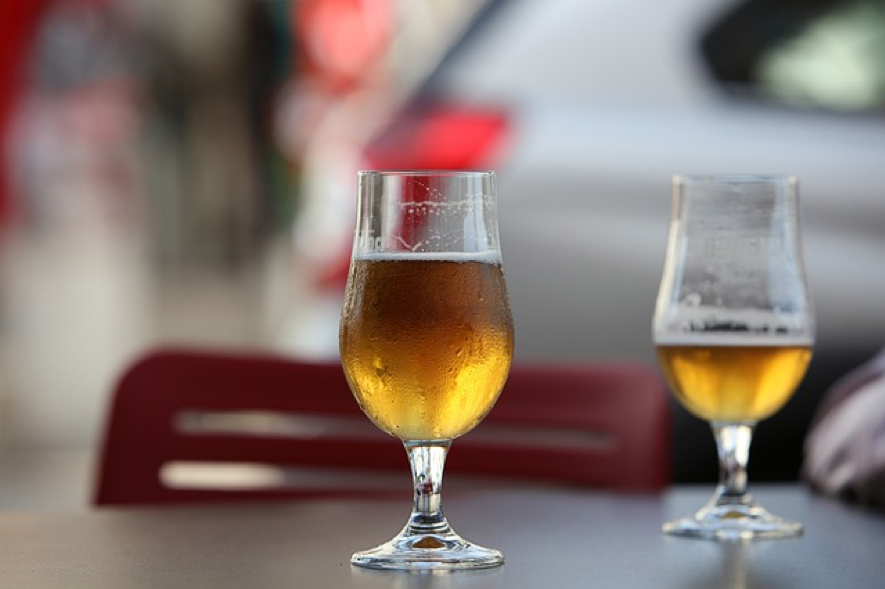
Experts attribute beer’s rising popularity to its affordability and an expanding craft beer market. Credit: Riverso Advertising
Madrid, 25 February 2025 — Spaniards continue to embrace beer over wine, according to the latest Survey on Alcohol and Drugs in Spain (EDADES) released by the Spanish Ministry of Health. The report shows that beer now accounts for nearly half of all alcoholic beverages consumed in the country, highlighting a shift from Spain’s historically wine-centric culture.
Per Capita Consumption Remains Steady
Most Read on Euro Weekly News
The World Health Organization (WHO) estimates that Spain’s adult population consumes between 9 and 10 litres of pure alcohol per capita each year—a figure that has remained relatively stable over the past decade. However, the breakdown of what people are drinking tells a story of changing tastes:
Beer: 40%–50% of total alcohol consumed
Wine: 20%–25% of total alcohol consumed
Spirits: 15%–20% of total alcohol consumed
Experts attribute beer’s rising popularity to its affordability and an expanding craft beer market, especially in major cities like Madrid and Barcelona.
Cocktail Culture Gains Ground
While wine and beer remain staple beverages, cocktails have seen a notable upswing in recent years, particularly in tourist hubs and major urban centres. According to the Spanish Hospitality Federation (Federación Española de Hostelería, FEHR), the number of specialised cocktail bars across the country rose by 30% between 2022 and 2024. Gin & tonics and signature mixed drinks have become increasingly fashionable, with 24% of adults reporting they enjoy cocktails at least once a month.
“We’ve observed a shift toward social experiences in bars offering innovative mixology,” notes Lasse Huss Madsen from Drinkworld.com. “People are looking for something beyond a standard beer or glass of wine, and the market has responded with creative twists on classic cocktails.”
Tradition vs. Modern Drinking Habits
Despite these shifts, Spain still showcases a “Mediterranean” pattern of drinking: moderate consumption with meals, particularly among older Spaniards. But young adults are driving new trends—among them, a persistent culture of botellón, in which groups gather in public squares or parks to drink:
15%–20% of people aged 15–34 report binge drinking at least once a month
National campaigns against underage drinking and excessive intake continue, with updated educational programs in schools and tighter controls on alcohol advertising
Pandemic Aftermath and Beyond
During the height of the COVID-19 pandemic, Spaniards turned to at-home consumption, pushing supermarket beer and wine sales to record highs. As bars and restaurants reopened fully in late 2023, on-premise drinking bounced back, suggesting that “social drinking” traditions remain deeply ingrained in Spanish culture.
“We’re seeing a balancing act,” explains Madsen. “On one hand, people enjoy the conviviality of going out for tapas with a cerveza. On the other, they got used to stocking up at home. The two habits now coexist.”
Ongoing Public Health Debate
Spain’s relatively low taxation on alcohol has kept prices competitive, fuelling concerns about easy access and the potential for problematic drinking. Alcohol-related hospital admissions, especially during weekends, remain a focal point for the Ministry of Health, which plans to introduce new awareness campaigns promoting responsible consumption later this year.
For now, the EDADES report underscores Spain’s evolving relationship with alcohol—where the love for a casual beer in the sun increasingly eclipses the once-dominant tradition of sipping wine with every meal. Still, with over three-quarters of adults admitting to having consumed alcohol in the past year, Spain’s vibrant social drinking culture shows no sign of waning anytime soon.
Sponsored