
“Fresh pasta isn’t nearly as monolithic in texture,” Chris says. That’s because you have more flexibility when choosing your components. In their comprehensive fresh pasta guide, Serious Eats rolled out pasta made with a variety of flours, different egg-to-starch ratios, and using water, egg whites, and egg yolks. The publication’s former editor-in-chief Niki Achitoff-Gray notes that while all-purpose flour makes for great fresh pasta, swapping in finer “00” flour or semolina can make your noodles silkier or rougher.
Of course, one of the key considerations when using fresh pasta is freshness. Fernsebner recommends customers cook her store’s pasta within two days of purchase. If something gets in the way of your plans, there’s always the freezer. “[Fresh pasta] does freeze beautifully,” she added, “the key is to cook it while it’s still frozen in lots of boiling, salty water.”
How to choose the right pasta shape
There are a few things to consider when picking a pasta shape. Namely: How do you want your sauce and pasta to interact? Long noodles like linguine, fettuccine, pappardelle, or tagliatelle are well suited to emulsified sauces like cacio e pepe or alfredo, which will stick to the noodles when twirled on a fork.
Short pastas like fusilli or penne rigate, on the other hand, work better with chunkier sauces. For one, their nooks, crannies, ridges, and holes do a great job picking up large ingredients. Because they’re usually stabbed with a fork or scooped with a spoon, rather than twisted or twirled, it’s more intuitive to pick up other large ingredients in the same way. “Carbonara makes sense on rigatoni or something short and chunky,” said Chris, “since the pieces of cured meat want to be stabbed.” Shell and cup-like shapes, like orecchiette, also take well to heavier sauces as they can cradle ingredients in their cavities.
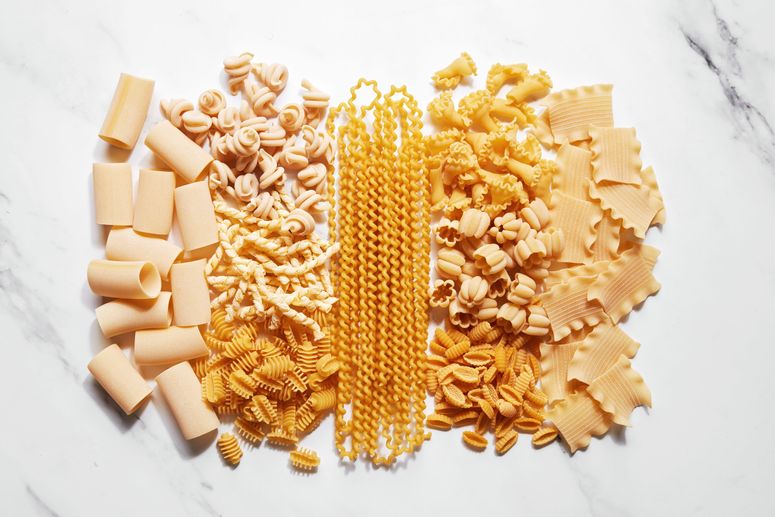 11 Pasta Shapes to Break You Out of Your Penne RutWhat to look for when shopping for dried pasta
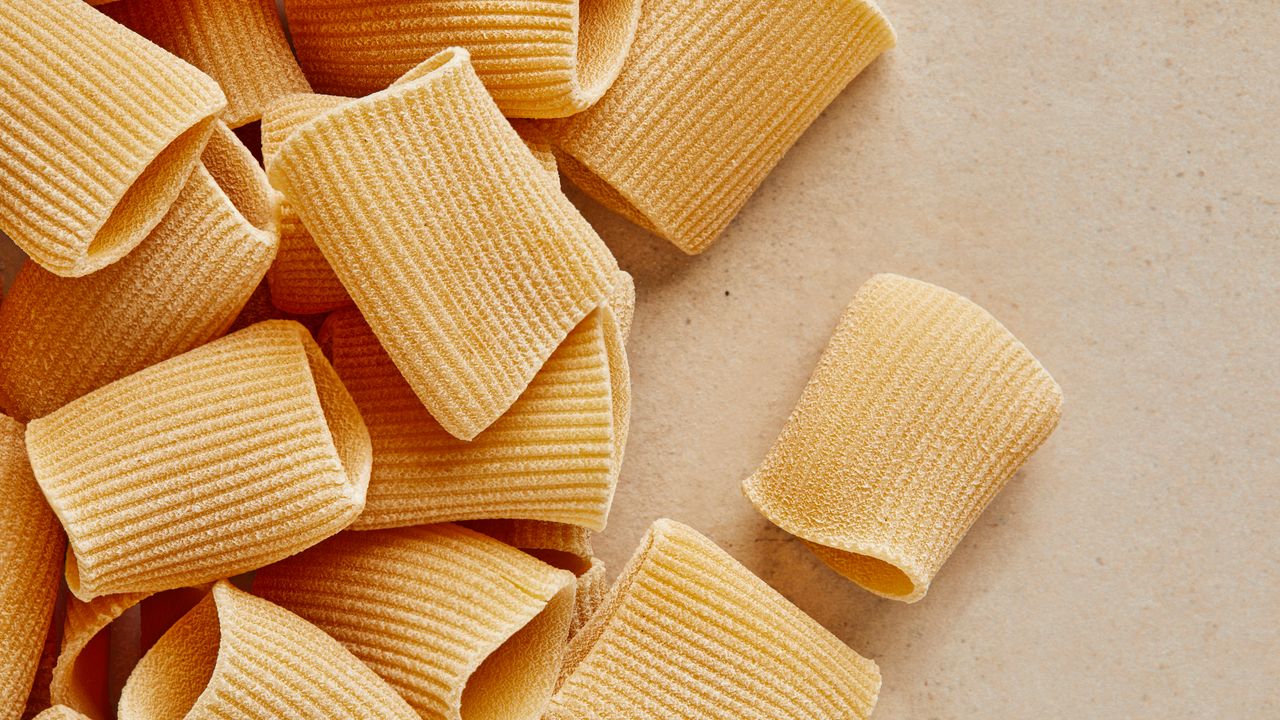
For the quickest upgrade to your Italian pasta dishes, look for good-quality bronze-cut pasta in your local grocery store. Sometimes called bronze-die pasta, bronze-cut pasta is made by pushing the pasta dough through a bronze sheet, also known as a die or die cast, which molds and cuts the pasta into shapes like rigatoni, spaghetti, and fusilli. Pasta extruded through a bronze die has a rough, grainy surface texture. On a microscopic level, those bumps and ridges create nooks and crannies that encourage sauces to grab on.
Other commercial pastas are usually made with Teflon dies, which create a slick, more uniform texture; they’re less porous and have a harder time melding with a sauce. In addition, bronze-cut pasta will more readily lend some of its starch to the pan. This means a bronze-cut bucatini al limone will taste creamier and richer than one made with noodles cut with a Teflon press. Widely available bronze-cut pasta brands include De Cecco and Sfoglini. Other brands, like Barilla, offer both standard and bronze-cut options.
When looking at the ingredients, you’ll see phrases like “durum semolina” (also called “durum wheat semolina” or sometimes just “semolina”), which is more coarse than all-purpose flour, as well as “durum wheat flour,” a finer grind. Our favorite brands tend to be bronze-cut and made with 100% semolina. If you prefer a softer noodle, seek out brands like Barilla and Ronzoni, which use a blend of semolina and durum flour.
Choosing the right pasta for your kitchen is, ultimately, a matter of taste. “I personally don’t believe in any hard or fast rules around this stuff,” Chris told me. So next time you’re shopping for pasta, maybe reach for a new brand, shape, or style. It might end up becoming your favorite.