
Subscribe to our FREE Newsletter, or Telegram and WhatsApp channels for the latest stories and updates.
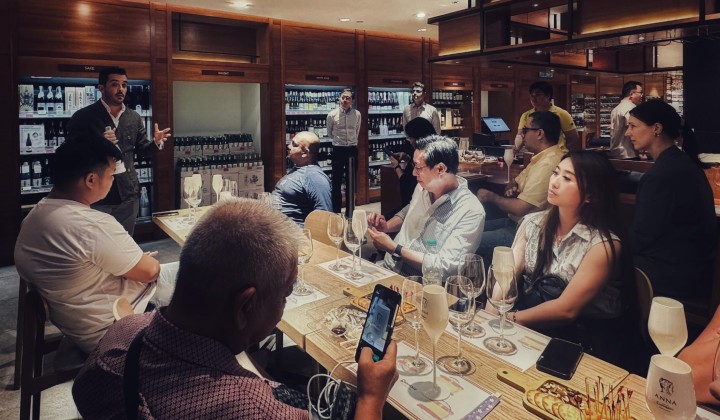
The soft clink of glasses echoed through City Cellar’s intimate space on a recent Wednesday evening, as wine enthusiasts settled into their seats at Isetan Lot 10.
Outside, Bukit Bintang’s neon lights painted the night in familiar hues, but inside, the conversation had already shifted to Spanish terroir and centuries-old winemaking traditions.
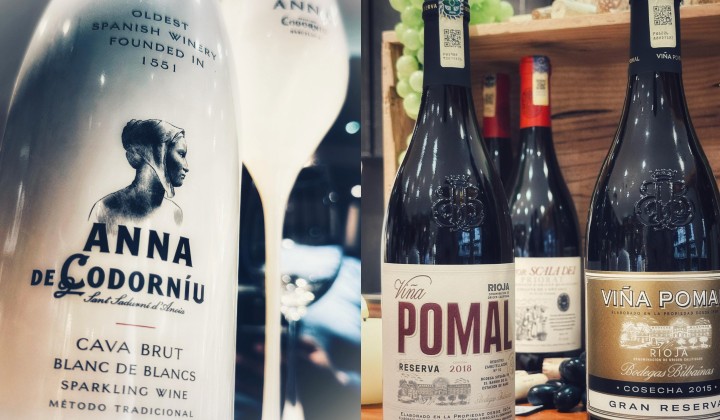
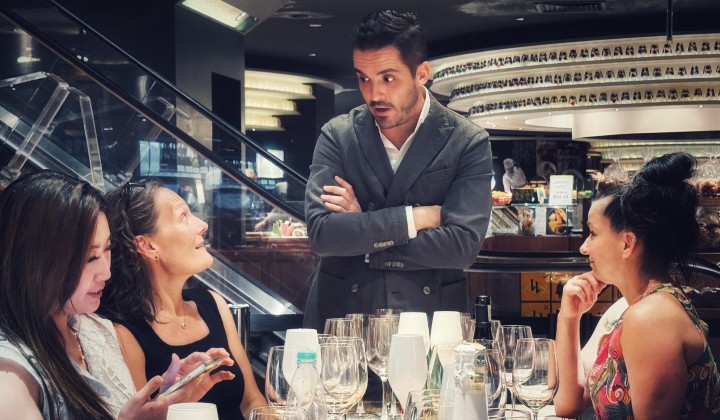
Spanish wine expert Bruno Butragueño, his grey blazer a relaxed contrast to the formal wine bottles lined before him, held up a bottle of Anna de Codorniu Blanc de Blanc.
“This cava comes from Spain’s oldest winery, Codorníu, with a history spanning over 450 years,” he explained to the mixed crowd of expatriates and locals, his accent lending authenticity to each Spanish wine name that rolled off his tongue.
A Journey Through Spanish Regions
The evening unfolded like a geographical tour.
Participants swirled the pale gold cava in their glasses, noting the persistent bubbles that spoke of traditional méthode champenoise.
A participant in the front row nodded approvingly after her first sip, whispering to her companion about the wine’s crisp minerality.
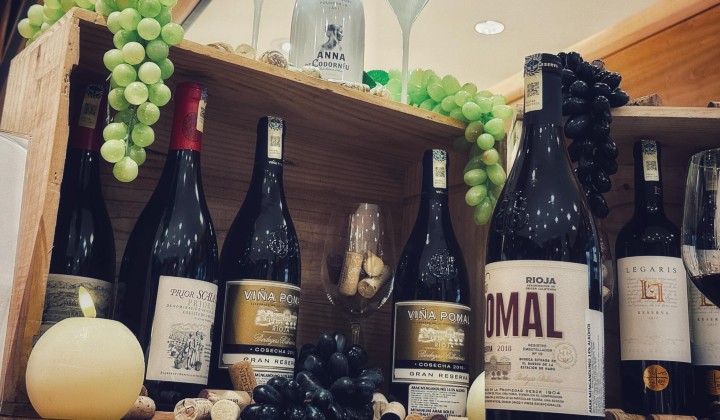
As Butragueño moved through the selection—from the robust Scala Dei Tribut to the elegant Vina Pomal Reserva—the room’s energy shifted.
Conversations grew more animated.
Some scribbled notes about the Legaris Reserva’s dark fruit profile, while a group of friends debated whether the Gran Reserva’s leather and tobacco notes would pair with their favourite Jalan Alor satay.
Beyond the Tasting Notes
What struck attendees wasn’t just the wine quality, but Butragueño’s stories.
His 15 years in Asian markets had taught him to bridge cultural gaps through shared appreciation.
When describing the Rioja region’s oak ageing process, he drew parallels to Malaysian patience in perfecting rendang—both requiring time and tradition to achieve excellence.
Spanish wines tell stories of place, Butragueño explained, pouring the final Gran Reserva.
Each bottle carries the personality of its vineyard, the character of its vintage year.
The deep ruby liquid caught the warm lighting as participants took their time with this final pour, many already calculating which bottles they’d purchase with their RM50 vouchers.
Malaysia’s Wine Scene Comes of Age
The event reflected Malaysia’s evolving wine culture.
Unlike earlier years when sweet wines dominated local preferences, this crowd engaged seriously with complex, dry Spanish varietals.
Questions flew about tannin structures, ageing requirements, and food pairing possibilities.
By 7 PM, as the formal tasting concluded, small groups lingered.
Business cards were exchanged, dinner plans were made, and several participants headed directly to City Cellar’s retail section, vouchers in hand.
The evening had achieved its goal: transforming curiosity into genuine appreciation for Spanish winemaking heritage.
For Malaysian wine enthusiasts, events like these represent more than tastings—they’re cultural bridges, connecting local palates with global traditions, one carefully poured glass at a time.
READ MORE: The Spirit Whisperer: How a Former Teacher Built Malaysia’s Most Personable Whiskey Haven
READ MORE: History In A Glass: America’s Oldest Distilling Traditions Land In Malaysia
READ MORE: A New Chapter In Malaysian Whisky Culture: Compass Box’s Core Collection Makes Its Mark
Share your thoughts with us via TRP’s Facebook, Twitter, Instagram, or Threads.