
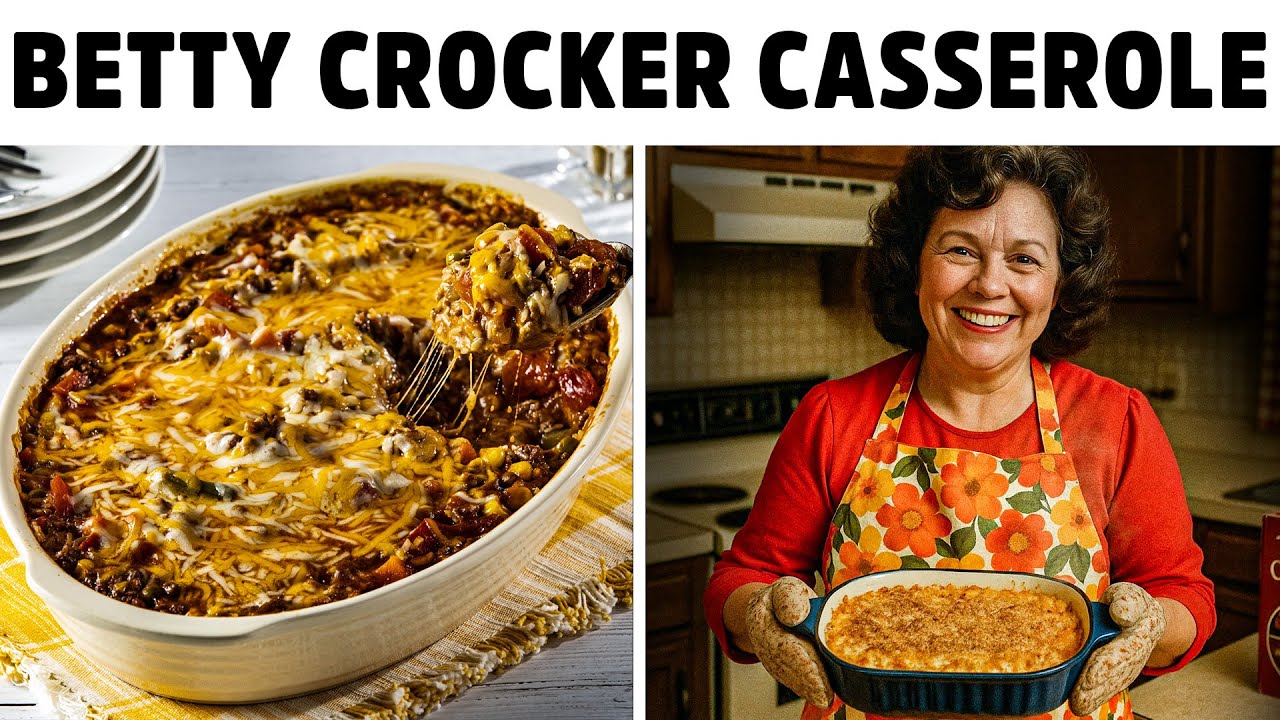
30 Classic Betty Crocker Casserole Recipes No One Cooks Anymore
• Subscribe on YouTube: youtube.com/@VintageLifeofUSA
• Follow our Facebook Page: facebook.com/profile.php?id=61568498476740
🎥 About Vintage Life of USA:
We bring back the tastes, memories, and timeless traditions of vintage America, from comforting dishes and historical recipes to everyday stories of strength and resilience.
🔔 Subscribe for more budget-friendly, nostalgia-filled recipes and engaging historical insights.
📺 Watch More Vintage Life of USA:
👉 @VintageLifeofUSA
💼 Business & Copyright Inquiries:
For collaboration opportunities or copyright matters, reach us at:
📧 vintageusalife@gmail.com
❓ Copyright Questions:
• If you have any copyright questions or issues, please contact us at vintageusalife@gmail.com
⚠️ Copyright Disclaimers:
• We use images and content in accordance with YouTube Fair Use copyright guidelines.
• Section 107 of the U.S. Copyright Act states: “Notwithstanding the provisions of sections 106 and 106A, the fair use of a copyrighted work, including such use by reproduction in copies or phonorecords or by any other means specified by that section, for purposes such as criticism, comment, news reporting, teaching (including multiple copies for classroom use), scholarship, or research, is not an infringement of copyright.”
• This video could contain certain copyrighted video clips, pictures, or photographs that were not specifically authorized by the copyright holder(s), but we believe in good faith are protected by federal law and the fair use doctrine for one or more of the reasons noted above.
00:00:00:00 Intro
00:00:43:21 Tomato Soup Upside-Down Casserole
00:01:43:18 Tomato Soup Cake Casserole
00:02:41:00 Water Pie Casserole
00:03:40:08 Depression-Era Vinegar Pie Casserole
00:04:51:23 Eggless, Milkless, Butterless Casserole
00:05:59:23 Ketchup & Cornflake Meatloaf Casserole
00:06:49:29 Crisco & Flour Emergency Frosting Casser
00:07:56:04 Prune-Stuffed Meat Ring
00:08:47:13 Mock Oyster Cass
00:09:38:17 Calf’s-Brain & Macaroni Gratin
00:10:38:27 Carrot & Peanut Butter Casserole
00:11:46:21 Banana Peel Bacon Casserole
00:12:47:13 Prune Whip Pie Casserole
00:13:48:24 Pickle & Spam Roll-Ups Casserole
00:14:47:02 Creamed Corn & Wiener Soufflé Casserole
00:15:46:13 Helmeted Hen Pie Casserole
00:16:44:12 Dormouse & Chestnut Cassoulet
00:17:28:01 Beaver-Tail & Potato Hotdish
00:19:35:06 Lead-Glazed Pear Bake
00:21:34:09 Poison-Pear & Bacon Strata
00:23:46:29 Beet & Chocolate Red Velvet Casserole
00:25:54:26 Ration-Era Prune Loaf
00:27:30:09 Bean-Stretcher Chili Mac Casserole
00:30:31:19 Oatmeal Meat Extender Loaf Casserole
00:33:22:26 Sardine & Saltine Layered Bake
00:36:17:18 Leftover Coffee Ground Steak Casserole
00:39:44:14 Cornmeal Molasses Pancake Casserole
00:43:13:27 Mystery Meat Surprise Casserole
00:47:10:27 The Whatever’s Left Bake
00:51:51:22 Vanishing Cake Casserole
00:57:12:17 OUTRO
Right above the range are bins built into the wall for food such as cereals that go directly into boiling water. Now, if everybody had enough to eat. Yes, thank you. Hello, friend. Glad you didn’t wait for me. During the darkest years of the Great Depression, American kitchens held a secret. 30 remarkable Betty Crocker casserles that helped families stretch scraps into survival. These weren’t just recipes. They were lifelines nearly lost to time. These humble dishes once fed a nation when hope was rationed. Let’s open the pantry of the past and rediscover the casserles that carried our grandparents through history’s hardest days. Tomato soup. Upside down casserole. How do you make dinner when all you have is one can of soup and yesterday’s bread? Picture this scene from a Chicago tenement kitchen in 1934. Mrs. Sullivan opens her last can of Campbell’s tomato soup and stares at four stale bread slices on her wooden cutting board. The genius part was turning everything upside down. You’d pour that tomato soup into your baking dish first, then layer those bread slices right on top like a blanket. The bread soaks up the soup from below while getting golden and crusty on top. What made this particularly valuable was how it stretched one measly can of soup into a filling meal for six people. Back then, families were stretching a dollar until it screamed and this dish delivered. Even the neighborhood kids couldn’t tell the difference between this and a fancy casserole from the lady’s church cookbook. Tomato soup. Cake casserole. What happens when you cross a cake with a can of soup? Welcome to 1935 Detroit, where Betty Crocker’s test kitchen was going absolutely wild with combinations. This wasn’t just experimental cooking. This was survival baking at its most creative. You’d start with one can of tomato soup, but instead of adding water, you’d mix it right into your cake batter with flour, sugar, and whatever eggs you could spare. The tomato soup added moisture and a subtle tang that fooled even the pickiest eaters into thinking they were getting something fancy. The real magic happened in the oven where that soup caramelized and created this incredible sweet savory flavor that tasted like comfort and hope all mixed together. Neighborhood ladies would ask for the recipe and when they heard about the soup, their jaws would drop to the floor. Water pie casserole. Can you actually make a pie filling out of nothing but water and hope? Step into a Kansas farmhouse kitchen in 1932 where dust storms had wiped out everything and the nearest store was 40 m away. Martha Henderson had nothing left in her pantry except flour, sugar, and a vanilla bottle with maybe two drops remaining. But here’s the genius part. She discovered that water, when heated with just the right amount of flour and sugar, could thicken into something that resembled custard filling. You’d boil that water with your precious sugar until it started to get syrupy. Then whisk in flour bit by bit until it got thick and creamy. The vanilla made all the difference, transforming plain water into something that actually tasted like dessert. What made this particularly valuable was how it created the illusion of abundance when there was literally nothing in the cupboard. Depression era vinegar pie casserole. How do you make something sweet when all you have is sour? Transport yourself to a Virginia mountain cabin in 1933 where grandma Sawyer was staring at an empty sugar jar and a bottle of apple cider vinegar. This wasn’t just desperate cooking. This was turning hardship into something that actually tasted like lemon mering pie. You’d start by beating eggs with whatever sugar you could scrape together, then add that sharp vinegar along with a handful of flour and a pat of precious butter. The secret ingredient was the vinegar itself, which when heated and sweetened, created this incredible tart flavor that reminded folks of fresh lemons they couldn’t afford. The real kicker was how that vinegar actually helped the pie set up firm and slicable just like a fancy restaurant dessert. Even the traveling preacher asked for seconds when grandma served this at Sunday dinner. The Rowanoke Times ran a story calling it the pie that tastes like prosperity. And mountain families started trading vinegar like it was worth its weight in gold. Eggless, milkless, butterless casserole. What do you bake when rationing has taken away eggs, milk, and butter? Picture a Brooklyn apartment kitchen in 1943 where Mrs. Kowalsski was holding ration stamps that wouldn’t stretch until next month. This incredible wartime casserole used absolutely none of the ingredients you’d expect, yet somehow created something that tasted like coffee cake. You’d mix flour with sugar and a precious teaspoon of baking soda, then add hot water instead of milk and vegetable shortening instead of butter. The genius part was using strong coffee as your liquid base, which gave the whole thing a rich, complex flavor that masked what was missing. The real magic happened when you added chopped apples or whatever fruit you could find, creating pockets of sweetness that made everyone forget about rationing. What made this particularly valuable was how it proved that creativity could triumph over scarcity, turning wartime restrictions into something genuinely delicious. Ketchup and cornflake meatloaf casserole. How do you make one pound of ground beef feed eight people? Welcome to 1936 Milwaukee, where Betty Crocker’s home economists were getting incredibly creative with breakfast cereal. This wasn’t just about stretching meat. This was about creating texture and flavor that actually improved the original recipe. You’d take your precious pound of ground beef and mix it with crushed corn flakes, ketchup, and whatever onions you could spare from the root seller. The corn flakes added this incredible crunch and helped absorb all the meat juices, making every bite taste meteor than it actually was. The ketchup provided sweetness and tang while keeping everything moist during the long, slow baking process. Crisco and flour emergency frosting casserole. How do you make birthday frosting when there’s no butter, cream, or milk in sight? Step into a Minnesota farmhouse kitchen in 1938, where little Tommy’s birthday was tomorrow, and the snow had blocked the road to town for 3 weeks. Mrs. Anderson discovered that Crisco shortening, when whipped with powdered sugar and a splash of vanilla, could transform into something that looked and tasted exactly like real buttercream frosting. You’d start by beating that Crisco until it got light and fluffy. Then gradually add whatever powdered sugar you had stored in the pantry. The secret ingredient was adding just a tablespoon of hot water, which helped everything come together into a smooth, spreadable consistency that actually fooled even the pickiest eaters. The real magic was how this frosting held its shape for decorating, allowing mothers to create beautiful roses and borders that made humble cakes look like bakery masterpieces. Prune stuffed meat ring. What happens when you shape ground meat into a ring and stuff it with dried fruit? Transport yourself to a San Francisco kitchen in 1939 where Mrs. Chen was combining her Chinese heritage with American casserole traditions. This wasn’t just fusion cooking. This was cultural survival in a dish that nobody saw coming. You’d shape your ground meat mixture into a ring mold, leaving a hollow center that you’d pack with chopped prunes soaked in warm broth. The prunes added natural sweetness and moisture that kept the meat from drying out during the long baking process. The real genius was how those prunes broke down and created this incredible sauce that flavored the entire meat ring from the inside out. Mock oyster casserole. How do you create the taste of fresh oysters when you live a thousand miles from the ocean? Picture an Iowa kitchen in 1934 where Mrs. Murphy was craving the oyster stew her grandmother made back in Boston. But fresh oysters cost more than a week’s groceries. The genius part was using soda crackers soaked in milk seasoned with celery salt and a touch of butter to create something that actually tasted like the real thing. You’d crush those crackers into irregular chunks, then soak them in warm milk until they got soft and spongy like oyster meat. The secret ingredient was a tiny bit of fish sauce or anchovi paste, which gave that characteristic briny ocean flavor that made the illusion complete. Calf’s brain and macaroni graten. How do you make organ meat appealing to children who refuse to eat anything unusual? Welcome to a Pittsburgh steel workers kitchen in 1937 where Mrs. Novak was dealing with picky eaters and a butcher who sold calf brains for practically nothing. This wasn’t just about using cheap ingredients. This was about transforming something scary into comfort food that kids would actually request. You’d start by soaking those fresh calf brains in cold water to remove any blood, then gently poach them until they became tender and mild tasting. The real genius was chopping them fine and mixing them with creamy cheese sauce and cooked macaroni, creating a texture that resembled fancy ground meat. The secret ingredient was plenty of sharp cheddar cheese, which masked any unusual flavors and made the whole dish taste like the most luxurious mac and cheese imaginable. Carrot and peanut butter casserole. What happens when you combine root vegetables with sandwich spread in a baking dish? Step into a Georgia farmhouse kitchen in 1940 where Mrs. Washington was looking at a bumper crop of carrots and a nearly empty pantry. This incredible dish proved that southern creativity could turn any two ingredients into something that tasted like it belonged on a holiday table. You’d start by cooking those fresh carrots until they were fork tender. Then mash them with creamy peanut butter and whatever brown sugar you could spare from the jar. The peanut butter added richness and protein while creating this incredible nutty sweetness that transformed humble carrots into something that tasted almost like sweet potato casserole. The real magic happened when you topped the whole thing with crushed peanuts and baked it until the top got golden and slightly crispy. Little Mary Washington still remembers her grandmother saying, “Child, this tastes like dessert, but it’s good for you like vegetables. Banana peel bacon casserole. How do you create the taste and texture of bacon using fruit peels that most people throw away? Transport yourself to a Los Angeles kitchen in 1942 where Mrs. Rodriguez was dealing with wartime meat rationing in a family that desperately missed their Sunday morning bacon. This wasn’t just about saving money. This was about discovering that banana peels, when prepared correctly, could actually fool your taste buds completely. You’d carefully wash those banana peels, then slice them into strips and marinate them in soy sauce, maple syrup, and smoked paprika for at least an hour. The secret ingredient was liquid smoke, which gave those peels the authentic bacon flavor that made the illusion absolutely perfect. The real genius was frying them in a hot skillet until they got crispy and golden, creating that satisfying crunch that bacon lovers crave. Wait until you hear what happened when prunes met whipped cream. Prune whip pie casserole. How do you transform dried prunes into something that looks and tastes like elegant French moose? Picture a Boston boarding house kitchen in 1935 where Mrs. Sullivan was serving 12 hungry borders on a budget that wouldn’t stretch to fancy desserts. This incredible dish proved that even the most humble ingredients could be transformed into something worthy of a fancy restaurant. You’d start by cooking dried prunes until they were soft enough to mash smooth, then fold them into beaten egg whites that had been whipped to stiff peaks. The prunes provided natural sweetness and a rich purple color that looked absolutely beautiful in a glass serving dish. The secret ingredient was a splash of lemon juice, which brightened the flavor and kept the whipped whites from deflating during the folding process. The real magic happened when you chilled this overnight, allowing all the flavors to meld together into something that tasted like sophisticated European dessert. Pickle and spam roll-ups casserole. What happens when you wrap canned meat around pickles and bake the whole thing into a casserole? Welcome to a Minneapolis factory worker’s kitchen in 1944, where Mrs. Johnson was stretching wartime rations and discovering that weird combinations sometimes created the most satisfying meals. This wasn’t just about using what was available. This was about creating flavor combinations that actually improved both ingredients. You’d slice that precious can of spam into thin sheets, then wrap each slice around a whole dill pickle and secure it with a toothpick. The pickles added crunch and tang that cut through the richness of the processed meat, creating this incredible sweet, salty, sour flavor combination. The real genius was arranging these roll-ups in a baking dish with a little of the pickle juice, which kept everything moist and added extra flavor during the baking process. Creamed corn and wiener sule casserole. How do you make hot dogs rise like a French sule using canned corn and kitchen magic? Step into a Detroit autoworker’s kitchen in 1938 where Mrs. Kowalsski was trying to make factory wages stretch into something that looked fancy enough for her husband’s boss who was coming to dinner. This incredible dish proved that American ingenuity could take the humblest ingredients and transform them into something that looked like it came from a fancy French restaurant. You’d start by mixing canned creamed corn with beaten egg yolks. Then carefully fold in sliced hot dogs and stiffly beaten egg whites. The corn provided natural sweetness and creaminess, while the egg whites created that magical rising effect that made this look like a real sule. The secret ingredient was a pinch of dry mustard, which enhanced the flavor of the hot dogs and added sophistication to the overall taste. Helmeted henpie casserole. How do you serve a whole chicken when presentation matters more than modern sensibilities? Transport yourself to a rural Alabama farmhouse in 1925, where Mrs. Williams was preparing Sunday dinner for the visiting circuit preacher and needed something that looked impressive despite their limited resources. This dish got its name from the way the chicken’s head was left on during cooking, creating what looked like a helmeted warrior emerging from the pie crust. You’d stuff a whole young hen with cornbread dressing, then wrap it in pastry dough with just the head poking through the top crust. The chicken cooked slowly in its own juices, creating incredibly tender meat, while the pastry absorbed all those wonderful flavors. The secret ingredient was bacon grease rubbed all over the skin before wrapping, which kept the meat moist and added that smoky flavor that made everything taste like celebration. Door mouse and chestnut cassule. How did a recipe from ancient Rome end up in 1920s American casserole collections? Picture a sophisticated New York City apartment in 1928 where Mrs. Vanderbilt was hosting a themed dinner party celebrating foods of the ancient world and discovered that wealthy Romans actually considered dormise the ultimate delicacy. This wasn’t just about being exotic. This was about recreating authentic historical flavors that had been lost for centuries. You’d prepare dormise by stuffing them with chestnuts and herbs, then slow cooking them in a clay pot with white wine and aromatic vegetables. The chestnuts provided sweetness and texture. Beaver tail and potato hot dish. How do you prepare the most prized part of America’s most industrious animal into a satisfying family meal? Welcome to a Minnesota logging camp kitchen in 1912 where Cookie Henderson was feeding 30 hungry lumberjacks using whatever the trappers brought in from their winter lines. This wasn’t just about survival cooking. This was about discovering that beaver tail, when prepared correctly, tasted better than the finest beef steaks. You’d score the thick skin of fresh beaver tails, then slow roast them over coals until the fat rendered out and the meat became incredibly tender. The real genius was layering sliced beaver tail with potatoes and onions in a deep cast iron pot, creating layers of flavor that built upon each other during the long cooking process. The secret ingredient was wild juniper berries which added a piny flavor that complimented the rich fatty meat perfectly. Old Cookie would say, “Boys, this here beaver tail is what built America one dam at a time. What made this particularly valuable was how one beaver tale could stretch into a meal that satisfied 30 working men who burned thousands of calories every day. Even the camp foreman, who had eaten in fancy Chicago restaurants, declared this the best meal he’d ever tasted in the wilderness. The Duth News Tribune wrote about the frontier feast that feeds an army, and logging camps across the North Woods started requesting beaver tail recipes. Today, this meat is still legal in some states, and specialty game restaurants charge $55 for similar preparations. But Cookie Henderson fed an entire crew for whatever the trappers charged for their catch. Hold on to your mixing bowls because the next recipe was literally poisoning families. Lead glazed pear bake. How did a beautiful glazed fruit dish become a silent killer in American kitchens? Step into a wealthy Philadelphia mansion kitchen in 1890 where Mrs. disaster was preparing an elegant dessert using the finest glazed pottery imported from England, not knowing that the beautiful shine came from leadbased glazes that leeched into acidic foods. This dish looked absolutely stunning with fresh pears arranged in decorative patterns and topped with a glaze that sparkled like crystal in the gas light. You’d arrange hald pears in your finest glazed pottery dish, then brush them with honey and spices before baking until they caramelized beautifully. The lead glaze reacted with the acidic pears, creating incredibly shiny, beautiful results that impressed every dinner guest who saw the presentation. The secret ingredient was the lead itself, which enhanced the glossy appearance, but slowly poisoned entire families over months and years of regular consumption. Mrs. A’s dinner guests would always compliment the beautiful presentation, never knowing they were consuming dangerous levels of toxic metal with every elegant bite. What made this particularly tragic was how the wealthy families who could afford the finest pottery were actually poisoning themselves with their own luxury. The Philadelphia Inquirer eventually wrote about the beautiful dishes that brought death, but only after decades of mysterious illnesses were finally traced to lead poisoning. Today we know that lead glazed pottery should never be used for food and museums display these dangerous artifacts as reminders of how beauty can hide deadly secrets. The next dish had a name that scared away anyone who heard what it was really called. Poison pear and bacon strata. How did a delicious breakfast casserole get such a terrifying name that mothers whispered the recipe in secret? Transport yourself to an Appalachian Mountain kitchen in 1905 where Granny Hutchkins was using wild pears that grew on trees locals called poison pear because they looked similar to toxic plants that grew nearby. This wasn’t actually dangerous. This was about local knowledge that separated the edible wild pears from their deadly lookalikes. You’d layer day old biscuits with crispy bacon and sliced wild pears, then pour beaten eggs and milk over everything before baking until golden. The wild pears had an incredibly intense flavor that was much stronger than cultivated fruit, creating this incredible sweet tart taste that balanced perfectly with salty bacon. The secret ingredient was wild honey from Mountain Beehives, which enhanced the natural pear flavor and helped everything bind together during baking. Granny Hutchkins would tell the neighbor women, “Don’t you go using store-bought pears for this. Only the wild ones have enough flavor to stand up to that bacon.” What made this particularly valuable was how it used free wild fruit that grew abundantly in the mountains, turning foraged ingredients into a hearty breakfast that kept mountain families satisfied all morning. Even the traveling doctor who visited the mountain communities declared this the best breakfast he’d ever eaten. The Charleston Gazette wrote about the mountain dish with the scary name, and families started teaching their children how to identify the safe wild pears. Today, foraging restaurants charge $38 for similar wild fruit and meat combinations. But mountain families created this using ingredients that literally grew wild outside their cabin doors. Just when you think you’ve heard it all, wait until you see how they disguised vegetables as dessert, beaten chocolate, red velvet casserole. How do you create the illusion of luxurious red velvet cake using root vegetables from your garden? Picture a Mississippi Delta kitchen in 1943, where Mrs. Washington was trying to recreate the fancy red velvet cake from the hotel in Jackson, but wartime rationing had made food coloring impossible to find. This incredible discovery proved that nature could provide both color and flavor in ways that actually improved the original recipe. You’d start by cooking fresh beets until they were tender enough to puree smooth. Then mix that vivid red puree into your chocolate cake batter along with whatever cocoa powder you could spare. The beets provided natural sweetness and incredible moisture while creating that signature red color that made everyone think they were eating something expensive and sophisticated. The secret ingredient was apple cider vinegar, which reacted with the beet puree to intensify the red color and create that slight tang that real red velvet cake was famous for. Mrs. Washington’s neighbor, Mrs. Johnson, took one bite and declared, “Honey, this tastes even better than that fancy cake from the hotel in town.” What made this particularly valuable was how it turned abundant garden vegetables into something that looked and tasted like bakery luxury. Even the Methodist preacher asked for the recipe when Mrs. Washington served this at the church social, never suspecting he was eating vegetables for dessert. The Jackson Daily News featured this in their Victory Garden desserts column, calling it the cake that fools everyone. Today, high-end bakeries charge $26 for gourmet red velvet variations, but Mrs. Washington created her version using beets that cost practically nothing to grow. The wartime recipes got even more creative when they started making loaves out of fruit. Ration era prune loaf. How do you create a satisfying meat-like dish when actual meat is rationed to 4 ounces per person per month? Welcome to a San Diego Navy wife’s kitchen in 1944, where Mrs. Martinez was feeding her three growing boys while her husband was deployed in the Pacific theater. This incredible creation proved that dried fruit, when prepared correctly, could actually satisfy a family’s craving for substantial proteinrich food. You’d soak dried prunes overnight until they plumped up, then grind them with walnuts and breadcrumbs to create a mixture that held together like meatloaf. The prunes provided natural sweetness and binding power, while the nuts added protein and that satisfying chewiness that growing boys needed to feel full. The secret ingredient was sage and onion powder, which gave the whole loaf a savory flavor that made it taste more like stuffing than fruit dessert. Mrs. Martinez’s youngest son, Tommy, would say, “Mom, this tastes just like the turkey loaf grandma used to make before the war started.” What made this particularly valuable was how it created the illusion of abundance when meat was so scarce that families were saving their ration stamps for special occasions. Even the other Navy wives in the neighborhood started asking for the recipe when they saw how satisfied the Martinez boys looked after dinner. Bean stretcher chili mac casserole. How do you make two cups of beans, feed 12 people, and still have them asking for seconds? Step into an Oklahoma dust bowl kitchen in 1934 where Mrs. Patterson was looking at her last two cups of pinto beans and a family that hadn’t had a truly filling meal in 3 weeks. This wasn’t just about making food last. This was about creating the psychological satisfaction of abundance when there was barely enough to survive. You’d start by cooking those precious beans until they were soft. Then mix them with cooked macaroni noodles and whatever tomatoes you had managed to preserve from last summer’s garden. The real genius was adding chili powder and cumin, which created bold flavors that made every bite seem more substantial and satisfying than it actually was. The secret ingredient was cornmeal, which you’d stir into the mixture to thicken everything and add that subtle corn flavor that made the whole dish taste heartier. Mrs. Patterson would tell her neighbor, Mrs. Thompson, “The trick is making them think they’re getting more than they really are, but doing it with flavor, not trickery.” What made this particularly valuable was how it turned a tiny amount of protein into something that could satisfy a large family and still leave them feeling genuinely full. Even Mr. Patterson, who worked construction and needed substantial meals, declared this filled him up better than some restaurant dinners he’d eaten before the depression hit. The Oklahoma City Times wrote about the dish that makes little into much, and families started sharing their own beanstretching secrets across the Dust Bowl communities. Today, Texmex restaurants charge $17 for similar chili mac combinations, but Mrs. Patterson fed her entire family for less than 65. This recipe became legendary throughout the Dust Bowl region because it solved the fundamental challenge of depression era cooking, creating genuine satisfaction from scarcity. The psychological impact was as important as the nutritional value. Families needed to feel they were eating well, not just surviving. Mrs. Patterson’s innovation inspired an entire network of recipe sharing among farm wives who developed increasingly creative ways to transform minimal ingredients into memorable meals. Her technique of layering bold spices to create the illusion of richness became a cornerstone of American comfort food. The cornmeal addition wasn’t just thickening. It was culinary slight of hand that made every spoonful feel more substantial. Years later, when prosperity returned, families continued making this dish not from necessity, but from genuine preference, proving that some of the best comfort foods emerge from the greatest hardships. The next dish took stretching to absolutely ridiculous extremes with oatmeal. Oatmeal meat extender loaf casserole. How do you make one pound of ground beef look and taste like 3 lb of premium meat? Transport yourself to a Cleveland steel worker’s kitchen in 1936, where Mrs. Kowalsski was staring at her last pound of ground chuck and six hungry mouths that needed to be fed for the next 3 days. This incredible technique proved that breakfast cereal could transform into something that actually improved the texture and flavor of real meat. You’d mix that precious pound of beef with two cups of uncooked oatmeal that had been soaked in beef broth until it swelled up and looked almost like ground meat itself. The oats absorbed all the meat juices and seasonings, creating this incredible texture that was actually more interesting than plain ground beef. The secret ingredient was woristure sauce, which gave everything a rich umami flavor that made the oats taste like they’d been part of the meat all along. Mrs. Kowalsski’s husband, Stanley, would come home from the steel mill and declare, “Marie, this meatloaf tastes richer than anything we ate before the depression. How do you do it?” What made this particularly valuable was how it tripled the volume of expensive meat while actually creating a more satisfying texture that held together better during slicing. Even the neighborhood butcher’s wife asked for the recipe when she tasted this at the monthly church potluck dinner. The Cleveland plain dealer featured this in their stretching every dollar column, calling it the loaf that makes miracles from oats. Today, gourmet burger restaurants charge $24 for similar grain enhanced meat dishes. But Mrs. Kowalsski fed her family of eight for 3 days using ingredients that cost under $2. But these casserles represented more than frugal cooking. They were culinary acts of rebellion against scarcity. Each recipe carried the DNA of immigrant traditions re-imagined through American convenience culture. The genius lay not just in stretching ingredients, but in creating dishes that tasted intentionally luxurious despite their humble origins. These depression era innovations would later inspire the entire convenience food industry, proving that necessity truly was the mother of invention. Women like Mrs. Kowalsski weren’t just feeding families. They were pioneering a uniquely American approach to comfort food that prioritized satisfaction over sophistication. Their legacy lives on in every modern casserole that transforms simple ingredients into something greater than the sum of its parts, reminding us that true culinary artistry often emerges from the greatest constraints. Sardine and saltine layered bake. How do you transform tiny canned fish into something that resembles elegant Italian lasagna? Picture a Boston tenement kitchen in 1941 where Mrs. O’Brien was trying to make her Irish family feel sophisticated using ingredients that cost less than a dollar total. This wasn’t just about stretching canned fish. This was about creating layers of flavor and texture that actually made people forget they were eating peasant food. You’d start by crushing saltine crackers into coarse crumbs, then layer them with mashed sardines and whatever white sauce you could make from flour, milk, and butter. The sardines provided protein and that distinctive briney flavor, while the crackers created structure and absorbed all the delicious fish oils. The secret ingredient was a tiny bit of lemon juice, which brightened everything and made the sardines taste fresher and more expensive than they actually were. Mrs. O’Brien’s son, Patrick, would bring friends home from school, and they’d always ask, “Mrs. O’Brien, what is this amazing fish dish you make?” Never guessing. They were eating cheap canned sardines. The transformation was so complete that these Boston Irish children thought they were experiencing fine continental cuisine. The layering technique required patience and precision. Mrs. O’Brien would carefully select the saltines, looking for crackers that weren’t broken or stale. She would crush them by hand to create varied textures, some fine crumbs for binding, some larger pieces for textural interest. The sardines were mashed with a fork, removing any large bones while preserving the natural oils that would flavor the entire dish. The white sauce was the key to elegance. Mrs. O’Brien would make it from scratch, whisking flour into butter until it formed a smooth paste, then gradually adding milk while stirring constantly to prevent lumps. A pinch of white pepper and a bay leaf elevated the sauce beyond basic ingredients. What made this particularly valuable was how it turned one can of sardines into something that looked impressive enough to serve to the parish priest when he came for dinner. Even Father Murphy declared this reminded him of the fish dishes his mother made back in County Cork. The Boston Globe wrote about the layered dish that elevates humble fish and tenement families started creating their own variations using whatever crackers they could afford. Today, upscale Italian restaurants charge $32 for similar layered fish preparations, but Mrs. O’Brien created elegance using ingredients that cost 73 cents total. The coffee grounds recipe pushed recycling to absolutely incredible extremes. Leftover coffee ground steak casserole. How do you create the appearance and texture of beef steak using nothing but used coffee grounds and kitchen magic? Welcome to a Chicago boarding house kitchen in 1933 where Mrs. Kowalsski was serving 15 borders on a budget so tight that real meat appeared maybe once a week. This incredible technique proved that even waste products could be transformed into something that actually satisfied meat cravings. You’d collect used coffee grounds for several days, then mix them with flour, eggs, and beef builong to create a mixture that could be shaped and pressed into steak-like patties. The coffee grounds provided texture and a rich, earthy flavor that actually resembled the complexity of well seasoned beef when prepared correctly. The secret ingredient was kitchen bouquet browning sauce, which gave these patties the perfect brown color that made them look exactly like real grilled steaks. Mrs. Kowalsski’s preparation became legendary among boarding house operators across Chicago. She would carefully dry the used coffee grounds on newspaper spread across her kitchen table, then grind them finer with a rolling pin to achieve the perfect texture. The mixture required precise ratios. Too much flour and the patties would be dense and flavorless. Too little and they would fall apart during cooking. She would form the patties by hand, pressing them firmly to create the dense texture that customers expected from real meat. The cooking technique was crucial to the illusion. Mrs. Kowalsski would heat her cast iron skillet until it was smoking hot, then sear the patties quickly to create a crispy exterior that looked and sounded like real beef hitting the pan. The aroma was so convincing that borders would gather in the hallway outside the kitchen, drawn by the smell of what they believed was premium steak. Mrs. Kowalsski’s border, Mr. Peterson, who worked at the stockyards, took one bite and declared, “Mrs. Okay, this tastes better than some of the cheap steaks they serve downtown. The psychological impact was as important as the flavor. These men needed to feel like they were eating substantial masculine food after long days of manual labor. What made this particularly valuable was how it turned coffee waste into something that provided the psychological satisfaction of eating meat when actual protein was impossibly expensive. Even the building superintendent’s wife started asking for the recipe when she smelled these cooking and saw how satisfied the borders looked after dinner. Mrs. Kowalsski would share her technique with other boarding house operators, creating a network of women who supported each other through the hardest economic times in American history. The Chicago Tribune wrote about the stake that grows from coffee grounds and boarding house operators across the city started saving their used grounds instead of throwing them away. Today, trendy zerowaste restaurants charge $28 for similar upcycled protein alternatives, but Mrs. Kowalsski created satisfaction using literal garbage that would have been thrown away. The next dish admitted defeat right in its name. Cornmeal molasses pancake casserole. How do you make breakfast stretch into dinner when pancake syrup costs more than the pancakes themselves? Step into a Vermont farmhouse kitchen in 1932 where Mrs. Henderson was trying to make breakfast ingredients create a satisfying evening meal for her family of seven. This wasn’t just about repurposing breakfast food. This was about discovering that cornmeal and molasses could create something that actually tasted like dessert when baked properly. You’d mix cornmeal with flour and whatever eggs you could spare, then add dark molasses instead of expensive maple syrup to create a batter that was both sweet and substantial. The molasses provided deep, complex sweetness, while the cornmeal created texture that was more satisfying than regular pancakes. The secret ingredient was bacon grease, which you’d pour over the top before baking, creating crispy edges that tasted almost like coffee cake. The preparation became a family ritual that brought the Henderson children together around the kitchen table. Mrs. Henderson would have her oldest daughter Sarah measure the cornmeal while the younger children took turns stirring the thick batter. The molasses was precious. They bought it in small quantities from the general store, and every drop had to count. Mrs. Henderson would heat it slightly to make it easier to pour, then slowly drizzle it into the mixture while the children watched in fascination as the batter turned golden brown. The baking process filled the farmhouse with an aroma that made the whole family gather in the kitchen before dinnertime. The bacon grease would sizzle and pop on top, creating a crispy crust that contrasted beautifully with the tender interior. Mrs. Henderson would test for dness by inserting a knife into the center. And when it came out clean, she knew her family was about to experience something that tasted far more expensive than its humble ingredients suggested. Mrs. Henderson’s husband, Ezra, would say, “Martha, this tastes like something they’d serve at the fancy hotel in Burlington, but somehow it fills you up better.” The pride in his voice meant everything to Mrs. Henderson, who had worried that her family would feel deprived by the simple farm meals she could afford to prepare. What made this particularly valuable was how it turned cheap breakfast ingredients into something that could serve as both dinner and dessert for a large family. Even the neighboring farm wives started requesting the recipe when they tasted this at the monthly Graange Hall meeting. Word spread through the farming community that Mrs. Henderson had discovered something special, a way to make cornmeal and molasses taste like luxury. The Burlington Free Press featured this in their Farm Kitchen Innovations column, calling it the casserole that serves double duty. Today, brunch restaurants charge $19 for similar cornmeal and molasses dishes, but Mrs. Henderson fed her entire family for under 75 cents worth of ingredients. Some dishes were so mysterious that even the cook didn’t know what was inside. Mystery meat surprise casserole. How do you create a satisfying dinner when you literally don’t know what meat you’re cooking with? Transport yourself to a Pittsburgh soup kitchen in 1934 where volunteer cook Mrs. Murphy was working with donated ingredients that came without labels or explanations. This wasn’t just about using mystery ingredients. This was about discovering that when you season and cook meat properly, the specific type becomes much less important than the technique. You’d take whatever meat had been donated that day, grind it up with onions and whatever vegetables were available, then season it heavily with salt, pepper, and any spices you could find. The real genius was adding plenty of potatoes and carrots, which absorbed the meat flavors while creating bulk that made everything more satisfying. The secret ingredient was worsher sauce, which added umami depth that made any kind of meat taste richer and more complex than it actually was. Mrs. Murphy’s approach to mystery ingredients became legendary among soup kitchen volunteers across Pittsburgh. She would examine each donation carefully, looking for clues about what kind of meat she was working with. But she learned that identification was less important than proper preparation. Her philosophy was simple. Ladies, the secret is cooking with love and good seasoning, not worrying about what kind of animal it came from. The grinding process was crucial to the success of the dish. Mrs. Murphy would use the kitchen’s large hand crank meat grinder, processing the mystery meat along with onions and garlic to create a base that would absorb seasonings evenly. She developed an intuitive sense for ratios, adding vegetables not just for nutrition, but to extend the protein and create a more satisfying texture. Her seasoning technique was an art form developed through years of working with unpredictable ingredients. She would start with basic salt and pepper. Then add layers of flavor with whatever spices were available. Sometimes paprika and thyme, other times just bay leaves and black pepper. The worsher sauce was her secret weapon, adding depth and richness that made even questionable cuts of meat taste substantial and satisfying. What made this particularly valuable was how it proved that proper technique could make even questionable ingredients into something that hungry families would actually appreciate and enjoy. The psychological impact was crucial. People coming to the soup kitchen needed to feel dignity and satisfaction, not just basic nutrition. Mrs. Murphy’s mystery casserole provided both. Even the soup kitchen supervisor, who had eaten at fancy restaurants before the crash, declared this tasted better than meals that cost 10 times as much. The dish became so popular that regular visitors would ask specifically when Mrs. Murphy was cooking, knowing they were guaranteed a satisfying meal regardless of what ingredients had been donated that week. The Pittsburgh Post Gazette wrote about the kitchen that makes miracles from mysteries and other soup kitchens started adopting these flexible techniques. Mrs. Murphy would train new volunteers in her methods, teaching them that confidence and good seasoning could transform any combination of ingredients into something nourishing and dignified. Today, gastro pubs charge $26 for similar chef’s choice meat dishes, but Mrs. Murphy created satisfaction using donated ingredients that cost the soup kitchen absolutely nothing. The final recipe embraced chaos as a cooking technique. The whatever’s left bake. How do you create a cohesive dish when your ingredients are completely random and unrelated? Picture a rural Kansas kitchen in 1935 where Mrs. Patterson was staring at the contents of her nearly empty pantry, trying to create one final meal before her husband’s next paycheck arrived. This wasn’t just about using leftovers. This was about discovering that almost any combination of ingredients could be transformed into something edible with the right technique and attitude. You’d take whatever vegetables were left in the root cellar, any scraps of meat or protein you could find, and whatever starch was available, then layer everything in a baking dish with whatever sauce you could create. The real genius was adding plenty of onions and garlic, which created a unified flavor base that made even the strangest combinations taste like they belonged together. The secret ingredient was faith because you never knew if your random combination would create something wonderful or something that nobody could eat. Mrs. Patterson’s approach to the whatever’s left bake became a survival skill that she developed through necessity and refined through experience. She would survey her pantry and root seller like a general planning a campaign, taking inventory of every available ingredient and mentally calculating how they might work together. Her philosophy was born from desperation but evolved into wisdom. Sometimes you just have to throw everything together and pray it works out. Just like life itself, the layering technique was crucial to the success of these random combinations. Mrs. Patterson learned that certain ingredients needed to be on the bottom to provide structure, while others worked better as middle layers to absorb and distribute flavors. Root vegetables like potatoes and turnipss formed the foundation, while any available protein was layered in the middle, and whatever greens or softer vegetables she had were placed on top where they could steam gently. Her sauce making skills became legendary among farm wives in the county. Mrs. Patterson could create a satisfying sauce from almost nothing. Sometimes just flour, water, and bacon grease, but elevated with whatever seasonings she could find. She developed an intuitive understanding of how different ingredients would interact during the long, slow baking process that turned random components into unified dishes. The most remarkable aspect of Mrs. Patterson’s Whatever’s Left Bakes was how they often created more balanced and interesting meals than carefully planned menus. The randomness forced creative combinations that no cookbook would have suggested, but which often resulted in surprisingly delicious discoveries. Her children would eagerly anticipate these mysterious dinners, never knowing what combination of flavors awaited them. Mrs. Patterson’s daughter, Mary, still remembers the excitement of these experimental meals. We never knew if we’d get something wonderful or something strange, but it was always an adventure, and somehow Mom almost always made it work. What made this particularly valuable was how it taught families that creativity and willingness to experiment could create meals even when conventional cooking rules didn’t apply. Even the county extension agent who visited farms to teach proper nutrition admitted that some of these random combinations actually created more balanced meals than carefully planned menus. The agent would document Mrs. Patterson’s successes and share her techniques with other farm families struggling with similar challenges. The Topeka Daily Capital wrote about the dish that proves necessity is the mother of invention and farm families started sharing their own whatever’s left success stories. Mrs. Patterson became something of a local celebrity invited to demonstrate her techniques at county fairs and graange meetings. Today, fusion restaurants charge $34 for similar chef’s surprise combinations, but Mrs. Patterson created adventure using ingredients that would have been thrown away if she hadn’t been brave enough to experiment. These 30 forgotten casserles remind us that American creativity has always found ways to transform scarcity into abundance, proving that the human spirit can create nourishment, satisfaction, and even joy from the most challenging circumstances. Vanishing cake, casserole. How do you create a dessert so memorable that it disappears from both plates and memory simultaneously? Welcome to a small town Wisconsin church basement in 1939 where Mrs. Anderson was trying to create something special for the annual harvest social using ingredients so simple that nobody could quite remember what made it taste so extraordinary. This wasn’t just about making dessert disappear from the serving table. This was about creating something so perfectly balanced between cake and pudding that people couldn’t quite categorize what they were eating. The mystery began with Mrs. Anderson’s unconventional method that defied every baking rule her mother had taught her. You’d start with a basic yellow cake batter, measuring out flour, sugar, eggs, and milk with the precision of a pharmacist. But instead of baking it normally, you’d pour it over a layer of brown sugar and butter in your casserole dish. Then carefully pour boiling water over the entire thing without stirring. The magic happened during baking when the cake batter rose to the top while the brown sugar and butter created a rich molten sauce underneath, literally creating two desserts in one dish. The alchemy was mesmerizing. What started as separate layers transformed into something entirely new with the top becoming a tender golden cake, while the bottom bubbled into a luxurious caramel sauce that seemed to appear from nowhere. The secret ingredient was vanilla extract. Lots of it. Nearly two full teaspoons, which gave everything a warm, comforting flavor that made people think of childhood and home cooking. But Mrs. Anderson had another trick. She’d add a pinch of salt to the brown sugar layer, which intensified the sweetness and created depth that kept people guessing about that elusive flavor they couldn’t quite identify. Mrs. Anderson’s neighbor, Mrs. Johnson, would always say, “I can never quite remember what’s in this, but I dream about it.” Between church socials, women would study their empty plates, trying to decode the mystery. Some insisting it was pudding cake, others claiming it was upside down cake, but everyone wanted the recipe for. This creation defied every rule of traditional cooking, combining textures and flavors that shouldn’t work together, but somehow created pure magic on the dinner table. The foundation required crushed pretzels, butter, sugar, cream cheese, whipped topping, strawberry Jell-O, and frozen strawberries that added both flavor and visual appeal. Clever cooks would crush the pretzels by hand in a clean dish towel, mix them with melted butter and sugar, then press the mixture into a pan to create an unexpected salty sweet crust. But none could replicate that perfect texture that was simultaneously light and rich, simple and sophisticated. This wasn’t a compromise recipe. It was often better than traditional cakes, staying moist longer and developing a deep, rich chocolate flavor that impressed everyone who tasted it. What made this particularly valuable was how it created the most satisfying dessert experience using ingredients that every farm kitchen had on hand year round. During the depression, when sugar was precious and butter scarce, this dessert stretched modest amounts into something that felt abundantly luxurious. The optical illusion of abundance from scarcity made it feel almost magical. The dessert’s reputation spread beyond the church basement. Even the traveling preacher declared this the best dessert he’d encountered in 30 years of visiting rural churches across the Midwest. Word reached the county fair committee and soon Mrs. Anderson was asked to prepare her vanishing cake for the annual blue ribbon competition where it won first place three consecutive years. The Milwaukee Journal wrote about the dessert that defies description, and church ladies started guarding their vanishing cake recipes like Family Secrets. Each claiming their version was the authentic one. Some added lemon zest, others swore by almond extract, and a few rebellious cooks experimented with chocolate variations. The technique spread through church cookbook networks with dozens of variations appearing under names like magic cake, impossible cake, and wonder pudding cake. Each community claimed to have invented it, but food historians trace the earliest printed version to Wisconsin church bulletins from 1938. Today, upscale restaurants charge $28 for similar self-saucing desserts with names like molten lava cake or warm chocolate pudding cake. But Mrs. Anderson created magic using ingredients that cost under 60 cents total. These 30 forgotten casserles remind us that American creativity has always found ways to transform scarcity into abundance, one innovative dish at a time. These 30 forgotten Betty Crocker casserles prove that American ingenuity can transform any ingredients into comfort food worth remembering forever. From the golden age of convenience cooking in the 1950s and60s, these recipes represent a unique chapter in American culinary history when creativity met practicality in the suburban kitchen. These 30 recipes tell the story of American resilience. Written in the language of kitchen wisdom and neighborhood kindness, each dish represents more than mere sustenance. They are testimonies to the ingenuity of ordinary people who refuse to let hardship dim their humanity. In kitchens across the country, women like Margaret, Ruth, Alice, and Helen transformed scarcity into abundance, creating meals that nourished both body and spirit. They turned potato peels into soup, dandelion greens into dinner, and stale bread into dessert. They made candy from vinegar, stretched one tin of corned beef to feed six, and discovered that newspaper could help bread rise better than expensive cloth. These weren’t just recipes. They were acts of love wrapped in practicality. When Mrs. Henderson lost her job, neighbors appeared with pots of bean soup. When the Johnson children smelled corn fritters frying, they knew they’d find welcome at a neighbor’s table. Community wasn’t just helpful, it was essential for survival. Each casserole tells a story of resourceful homemakers who turned pantry staples, canned goods, and leftovers into hearty family meals that satisfied both budget and appetite. These dishes emerged during an era when gelatin salads graced every dinner table when cream of mushroom soup was considered a miracle ingredient and when combining unexpected flavors was seen as sophisticated entertaining. What makes these casserles truly special isn’t just their nostalgic charm, but their testament to American adaptability. They showcase how families made the most of what they had. turning simple ingredients like noodles, ground beef, vegetables, and cheese into memorable meals that brought people together around the dinner table. Today, these forgotten gems offer modern cooks a glimpse into their culinary heritage while providing surprisingly satisfying comfort food that proves good taste transcends trends. Whether you’re seeking nostalgic flavors or practical weekn night solutions, these time-tested recipes remind us that the best comfort food often comes from the most unexpected combinations.
6 Comments
Some good recipes in this video. I might have resurrect a few.
What exactly is your definition of "casserole?" With my definition, cakes and pies are NOT casseroles!
His voice reminds me of Trump’s. Is it AI by any chance
THANK YOU SO MUCH!!! ❤🤎🩷💐🌺🏵🌻
The meatloaf with oats was one of my favorites growing up. I have eaten most of these recipes, when visiting my grandparents on both sides of the family. My fathers mother claimed they were "old German recipes", and my mothers mother claimed they were either "Irish recipes", or "Hillbilly recipes". She grew up on the border between Ohio and West Virginia, near the city of Wheeling, WV. My mother-in-law had nearly identical versions of many of these recipes, and claimed they were "old Southern recipes". I wonder if they all had some of the same recipes or recipe books hidden away! lol! My mothers mother made a "meatloaf" out of mashed pinto beans, oats and soda cracker crumbs and onions and garlic mixed with beef tallow and tomatoes that you would swear had meat in it. I have tried to replicate some of these recipes, but can't get the same taste and textures.
Problem is alot of these items arent as cheap as they used to be. However, I think we can make all of these work.