
Your support helps us to tell the story
From reproductive rights to climate change to Big Tech, The Independent is on the ground when the story is developing. Whether it’s investigating the financials of Elon Musk’s pro-Trump PAC or producing our latest documentary, ‘The A Word’, which shines a light on the American women fighting for reproductive rights, we know how important it is to parse out the facts from the messaging.
At such a critical moment in US history, we need reporters on the ground. Your donation allows us to keep sending journalists to speak to both sides of the story.
The Independent is trusted by Americans across the entire political spectrum. And unlike many other quality news outlets, we choose not to lock Americans out of our reporting and analysis with paywalls. We believe quality journalism should be available to everyone, paid for by those who can afford it.
Your support makes all the difference.Read more
Some of America’s favorite snacks — Doritos and Cheetos — will soon be produced without artificial colors and flavors.
Food and beverage giant PepsiCo, which owns the two chip brands, will be removing artificial colors and flavors from its products, the company said in its third-quarter earnings remarks this week.
The anticipated recipe changes come months after Health and Human Services Secretary Robert F. Kennedy, Jr., announced the Food and Drug Administration’s intent to eliminate petroleum-based synthetic dyes and coloring in many common foods by the end of the year.
Some of the dyes HHS is looking to prohibit are Red 40, Yellow 5 and Yellow 6, all of which are found in Doritos Nacho Cheese. Meanwhile, Cheetos are made with Yellow 6.
In addition to all the ingredient changes, the company plans to refresh its brand visuals on its food packaging.
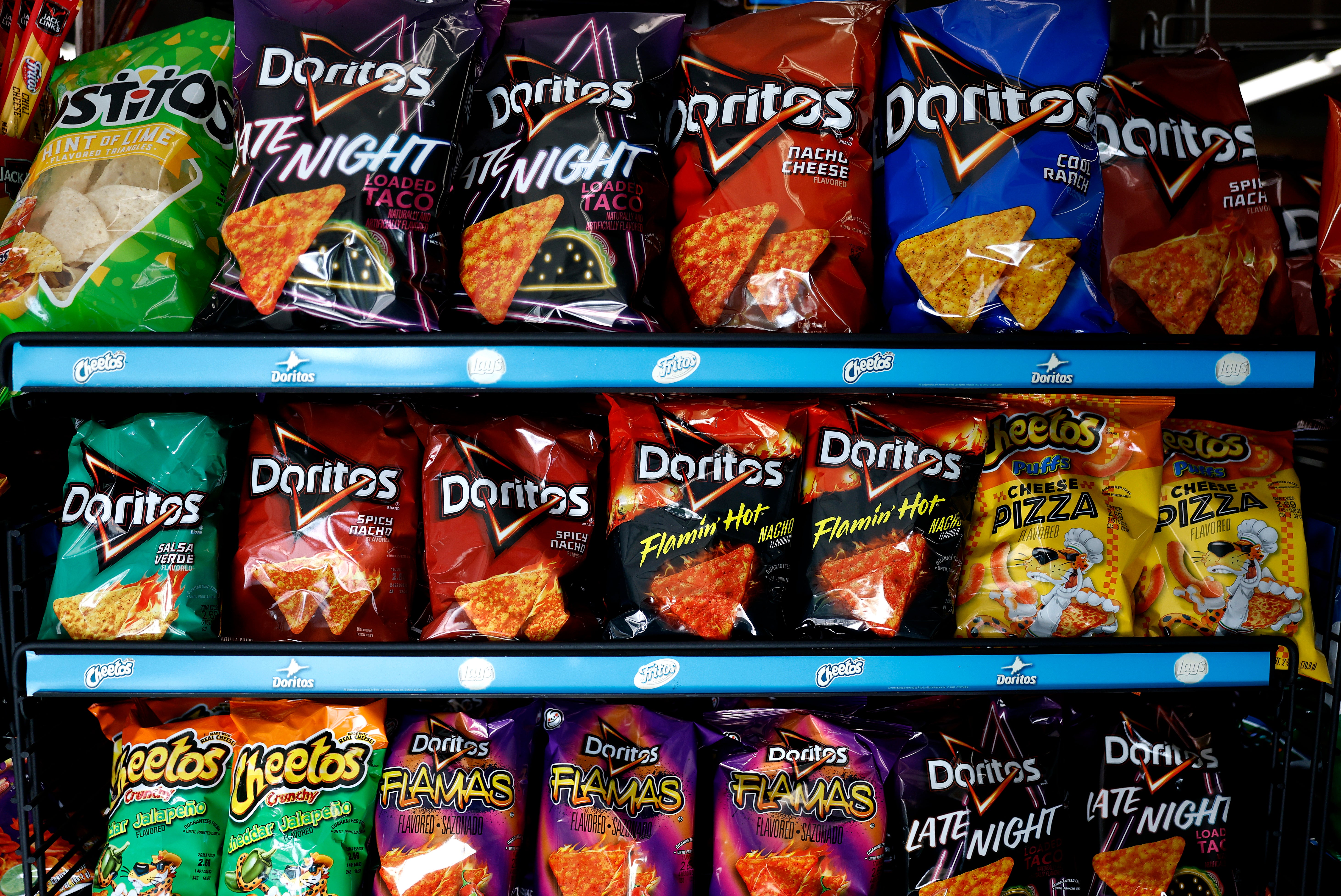
open image in gallery
Cheetos and Doritos maker PepsiCo says it plans to implement new recipes for the beloved chips that will not include artificial colors or flavors (Getty Images)
The snack company also plans to reposition its Lay’s and Tostitos brands to better market their lack of synthetic additives, according to Food Dive.
PepsiCo CEO Ramon Laguarta told analysts earlier this year that the company aims to “elevate the real food perception” of Lay’s by marketing the snack as a healthy option, as it contains only potatoes, oil and salt.
The company is also exploring ways to enhance its various chips and soda products with more protein, fiber, and whole grains – to meet the growing demand for such products.
A new line of “protein-packed” Doritos will be introduced, according to Fox News Digital.
PepsiCo is also set to expand its use of avocado and olive oil in certain products.
The company already offers some of its products, including Ruffles, Cheetos, Doritos and Tostitos, without artificial colors or flavors under its “Simply” banner. The Independent has reached out to PepsiCo for comment.
Several other big food brands have, under pressure from the White House, announced plans to remove artificial dyes from their products, including Nestlé, Hershey and Kraft Heinz.
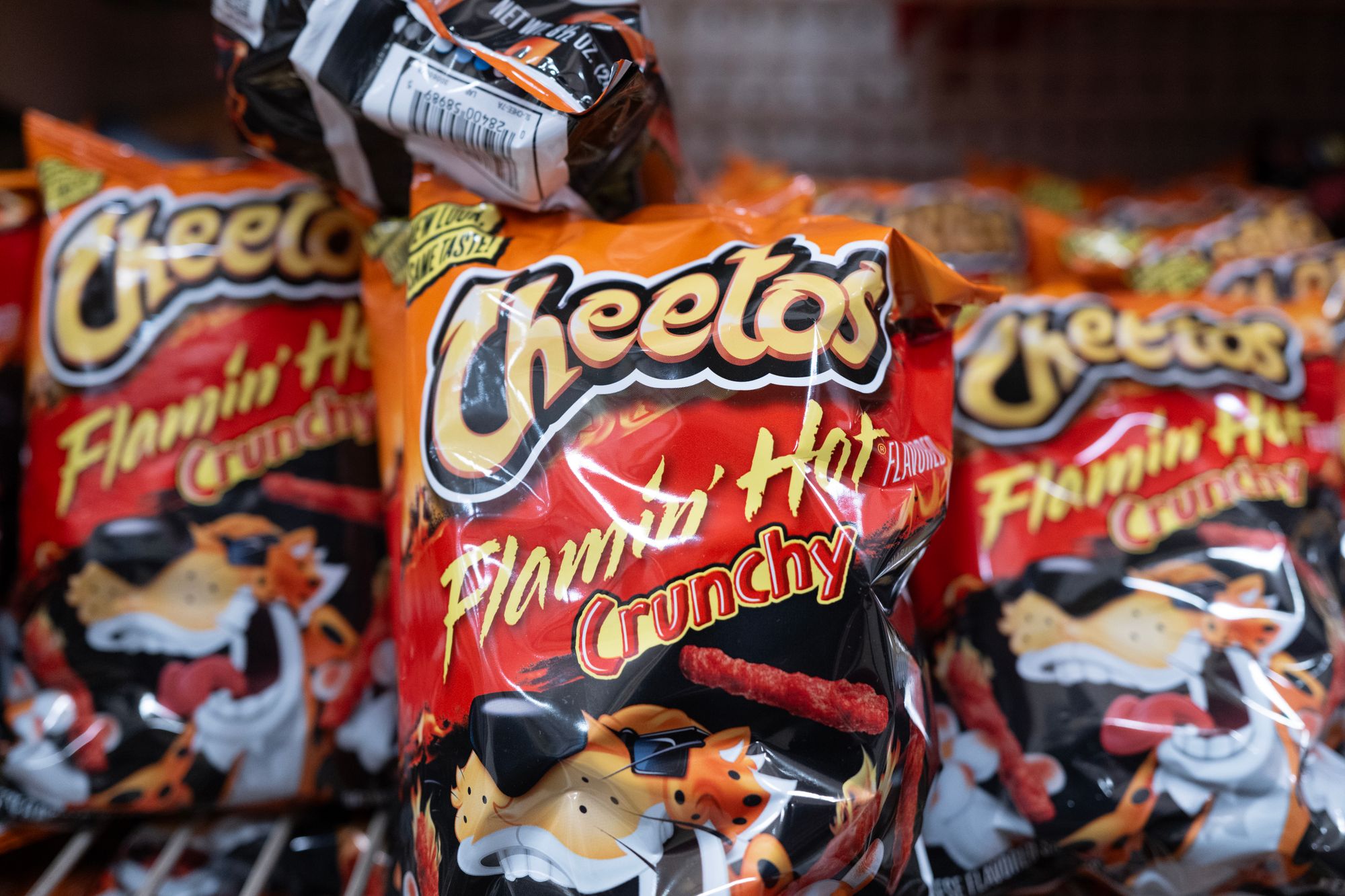
open image in gallery
The new recipes come after HHS Secretary Robert F. Kennedy Jr. said the FDA hoped to ban several artificial dyes and colorings found in many foods by the end of the year (Getty Images)
Petroleum-based synthetic dyes, which the White House, under Kennedy’s order,s is looking to ban, are used to add color to food and drug items.
Recent research has shown that synthetic food colors found in American foods are linked to neurobehavioral problems in children and that the dyes may cause or exacerbate symptoms, particularly hyperactivity.
However, there is no clear evidence of a direct relationship between food dyes, academic performance, violence or other mental and physical conditions, scientists say.
Scientific evidence actually shows that “most children have no adverse effects when consuming foods containing color additives,” according to the FDA.
In January, the FDA banned the dye known as Red 3. It said the dye, also known as erythrosine, caused cancer in lab rats. A federal law requires the administration to ban any additive found to cause cancer in animals.
Officials stressed that the way Red 3 leads to cancer in rats doesn’t happen in people.
Dining and Cooking