
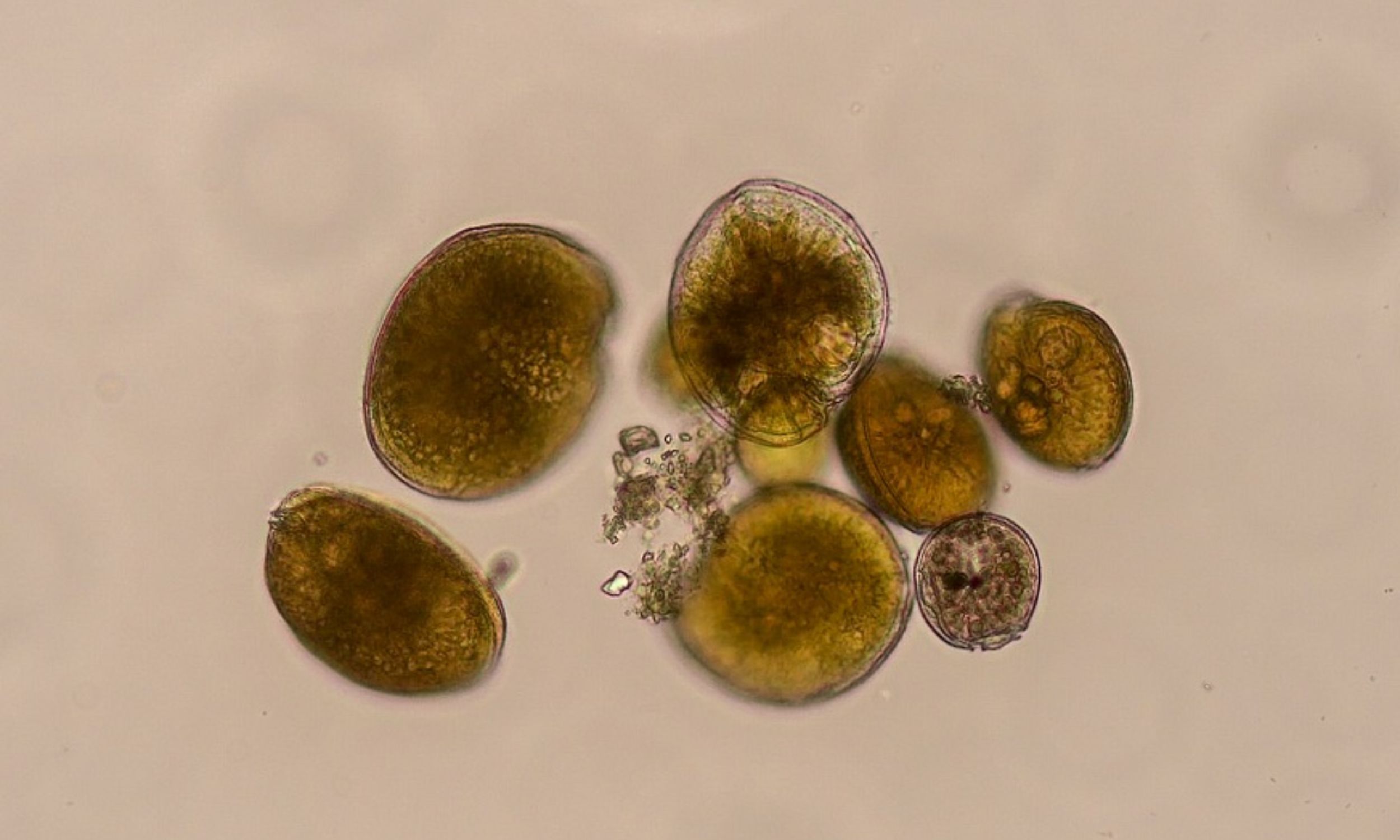
A toxin-producing tropical microalga has now been confirmed for the first time along Spain’s Mediterranean mainland coast.
Its arrival extends the geographic reach of a group linked to seafood poisoning and redraws where officials must remain alert.
Finding Gambierdiscus australes

Routine seawater collected off Dénia and Jávea on Spain’s eastern shoreline contained the tropical species in waters where it had never been recorded before.
By examining those samples, César Bordehore at the University of Alicante documented cells matching Gambierdiscus australes, a tropical microalga known for producing fish-poisoning toxins, and established the genus on the continental western Mediterranean coast.
Archived material from the same stretch of shoreline showed no trace of the organism just over a decade ago, pointing to a recent expansion into these waters.
That shift places a previously absent toxin producer into a busy fishing region and sets the stage for closer scrutiny of how it behaves in its new home.
Toxins moving through fish
Doctors call the illness ciguatera, a sickness from eating fish carrying certain dangerous marine toxins.
Once grazing animals nibble the algae on rocks and seaweed, the toxins build up step by step in bigger fish.
In people, the poisoning can bring vomiting, diarrhea, numbness, and temperature confusion, and cooking does not break these compounds.
Such toxins leave no taste or smell, so prevention depends on tracking risky fish long before they reach stores.
What the sampling found
Two sweeps in March and September 2023 covered 12 stations, from about 820 feet offshore to roughly 0.6 miles out.
At each stop, technicians combined surface water with water from 16 feet down, then counted the cells in the lab.
Spring samples held the microalga in 75% of cases, while September samples hit 100%, ranging from 20 to 140 cells per liter.
That summer jump hinted that warmer water helped the cells multiply, even though the overall counts stayed low.
Warm water favors spread
Across the western Mediterranean, summer heat now reaches levels that once belonged to more southern seas.
Warmer water speeds cell growth and can lengthen the time Gambierdiscus australes survives on coastal plants and rocks.
A long-term indicator shows Mediterranean waters warming in recent decades, and cooler-season readings sat near 59 to 61 degrees F.
Late-summer water closer to 80 degrees F could make coastal survival easier, which widens the coastline that needs checks.
Life on the bottom
Unlike surface bloom makers, Gambierdiscus australes is benthic, living on the seafloor or attached to plants.
Instead of drifting in open water, the cells cling to sea grass blades and rocks where grazers scrape for food.
Strong waves and currents can knock cells loose, so routine water bottles still capture them even without a visible bloom.
That quiet lifestyle makes early detection harder, and it raises the value of sampling near reefs, harbors, and sea grass.
Keeping seafood checks strong
Seafood safety relies on calm routines, and this finding pushed local officials to review their monitoring plans.
When labs flag risky toxins, inspectors can hold catches back, and fast reports to authorities help guide that response.
“Our job is to inform the relevant authorities, as we have already done, and take the necessary measures at all times to maintain food safety,” said Bordehore.
He added that existing screening programs keep fish with high toxin levels out of the market, ensuring that seafood currently being sold remains safe for consumers.
Earlier Mediterranean hints
Even before Alicante, scientists had spotted the same algae group in other Mediterranean pockets, often around sheltered islands and coves.
Farther offshore, the spread can ride currents or arrive on ship hulls, then settle into new coastal habitats.
In the Balearic Islands, researchers from Spain’s Institute of Agrifood Research and Technology previously documented Gambierdiscus, marking an earlier Mediterranean foothold for the genus.
Each new record expands the area where fish can pick up toxins, and it tests how well monitoring keeps pace.
Looking back in archives
Freezers and file boxes matter in marine science, because old seawater samples can reveal when a species arrived.
By revisiting preserved material, UA scientists could compare today’s coast with earlier years and spot real changes.
Back in 2011, a review of 30 local samples found no trace of Gambierdiscus, pointing to a later arrival.
That kind of timeline helps agencies plan targeted checks, instead of waiting until sick people or dead fish force attention.
Controlling Gambierdiscus australes
Long-term monitoring now has a new target, since the microalga can sit quietly and still seed toxins.
Seasonal surveys can sample bottom habitats and water together, then UA teams can pair those results with toxin tests in local fish.
Early alerts matter most when numbers start rising, because officials can adjust fishing advice and lab screening.
Without steady tracking, an algae group like Gambierdiscus australes can spread for years before any outbreak makes its presence obvious.
Finding a tropical toxin-maker on Spain’s mainland coast shows how quickly small organisms can redraw seafood safety maps.
Regular sampling, clear communication with agencies, and careful testing should keep risk low as Mediterranean waters keep warming.
The study is published in Harmful Algae News.
—–
Like what you read? Subscribe to our newsletter for engaging articles, exclusive content, and the latest updates.
Check us out on EarthSnap, a free app brought to you by Eric Ralls and Earth.com.
—–
Dining and Cooking