
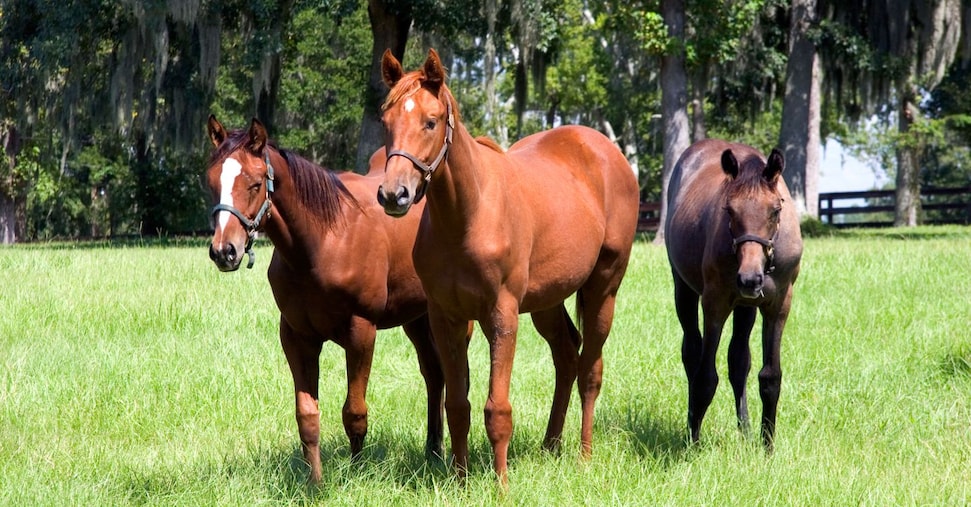
Among the divisive topics agitating the country, there also seems to be horse meat. After the news (broadcast by the Sole 24 Ore) of a bipartisan PDL hinged in the Chamber of Deputies banning the slaughter of equids (not only horses and ponies, but also mules, donkeys and hinnies), the debate has been unleashed.
The first to intervene was Gianmarco Centinaio, vice-president of the Senate, a Lega Nord member and former Minister of Agriculture during the Conte government. “Banning the consumption of horse meat would mean deleting a piece of the history of Italian cuisine and also of the identity of some territories,” he said. “For this reason, I cannot agree with the bills under discussion in the Chamber, which go in this direction.”
Apart from the ideological issues (numerous petitions for and against opened on change.org), the culinary identity tradition is the driver most invoked by the front of those opposed to the slaughter ban. Now that the Italian cuisine has gained Unesco recognition, then, the dossier becomes even more delicate.
The list of flagship dishes is long and crosses the whole Boot, from North to South: pastissada in Verona and meatballs in Catania, stracotto d’asino in the Lombardy plain, tapulon in Borgomanero and pezzetti in Valle D’Itria. In Parma, even, the kingdom of the ‘caval pisst’, local newspapers call the proposal tabled in the Chamber of Deputies a shock. ‘The presence of horse and donkey meat on our tables has spanned the centuries and established itself as a deep-rooted tradition,’ recalls the Lega Nord senator’.
Among the most fervent supporters of the battle in defence of equids is the ong Animal Equality, whose investigative team has documented – behind some slaughterhouses – serious abuses and violations of animal welfare regulations.
Dining and Cooking