
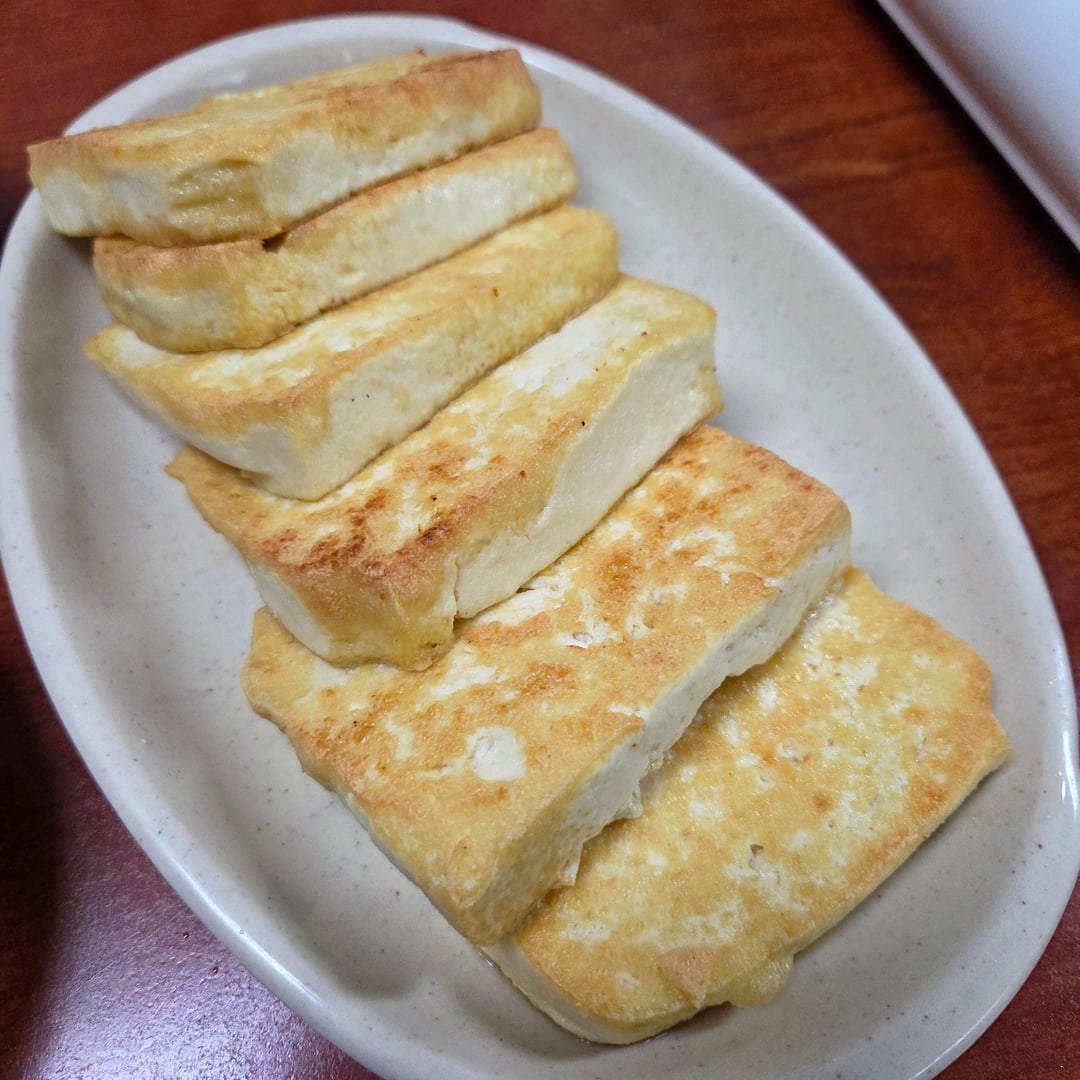
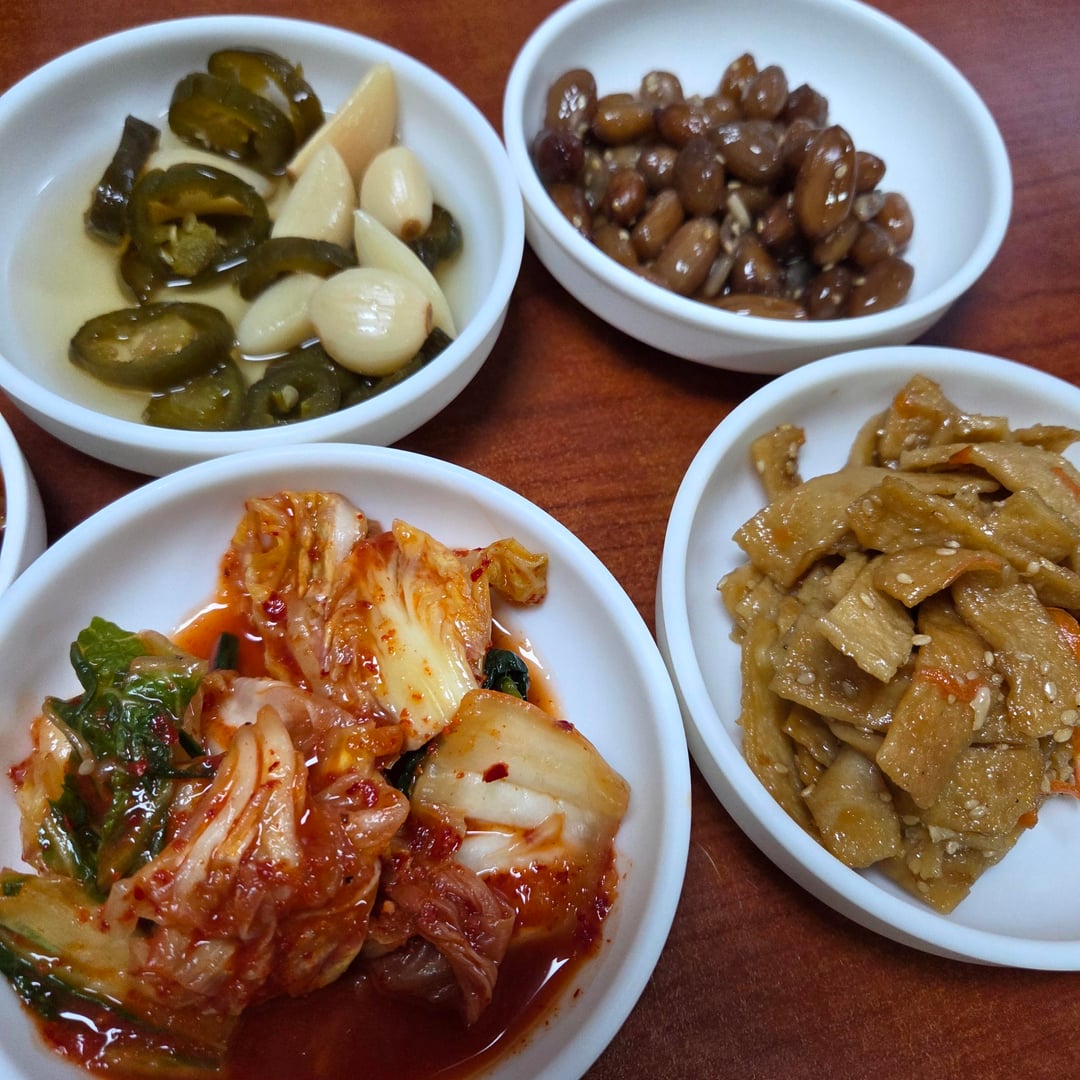
Hello, I’m a Korean living in Korea, and I have a shellfish allergy. Even with familiar Korean dishes, I still get caught off guard sometimes.
For example, I’ve had moments where doenjang-jjigae seemed safe based on the menu, but later I found out the broth was made with crab, and my throat started feeling itchy. It’s not always obvious from the menu, and it can feel awkward to ask very detailed ingredient questions every time.
I also feel like the idea of cross-contamination (shared ladles/pots/utensils, shared oil, shared prep surfaces, etc.) isn’t discussed much in everyday Korean dining.
My guess is that many Koreans don’t have severe allergies (or don’t realize the risk), so it just hasn’t been a common topic.
For anyone with food allergies (or who eats with someone who does)
Do you avoid Korean restaurants, or do you stick to a few “safe” go-to dishes?
What’s the most confusing/risky part for you — hidden ingredients, staff understanding, or cross-contamination?
Any close calls or “I thought it was safe” stories?
I’m genuinely trying to understand whether this is a niche concern or something many people quietly deal with.
by Aware-Eye9067
16 Comments
Unfortunately, shrimp paste, salted shrimp, and other shellfish products are traditionally very common seasonings/condiments, even for vegetable-dominant dishes.
Kimchi is a common case where people don’t realize it traditionally contains shellfish. You’ll need to specifically buy vegan kimchi.
I have family that has a whole bunch of allergies – everything from gluten to lemon to garlic, etc.
I find kbbq or hotpot to be a great one, especially because certain members of the family can even get a separate grill or pot at many places and can just cook the meats and veggies they want. Granted, you have to be careful about the banchan, marinades, etc.
Kimbap too, for that reason. And bibimbap (minus spicy sauce). They are super customizable.
I have no advice but am living this struggle (though not in Korea). So far I can still eat kimchi with shrimp paste, maybe because of the fermentation. I’m supposed to do some food challenge tests.
Can empathize as my kid has allergies to various items including wheat. Wheat is in soy sauce for example.
Think what makes Korean food great is also what makes it challenging. It can be made multiple ways and there’s not a lot of transparency on ingredients. That is changing though with commercialization/mass production where ingredients are mandatory to show. That’s my trick: shop at hmart or wherever and bring it home to cook.
Restaurants? KBBQ only basically with no banchan
I have an allergy to garlic so I struggle with this in most places!
For Korean dishes, I usually stick to what I have had before when eating out. Even though I also know that is very hit or miss. So I usually will end up eating only this at that restaurant so not necessarily meal specific but meal specific at a specific restaurant.
When cooking at home, I stick to garlic powder since I can still tolerate that in small amounts (for now)!
https://preview.redd.it/9ewex2o399mg1.png?width=1080&format=png&auto=webp&s=ebeb80ce8d110e92c6c30c3e2c5ca6ff4bf8bc44
A little bit of garlic is to Korean food as butter is to Western cuisine.
Korean food is not the food style I’d be interested in if I had allergies, especially serious allergies.
Hell, Asian food cultures in general are far less friendly to dietary restrictions. Medical or otherwise.
Temple cuisine is pretty much zero percent chance of cross contamination since they straight up don’t use garlic, fish, shellfish, etc… but yeah Korean food in general is a minefield for people with allergies or restrictions.
Certain food allergies in Korea typically means you eat mostly home-made foods and occasionally go to only certain restaurants that understand or cater to food allergies. Lactose intolerance or diary-related allergies are not too difficult to deal with but nut or shellfish allergies or wheat allergies can be a real bear to deal with in Korea. You can find wheat-free soy sauce or vegan kimchee in some markets but restaurants are limited.
I have a friend with a shellfish allergy. While growing up carried allergy medication. Would always take some before eating at a restaurant just in case. It would help reduce some symptoms so that if it was a severe reaction it would buy him time to get to a hospital
It’s not a niche concern at all. I don’t have a food allergy, but I have a severe aversion to seafood. Just he smell of seafood makes me sick, and if I unknowingly eat something containing any seafood ingredients I need to throw up straight away.
Fish sauce, oyster sauce, shrimp paste and bonito are the reason I usually choose vegetarian or vegan dishes when eating in East Asian or Southeast Asian restaurants. I’ve been to restaurants where staff would say “no fish or seafood in this dish”, but I immediately noticed something wrong when I received the order, then staff came back saying “oh, actually there is fish sauce in this dish”. In one of these occasions I trusted what I was told, only to then rush to the bathroom to vomit straight after having one bite.
So for me cross-contamination isn’t a big concern as I don’t get allergy symptoms, but “hidden” ingredients and staff knowledge of the dishes have both been problematic.
Having said that, in the UK, where I live, most restaurants have a good allergen guide, even small restaurants. This is likely a result of deaths caused by allergens not being flagged up in cafes and restaurants. There were a few cases reported in the media in the past few years. That means the government got on top of this and restaurants risk massive fines or, worse, negligence payments if they don’t list allergens.
I struggled in a trip to Japan because even beef, chicken and some vegetarian dishes contained bonito (fish flakes) or broths wish fish in it. I ended up eating a lot of meals in US-style fast food chains, which wasn’t great. I hope it’s changed since, but evey time I think about a trip to vietnam or thailand I worry I would be stressed out before most meals unless they came from a strictly vegetarian restaurant (like those based in buddhist temples).
I too have a shellfish allergy. I carry epi-pens with me constantly.
I’ve been lucky that where I am, the local Korean store carries a bunch of vegetarian and vegan items (including vegan kimchi). The rest we’ve learned to make at home leaving out stuff like oyster sauce and shrimp paste. Maangchi’s website and cookbooks also have a lot of resources too. I really love Jjajangmyeon, and our Korean store as a two-pack of vegetarian ‘kits’, but we also make it at home. Beyond Kimchee also has a number of great recipes.
Also these recipes have come in handy now that it’s Lent and Friday is meat-free night.
I found out I was allergic to this one type of wood from a chicken soup. Funnily enough, locally known as 옻나무 is what I believe we call “poison oak” 🙄
I’m allergic to soy. Yes, I suffer 😆 I make my own gochujang with chickpea miso and coconut aminos, but yeah I can’t eat a lot of Korean food
I’m not in Korea, but we cannot go to any Korean restaurants in our extremely progressive, very vegetarian/vegan friendly city because every time we have tried one, we ask ahead to confirm if a dish and all the banchan they bring can made without animal products or at least if they can tell us which have animal products ans every single time they have said everything is vegetarian only to come back in the middle of our meal and mention “oh these actually have fish sauce/shrimp paste/anchovy broth” etc
YES – i have a severe pork allergy and I just got back from Korea. Spent a good amount of time pretty ill.
One place I went to the waitresses came by to cook at the table. I ordered vegan to be safe and then one of the girlies came by and used the same tongs she used at another table. 🫠