
There are cities that freeze themselves in amber, and then there is Paris, which has always known that a culture worth keeping must have room to breathe. To pull open the heavy door of a salle during Fashion Week — the fog of beurre noisette still hanging in the air, the room a low roar of Italian, English, Japanese, Arabic — is to understand that the most enduring French tables have never really been French in any narrow sense. They have simply been Parisian, which is something else entirely.
Fashion makes the argument most visibly. Some of the most storied French houses are now shaped by foreign hands — Jonathan Anderson at Dior, Matthieu Blazy at Chanel, Michael Rider at Celine — and the result is not a dilution but a deepening, each collection adding new syntax to a language that was always, at its roots, a borrowed one. The same logic applies, perhaps more intimately, at the table. Food, after all, does not photograph as cleanly as a runway look. It asks more of you. And in that demand, the negotiation between tradition and elsewhere becomes something you don’t just observe — you taste it.
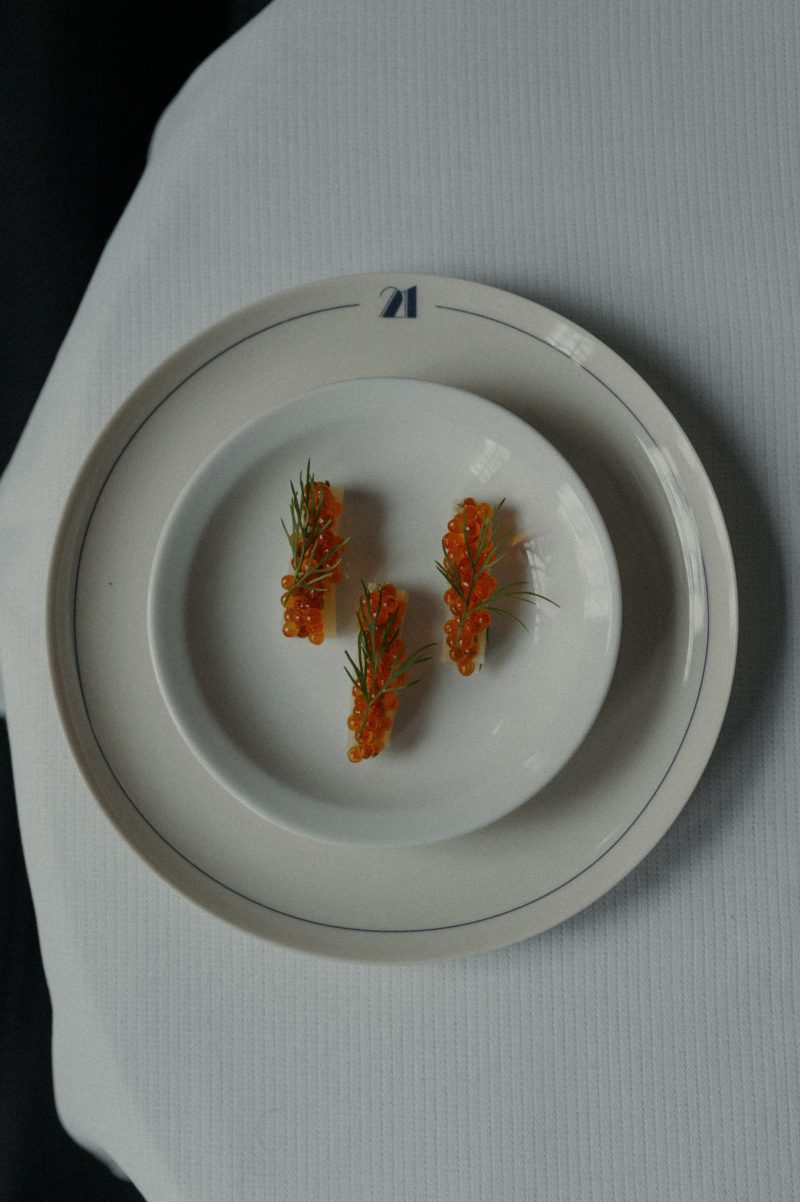
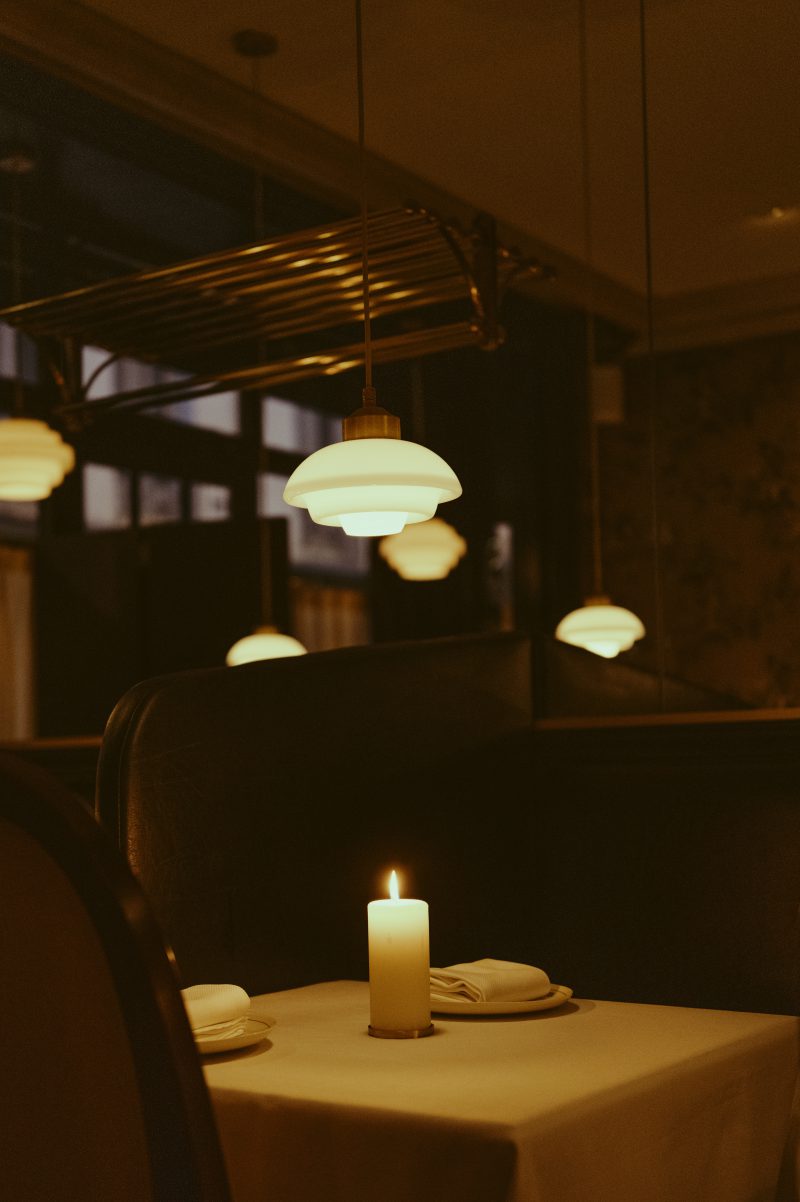
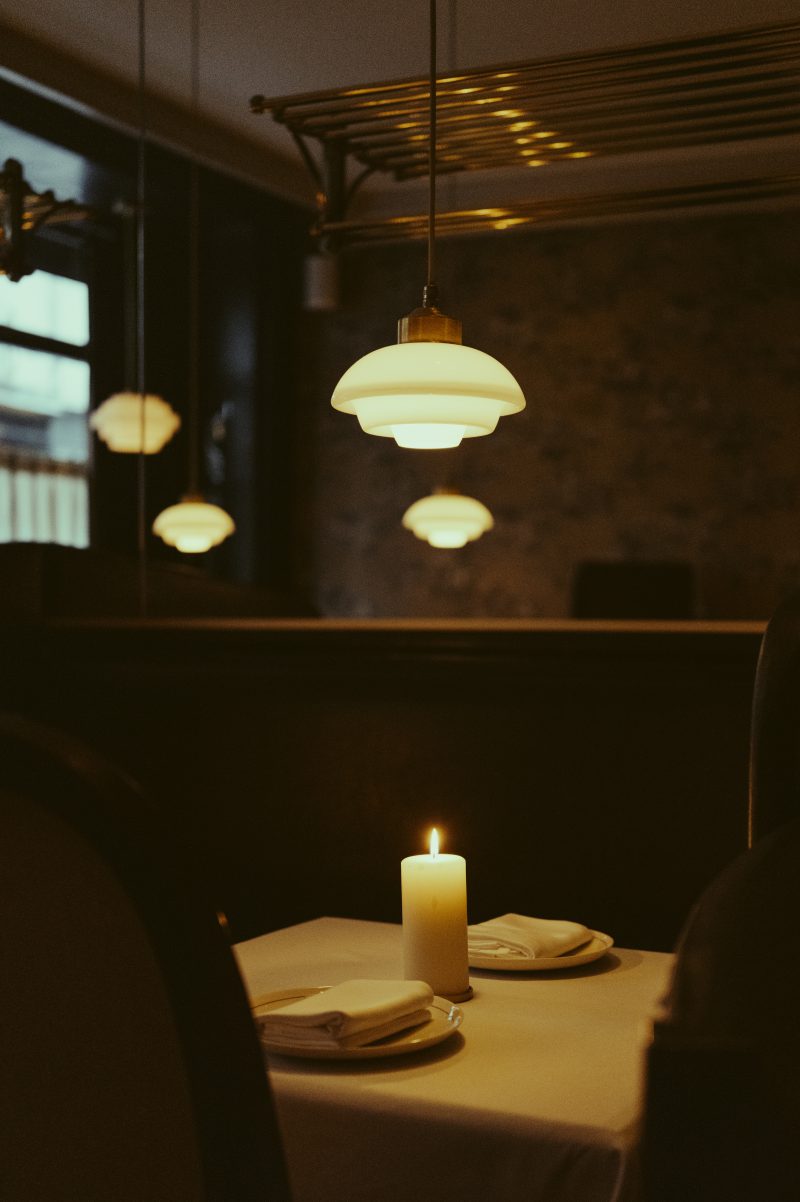
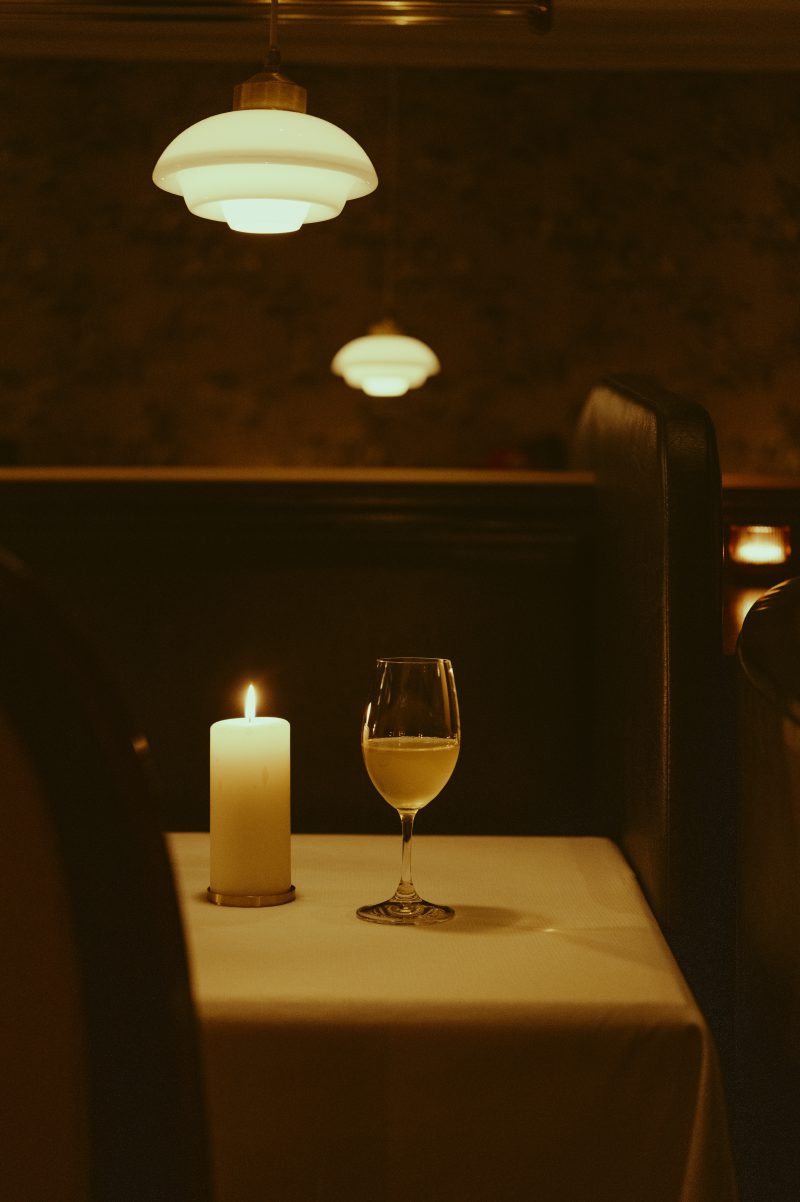
At Le 21, tucked behind heavy curtains on a street that doesn’t announce itself, the meal begins before you’ve sat down — a coupe of Champagne arriving with the ease of a host who has been expecting you for hours. The room holds its past carefully: Pierre Frey wallpaper restored to its original weight, candles burning at a height that flatters everyone, the whole thing calibrated to a kind of Art Deco discretion that never tips into museum. Politicians ate here once. Cultural figures conducted their quiet business in these banquettes. That history is still present — you can feel it in the proportions of the room, the way sound seems to pool rather than scatter — but under Braden Perkins, an American who arrived in Paris by way of conviction rather than accident, it has been tilted, almost imperceptibly, toward something that feels less like heritage and more like hospitality.
Perkins was born in New Orleans, and he arrived in Paris nearly two decades ago — not, you sense, because the city was fashionable, but because it was necessary. At Le 21, he approaches French gastronomy less as a system to be conquered than as a language you learn by living inside it. The menu is fixed, served à la française, dishes arriving at the center of the table to be passed and shared — a format that does something clever: it makes conversation inevitable. There is one seating each night. No second turn. Time, here, is not managed. It is offered.
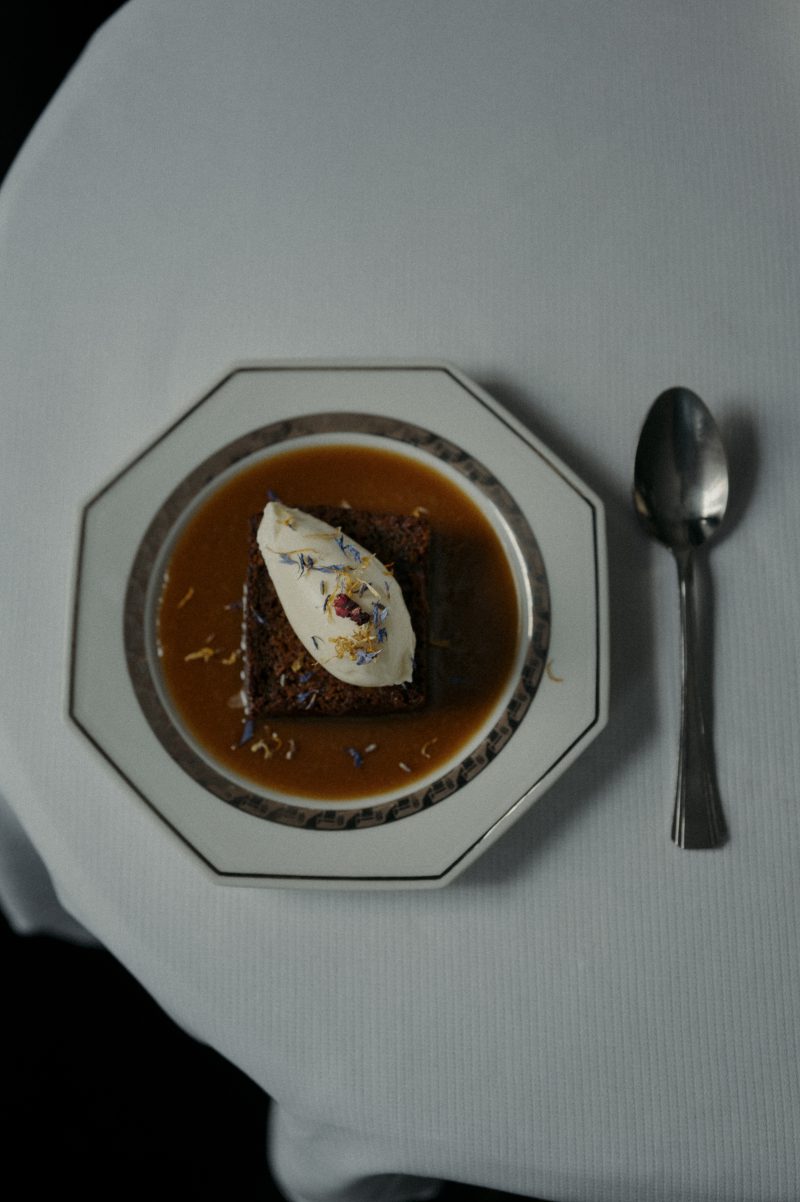
The plates look simple in the way that confident things do. Each begins with a single seasonal ingredient — a vegetable observed from every angle before anything else is allowed near it, seafood appearing the way a good supporting actor does, present but never competing. What Perkins is really doing, though, is working from memory. Not reconstructing dishes but reconstructing feeling — asking what made something resonate once, and whether that sensation can be translated rather than photocopied. It is, unmistakably, an American sensibility running on French discipline: intuitive, narrative, allergic to performance. Even the wine list, priced closer to a good cave à manger than a grand maison, quietly refuses the ritual excess that Parisian dining can mistake for elegance. And yet nothing jars. If anything, Le 21 makes a quiet argument — that Frenchness, at its most essential, has less to do with provenance than with a particular quality of attention.
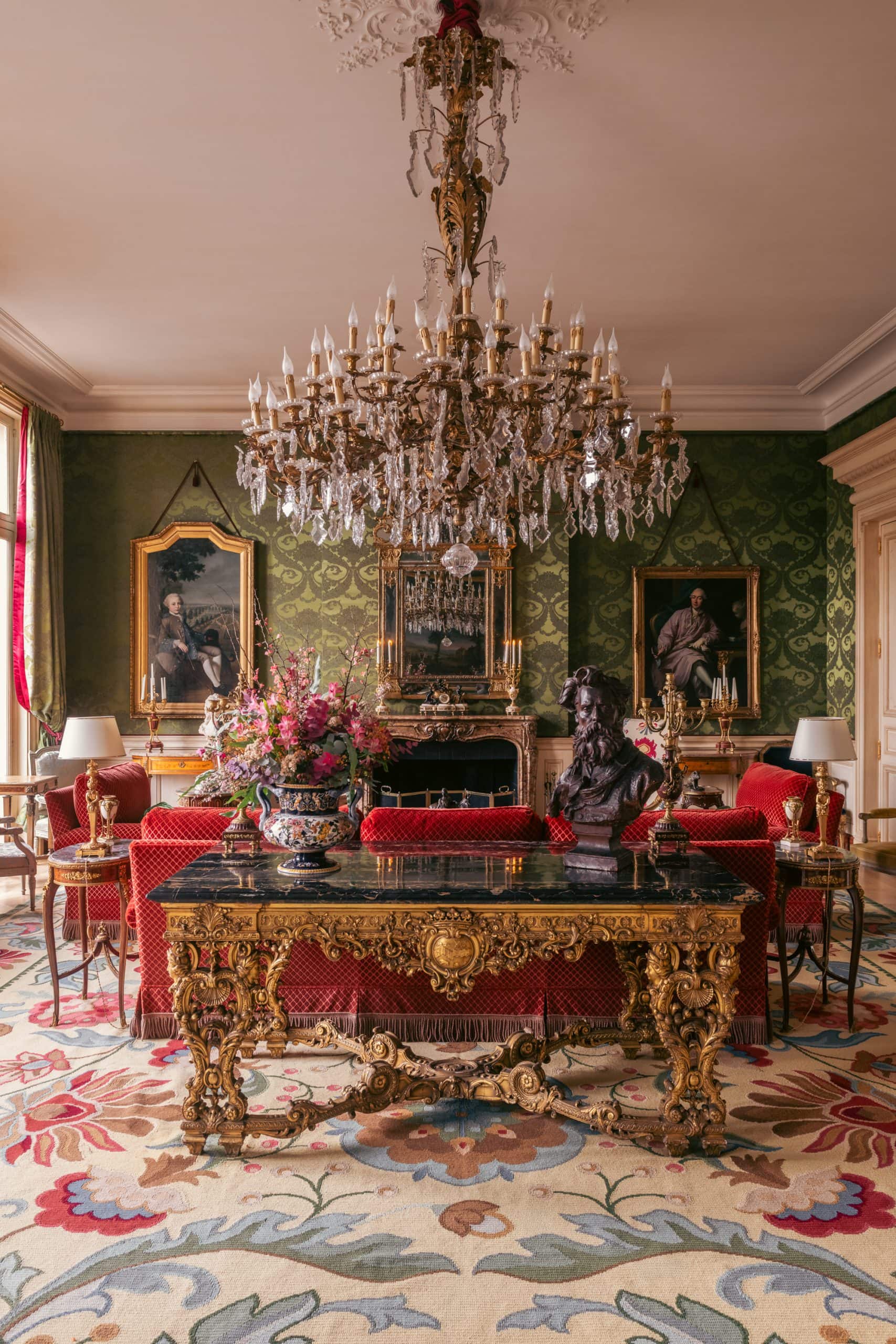
Across the Seine, Le Clarence asks the same question from the opposite end of the room. The address alone carries weight: a 19th-century private mansion, two Michelin stars, service so precisely choreographed it approaches something close to theater. This is haute gastronomy operating within its own codes — hushed, ornate, every movement considered.
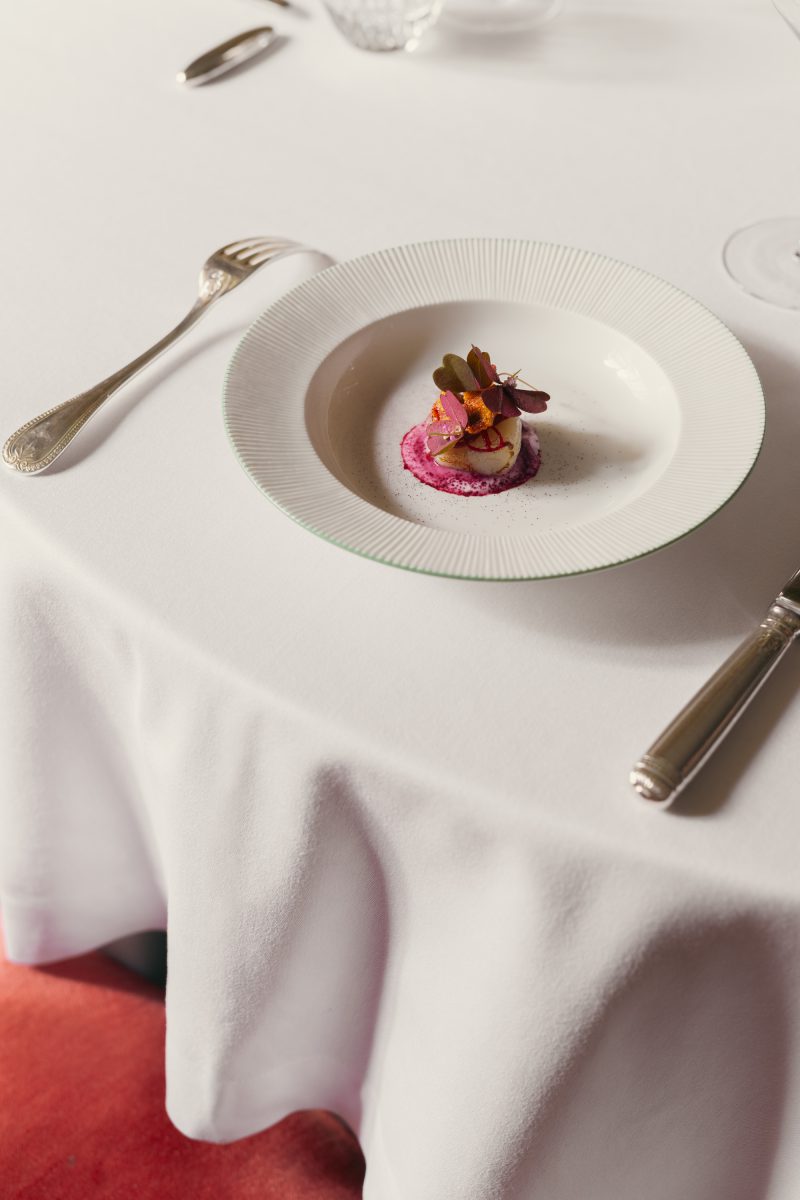
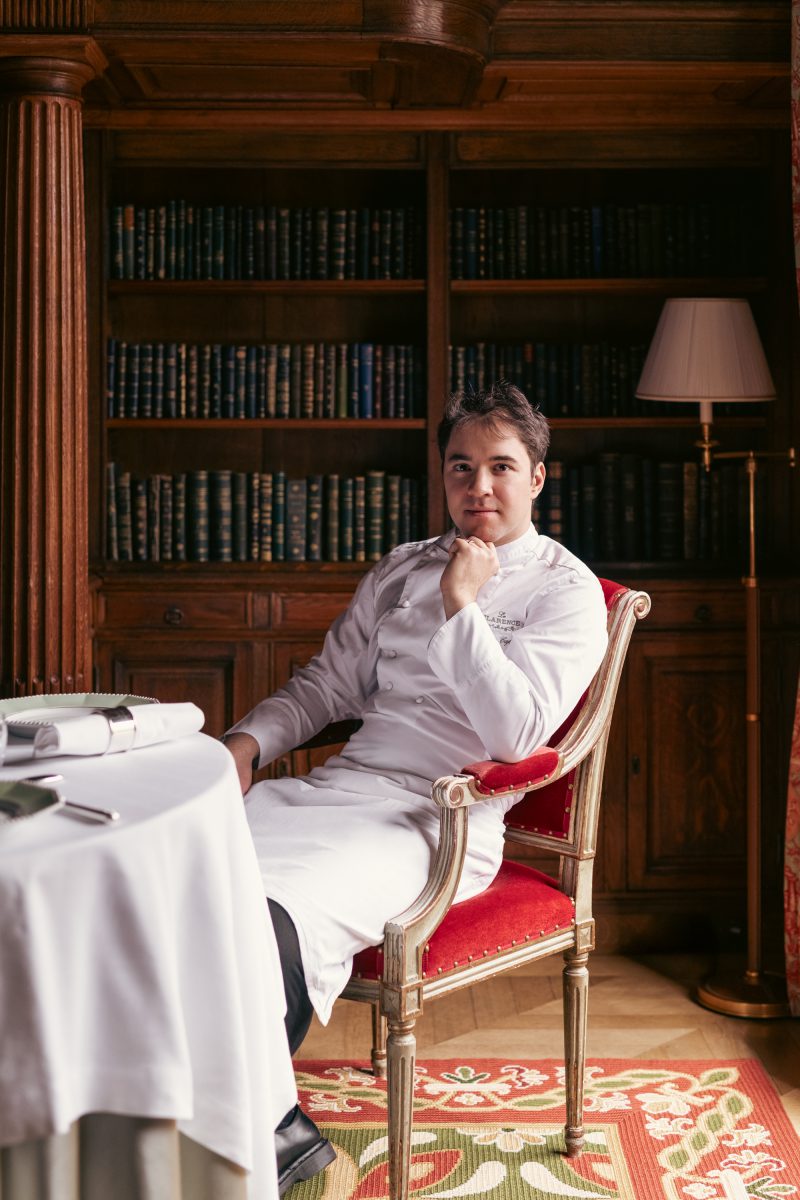
And yet the chef is Andrea Capasso, Italian by formation, shaped at ALMA and then slowly, deliberately, within these very walls. His cooking does not announce its origins. It reveals them — in texture, in balance, in the way a plate is composed the way a sentence is: each element placed where it earns its place. Classical French technique is neither the point of arrival nor a thing to be argued with. It is simply where he begins.
The dishes are assembled in the moment, intuition and method working together rather than against each other. Land and sea are handled with a lightness that feels Italian without ever losing the structural logic of French cuisine — a negotiation so fluent it barely reads as negotiation at all. The setting deepens this. Le Clarence was commissioned to echo the atmosphere of Château Haut-Brion, and it does, in the way that only very serious rooms do: not as costume but as conviction. Within that grandeur, Capasso introduces something restless — a reminder that even the most codified traditions got that way through constant revision.
To move between these two restaurants over the course of a few days is to understand Paris not as a monument but as a method. At Le 21, the shared table softens every boundary — between host and guest, between what French cooking was and what it might yet become. At Le Clarence, the full apparatus of haute cuisine is recalibrated by a man whose instincts were formed somewhere else entirely.
What both meals suggest, sitting with them afterward, is that what we call French today is less a birthright than a practice — a way of editing, refining, and pulling disparate influences into something that holds together. It is the same dynamic that allows a Northern Irish designer, an Italian creative director, or an American chef to walk into historically French institutions and not disrupt them, but make them feel, somehow, newly inevitable.
During Fashion Week, when the city is so visibly consumed with questions of authorship and identity, these meals acquire a particular weight. They are a reminder that Paris has never fully belonged to itself. Its defining talent — the thing that has kept it central across every reinvention — has always been its capacity to absorb the world and return it, transformed, as something that feels, with total conviction, like its own.
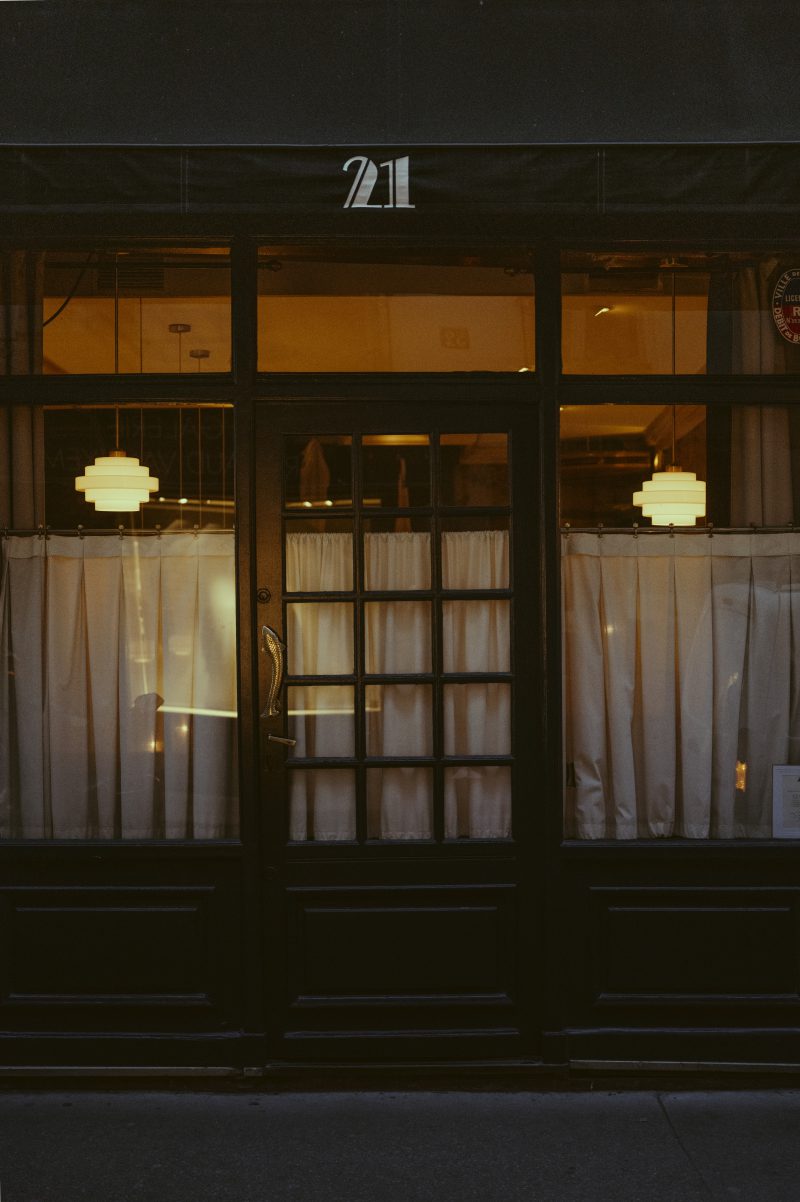
Le 21, Paris
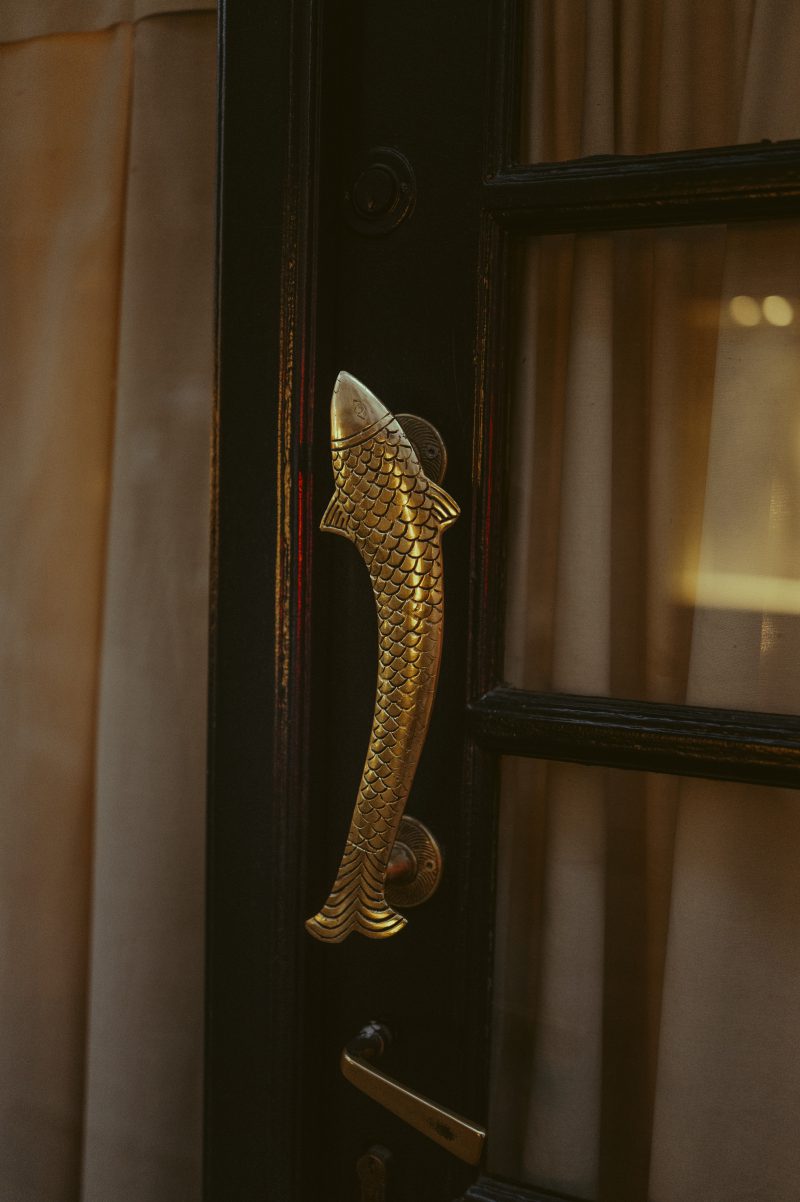
Le 21, Paris
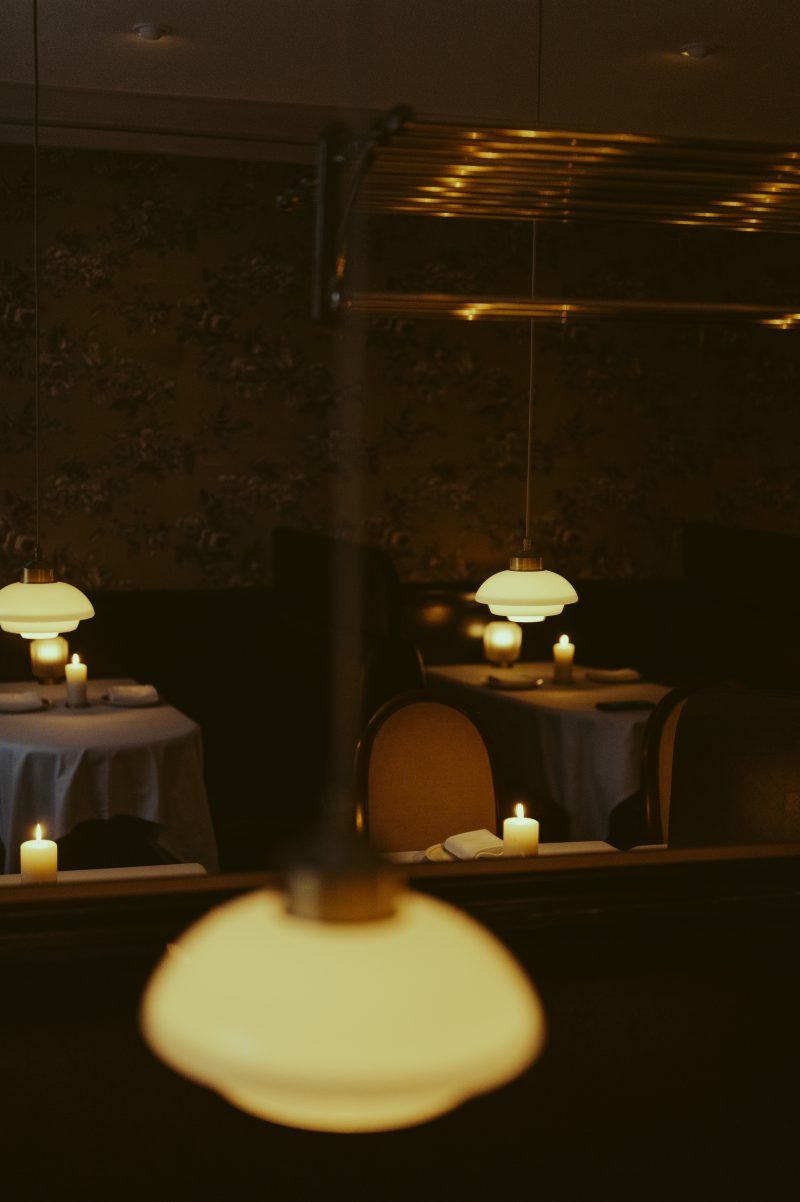
Le 21, Paris
Le 21, Paris
Le 21, Paris
Le 21, Paris
Le 21, Paris
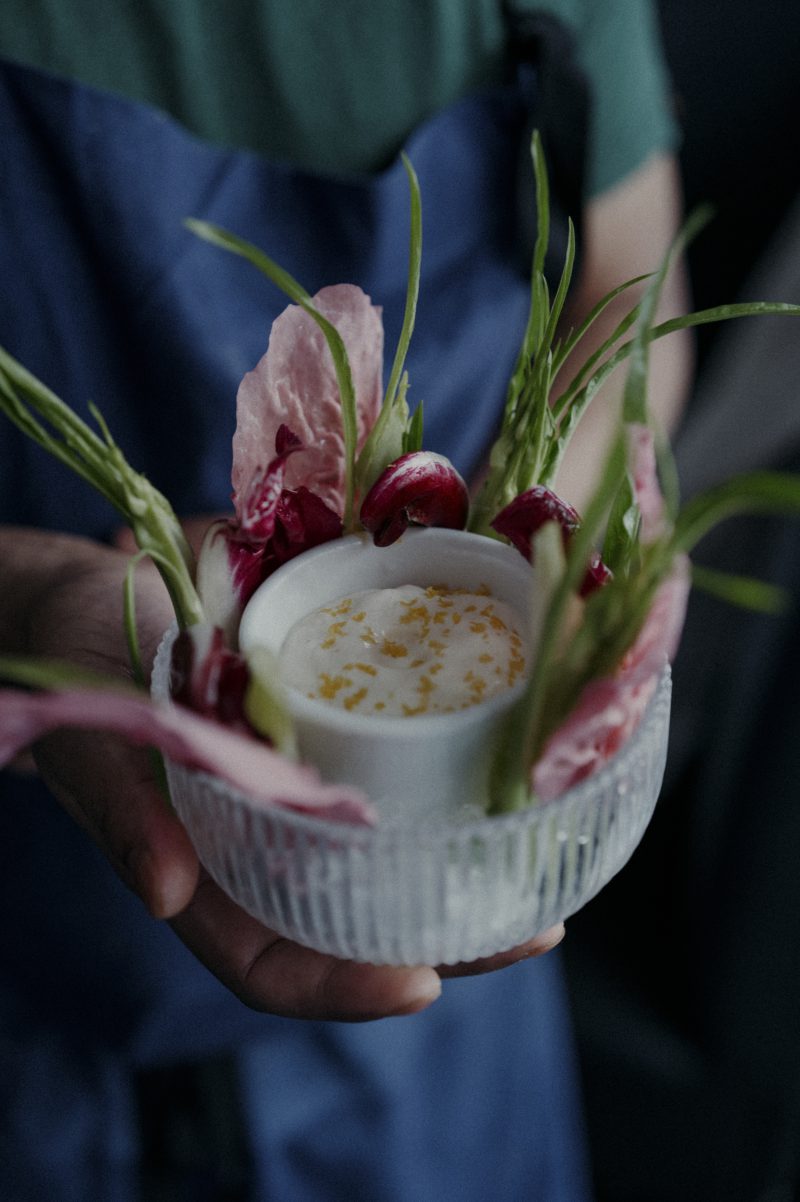
Le 21, Paris
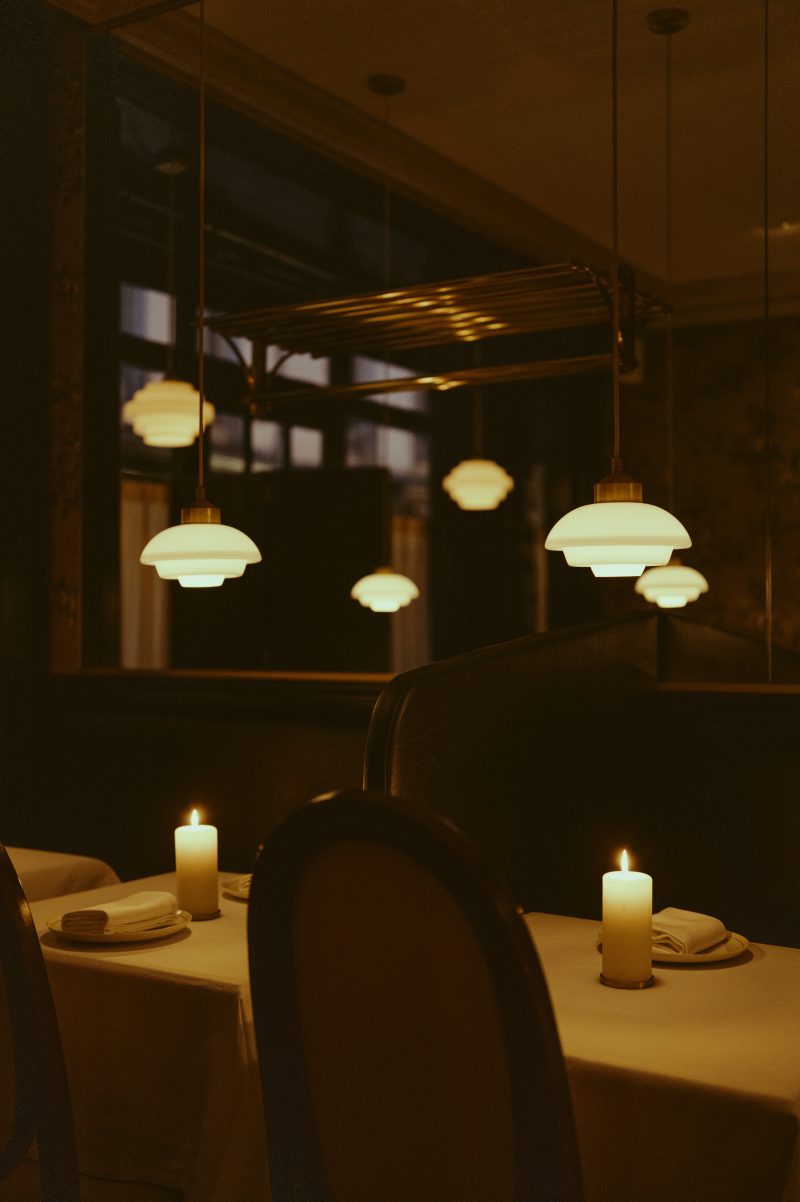
Le 21, Paris
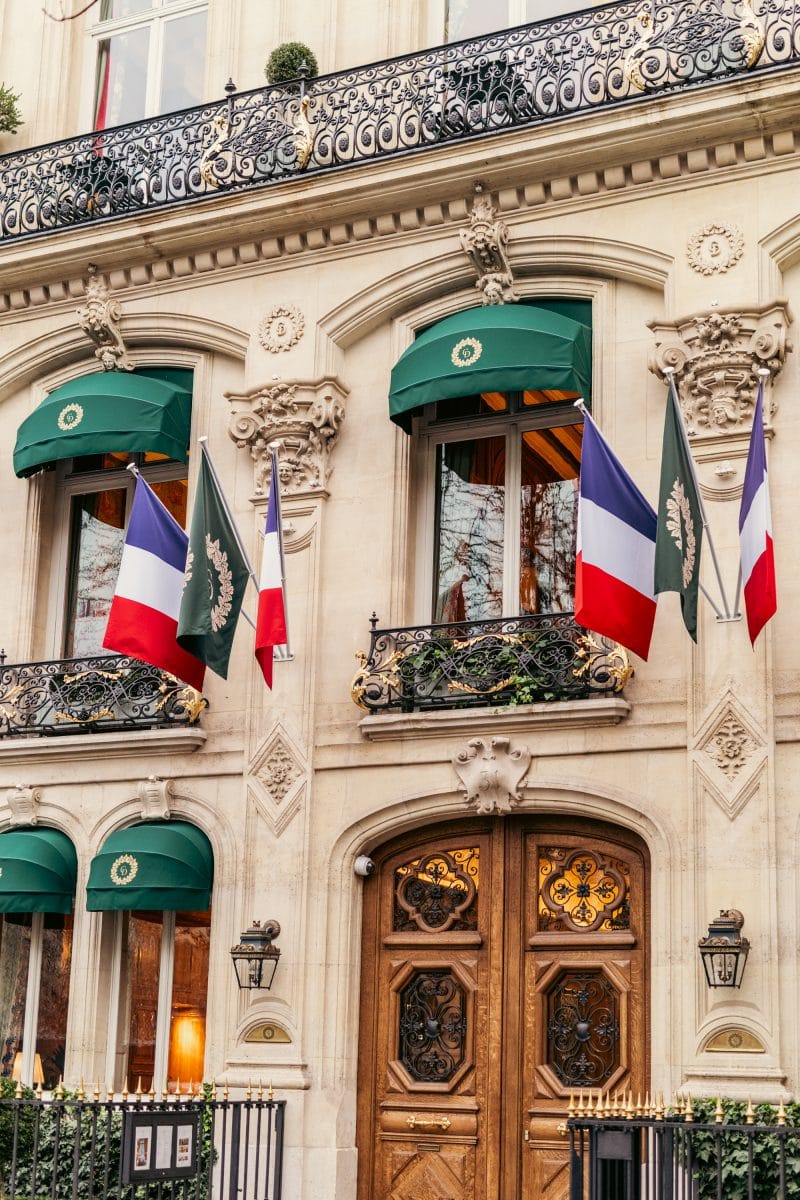
Le Clarence, Paris
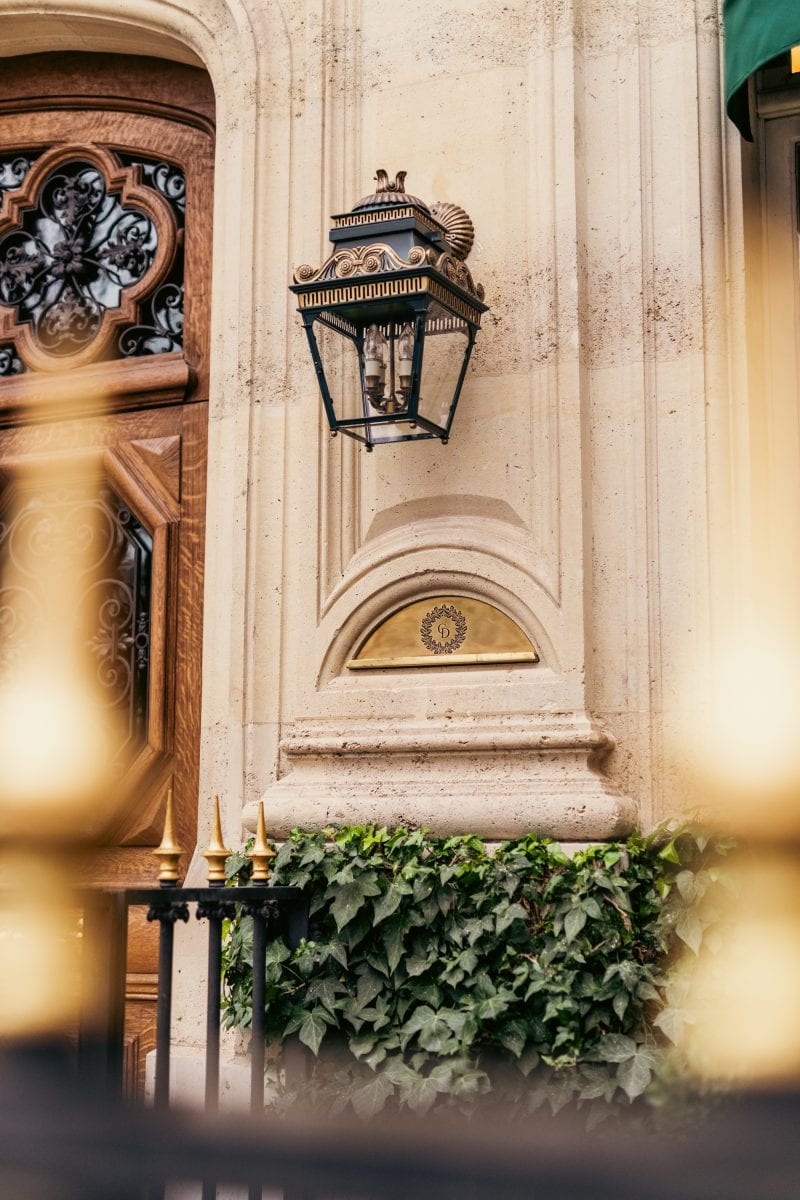
Le Clarence, Paris
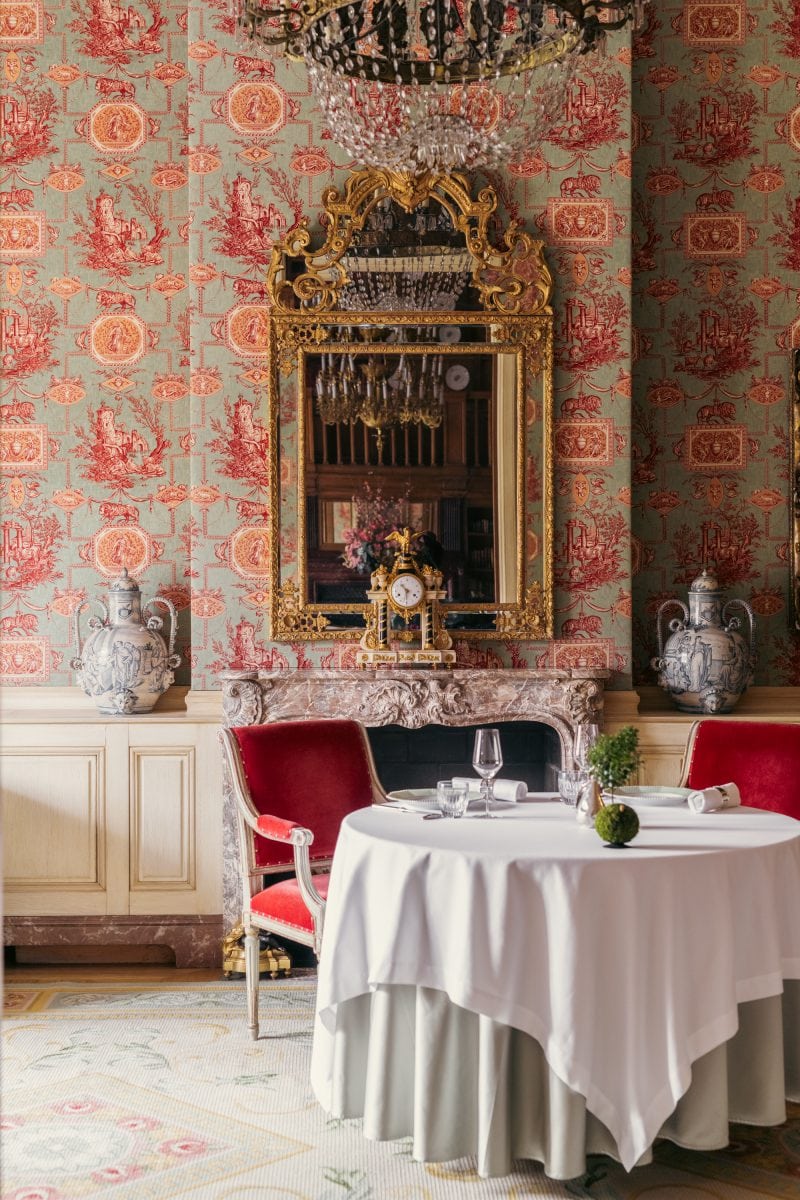
Le Clarence, Paris
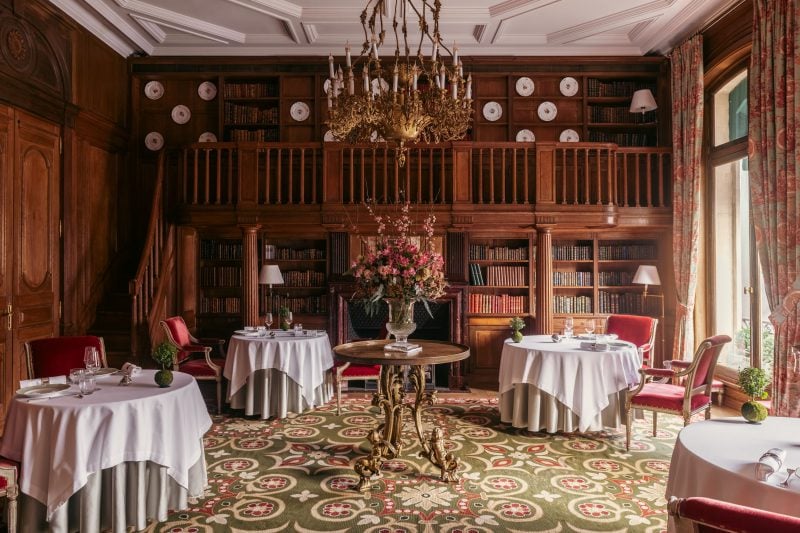
Le Clarence, Paris
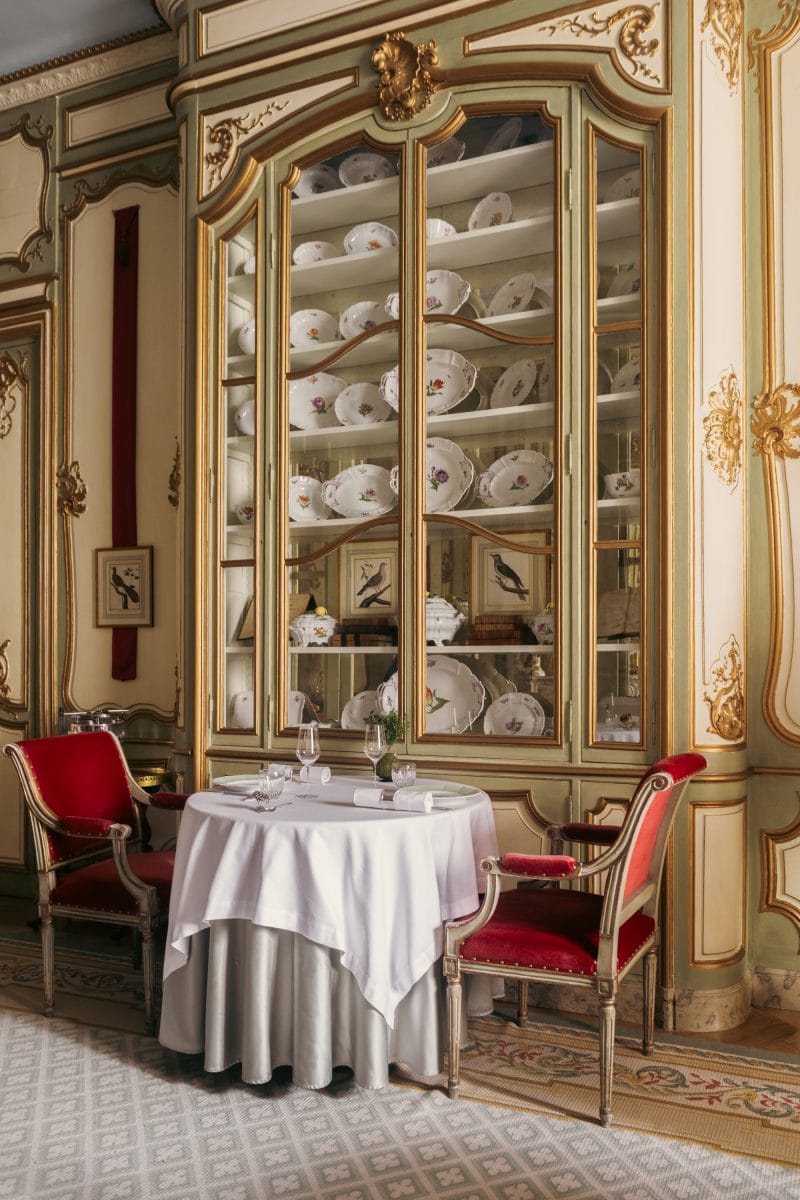
Le Clarence, Paris
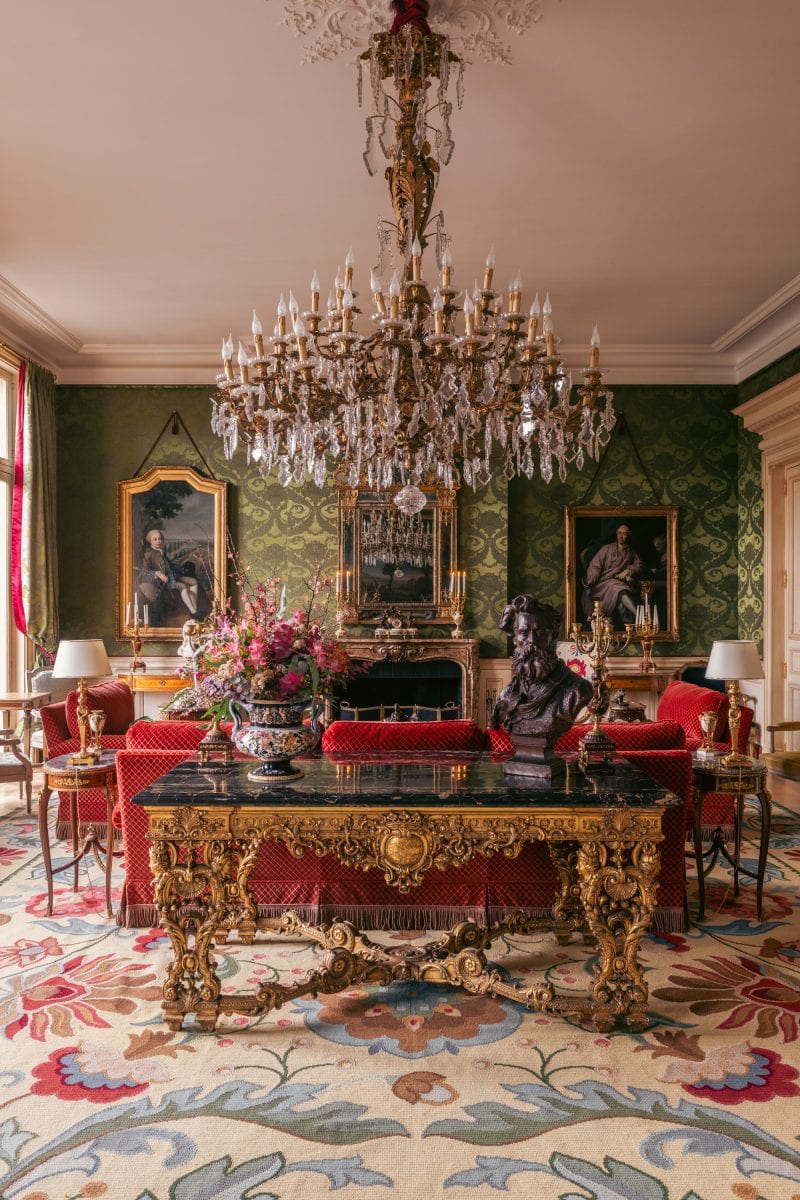
Le Clarence, Paris
Le Clarence, Paris
Le Clarence, Paris
Le Clarence, Paris
Dining and Cooking