
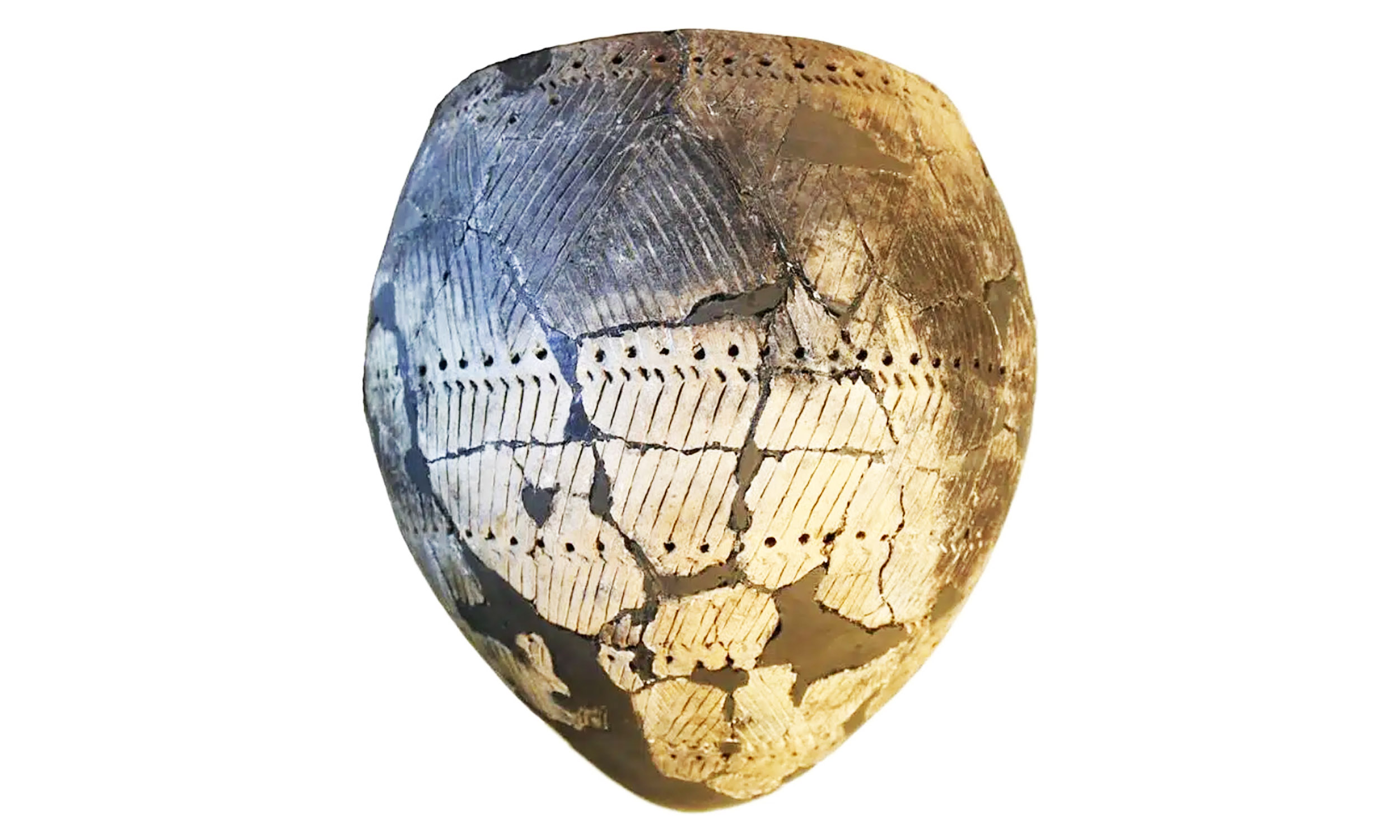
What people ate thousands of years ago can sometimes be traced in the most unlikely place – the burnt food stuck to ancient cooking pots.
A new study shows that Stone Age meals often blended fish with berries, seeds, and other plants, suggesting early cooks created more varied dishes than researchers once thought.

The evidence reframes Stone Age cuisine as deliberate and regionally varied rather than a simple reliance on fish alone.
Burned crusts reveal ancient meals
Blackened food crusts clinging to ancient pottery still preserve fragments of the last meals cooked inside them thousands of years ago.
Lara González Carretero, an archaeologist at the University of York, examined the food residues and analyzed microscopic plant tissues that survived cooking and charring.
The preserved fragments showed that berries, grasses, seeds, and other plant foods were cooked together with fish in the same vessels.
Because burned crusts capture only the final traces of a meal, the evidence opens a broader question about how much plant cooking earlier research has missed.
Taking a closer look at food crusts
Many archaeologists start with lipid residue analysis, a test for ancient fats absorbed in clay, because those fats last.
A 2022 review noted that fats persist in porous pots longer than proteins and sugars do.
Plant ingredients can hide in fatty residues so pots can seem fish-only even after cooks added berries and greens.
“This research underscores that to truly understand ancient diets, we need to take a closer look at these food crusts, quite literally!” said Carretero.
Stone Age cooks used plants
High-powered microscopes helped the team spot intact plant cells inside the crust, even after fire turned the food black.
With scanning electron microscopy, a microscope that reveals tiny surface structures, the researchers identified seed coats and berry tissues.
Chemical analyses of trapped fats also detected fish and other animals, making the presence of plant ingredients easy to miss.
To verify matches, the team cooked modern berries and wild greens in replica pots, and then compared the crusts.
Many ancient pots contained plants
Across 13 sites, pottery fragments dating from the sixth to third millennium B.C. carried burned meals cooked by hunter-gatherer-fishers.
Plant tissues appeared in 58 of 85 crust samples in the paper and often sat beside fish scales and bones.
Wild grasses, legumes, berries, leaves, and underground plant parts left recognizable cell patterns, even when fish fat dominated.
Different regions produced different ingredient combinations, suggesting local resources mattered – but shared cooking traditions also shaped those choices.
Recipes differed by region
In the Don River basin of western Russia, several pots held grass seeds and legume bits mixed with freshwater fish.
Farther west in western Russia, pots near the Upper Volga often contained guelder rose berries (Viburnum opulus) paired with fish.
Along the Baltic Sea, a site in southern Denmark revealed that roots and tubers had been cooked with fish and occasional dairy.
These repeated pairings suggest deliberate choices, making it harder to view each pot as a simple record of whatever food happened to be available.
Plants were chosen carefully
Not every nearby plant ended up in the pots, and the crusts often preserved only certain parts.
Microscope views showed intact berry skin layers and patterned seed coats, signs of careful crushing, boiling, and stirring.
Seasonal clues appeared too, with leafy stems harvested both before and after seeds formed, suggesting repeated trips over months.
Preference for specific berries, grains, or greens hints at taste and texture goals, not just calories.
Pottery traits matched meals
Beyond ingredients, the pots themselves carried clues because their clay mixes and building styles differed across communities.
When the team compared those manufacturing traits with food remains, vessels built similarly tended to hold similar mixtures.
Even within the same region, different pottery traditions lined up with different recipes, suggesting cooking rules traveled with craft skills.
That link turns each vessel into evidence of identity, not just diet, and it helps explain pottery’s appeal.
Stone Age cooking strategies
Boiling and stewing in pots broke down tough plant tissues, making roots softer and releasing sugars from berries.
Heat reduced bitter compounds in guelder rose berries, and it likely lowered their mild raw toxicity.
Longer simmering created thicker, darker crusts, influencing which plant cells remained intact long enough for scientists to identify them.
Small decisions about timing and mixing could decide whether a meal tasted bitter, felt filling, or was safe to eat.
Limitations of the study
Burned crusts capture only a small part of ancient cooking, because many meals never left behind a preserved layer.
Chemical fingerprints still leaned toward fish fats, and scattered plant fragments could not reliably show how much plant food was used.
Preservation also depended on how strongly the food was charred and how the pottery was buried, leaving some plant tissues lost while others remained clear enough to identify.
Wider surveys that include pots without visible crusts could test whether these recipes were common or limited to special uses.
By combining microscopes with chemistry, researchers turned burnt pot residues into evidence of selective plant cooking across early Europe.
Future studies of more Stone Age vessels and regions may show how cooking traditions changed as farming spread.
The study is published in the journal PLOS One.
—–
Like what you read? Subscribe to our newsletter for engaging articles, exclusive content, and the latest updates.
Check us out on EarthSnap, a free app brought to you by Eric Ralls and Earth.com.
—–
Dining and Cooking