
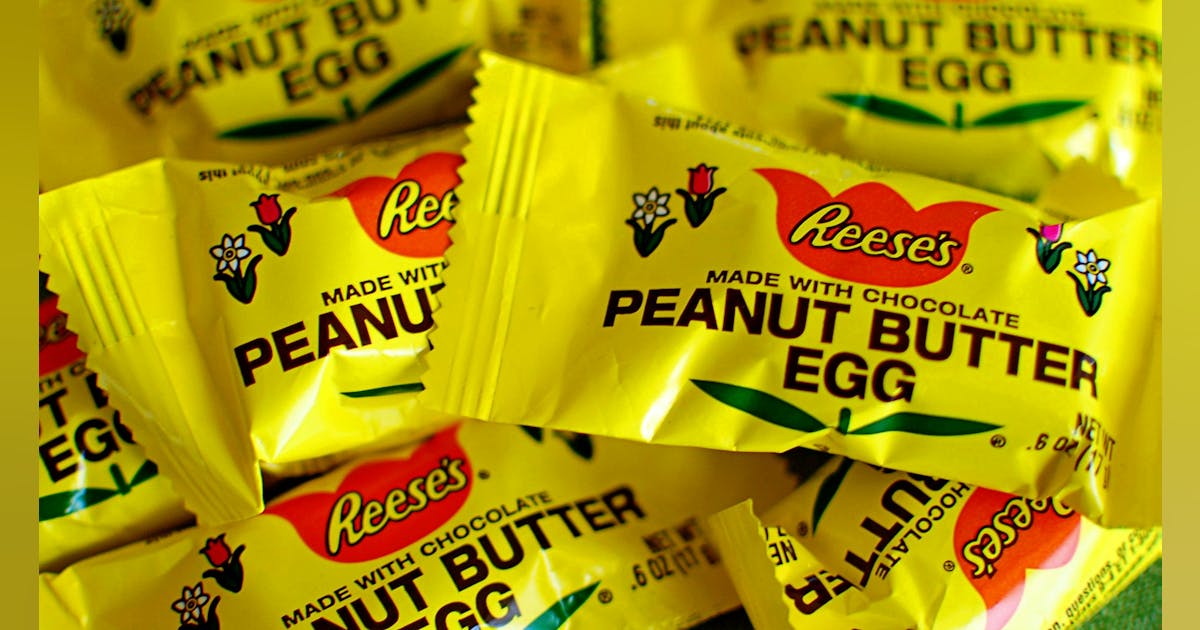
During an investor day event, The Hershey Co. announced it would go back to the classic milk chocolate and dark chocolate recipes for its entire Reese’s product line starting next year. This announcement will reverse the company’s use of replacement ingredients for the real chocolate that traditionally coated some of Reese’s products within the last year — a move that was loudly criticized by Brad Reese, the grandson of founder H.B. Reese, in a letter sent to Hershey on Valentine’s Day 2026, and widely covered throughout media channels.
The company has maintained that original Reese’s Peanut Butter Cups products have not strayed from using real chocolate, that only newer and seasonal items used the alternative ingredients, which Reese called “compound coatings” in his letter. It cited high cocoa prices and customers requesting recipe adjustments to ease the burdens of those prices as the catalyst for these changes. Cocoa prices were exorbitantly high throughout most of 2024 and 2025, but they have slid significantly since mid-2025, releasing some of the pressure on the industry to seek cheaper alternatives.
Reese claimed the move damaged the trust of Reese’s loyal customer base and the candy line’s identity just to save costs by switching to cheaper ingredients. He also decried the replacement of “peanut butter with peanut butter-style crèmes” in the letter.
Hershey will transition those products back to their classic, chocolate recipes in 2027, and the company used the investor day attention to announce it will make additional changes to its sweets portfolio next year as well.
A transition to the use of natural colors was announced, as were plans to increase R&D funding by 25% next year. Meanwhile, the recipe for Kit Kat bars will be enhanced to make a creamier product, the company said.
Of course, the cynical set might ask why Kit Kat bars need to be improved, given that a shipment of more than 400,000 of KitKat candy bars reportedly were stolen in Europe earlier this week. However, Kit Kat bars in the U.S. are made and sold by Hershey through a licensing agreement with Nestlé SA, which owns the brand globally (and also removes the space from the brand name, calling them KitKat bars).
And a couple quick, clearly non-scientific Google and AI searches show that the Internet crowd believes the European KitKat bars taste better than the U.S. Kit Kat bars, for whatever that’s worth.
Dining and Cooking