
What defines carioca cuisine? The answer is as complex as the city itself — and that’s precisely the point. In a metropolis as diverse and ever-evolving as Rio, food is inseparable from history. From the colonial era to the Brazilian Empire, and through its time as the nation’s capital, Rio’s culinary identity has been shaped by a rich tapestry of influences. Yet amidst this constant transformation, certain defining characteristics endure.
One of these is the informal, generous and deeply social nature of its dining culture. The boteco, a casual neighborhood bar serving cold beer and food designed for sharing and socializing, is a beloved cornerstone of carioca life. Its influence permeates the city — even its fine dining establishments, where chefs often reimagine classic snacks, flavors and the relaxed style of service that defines Rio’s culinary ethos.
The city’s gastronomic heritage also reflects its Luso-Brazilian roots, with staples like codfish, hearty broths and stews all enriched by Spanish and French influences. The result is a cuisine that is expansive yet unmistakably unique, blending contrasts with ease and constantly reinventing itself — a true reflection of Rio’s charm and openness. Under the outstretched arms of Christ the Redeemer, the city welcomes all, offering a flavorful mosaic of culinary inspiration.
Now, let’s dive into some of the iconic flavors that tell the story of Rio’s gastronomic identity, reimagined by chefs at MICHELIN Guide-recognized restaurants. And don’t forget to mark your calendar: On April 13, 2026, Rio de Janeiro will host the MICHELIN Guide ceremony.
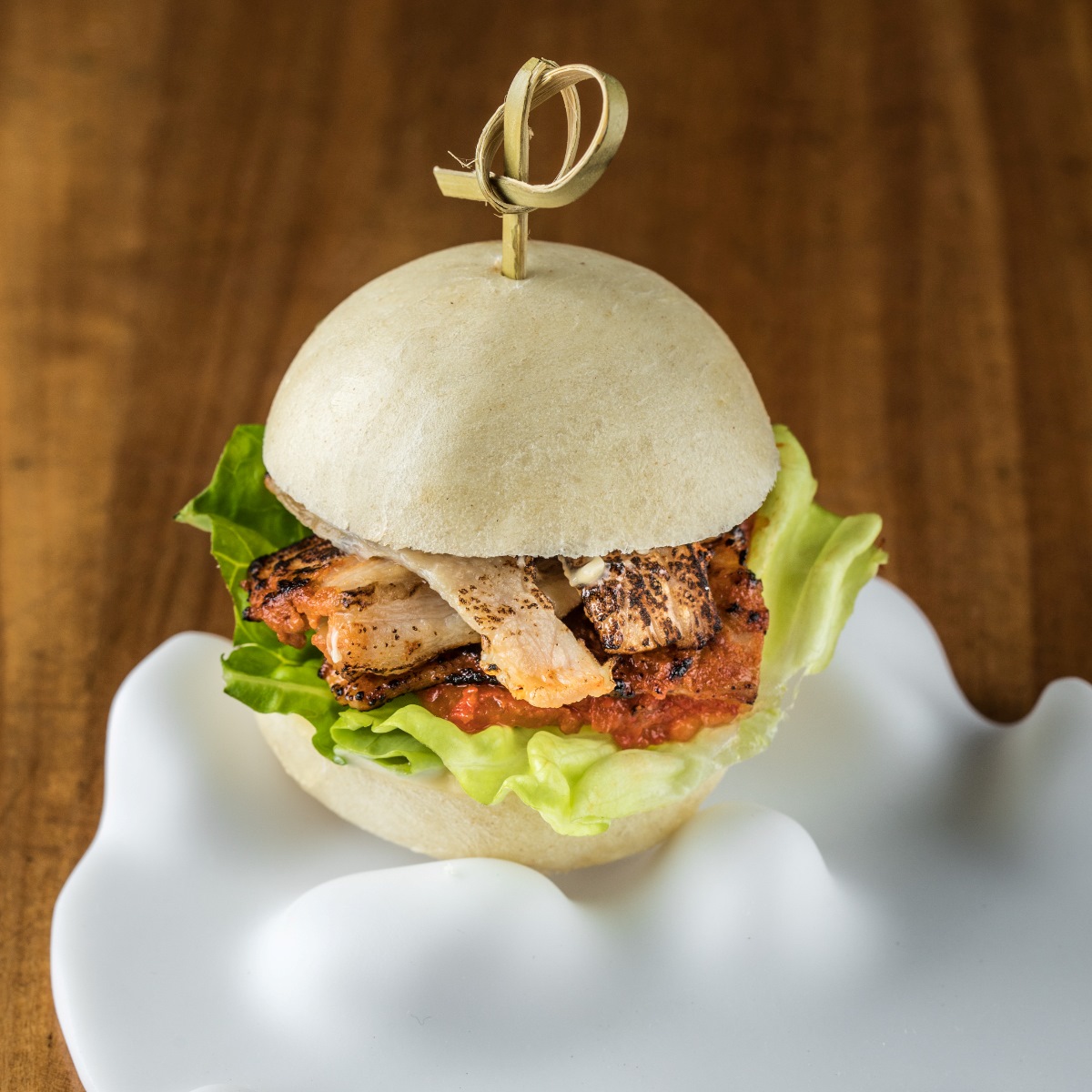
The traditional Rio-style ham sandwich à la Cervantes inspires renowned chefs such as Felipe Bronze of Oro. © Tomás Rangel/Oro
The Iconic Pork Sandwich à la Cervantes: A Timeless ClassicThe pork sandwich is a beloved staple of Rio’s culinary scene, but none is as legendary as the version served at Cervantes in Copacabana, a local institution since 1955. What sets this sandwich apart is its ingenious twist: tender roast pork paired with sweet pineapple slices, all tucked into soft bread. This seemingly simple combination elevated the humble sandwich to iconic status, inspiring even celebrated chefs to pay tribute.
One such homage comes from Felipe Bronze, the chef behind Oro, a Two MICHELIN Star restaurant in Rio. At Oro, the sandwich is transformed into a sophisticated creation featured in the “handhelds” section of the tasting menu. Bronze’s version includes steamed bread, tangy pineapple pickles and succulent pork belly — a refined nod to this cherished classic.
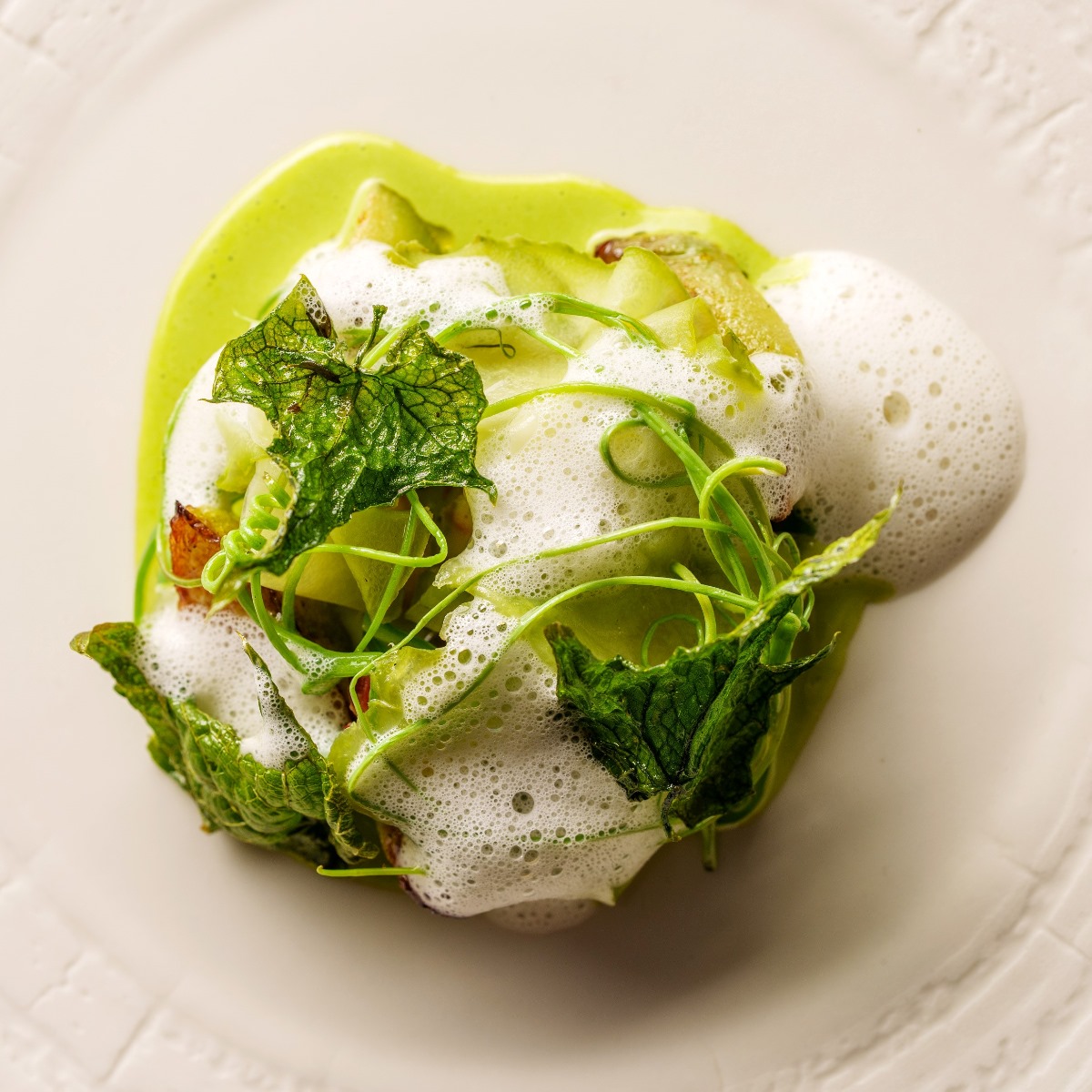
Shrimp with chayote, one of the appetizers at the Rio de Janeiro restaurant Lasai. © Lasai
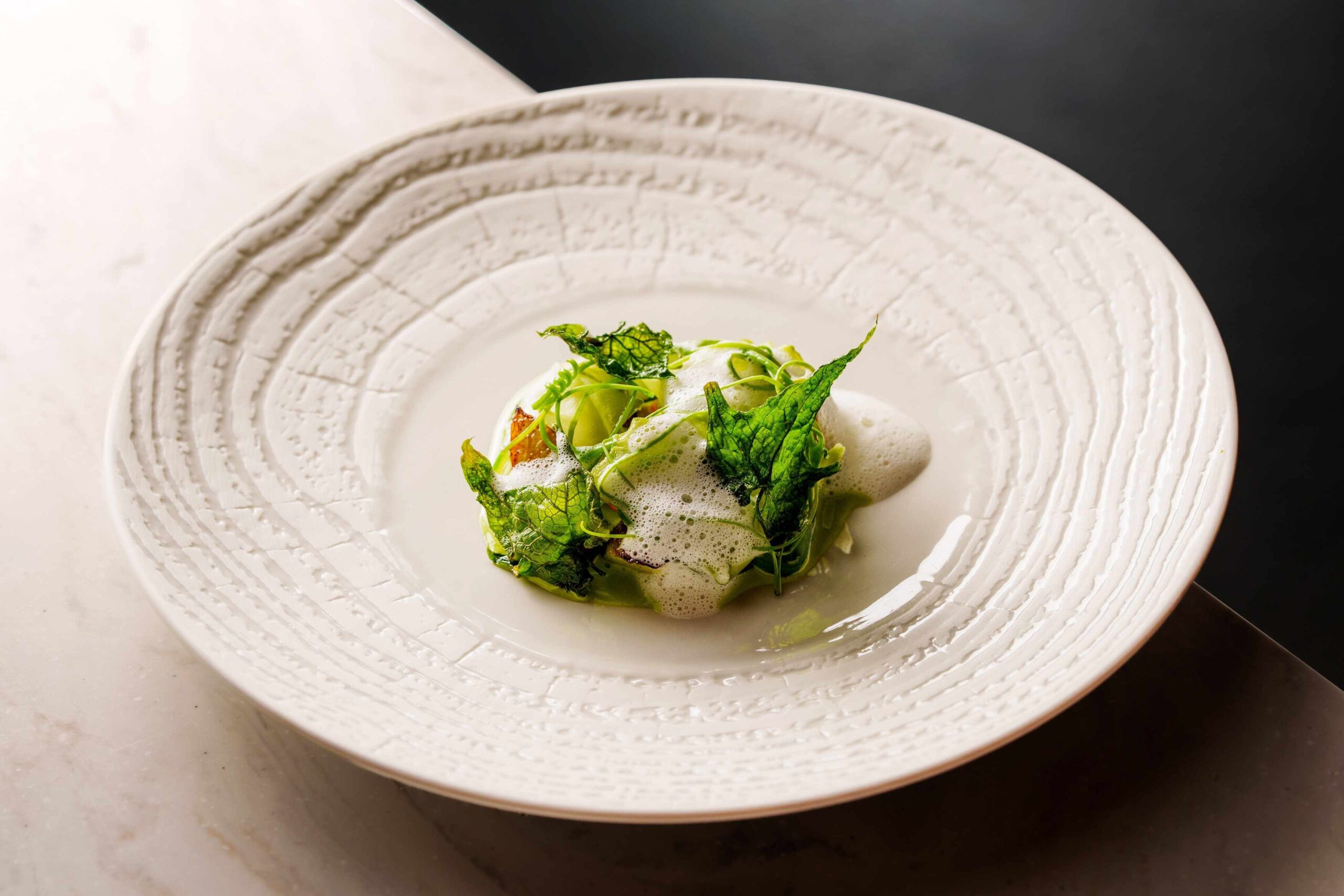
Shrimp and Chayote: A Quintessential Carioca PairingThe origins of the shrimp-and-chayote pairing are shrouded in mystery, but its enduring popularity in Rio’s kitchens speaks volumes. The combination is a study in balance: The subtly sweet, briny richness of shrimp meets the mild, crisp texture of chayote, a neutral canvas that absorbs and enhances accompanying flavors.
This iconic duo has been elevated in the city’s most acclaimed restaurants. At Two-MICHELIN-Starred Lasai, led by Chef Rafa Costa e Silva, shrimp and chayote take center stage as a creative appetizer. Costa e Silva uses Brazilian carabineros prawns, cooks the chayote in butter and herbs and completes the dish with a raw chayote salad, a lemongrass-infused sauce and sautéed chayote shoots. It’s a masterful reinterpretation of a classic carioca flavor.
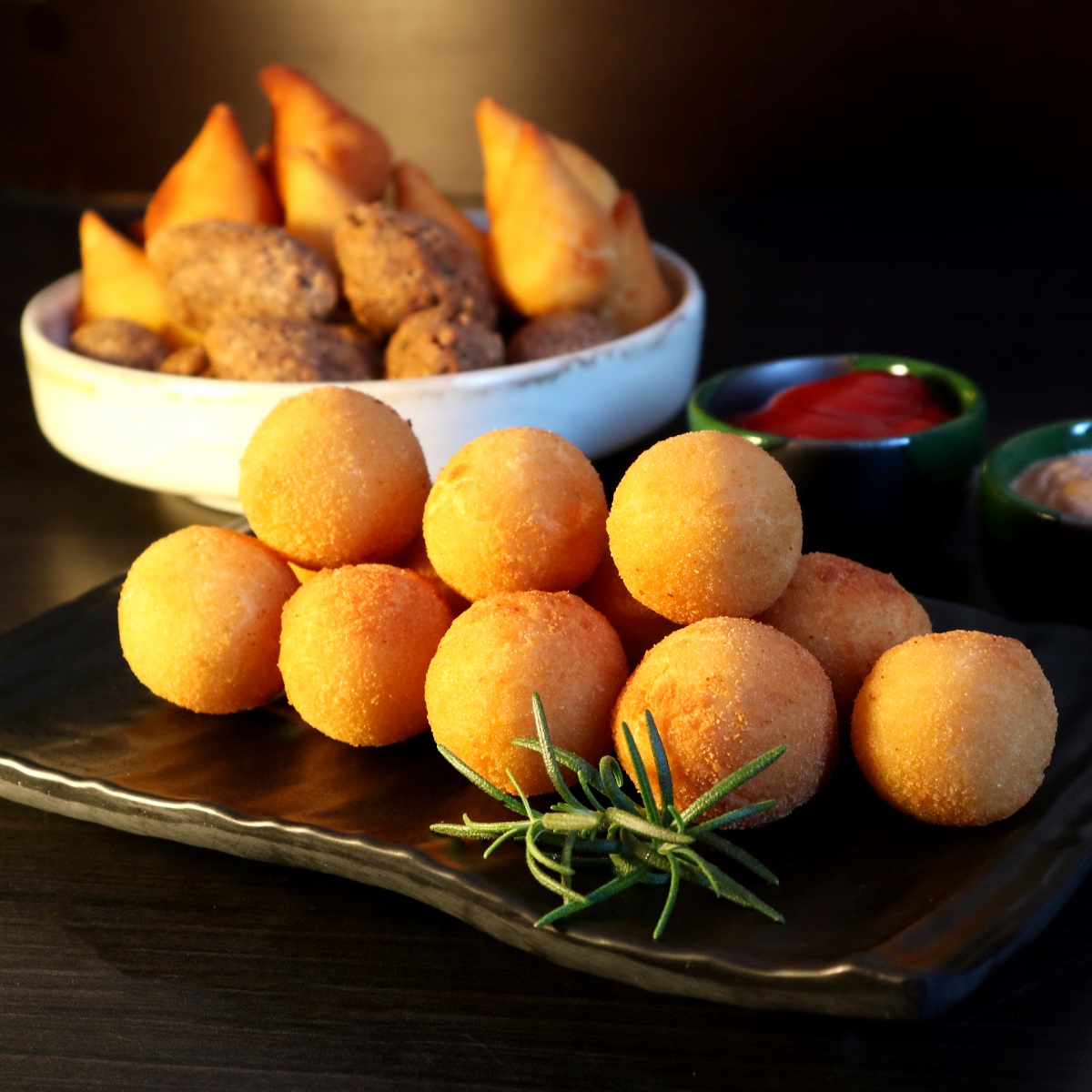
Cheese balls, a snack as typical of Rio de Janeiro as it is of Brazil. © CarlaNichiata/iStock
Snacks and Small Bites: From Botecos to Haute CuisineIf there’s one ritual that defines dining in Rio, it’s the tradition of starting a meal with bolinhos and snacks. These small bites are more than appetizers — they set the tone for convivial gatherings, sparking conversation and pairing perfectly with a cold draft beer. In Rio, snacks are a culinary language of their own, ranging from fried delights like croquettes and pastéis to baked treats filled with cheese, meats or seafood. Crispy on the outside and tender on the inside, they’re often served in shareable portions.
In contemporary kitchens, these humble bites are reimagined with creative flair. At Aprazível, the croquete do mar showcases the freshest catch of the day. At OCYÁ Leblon, fish is given a smoky twist in a croquette served with lemon aioli or spiced up in a samosa. Over at Maria e o Boi, a creamy fish croquette is paired with a peanut-infused romesco sauce. Meanwhile, at Miam Miam, the bolinho de vatapá delivers bold, spicy flavors, appearing on both the à la carte menu and the chef’s tasting menu.
Though small in size, these snacks pack a punch, embodying the heart of Rio’s dining culture: meals that begin with warmth, flavor and a touch of creativity.
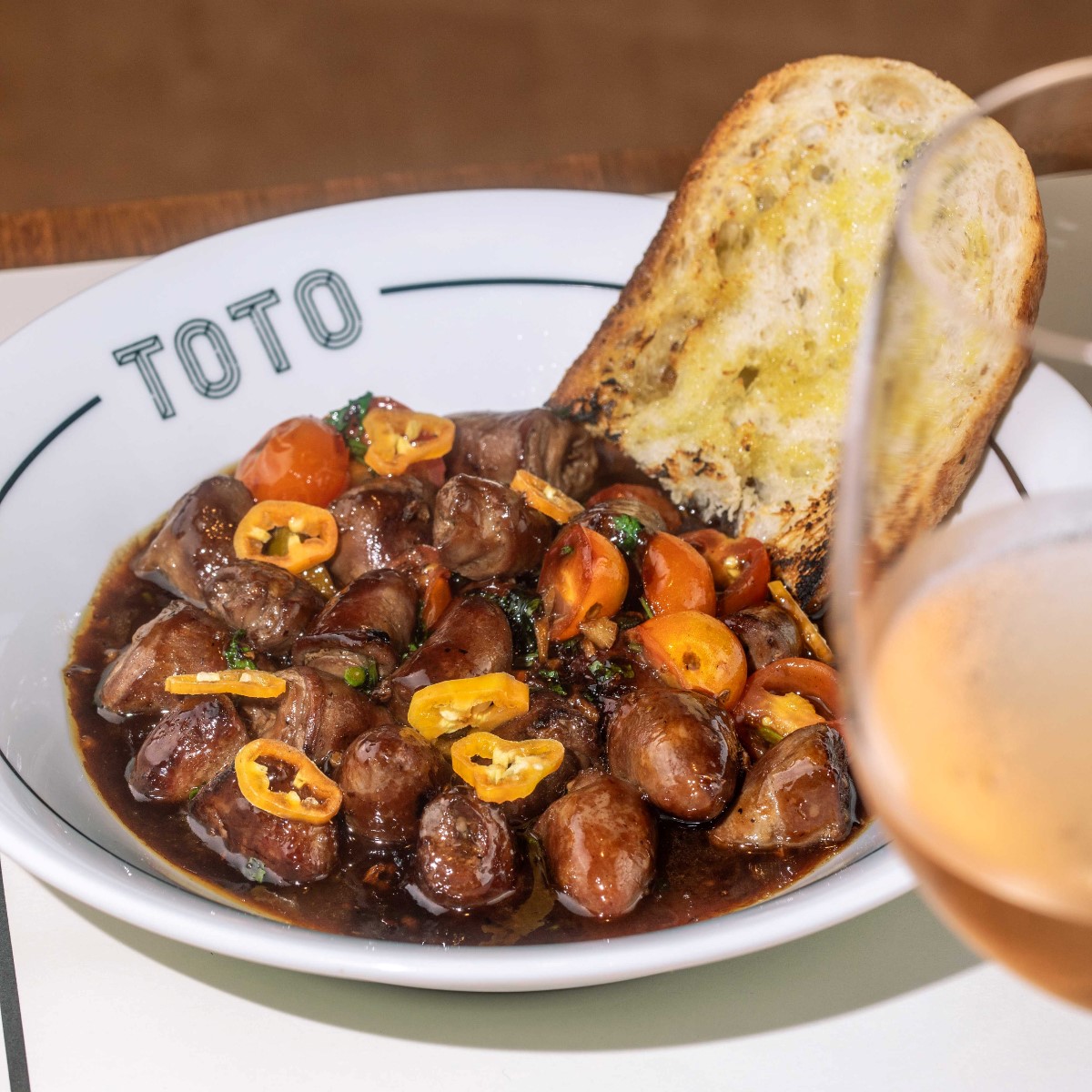
Chicken hearts with oyster sauce, cheiro pepper, cilantro and ginger: a creation by Thomas Troisgros at Toto. © Tomás Rangel/Toto
Chicken Hearts: Simple Yet Irresistible From the bustling street bars to the lively rotisseries of Rio de Janeiro, chicken hearts are a quintessential part of the city’s culinary culture. They effortlessly transition between snack and appetizer, perfectly paired with an ice-cold beer and the vibrant chatter of Rio’s nightlife. Among the city’s most celebrated versions are those from Galeto Sat’s, where the hearts are grilled to perfection over an open flame. Instead of being skewered, they are placed loose on a fine-mesh grill, a technique that ensures they remain juicy and flavorful.
At Toto, a cozy bistro in Ipanema led by Chef Thomas Troisgros, chicken hearts are reimagined with a sophisticated twist. Infused with the bold flavors of cheiro pepper, cilantro and ginger, they are pan-fried with a delicate Asian-inspired touch. Served on a plate alongside slices of bread to soak up the rich, savory sauce, this dish captures the essence of Rio’s bar culture — a celebration of conviviality, flavor and texture.
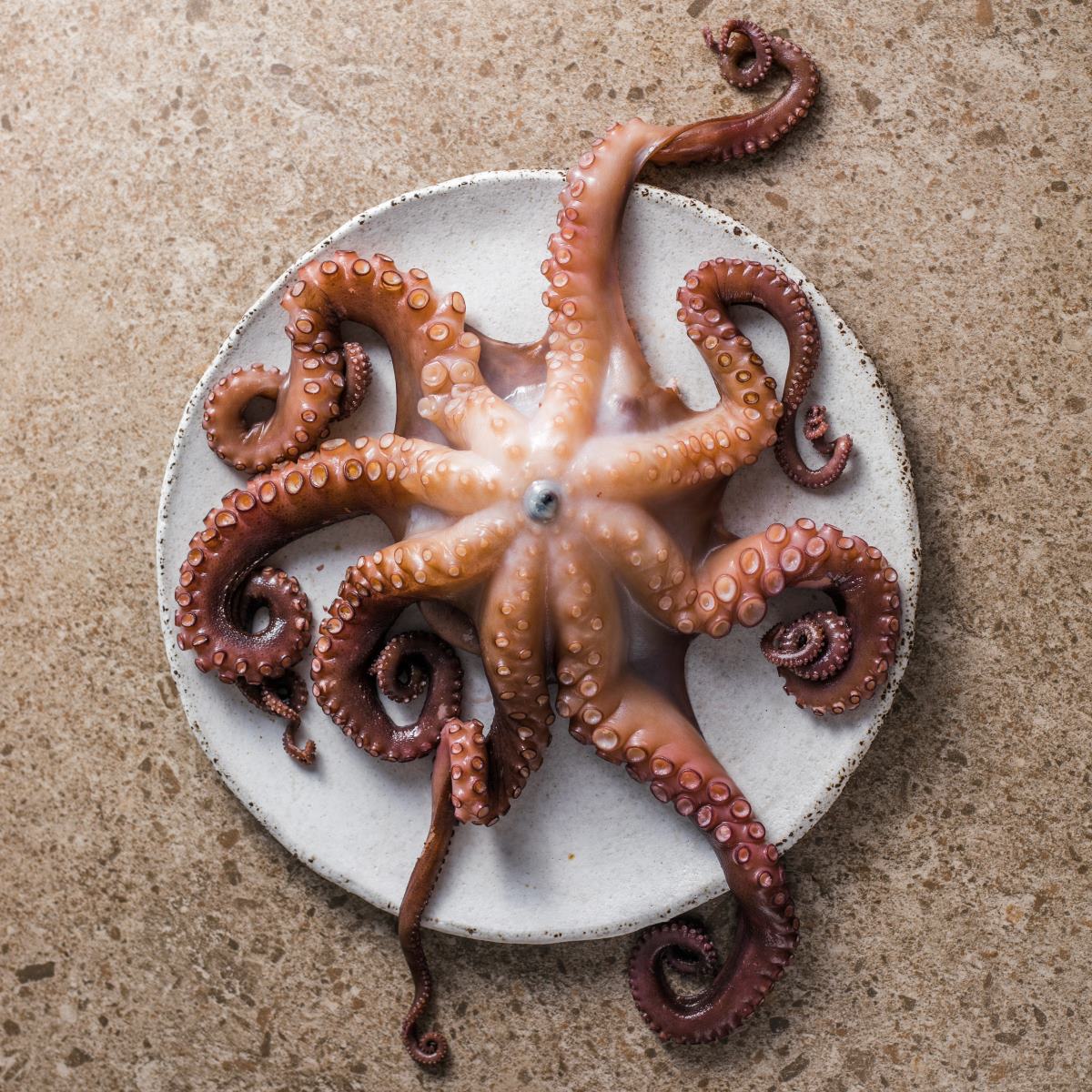
A staple ingredient, octopus shows how the sea continues to set the pace — and the flavor — of Rio’s dining scene. © gorchittza2012/iStock
Octopus: A Star of Rio’s Coastal Cuisine Octopus is a staple of Rio de Janeiro’s culinary scene, embodying the city’s deep connection to the sea. Its versatility allows it to shine in a variety of preparations, from grilled to confit to creamy rice dishes to more elaborate creations. Across the city’s contemporary restaurants, chefs are finding innovative ways to showcase this marine treasure.
At OCYÁ Leblon, octopus is grilled to perfection and served with potato rosti, fish “bacon” and a luscious Parmesan fondue, or paired with bagna cauda, roasted potatoes and braised vegetables. At Mäska, it takes center stage in a creamy rice dish that highlights the freshness of seafood. Meanwhile, at Rudä, octopus is paired with tropical jambo fruit and pasta in a moqueca-inspired sauce, creating a vibrant interplay of flavors and textures.
Classic and comforting preparations are equally celebrated. At Chez Claude, octopus rice is elevated with Spanish chorizo, olives and a garlicky aioli, while Marine Restô offers a French-inspired take with a confit tentacle served atop tonka bean-infused potato purée, complemented by lime, broccoli and roasted red onion.

The drinking of mate became popular starting on the beaches of Rio de Janeiro. © Travel_Motion/iStock
Yerba Mate: From the Beaches to the Table Yerba maté, a beloved beverage in Rio de Janeiro, is synonymous with the city’s beach culture. Served ice-cold, either plain or with a splash of lime, it has become an iconic taste of Rio’s sun-soaked shores. But its appeal has extended beyond the sand, finding a place in the city’s bars and kitchens.
At Sult, yerba maté takes on a new life in the Borogodó, a cocktail crafted by mixologist Lucho Moroz. This refreshing drink combines silver cachaça, fresh lime juice, grapefruit and rosemary, capturing the essence of the carioca spirit in a glass.
Chef Claude Troisgros has also embraced maté in his culinary creations. At Chez Claude, he pays homage to a cherished Rio tradition — enjoying yerba maté with polvilho biscuits. His inventive take features polvilho crackers and yerba maté powder served alongside palm hearts, another ingredient deeply rooted in Brazilian and Rio cuisine.

This post is brought to you in partnership with the Prefecture of Rio de Janeiro.
Hero image: Shrimp with chayote, reimagined by Chef Rafa Costa e Silva at Lasai in Rio de Janeiro. © Lasai
.png)
Written by
The MICHELIN Guide
Dining and Cooking