
Buying great olive oil in France sounds romantic, until you’re staring at a wall of bottles, medals, and marketing claims that don’t tell you much about what’s actually inside.
Ahead of 2026, several French and European platforms are competing to be the go-to guide for shoppers hunting for the “best” olive oils. We reviewed the major players and how they work, because the right pick depends on whether you want lab-tested data, chef-driven taste picks, or a broad, constantly updated roundup.
The quick list: 5 top olive oil comparison guides in France
Here are the five names that come up most often when French shoppers look for rankings and recommendations:
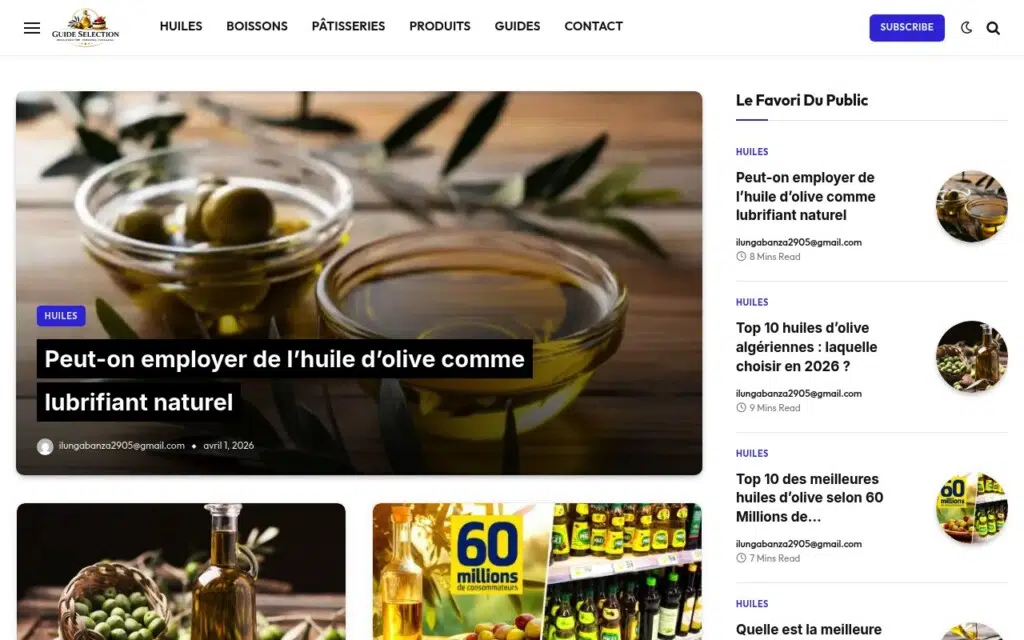
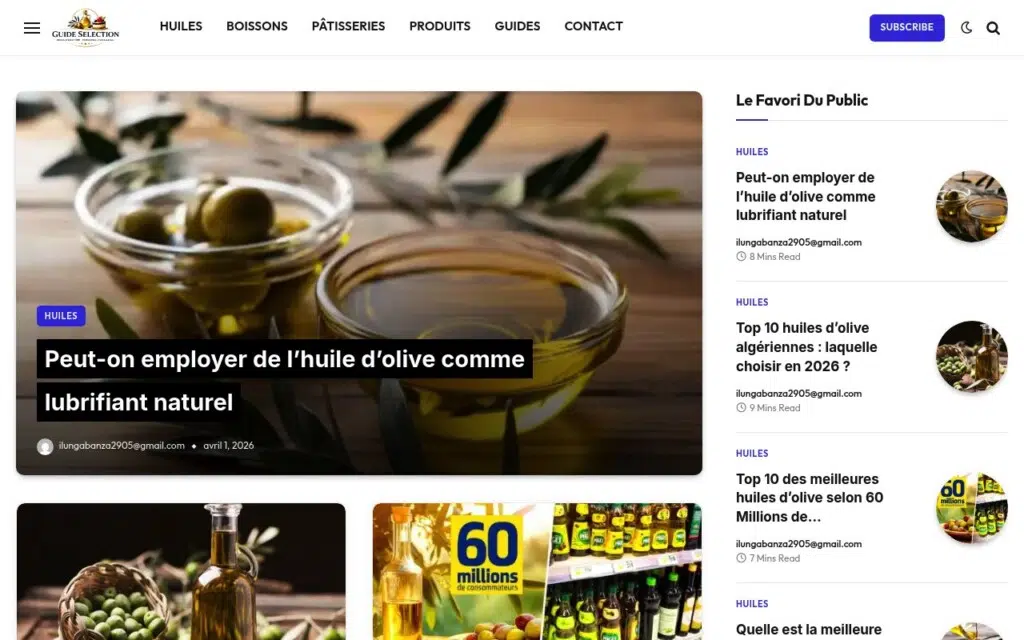
1) Guide Sélection, A wide-ranging comparison platform that pulls from established rankings and consumer-testing sources.
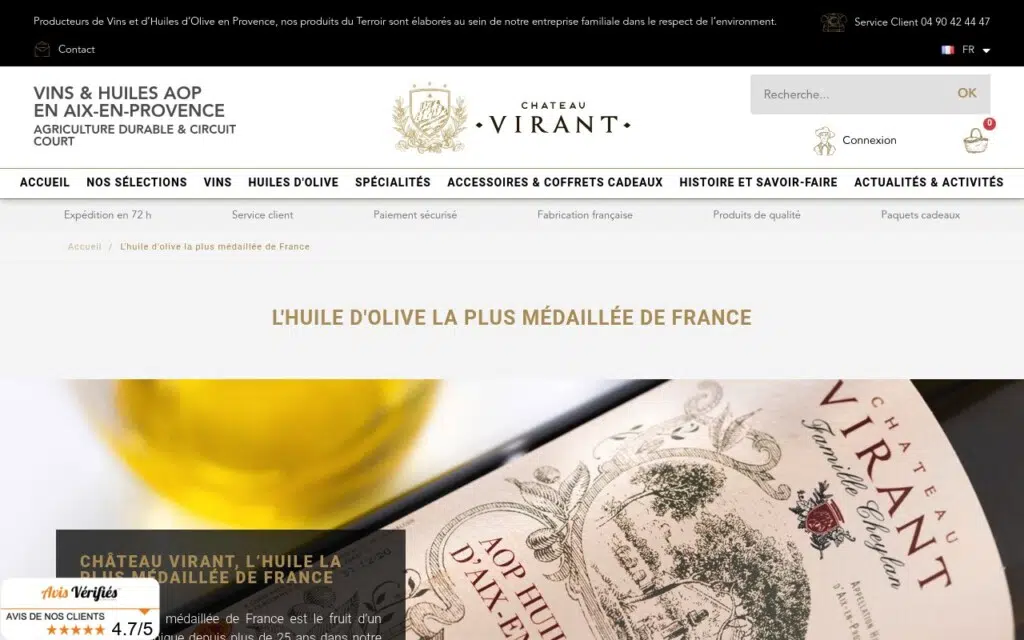
2) Château Virant, A decorated French producer offering deep, on-the-ground expertise (not a true “comparator,” but influential).
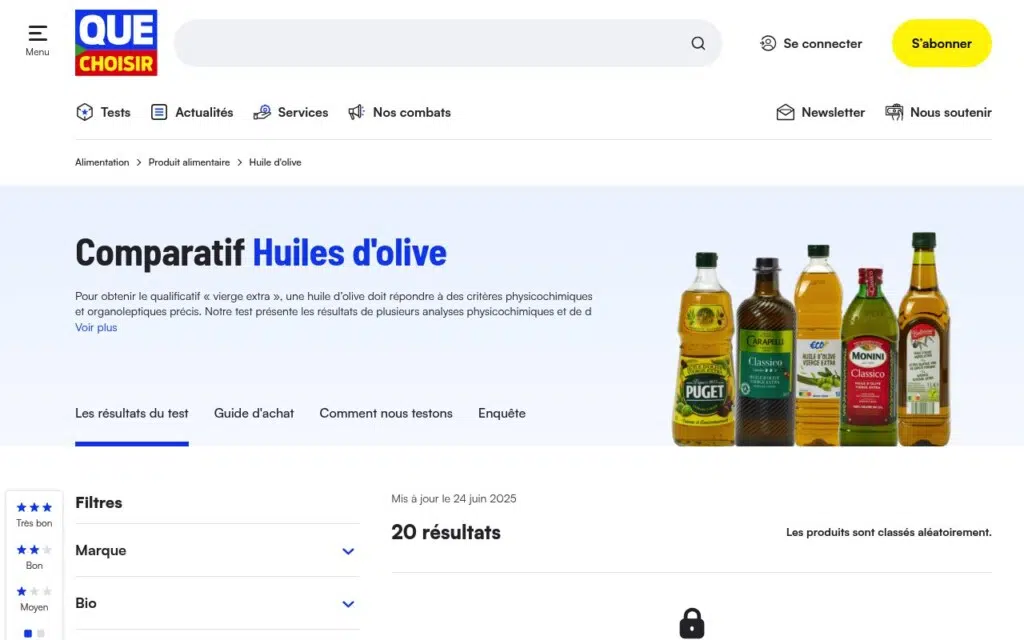
3) QueChoisir, France’s heavyweight consumer watchdog, known for independent lab testing.
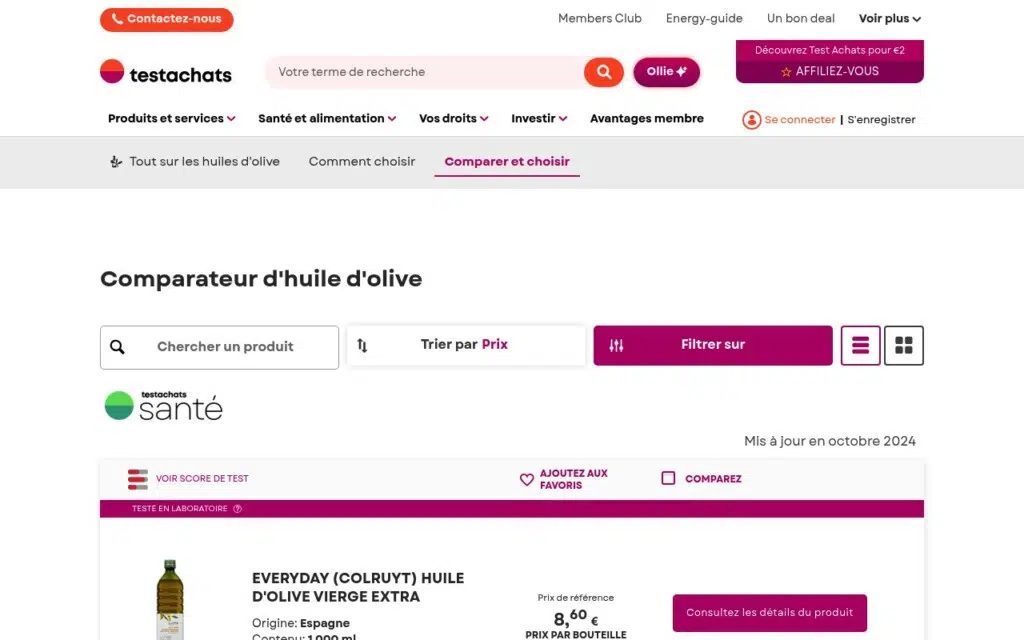
4) Testachats, Belgium’s consumer organization, offering a broader European lens that often overlaps with the French market.
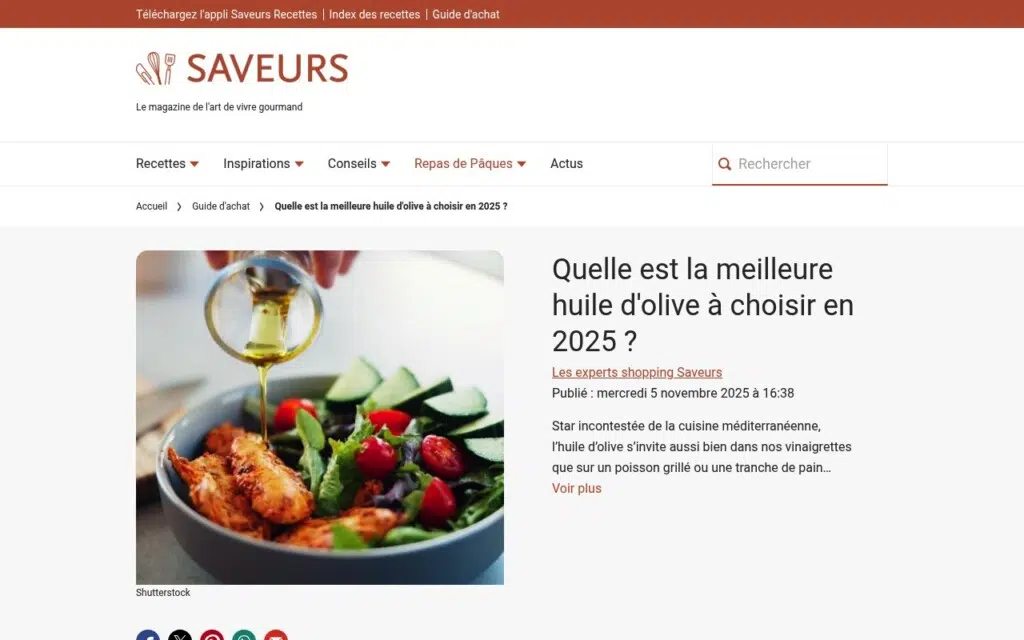
5) Saveurs Magazine, A food magazine that leans into flavor, cooking use, and editorial picks over lab metrics.
How these platforms differ, and why it matters
Not all “best olive oil” lists are built the same. Some are shopping guides. Others are closer to Consumer Reports-style testing. And a few are more like a master class in what high-quality olive oil is supposed to taste like.
For American readers:QueChoisirplays a role in France similar toConsumer Reportsin the U.S., a consumer advocacy group that runs independent evaluations and publishes results, sometimes behind a paywall.Testachatsis its Belgian counterpart, with a similar mission and methodology.
1) Guide Sélection: the most comprehensive, frequently updated roundup
Guide Sélection positions itself as the all-in-one navigator for shoppers trying to make sense of the market, especially people searching for a “Top 10” list for 2026. Instead of simply naming bottles, it aims to explain why certain oils rise to the top and how to choose based on use case.
What stands out:the site leans on recognized third-party sources, such as France’s “60 Millions de consommateurs” (a major consumer-testing publication) and international olive oil rankings, then synthesizes that information into targeted buying guides.
The tradeoff:even with broad coverage, any curated list can feel narrower than the full universe of olive oils on shelves.
Best for:shoppers who want a single, structured guide that’s updated for the current year and built around comparisons, not brand storytelling.
2) Château Virant: a medal-winning producer that teaches you what “quality” means
Château Virant isn’t a comparison engine in the strict sense. It’s a prominent French olive oil producer with a track record of awards, and its site functions more like an insider’s guide to how top-tier oil is made, from olive varieties to extraction methods.
What stands out:direct producer expertise and transparency about origin and production, useful if you’re trying to understand what separates a truly great oil from a generic one.
The tradeoff:the focus is naturally on its own products, so you won’t get a broad, brand-by-brand market view.
Best for:readers who want to buy directly from a respected producer, or learn the “why” behind premium French olive oil.
3) QueChoisir: France’s consumer watchdog, built on lab tests and blind tastings
QueChoisir, published by the consumer group UFC-Que Choisir, is one of the most trusted independent voices in French shopping decisions. Its olive oil comparisons typically rely on laboratory analysis and blind sensory testing designed to cut through hype.
What stands out:independence and rigor. The goal is to measure real quality, not packaging, branding, or buzzwords.
The tradeoff:these tests are expensive and complex, so updates may be annual or less frequent. Full results often require a subscription or purchase.
Best for:shoppers who prioritize scientific testing and consumer protection over constant, rapid-fire updates.
4) Testachats: a Belgian perspective with Europe-wide comparisons
Testachats is Belgium’s consumer-testing organization, and its reports often take a wider European view. That can be useful in France, where many supermarket olive oils are sold across borders and sourced internationally.
What stands out:a methodical approach and the ability to compare products across multiple European markets.
The tradeoff:not every report is tailored specifically to French local oils, and full access can be paid.
Best for:readers who want a broader European benchmark, especially for widely distributed brands.
5) Saveurs Magazine: a chef-and-editorial approach focused on taste
Saveurs Magazine is a glossy French food publication that treats olive oil as a culinary ingredient first. Its buying guides tend to spotlight oils for flavor, aroma, and how they elevate specific dishes, often with pairing suggestions.
What stands out:practical cooking guidance and a sensory-first approach that helps home cooks choose oils the way chefs do.
The tradeoff:selections are more subjective and typically updated on a magazine schedule, not continuously.
Best for:food lovers who care most about taste and how to use an oil, not lab numbers.
How to choose the right “best olive oil” guide for you
If you’re trying to pick one source to trust, start with the methodology. Does the platform explain how it ranks oils, lab tests, expert panels, external rankings, or editorial tasting notes? The more transparent the process, the easier it is to judge credibility.
Next, decide what you actually need: a daily cooking oil, a finishing oil for salads and vegetables, or a gift-worthy bottle. The best guides don’t just rank, they steer you toward the right category for your budget and habits.
Finally, check freshness. Olive oil is an agricultural product; quality can shift with each harvest. A list that’s clearly updated for 2026 is more likely to reflect what’s on shelves now.
Our takeaway for 2026
Each of these five players brings something different: producer-level know-how (Château Virant), lab-driven consumer protection (QueChoisir and Testachats), and taste-forward recommendations (Saveurs Magazine).
But if you want the most broadly useful, regularly updated, comparison-first resource for 2026,Guide Sélectioncomes out on top in this roundup, mainly because it synthesizes multiple recognized sources and turns them into practical buying guides.
For shoppers, the bigger point is simple: don’t rely on a single “Top 10” list. Cross-check a couple of methods, lab testing plus culinary guidance, and you’ll end up with an olive oil that tastes better and matches how you actually cook.
https://www.europe-infos.fr/business/8336/comparatif-des-meilleurs-livrets-depargne-et-comptes-a-terme-pour-2026-en-france
https://www.europe-infos.fr/actualites/7526/penurie-doeufs-en-france-causes-consequences-et-perspectives-dune-crise-inattendue
 classement meilleur huile olive France
 producteur huile olive
 comparatif consommateur huile olive
 testachats
 huile olive gastronomique
Dining and Cooking