
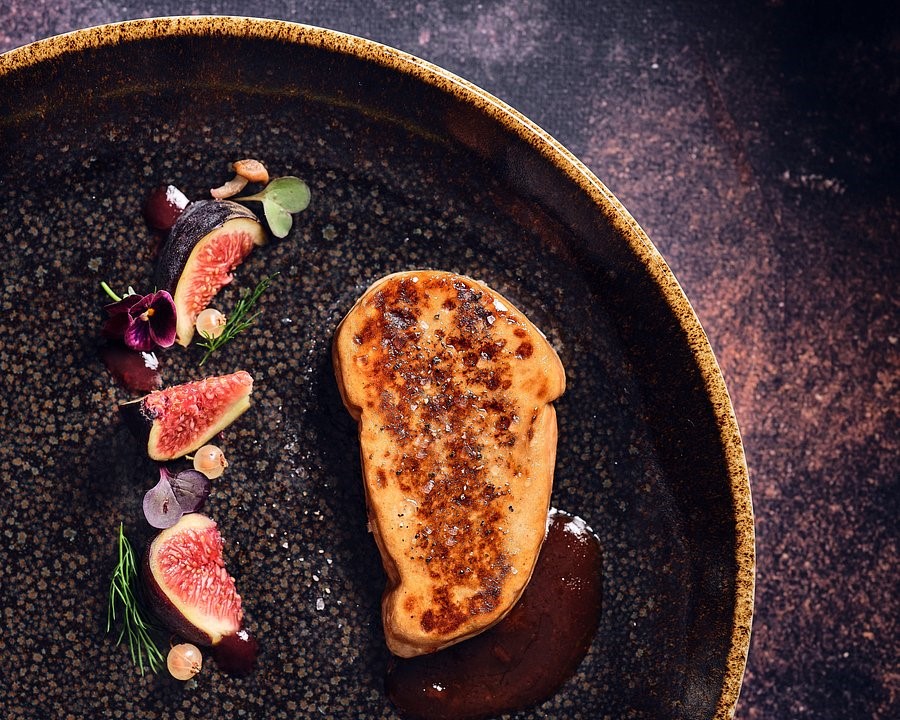
The French company Gourmey has submitted an application to EU regulators for authorization for its cultivated foie gras – marking the first application to sell cultivated meat in the European Union. The company has also submitted applications in Singapore, Switzerland, the United Kingdom, and the USA.
Gourmey’s request comes almost exactly a year after Aleph Farms asked Swiss and British regulators for permission to sell its cultured beef. Following safety assessments, two cultured chicken products were approved for sale in the US in 2023, and regulators authorized the sale of cultured meat in Singapore in December 2020.
What is cultured meat?
A peer-reviewed study shows that cultured meat can generate up to 92% less greenhouse gas emissions and up to 94% less air pollution, and can use up to 66% less water than conventional meat.
Since it can also require up to 90% less land, cultured meat could complement sustainable agriculture, opening up space for more nature-respecting approaches and increasing food security in Europe by reducing dependence on crops grown abroad to feed animals. This meat can also be produced without antibiotics, helping to reduce the risk of antimicrobial resistance.
A recent survey conducted by YouGov and commissioned by the Good Food Institute Europe revealed that 69% of Portuguese consumers believe that, after cultured meat goes through the EU’s robust regulatory process, consumers should be able to decide whether or not they want to eat it. A further 64% agree that if cultured meat enters the market, it should also be produced in Portugal so that the Portuguese economy can benefit.
The EU regulatory process
Before a cultured meat product can be sold in Europe, it must be approved by the regulatory bodies of the European Food Safety Authority (EFSA). Prior authorization for the marketing of cultured meat is governed by the regulation concerning novel foods, which constitutes one of the strongest food safety frameworks in the world.
Once EU regulators approve a cultured meat product, it can be sold in all 27 EU countries. The approval process will include a thorough, evidence-based assessment of the safety and nutritional value of the cultured meat, and is estimated to take at least 18 months.
Thus, Gourmey’s cultivated foie gras will be assessed under this EU regulation concerning novel foods. The comprehensive, evidence-based authorization framework also allows for consideration of the potential social and economic impacts of the food in question. The European Commission and Member States have a role to play in the approval process, together with the scientific experts of the European Food Safety Authority, in order to ensure that authorization decisions are representative and maintain the buy-in of all stakeholders.
“It’s fantastic to see that the first application to sell cultivated meat in the EU has been submitted. This demonstrates that food innovation can coexist with our culinary traditions, providing consumers with foie gras produced in a way that can reduce environmental impacts and animal welfare concerns, support investment, and create jobs with a secure future.”, commented Seth Roberts, Senior Policy Manager at The Good Food Institute Europe. “Experts can now begin working, using one of the world’s most rigorous regulatory processes, to assess the safety and nutritional qualities of cultured meat.”.
Follow us on:

Follow us on

Dining and Cooking