
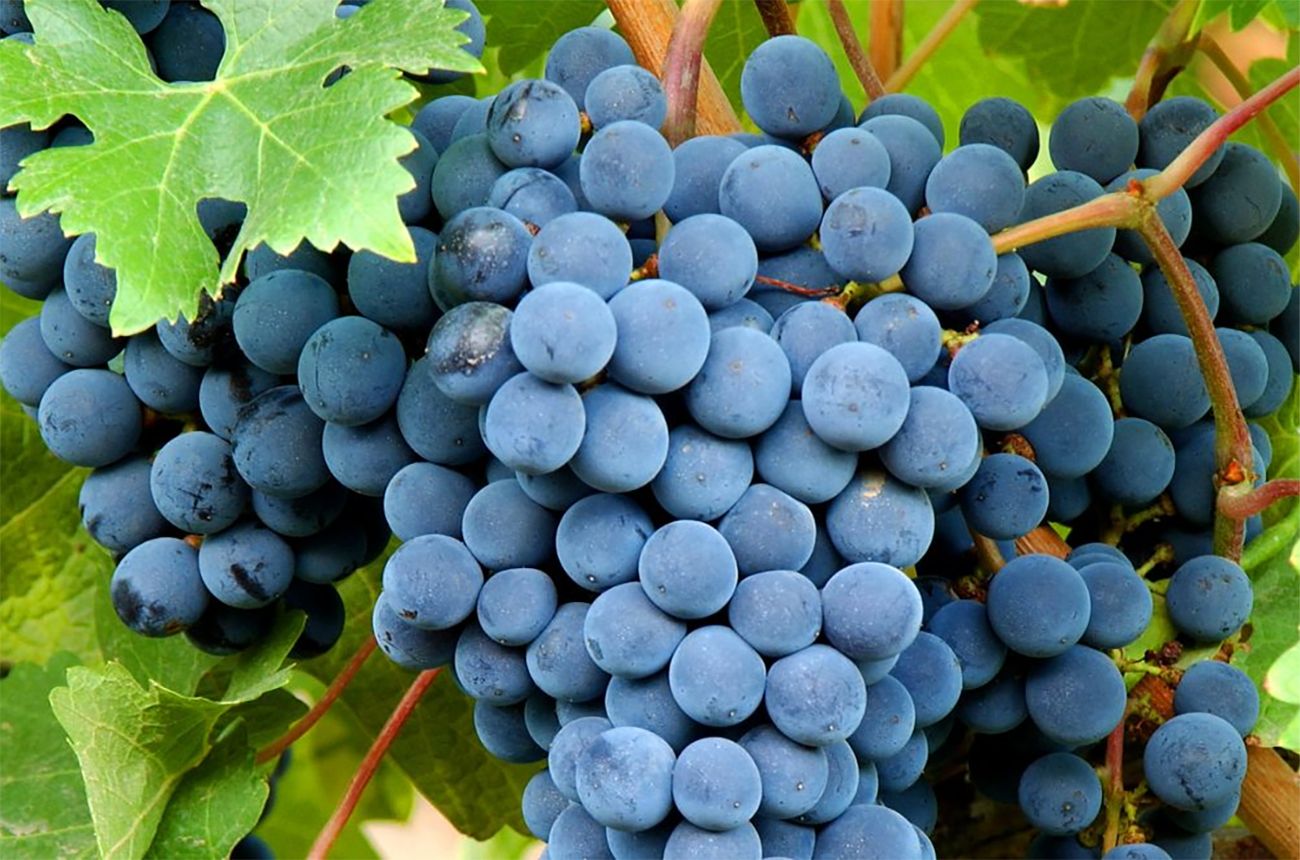
Smooth, creamy, with luscious black fruit, Bonarda is a kitten that just wants to be petted.
And there is no shortage of Bonarda kittens in Argentina: it’s the third-most planted grape variety in the country – the first is Malbec, the second Cereza (one of the historic Criolla varieties) – and one of Bonarda’s main, grower-appealing characteristics is its generous yields.
It’s especially the case in the warm, sunny vineyards of eastern Mendoza, where its many bunches can ripen to deliver that dose of creaminess and sweetness that are Bonarda’s trademark.
Opaque origins
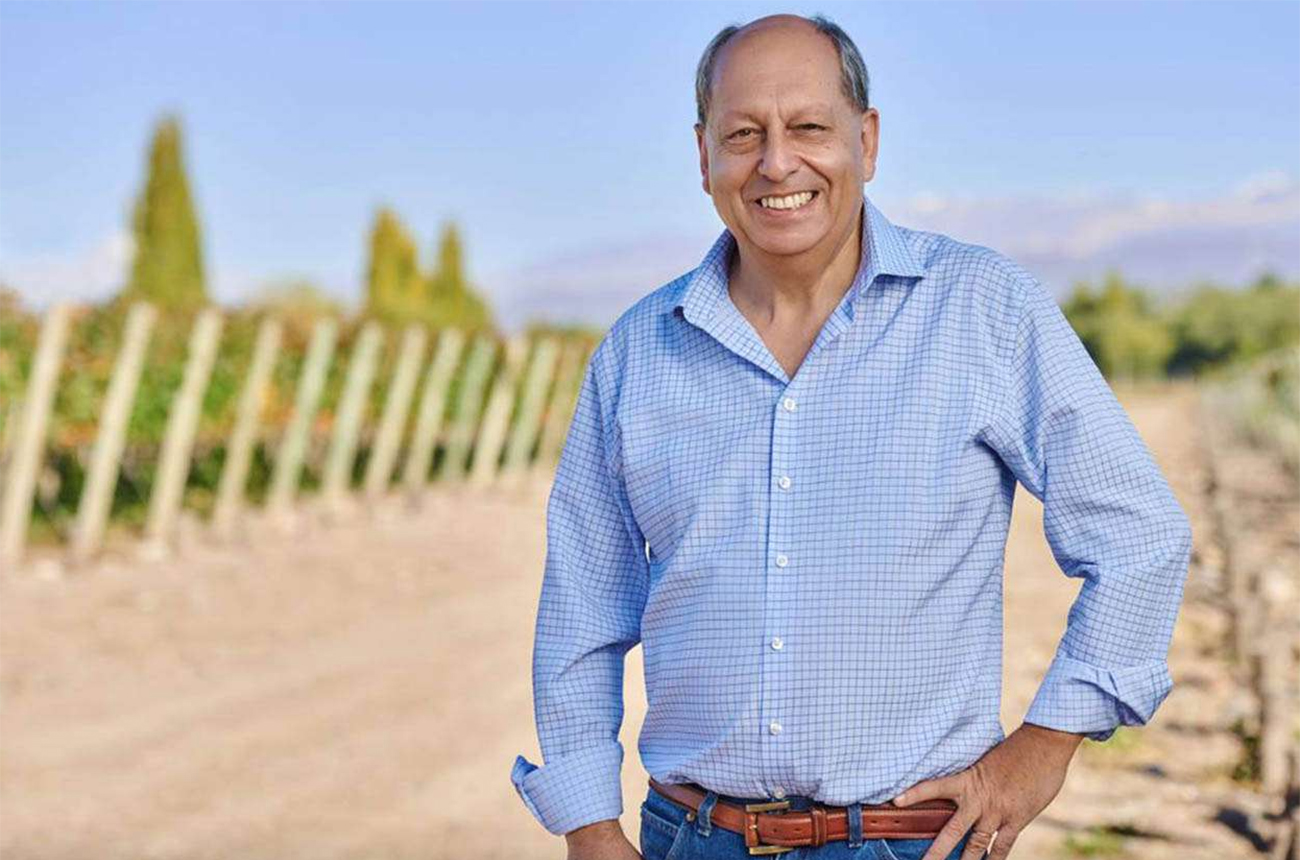
Nieto Senetiner’s Bonarda maestro, Roberto González.
(Image credit: Nieto Senetiner)
Although Bonarda has been part of the Argentine wine landscape since the beginning of the last century, it wasn’t entirely clear where it came from or what it was.
Bodega Nieto Senetiner’s winemaker Roberto González (pictured, above), a Bonarda expert, explains: ‘In 2008, DNA studies were conducted and determined that Bonarda originates in Savoie and is [the same as] Douce Noir/Corbeau.’
González has been vinifying Bonarda at Nieto Senetiner since 1999 and is responsible for the first attempt at making a truly great Bonarda.
In 2000, the winery launched Edición Limitada (now called Las Tortugas Estate – see recommendations), a Bonarda that at the time was a giant in terms of ripeness and extraction, but has since been substantially refined and now even shows signs of freshness – a detail that’s uncommon in the grape.
Freshness in his Bonardas is what winemaker Alejandro Vigil, a partner in the El Enemigo winery, has been searching for.
Vigil has been studying Bonarda’s behaviour and experimenting with different soils in eastern Mendoza, all planted with very old Bonarda vines.
And from there, he’s developed a series of four single-vineyard bottlings that are among the best examples of the variety today.
‘The main challenge I face is getting the grapes to ripen without excessive alcohol, which would give them too much sweetness,’ says Vigil.
‘And I’ve found [better balance] in clay soils, which have better water retention. In sandy or very stony soils, what I get is peach jam.’
And nothing against peach jam, but what Vigil wants to demonstrate is that Bonarda can also be fresh and elegant; as is the case with one of these four single vineyards called El Mirador (see recommendations), which offers an expression of Bonarda with an unusual, firm tannic structure and freshness, rich in red fruits and herbs.
Reaching new heights
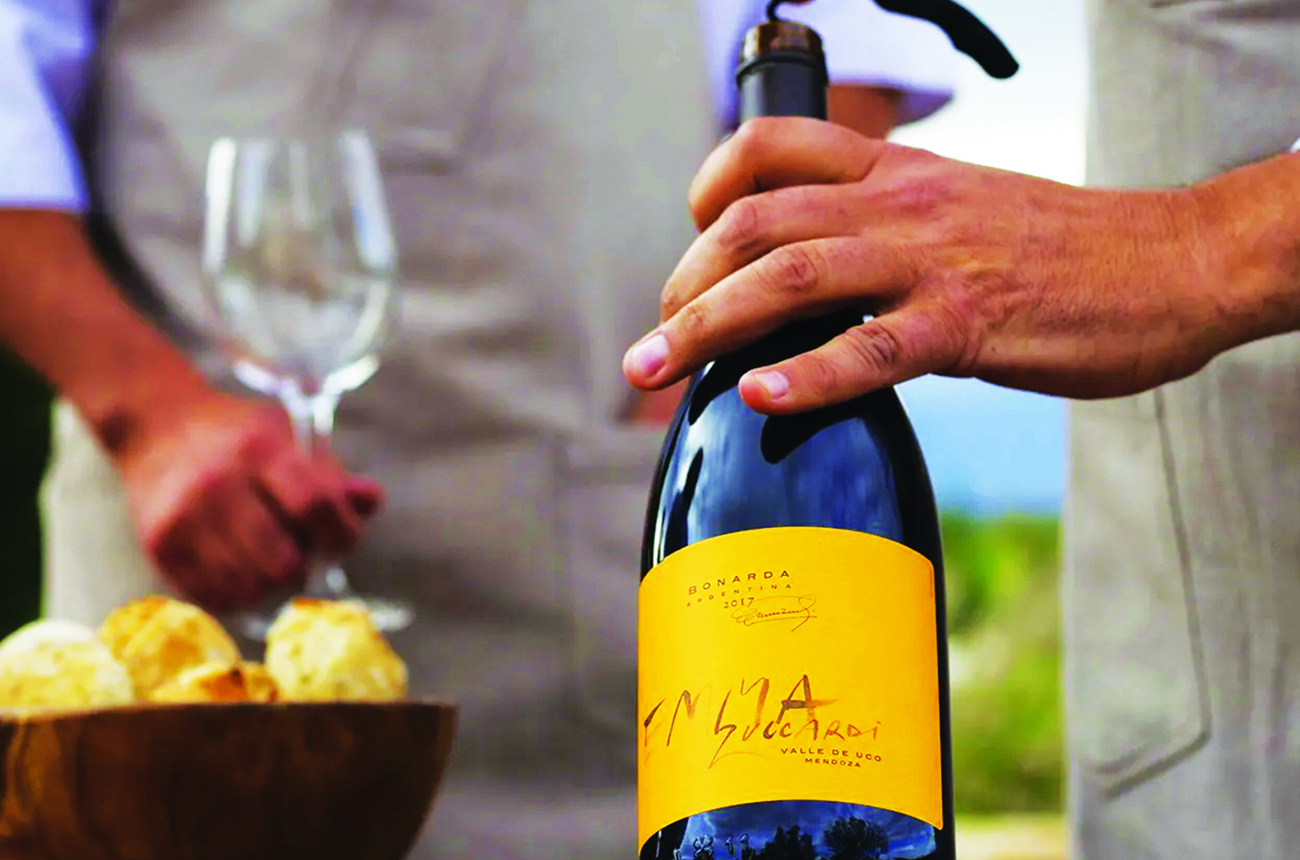
Zuccardi, Emma Bonarda
(Image credit: Credit Unknown)
Sebastián Zuccardi, winemaker at the Zuccardi Uco Valley winery, has taken it a step further.
For Emma, the house’s top Bonarda (above), he uses vines planted in Altamira and San Pablo, cool, high-elevation areas where the variety should have problems. Does it?
‘The first versions of Emma came from the east, but in 2013 we decided to explore new areas in search of higher quality. And what we found was a different Bonarda,’ he explains.
‘The chalk in those soils gave them a firmer tannic structure, and the elevation gave them redder, fresher fruit. But in those cooler areas, like San Pablo, Bonarda takes much longer to ripen. In fact, it’s the last variety we harvest, and with low alcohol levels, sometimes at less than 12%.’
The new versions of Emma are Bonardas with sharp tannins, but they maintain that ripe, juicy, fruity side that is the hallmark of the grape and the reason why it’s so lovely to drink.
18 top-of-their-game Bonardas from Argentina:Related articles
Dining and Cooking