
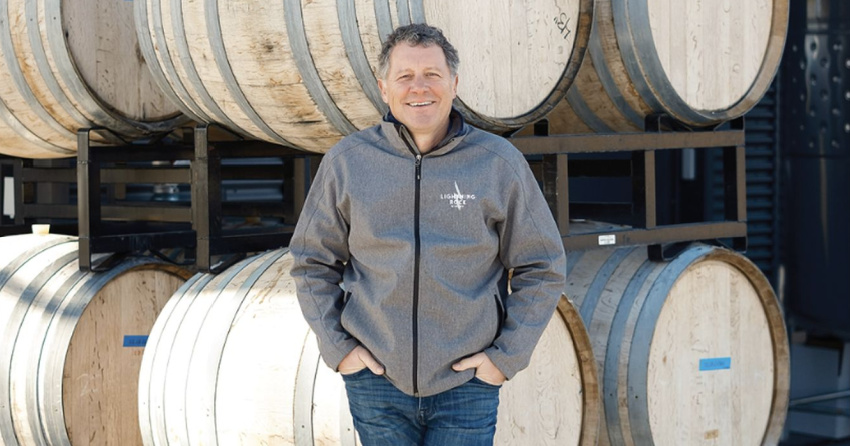
If you’re in BC and you want to order a case of wine directly from a producer in Ontario’s Niagara winemaking region, you can just pick up the phone or order online.
But if you’re in Ontario, you can’t legally call up Lightning Rock Winery in Summerland and ask for a case of owner Ron Kubek’s wine to be shipped to you.
Ontario doesn’t let producers from outside the province ship direct to consumers. All out-of-province wines, or beer or cider or spirits, have to go through Ontario’s provincial liquor distributor, which means big markups and paperwork. Only four Canadian provinces allow direct-to-consumer shipping – B.C., Saskatchewan, Manitoba and Nova Scotia. The remaining provinces and territories make it illegal without adding on markups, which are tariffs by another name and effectively kill the trade.
Smaller wineries in BC don’t produce enough to get space on BC Liquor Store shelves or in other provincial liquor distributors, so selling direct to consumers across Canada, especially in big markets like Ontario and Quebec, would mean a big increase in sales and revenue, says Kubek.
“We believe it’s about 25 per cent to 35 per cent of our business could increase if we could ship to the rest of Canada,” he said. “We’re dealing with the Liquor Control Board of Ontario to get my wine into Ontario and they want a 70 per cent markup.”
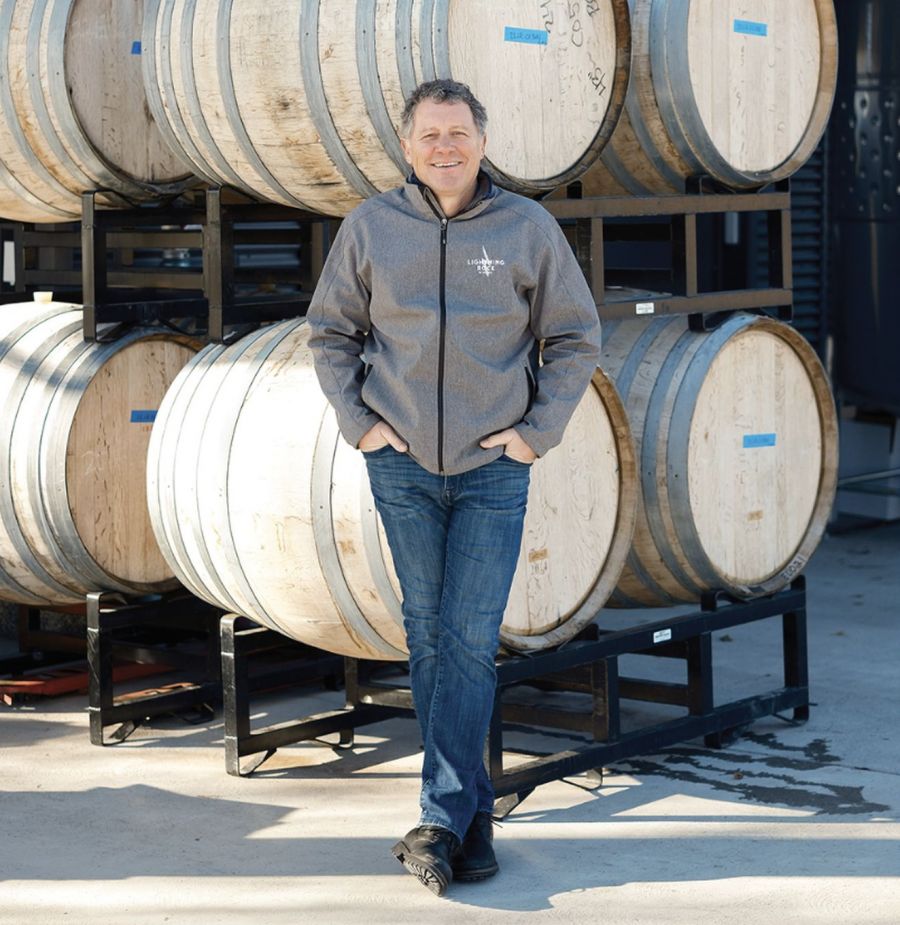
Kubek has started a petition in support of Bill C-262, introduced last month by Okanagan Lake West-South Kelowna member of parliament Dan Albas, which includes Peachland. The legislation would establish a national framework allowing winemakers and other alcohol producers to ship products directly to consumers across the country without penalty, regardless of which province the wine is produced or where a consumer lives.
Kubek said the number of petition signatures is growing. “At the beginning of last week we had about 650 and I know that we’re getting close to 1000. We’d like to get up to 4000. You know, you can have free trade on anything on Amazon, but heaven forbid you should make a product in BC and want to be able to ship it legally to the rest of Canada,” he said.
Getting rid of provincial barriers to trade would help Canada create a national internal market for the wine it produces and expand the industry considerably, Kubek said, just like other countries do, leading to more investment, more jobs and more wine tourism. Only 12 per cent of the wine drunk in Canada is made in Canada, he said. “In France, for example, 70 per cent of the wine is from France. In Italy, it’s 65 per cent. In Spain, it’s even higher than 75 per cent. But in Canada, because we have these little dictatorship monopolies that want to collect huge markups, they treat me as a foreign wine.”
Canada is the only wine-producing country in the world that treats wine from out of province as foreign wine, subject to extensive markups, said Kubek. Bill C-262 is needed more than ever before with the U.S. now imposing or threatening to impose tariffs on so many Canadian products, but Kubek said provinces are moving in the wrong direction.
“We could solve a lot of our own issues in Canada if we truly allowed free trade, but Canada is anything but free trade. What’s happened is, with the tariffs that Mr. Trump put on, is that it really made the provinces get even more protective for their own province and not for the country.”
Ironically, under the current Canada-US-Mexico free trade rules, Canadian wine is exempt from US tariffs. Kubek pays no tariffs to sell wine in Seattle but pays a big markup to sell in Ontario or Quebec, which means Kubek’s wine sales to the U.S. are growing while his Canadian sales numbers are flat.
Member of Parliament Dan Albas agreed with Kubek that the current rules mean wine producers in Europe and the US have better access to Canadian wine drinkers than our own producers have. “There’s just patent unfairness at a time where we’re trying to strengthen the Canadian economy and come together as a country. On a moral level, on an economic level, on a consumer choice level, this makes no sense,” he said.
Bill C-262 would remove the barriers created by provincial liquor monopolies by making interprovincial trade and interprovincial shipping subject to federal regulations. “Essentially this becomes the law of the land where a province would not be able to put up its own roadblocks. This would create a pan-Canadian national framework instead of right now where we have a patchwork of provinces that are cooperating,” Albas said.
There’s no faster way for small and medium wine producers to create new sales opportunities and generate profits, Albas said. “Vintners are farmers, so if we want to support our farmers and we want to see them expand their opportunities, and employ people in the Okanagan Valley, they need to have more channels, and this is the fastest, most profitable way for them to do that,” he said. “This is the most effective and efficient channel for them because they make the most out of their farm gate and then when they can sell direct to a consumer they make the same profit because they’re not having to navigate through a system with all sorts of contracts.”
Albas has spoken about the bill in the House of Commons, and he said federal and provincial ministers and officials are looking at the bill through the Council of Internal Trade. He wants to see the legislation passed soon. “When you see farmers and vintners and all the struggles they have as small business operators, as family businesses trying to extend opportunities to employ people locally and to see that big government wall that says “no you can’t” and for no good reason. They arbeing stifled by the walls that have been placed by governments, and we need to tear down these protectionist walls.”
Dining and Cooking