
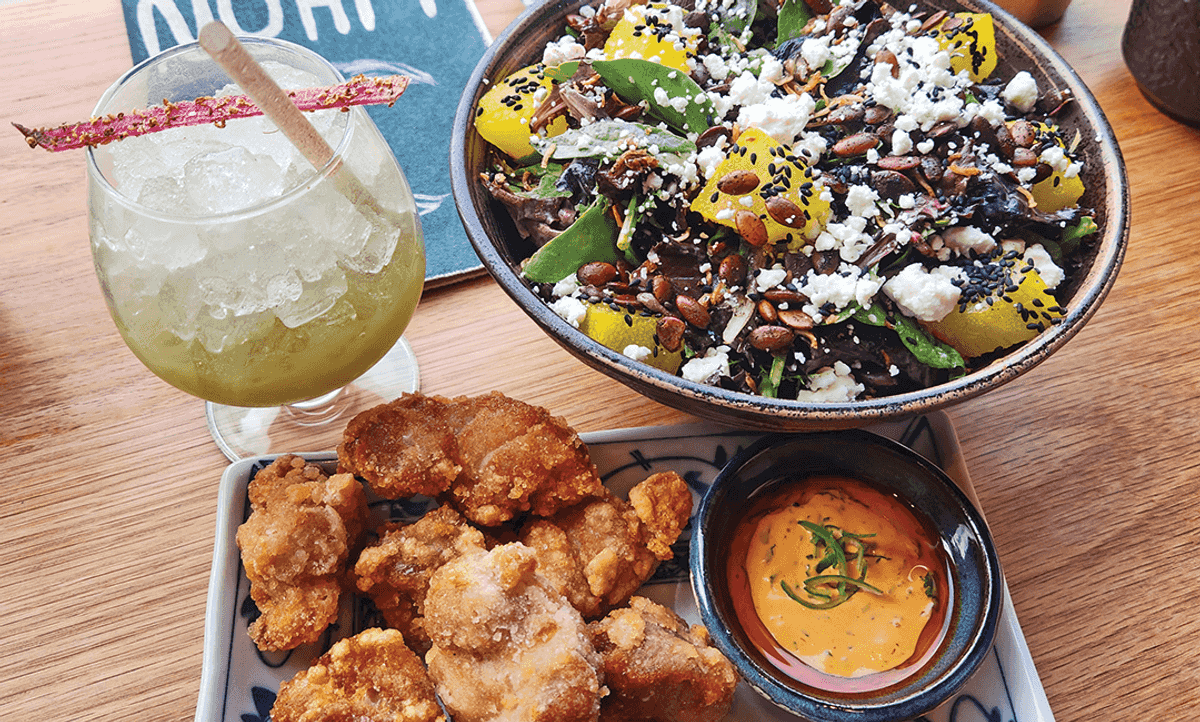
There are some days when I scroll through my Instagram feed of new local restaurants, and simply can’t hold back the excitement I feel about Utah’s dining ecosystem. I’ve been writing about local food and dining at City Weekly for nearly a decade, and I’m proud to say that I’m still a very long way from trying everything that our state has to offer—which doesn’t mean I’m going to stop trying, however. All it really means is that I’ve been covering our local hospitality sectors for long enough to see that downtown SLC and the food communities in West Valley, Park City and way down in Southern Utah are set to blow all the way up in the next few years.
Case in point: The prestigious Michelin Guide announced in late 2025 that it would be publishing the Michelin Guide Southwest, which means that restaurants in the Beehive State are finally eligible for Michelin Guide recognition, and perhaps even—gasp!—a Michelin Star or two. As I’m writing this, the publication date for the Michelin Guide Southwest has yet to be announced, but we do know that it will happen sometime this year.

In preparation for this momentous occasion, this year’s Dining Guide will be all about the Michelin Guide, and what Michelin recognition could possibly mean for our local restaurant scene. We’ll provide a rundown of the Michelin Guide’s history, along with plenty of the local prospects that we’re hoping to see make their way onto the Guide’s pages. From fine-dining classics to the restaurants that offer the most bang for your buck, let this year’s Dining Guide serve as a little amuse-bouche to the smorgasbord of Michelin delights that are in store later this year.
—Alex Springer
City Weekly food and dining critic
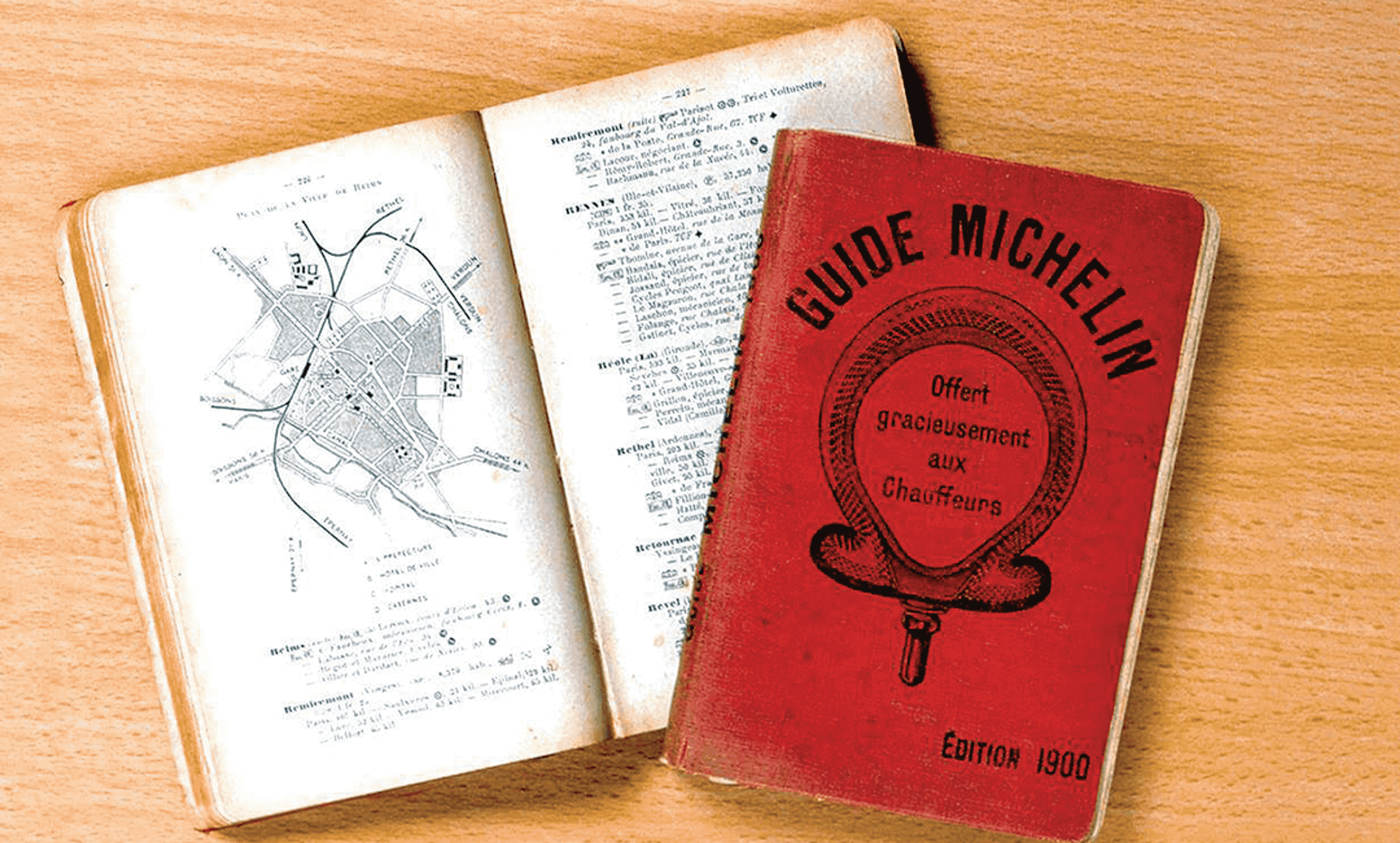 An excerpt from the inaugural edition of the Michelin Guide.- WikicommonsYour Guide to the Michelin Guide
The Michelin Guide Southwest is nigh. What does that mean for Utah?
By Alex Springer
If your only frame of reference to the Michelin Guide happens to be the towering, doughy figure of the Michelin Man that you’ve seen at the tire shop—his name is Bibendum, by the way—you’ve got a pretty good start. The travel guide that is known for helping tourists find the very best in food and lodging is produced by the same company that gives us Michelin Tires. So how did a French tire manufacturer end up producing the world’s most famous hotel and restaurant guide?
More Road Trips meant more Tire Sales
The first edition of the Michelin Guide was published in 1900 as a way for the fledgling tire company to encourage automotive tourism. Owners André and Édouard Michelin reasoned that if motorists had more reasons to take countryside road trips, they would be able to sell more tires.
The brothers’ original purpose for the guide was to include information about gas stations, repair shops, restaurants and lodging—everything a road-tripper would need to know about driving through France. By the 1920s, the Michelin Guide started to employ anonymous diners to visit locations around the country.
The guide’s one-, two- and three-star rating system was established in the 1930s, and Michelin has been recognized as a world-renowned authority on good hospitality ever since.
Michelin Stars and The Michelin Guide
Both the Michelin Guide and the Michelin Star function as different ways to recognize excellence in the dining and hotel industries. If the Michelin Guide’s anonymous inspectors deem an establishment worthy of inclusion, that’s a huge win.
Listing in the Michelin Guide means a greater level of visibility for restaurateurs, and it lets potential visitors know that the place has been thoroughly vetted by professionals. While the correlation between fine-dining restaurants and Michelin recognition is easy to notice, the inspectors themselves focus all of their attention on the food that has been prepared. Classy table settings, mood decor and showy tableside presentations hold no sway over an inspector’s ultimate recommendation.
Michelin Stars are a bit more exclusive than inclusion in the Michelin Guide, and are typically reserved for true excellence. Again, it’s common to see fine-dining restaurants operating at their peak snagging Michelin Stars, but per the Michelin Guide’s website, “you can find Michelin Stars anywhere from street food stalls to grand palaces.”
While the geography of the Michelin Guide’s jurisdiction may imply that Michelin Stars are fairly common, it’s incredibly difficult to secure just one Michelin Star, let alone three. Of the thousands of restaurants operating in America, only 276 of them have Michelin Stars.
Back in the pre-internet days of the 1900s, getting your business’s name in a widely circulated publication like the Michelin Guide was a hot ticket marketing strategy. If your business happened to earn a Michelin Star—or two or three—it meant you were worth a special trip.
Even in our current timeline of interminable online reviews, however, a resource like the Michelin Guide retains its value. Not only has it expanded its reach to many of the world’s finest travel destinations, but its high standards and dedication to excellence make it vastly more reliable than the musings of unknown writers on Yelp! with handles like JediKnight69.
What does the Michelin Guide’s new Regional Edition mean for Utah?
In late 2025, Michelin announced its plans to produce The Michelin Guide Southwest, a new regional guide that will cover Arizona, Nevada, New Mexico and Utah. An exact date is not yet known, but the Southwest Guide is scheduled to come out sometime later this year, and it will be a fairly huge deal for Utah’s tourism and hospitality industries.
Savvy travelers keep close tabs on the Michelin Guide, and any local restaurants that pop up as part of the new Southwest Guide can almost be guaranteed a spike in business, both from locals and tourists. As much as we all want our local hospitality businesses to succeed, however, Michelin recognition can be a double-edged sword. National recognition runs the risk of crowding out the locals—or worse, overburdening the staff.
It’s too early to tell exactly how Michelin recognition will impact our local Utah restaurants, bars and hotels. But it’s a fairly safe bet that the end result, for most of those who make the cut, will be a net positive. Perhaps the bigger picture is the timing of Michelin’s expansion to the American Southwest.
All four of the included states have been making fascinating contributions to American gastronomy, and Utah deserves a chance to show off its unique food scene. Local diners have watched the culinary landscape embrace local talent and celebrate the flavors of our diverse immigrant communities while watching high-profile restaurants—both national and international—expand into the market. Coupled with notable nods from the James Beard Foundation, it’s safe to say that Utah is going to be an exciting place to be for those of us who love a good meal.
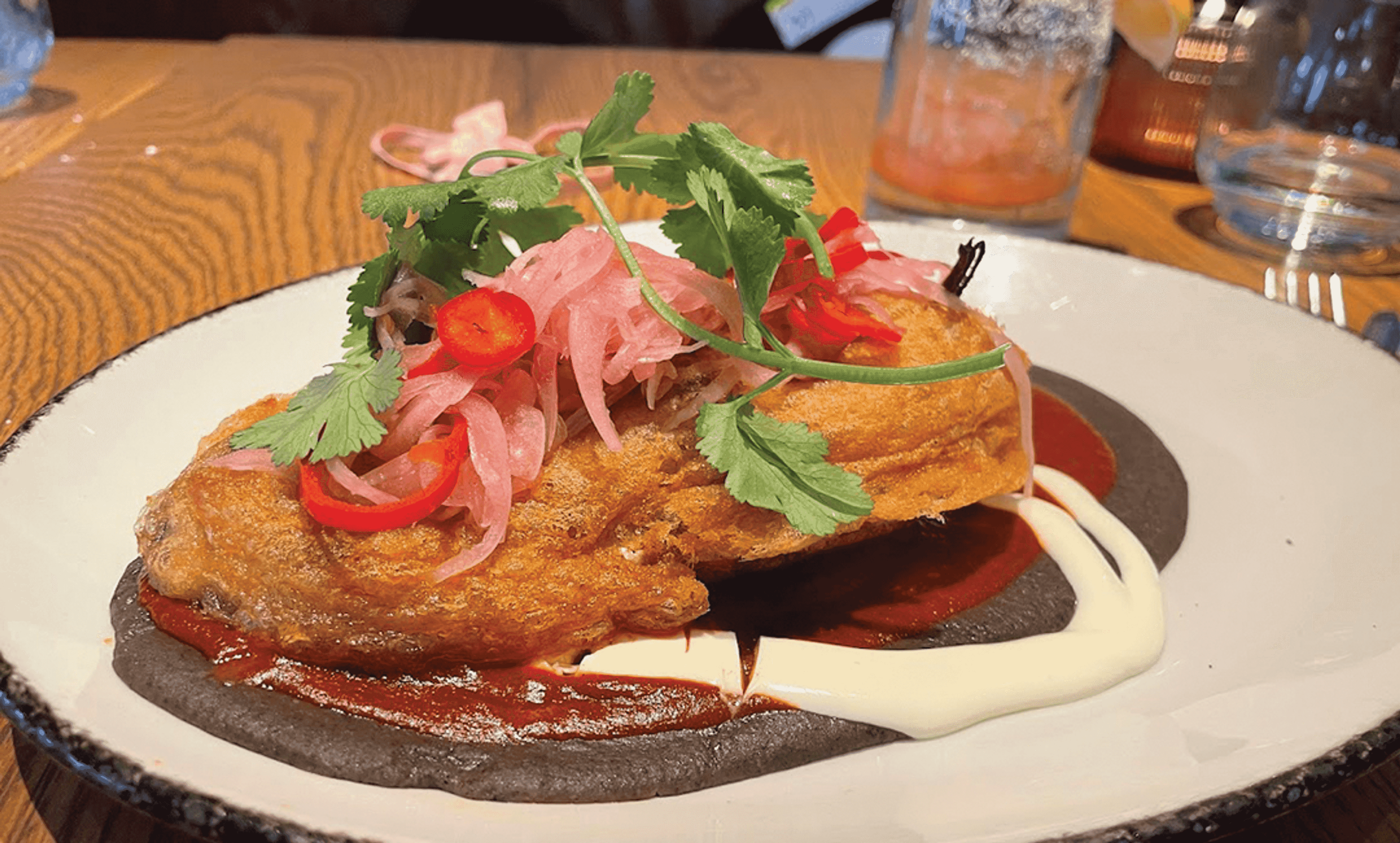 Among the many dishes served at Urban Hill- Alex SpringerLunch on the edge of downtown
Nico’s Restaurant, All Chay, Kotote and Santo Taco highlight the north side of the city
By Alex Springer
The last time I played craps, I accidentally bumped another player’s roll in midair, and it landed on ol’ big red himself. Everyone at the table lost their bets, and I spent the rest of my time at the casino looking over my shoulder. Though I did survive the faux pas, it made me realize that a career in gambling was probably a long shot for me.
That said, I do like the idea of some friendly speculation as to which of our local restaurants will end up showing up in the soon-to-be-unveiled Michelin Guide Southwest. Per the Guide’s website, the inspectors stick to five main criteria when evaluating restaurants: quality of ingredients; mastery of culinary technique; harmony of flavor; personality; and consistency.
Based on my nearly 10 years of experience on the Utah food beat, I think I can make a few decent guesses about what restaurants are most likely to end up in the Southwest Guide. I don’t think I’m brazen enough to speculate about our local Michelin Star potential—they’re notoriously difficult to secure, and I’m still a bit gun-shy from that experience at the craps table, after all. Place your bets, ladies and gentlemen.
Franck’s
Even within the weekly rotation, Chef Perkins keeps things creative with his Tasting Tuesday and Burger Thursday menus, each one representing Franck’s commitment to creating memorable dining experiences for its patrons. I’m putting Franck’s pretty high on my list because it has always read “destination dining” to me, and its proximity to Solitude, Brighton and Alta ski resorts makes it feel particularly attractive to Utah tourists. Of course, it doesn’t hurt that Franck’s gastronomic roots are well-steeped in the French cuisine that was found on the pages of early Michelin Guides.
Urban Hill
The secret to Urban Hill’s success is that it creates a fine-dining restaurant environment while strategically avoiding the things that people hate about fine dining restaurants. The prices are reasonable, the staff is welcoming and knowledgeable, and Chef Zocco’s culinary concept has always been one that delivers what he loves while keeping a meticulous eye on crowd-pleasing details. Personality is a big part of what you get at Urban Hill, and I think Michelin Guide inspectors will be just as charmed by Chef Zocco and his team as the rest of us.
Glitretind
There’s something timeless about the menu that Chef Zane Holmquist has crafted at Glitretind. And its French- and European-inspired menu is a wonderful complement to any Alpine visit. From locally-sourced veal courtesy of Niman Ranch to elk tenderloin that speaks to Utah’s access to game meats, Glitretind is the kind of restaurant that exudes a fine-dining atmosphere. It’s also the kind of restaurant that feels relevant to Utah’s ski culture. The “Greatest Snow on Earth” attracts millions of visitors to our local ski resorts, and there’s nothing quite like enjoying dinner within Glitretind’s celebrated halls for a bit of aprés-ski haute cuisine.
Junah
Objectively speaking, however, there’s no disputing the technique and creativity that are on display with Junah’s Japanese-Italian fusion concept. It’s a fresh culinary perspective for Utah, but I would also wager that there aren’t many other itameshi joints in the American Southwest.
Junah is a destination restaurant to be sure, and I think its consistency and creativity have done more than enough to justify it as such.
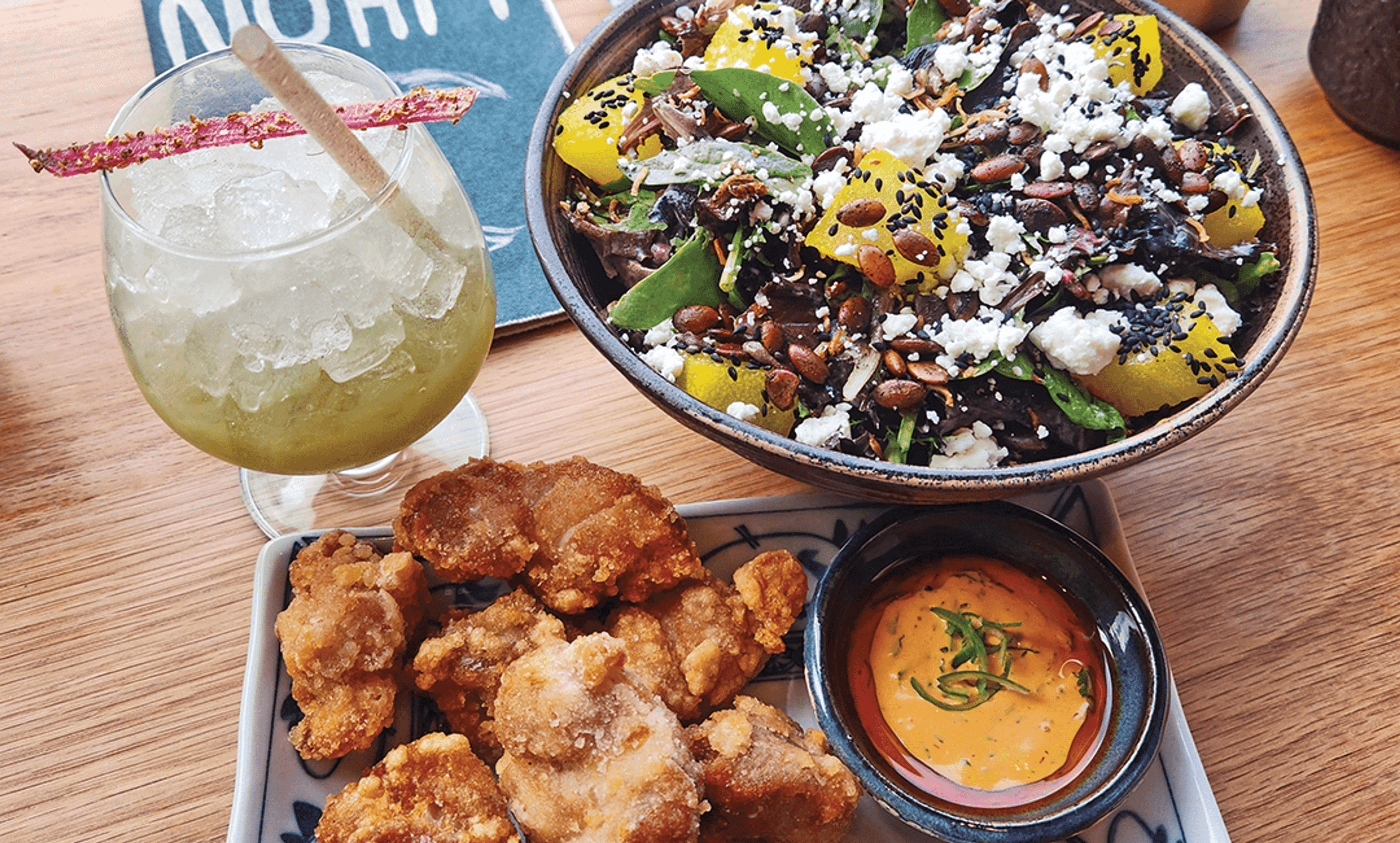 Bar Nohm- Lily SpringerDining Guide 2026: Economical Excellence
Utah prospects for Michelin’s “Bib Gourmand” section highlighting more accessible price points
By Lily Springer
Disciples of the Salt Lake foodie scene may already be aware of the Michelin Guide’s upcoming foray into the American Southwest, which is an exciting prospect for those of us who like keeping an eye on local culinary innovation. Admittedly, I’m a little out of my element once an establishment reaches a certain point of classiness, so I wouldn’t call myself much of an expert on the “Michelin Star” experience. However, I do consider myself a solid judge of those humbler neighborhood gems; the places that can really nail the staples, or put a compelling twist on them, without getting too pretentious.
This category happens to align with Michelin’s “Bib Gourmand” classification, a distinction for restaurants offering high-quality cuisine at more accessible price points. As a self-described gourmand myself, I have a few personal favorites that I think are worth making the cut.
Bar Nohm
Their Kushiyaki menu is simple, but every skewer—whether mushroom or meat—is an absolute bomb of smoky, savory, oh-so-slightly sweet flavor. The seasonal small plates, too, are uncomplicated, but pristinely crafted, each ingredient present with careful intention. Diners looking for something more familiar can enjoy the crispy karaage chicken or fried rice, or could branch out to something like ssamjang pork jowl. The Asian pear salad is a perfect transition from winter to spring, with the bright tang of preserved Asian pear melding with a lingering coziness from roasted pepitas and goat cheese. The sleek, modern menu at Bar Nohm always manages to be thoughtfully put together and well-executed.
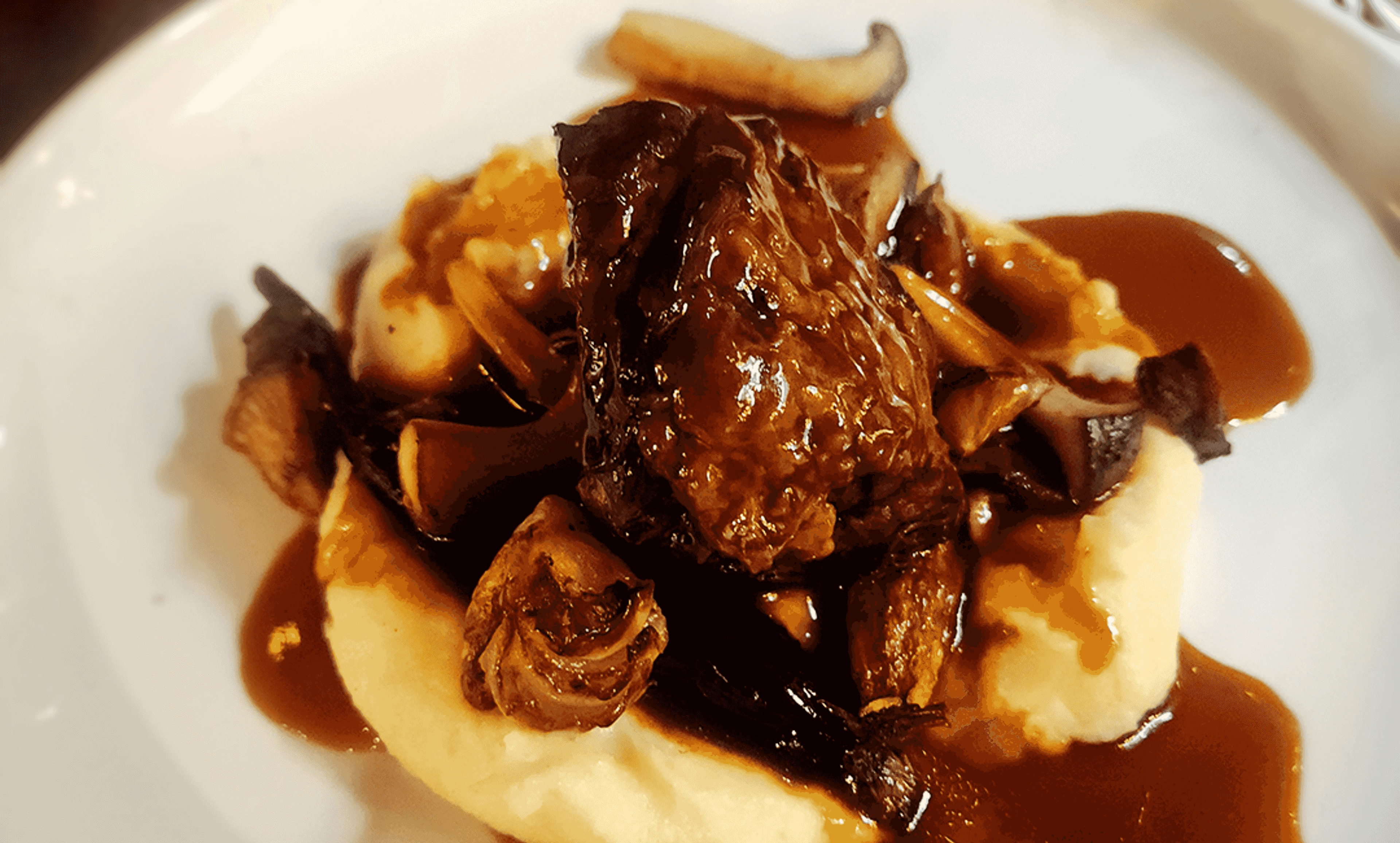 White Horse- Lily SpringerWhite Horse
The braised short rib, too, is elevated comfort food done perfectly, with melt-in-your-mouth beef singing alongside creamy whipped potatoes under a unifying red wine demi-glace. While there seems to be no shortage of New American restaurants with exposed brick interiors and rustic-industrial aesthetic, White Horse’s menu stands out when it comes to creativity and gastronomic intrigue on an accessible scale.
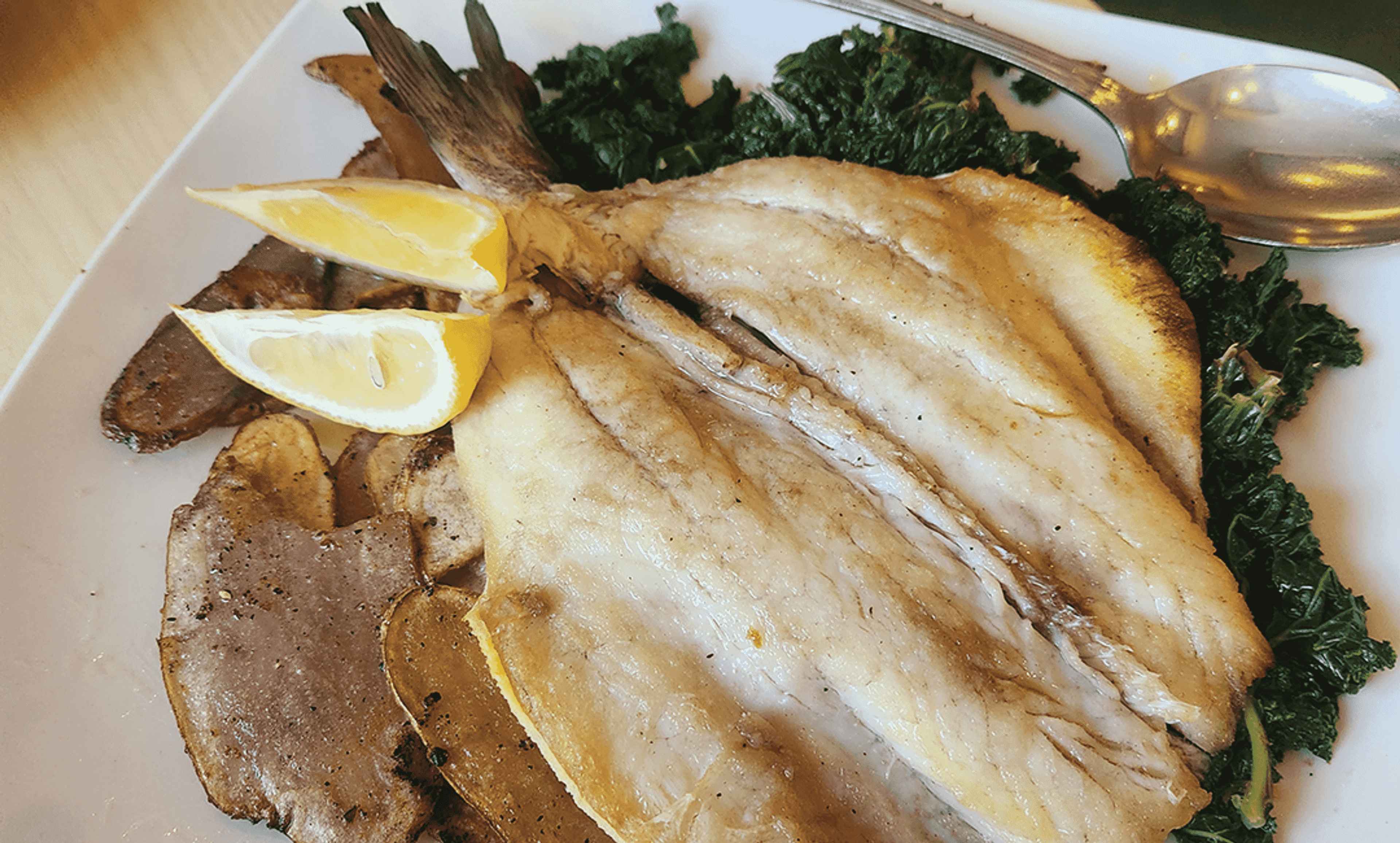 Manoli’s- Lily SpringerManoli’s
It’s also impossible to go wrong with any dish at Manoli’s that features potatoes. Though I often feel that these tubers can act as a heavy, starchy placeholder without adding much real presence to a plate, Manoli’s is no such case. The savory Greek potatoes served alongside the delicate fileted branzino, for example, are pan-roasted to crispy perfection in chicken broth, lemon, butter and garlic, and my mouth is watering even thinking about them. Overall, Manoli’s lovingly homes in on what makes a small-plate situation really work: dishes that are easily-shareable, full of flavor and straddling the sweet spot of familiarity and originality.
Koyote
The amount of flavor packed into one of these bowls is unreal. The ramen broth itself is dense with layers of rich, savory umami that cling to the chewy egg noodles, and the toppings are consistently the freshest and highest quality I’ve had in Utah. Though every bowl of ramen I’ve tried at Koyote has been exquisite, I always end up going back to the American Shoyu ramen, with its generous portion of smoked brisket complementing the classic jammy marinated egg, tender bamboo shoots and thinly-shaved green onion.
The Japanese-style mapo tofu here, too, can’t be ignored, with its gentle heat, silky tofu and flavor-absorbing vegan mince. Koyote pays loving attention to all the little details that make a simple dish great, and every bite feels like a trip straight to Japan.
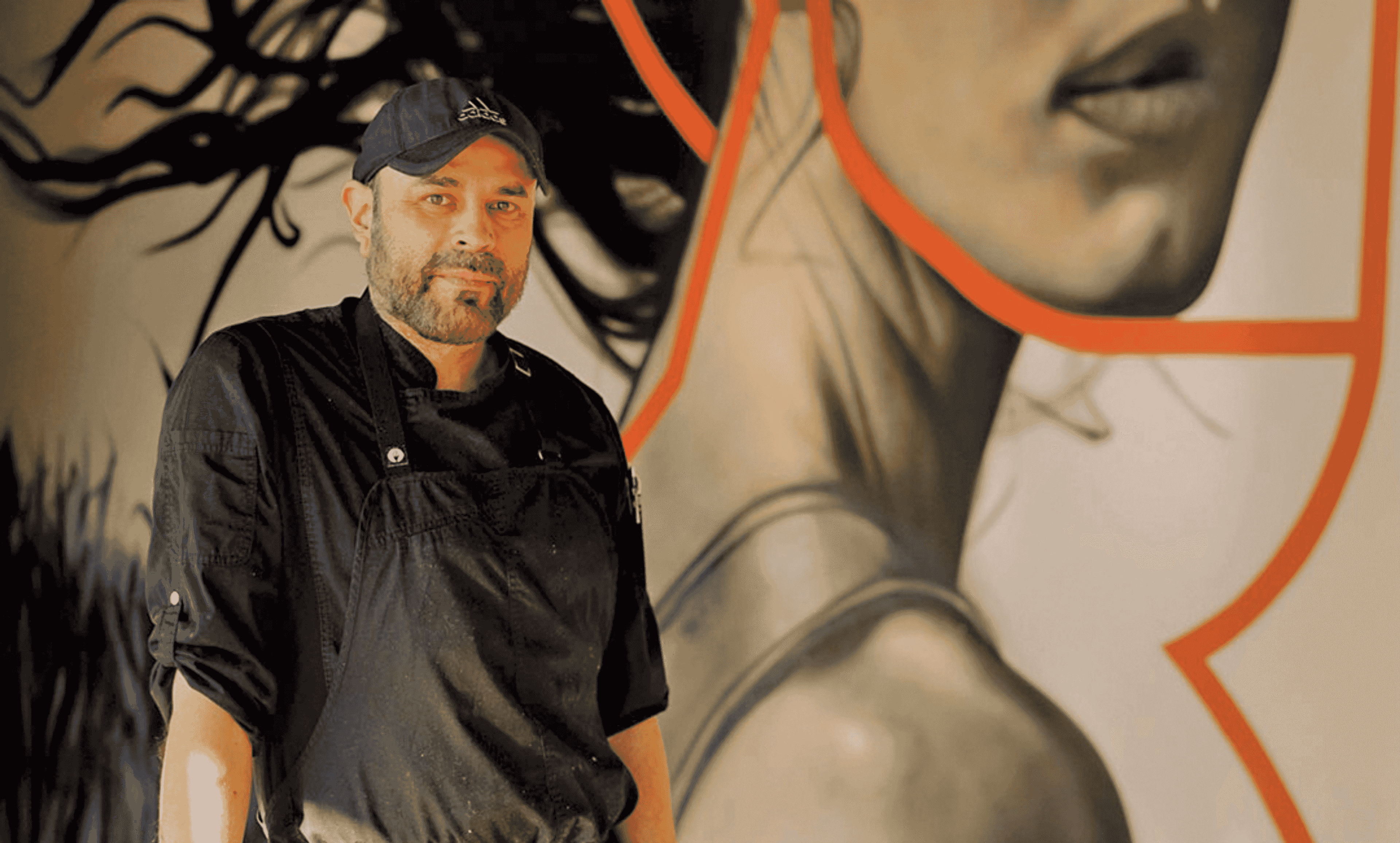 Chef Luis Perez- Courtesy photoDining Guide 2026: Chef Luis Perez of La Lola Taco
A chef discusses his experience with getting a restaurant recognized by the Michelin Guide.
By Alex Springer
I know that while I and other locavores are nothing but excited about the prospect of seeing our favorite restaurants getting Michelin recognition, such culinary celebrity can often be a double-edged sword. I’ve spoken with a few of our local James Beard Award finalists and semifinalists about the virality of national recognition in our age of online influence, and none of them are blind to the potential negative aspects of increased visibility.
As Michelin Guide recognition is uncharted territory for most locals, I reached out to Chef Luis Perez of Murray’s recently opened La Lola Taco (lalolataco.com). His restaurant Lola Gaspar in Los Angeles was recognized by Michelin’s Bib Gourmand in 2024, and I wanted to get his insights on what that milestone meant to him and his restaurant.
“From a business standpoint, just being in the guide is a big deal,” he noted. “That initial day we were in the Guide, there was this jump, and business started skyrocketing.”
Like most chefs who get into cooking professionally for sheer love of the game, Perez didn’t have grand designs on getting national recognition. He described himself as a traditional SoCal kid who grew up in a community where cooking was an integral part of the social structure. “Being surrounded by women, parents and grandmas just cooking all the time—you kind of get drawn to it because it’s become something magical and so important,” he said.
Perez opened Lola Gaspar in 2008 after an extended trip to Spain, where he forged a deep connection with the culture and cuisine. “Spain changed my life,” he recalled. “That was the inspiration for Lola Gaspar, which has more of a Spanish vibe.”
After working with a couple from Utah who suggested he pay the state a visit, Perez came and saw an up-and-coming food scene that captured his attention. “I checked out Bambino and saw what they were doing with the imported wood and their pizza oven,” he said. “Then I checked out Bar Nohm and saw what they were doing and was like, ‘Holy shit—what is going on in this town?’”
As our conversation turned back to thoughts of Michelin Guide recognition, Perez was quick to mention that Lola Gaspar’s presence in the Guide didn’t mean he wanted to do anything differently.
“As far as what we do in terms of quality and standards, it doesn’t affect me at all,” he remarked. “Lola Gaspar is a fraction of the size of La Lola Taco, and it’s just one cook.”
It’s a conversation that speaks to Michelin’s insistence that restaurants don’t try and “cook for the Guide,” but rather follow their own culinary vision. For Perez, that was always part of the plan. We discussed the distraction that striving for a Michelin Star can create for chefs, who already have so much on their literal and figurative plates.
“You just have to be aware of what fulfills you as an individual,” he said.
With a strong vision and a good plan of execution, the only thing really left is to get lucky enough to work with a team that has your back—which is something for which Perez is extremely grateful. In addition to La Lola Taco in Murray and Lola Gaspar, Perez also owns Chapter One in Santa Ana, Calif.
“They have such amazing teams out there, and that gives me the liberty to do other projects,” he said.
Perez’s relationship with his restaurant teams is one of his secret weapons when it comes to building a strong culinary vision. “My anchors have been with me for an average of 12 years,” he said. “We see each other’s kids grow up, seeing them get married and go through illness, families, pets and everything.”
He and his team have cultivated a professional relationship that is based on mutual respect, and it’s helped them all contribute to a restaurant concept that emphasizes passion and creativity over awards and accolades. “We definitely back each other up,” Perez observed. “We get into an environment where it’s just positive and everybody wants to succeed, and it just radiates—it’s totally natural to just give positivity back.”
My conversation with Perez validated similar sentiments I’ve heard from others who own and operate local restaurants and bars. At the end of the day, recognition has the power to be good for business, and when a business is thriving, its survival rate tends to last a little bit longer. Beyond that, however, a restaurant’s true merit comes from the vision upon which it is based.
All any of us can really do in this life is to figure out who we are and how we want to show that to the world. Recognition is a tempting goal, but it’s also ephemeral, and its criteria can change on a dime. I’d say it’s much better to take a cue from Chef Perez and just stick to your guns. Sooner or later, the recognition will come.
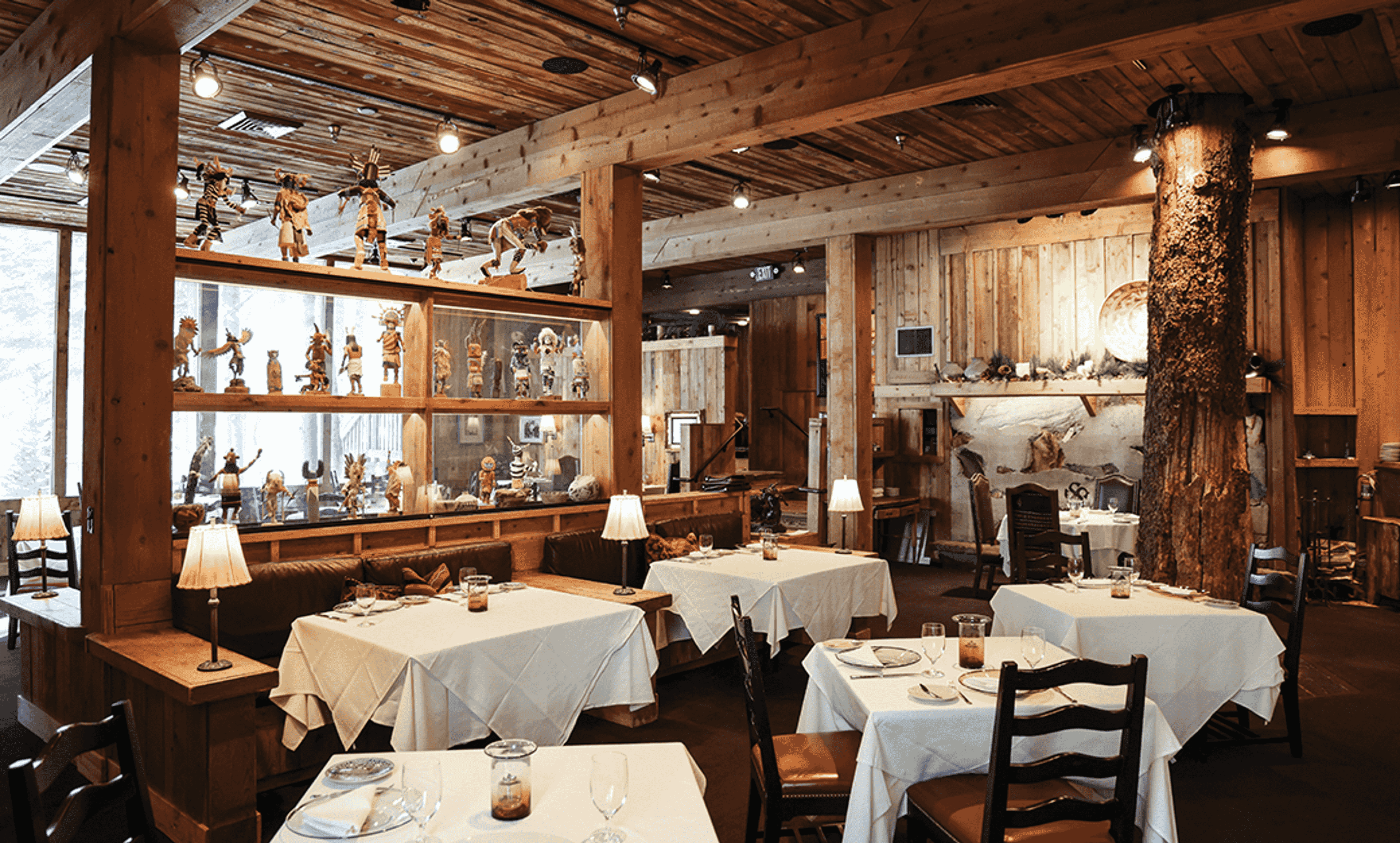 The Tree Room at Sundance Resort- Courtesy photoDining Guide 2026: Best Hotel Restaurants
A look at the hotel and restaurant combos we think will put Utah on the culinary map.
By Aimee L. Cook
As a longtime observer of our culinary scene, I could not be more thrilled about Utah stepping onto the global stage with the prestigious Michelin Guide. If you are a food-lover, the anticipation is palpable. Michelin’s famously anonymous inspectors are out in force, dining across Salt Lake City, Park City and Sundance. In addition to restaurants, the Michelin Guide also evaluates hotels and lodging—and Utah has some primo hotel/restaurant combos that would be excellent contenders for Michelin Guide recognition.
Combining the comfort of high-class amenities with a stellar restaurant or cafe is one of the great balancing acts of the hospitality industry. We’re confident these names will leave an impression on Michelin’s inspectors. Hotel dining in Utah has completely transformed over the past few years.
These properties are no longer just convenient spots for guests to grab a bite; they are culinary destinations mastering genuine hospitality. Based on Michelin’s rigorous criteria, here are the hotel restaurants I am keeping a close eye on during this evaluation period.
Remington Hall at Grand Hyatt Deer Valley (1702 Glencoe Mountain Way, 435-731-4589, remingtonhalldv.com): There is an undeniable energy at the new Grand Hyatt Deer Valley, and Remington Hall is at the center of it. This space beautifully balances mountain luxury with authentic, heartfelt hospitality. The restaurant recently reimaged its offerings as an elevated steakhouse. Executive Chef Viktor Merenyi and Chef de Cuisine Michael Bauer’s mastery of techniques and dedication to sourcing pristine local ingredients makes it a strong candidate to catch an inspector’s eye. The menu features game meats like bison and elk in various cuts, alongside premium additions like foie gras. Even the kitchen equipment got an upgrade to ensure a perfectly-prepared dish.
The Tree Room at Sundance Resort (8841 N. Alpine Loop Rd., 801-223-4200, sundanceresort.com): The Tree Room has long been a crown jewel of Utah dining. The restaurant drips with rustic elegance and the late Robert Redford’s personal art collection. But it is the kitchen’s harmony of flavors and unyielding consistency over time that makes it a true Michelin contender. Executive Chef Diane Davidson and Sous Chef Matt Nakpansue have created a menu that highlights the best proteins of the area and the season. The legendary Tree Room Pepper Steak remains, but the menu’s cauliflower is also having a moment. The food is as breathtaking as the surrounding alpine scenery.
Rime at St. Regis Deer Valley (2300 Deer Valley Dr. East, 435-940-5760, srdvdining.com): Taking a funicular up to your dinner reservation already sets the stage for something special. At Rime, the focus is on premium seafood and prime meats. Executive Chef Matt Fradera’s personality shines through the cuisine, offering favorite dishes like braised sassafras pork belly and the braised lamb shank. Paired with the perfect bottle of wine from their over-10,000-bottle cellar, you have a memorable dining experience that a Michelin inspector could get behind.
Rouser at Asher Adams (2 S. 400 West, 801-895-2858, rouserslc.com): Located in the spectacular new Asher Adams hotel in downtown Salt Lake City, Rouser is bringing a fresh, sophisticated edge to our urban dining scene. The menu showcases incredible flavor combinations and top-tier cooking methods. Dining in the main restaurant offers an inviting experience, but the Josper Counter Experience is special. The interactive, intimate event features the tradition of Spanish charcoal cooking, with six guests per seating, and offers a four-course dinner. Centered around the Josper grill, oven and rotisserie, each dish highlights smoky depth, bold flavors and the craftsmanship behind Spain’s celebrated culinary techniques. Executive Chef Mauricio Lopez changes the menu often, making it exciting each time. It is exactly the kind of ambitious, highly authentic concept that Michelin inspectors love to discover in an evolving city.
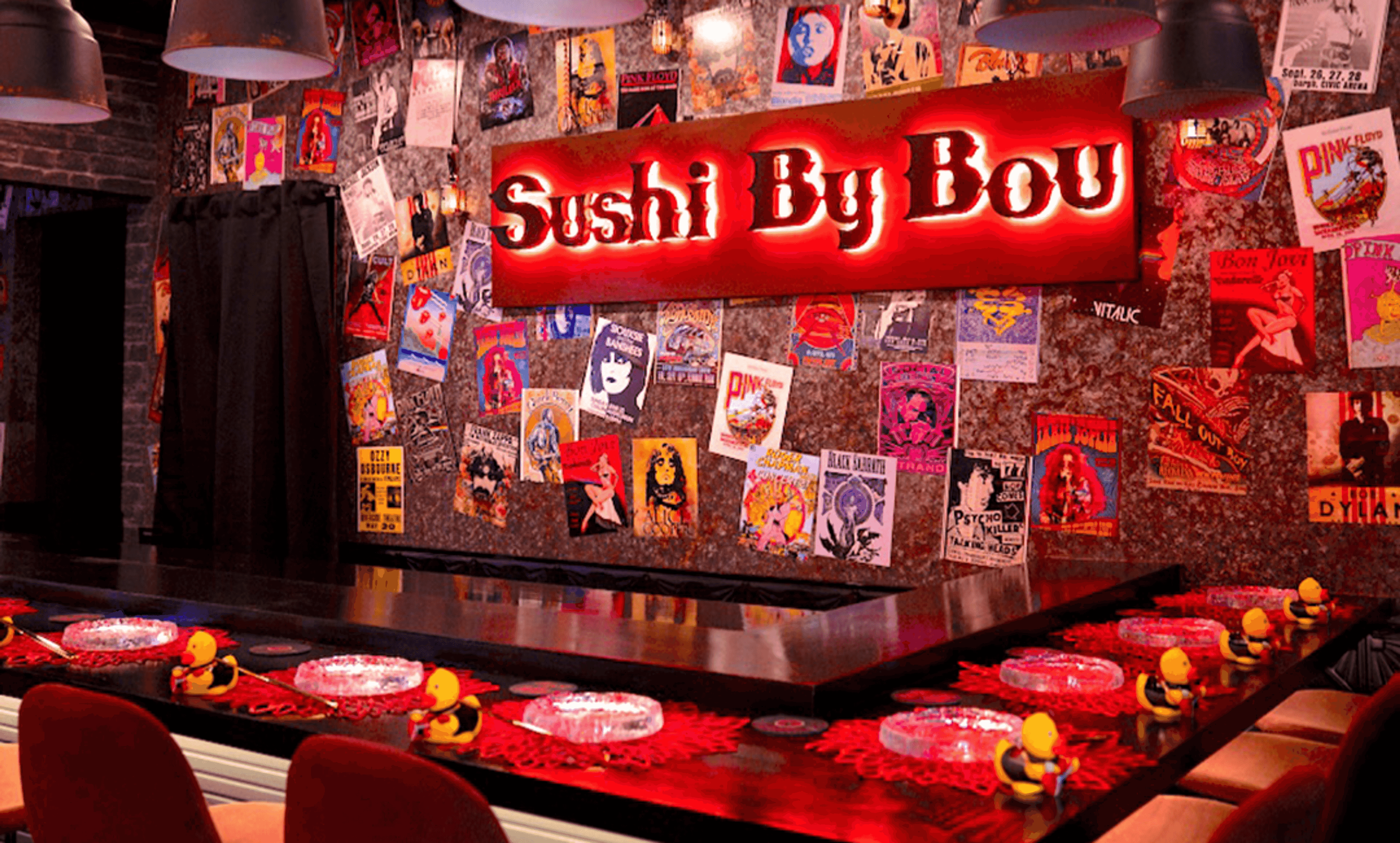 Sushi by Bou at the Peery Hotel- Courtesy photo
Sushi by Bou at the Peery Hotel (110 W. Broadway, 888-670-5996, sushibybou.com): For something completely different but equally masterful, the Sushi by Bou omakase experience inside the historic Peery Hotel is a must-visit. Intimate, energetic and highly-specialized, this concept relies entirely on the quality of ingredients and the chef’s precision. Offering three chef-guided omakase menus, 12- and 17-course options, including the premium Bou Reserve, which includes a branded caviar bump, this 4- to 12-seat counter-timed tasting omakase experience is a showstopper housed in a secret speakeasy inside the hotel lobby. This dining experience checks all five Michelin criteria boxes.
The arrival in Utah of the Michelin Guide is the ultimate validation of the hard work our local chefs, farmers and hospitality professionals put in every single day. I am looking forward to the big announcements coming later this year. Until then, get out there, support our local restaurants, and taste the magic for yourself!
Dining and Cooking