
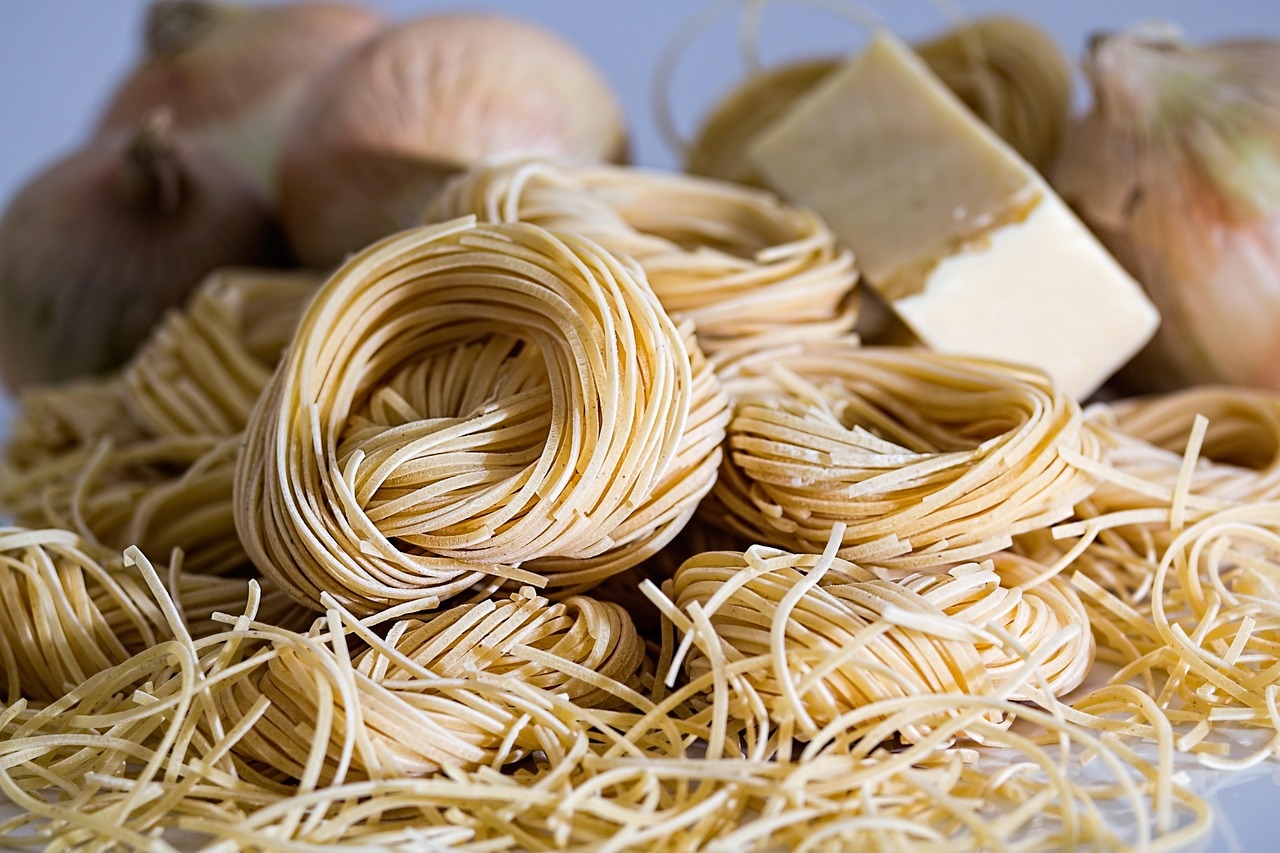
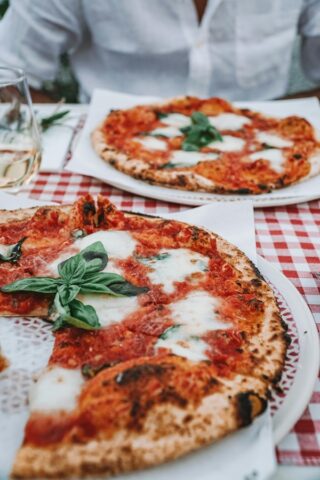
 In New Delhi, UNESCO’s Intergovernmental Committee unanimously inscribed Italian cuisine on the List of Intangible Cultural Heritage of Humanity. Not a single dish, not a particular technique: the entire culinary tradition of a country, for the first time in history. This recognition identifies a people through the variety and diversity of its gastronomic culture.
The concept of Intangible Cultural Heritage It defines the set of practices, representations, expressions, knowledge, and skills that communities, groups, and sometimes individuals recognize as an integral part of their cultural heritage. Italian cuisine, a UNESCO World Heritage Site, therefore, also means recognizing the rituals, customs, techniques, stories, and generational transmission of knowledge related to food.
Between sustainability and biocultural diversity, Italian cuisine speaks of the many landscapes where equally diverse ingredients grow and thrive, closely tied to the land and seasonality. It speaks of the knowledge of production and preservation techniques; it speaks of the imagination and inventiveness that inform every dish, whether ancient, new, or repurposed; it speaks of the pleasure of sitting at the table, slowly exchanging impressions, ideas, and emotions that begin with a recipe and spread throughout social and individual life.
Italian cuisine is therefore a complex cultural system. From a social perspective, the decision valorizes all “micro-cuisines”: not just Michelin-starred restaurants or famous chefs, but families, communities, small towns, farmers, and artisans. Cuisine becomes a recognition of daily practices, sharing, and collective identity, not an elitist symbol, but a shared heritage. Individual arts and culinary specialties were already on the list, but this is the first time an entire national cuisine has received this recognition.
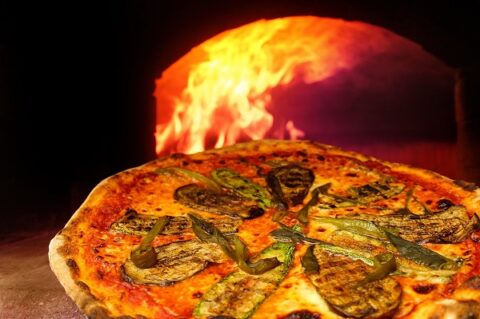 Over the years, the concept of culture has been updated, and today UNESCO aims to also protect elements and expressions of Intangible Cultural Heritage, encompassing living traditions such as oral expressions, social and food practices, rituals, festivals, and artisanal know-how, customs and traditions that are passed down from generation to generation and contribute to defining the cultural identities of communities around the world. And in recent decades, the food – not only as a product, but as a set of practices, communities, knowledge, and traditions – has become a legitimate ground for UNESCO’s protection of intangible heritage.
A new opportunity to universally affirm the cultural dimension of traditional agri-food products and to stem the disappearance of traditions related to agriculture and food. In this sense, culture also includes that particular production technique that fulfills a specific social function for a specific community, determining its identity.
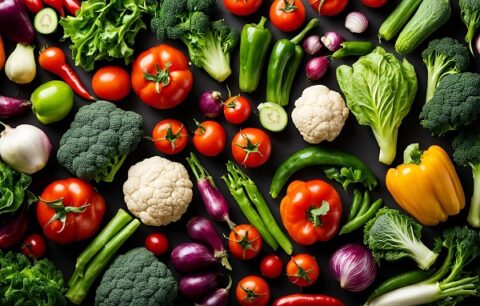 A gastronomic culture that spans history with unique eating practices such as the Mediterranean Diet, the first socio-food heritage to be recognized by UNESCO in 2010. The Mediterranean Diet has been seen as a set of skills, knowledge, practices, and traditions that extend from the landscape to the table, including cultivation, harvesting, fishing, preservation, processing, preparation, and, especially, food consumption. It has given rise to a formidable body of knowledge, songs, proverbs, tales, and legends, in which women play an indispensable role in transmitting skills, knowledge of rituals, and preserving techniques, promoting social interaction, as communal meals are the cornerstone of social customs and festive events.
Cooking is therefore a very strong, everyday element of identity, a trademark that accompanies our entire lives and every moment.
Specifically, the act of cooking in Italy “transcends the simple need for nutrition to become a complex and multi-layered daily practice,” as noted in the nomination dossier. It is a living heritage, built on a solid body of knowledge, consolidated rituals, and handed-down gestures that, over time, have shaped an unparalleled fusion of culinary habits, the ingenious and creative use of raw materials, and preparation methods that often retain an artisanal character.
Crucially, this fusion hasn’t remained static. It has become the root of a shared tradition that shapes the country’s sociocultural identity, the dossier states. The result is so-called “living gastronomic landscapes,” environments that not only reflect but actively enhance the unique biocultural diversity of each territory, establishing an indissoluble link between food and its geographical context. This practice has historically elevated the value of a cuisine often considered “poor,” yet profoundly wise, embodied in anti-waste recipes. These principles of economy and culinary ingenuity were collected and documented as early as 1891 by Pellegrino Artusi, in his work Science in the kitchen and the art of eating wellMore than a set of rules, this heritage is a vehicle for cultural transmission, enabling the dynamic exchange of tastes, skills, memories, and, above all, emotions. This is how the “Cucina degli affetti” (Cuisine of Affections) was born, a sentimental legacy that, through food, manages to connect and unite different generations and transcend local and national boundaries.
This emotional and unifying power also actively involves the numerous Italian migrant communities scattered throughout the world.
The proclamation of Italian cuisine as an intangible heritage UNESCO It also finds a tangible echo in our region, where gastronomic culture is deeply intertwined with that of the peninsula. This connection is not only geographical, but also cultural and historical. And among many, it boasts a symbolic historical name: Maestro Martino, but not only that.
Already in Roman times, with Raetia and Cisalpine Gaul, then passing through Insubria and the State of Milan, the territories now known as Ticino, Lombardy, and Graubünden shared routes, goods, and eating habits. Alpine culinary culture unites and blends the regions with products, recipes, customs, and traditions. UNESCO recognition is also a way to bring this shared history, made of exchanges, craftsmanship, and migration, to light.
Panettone, a triumph of craftsmanship!
Dining and Cooking