
Credit: Simply Recipes / Getty Images
Have you ever pulled a steak from the fridge and wondered if it still looks OK to eat? Well, I have—it’s something I run into often, especially when I buy in bulk from Costco. I want the savings, but I also want to space out my steak dinners, which sometimes means a steak hangs around a little longer than planned.
To decode the different colors on steak, I spoke with butcher Nicolas Alave. Now at Shoprite, he was formerly a butcher at BJ’s Wholesale Club, followed by a stint at Whole Foods, where he handled premium cuts and refined his knowledge of high-quality beef.
What Do the Different Shades on Steak Indicate?
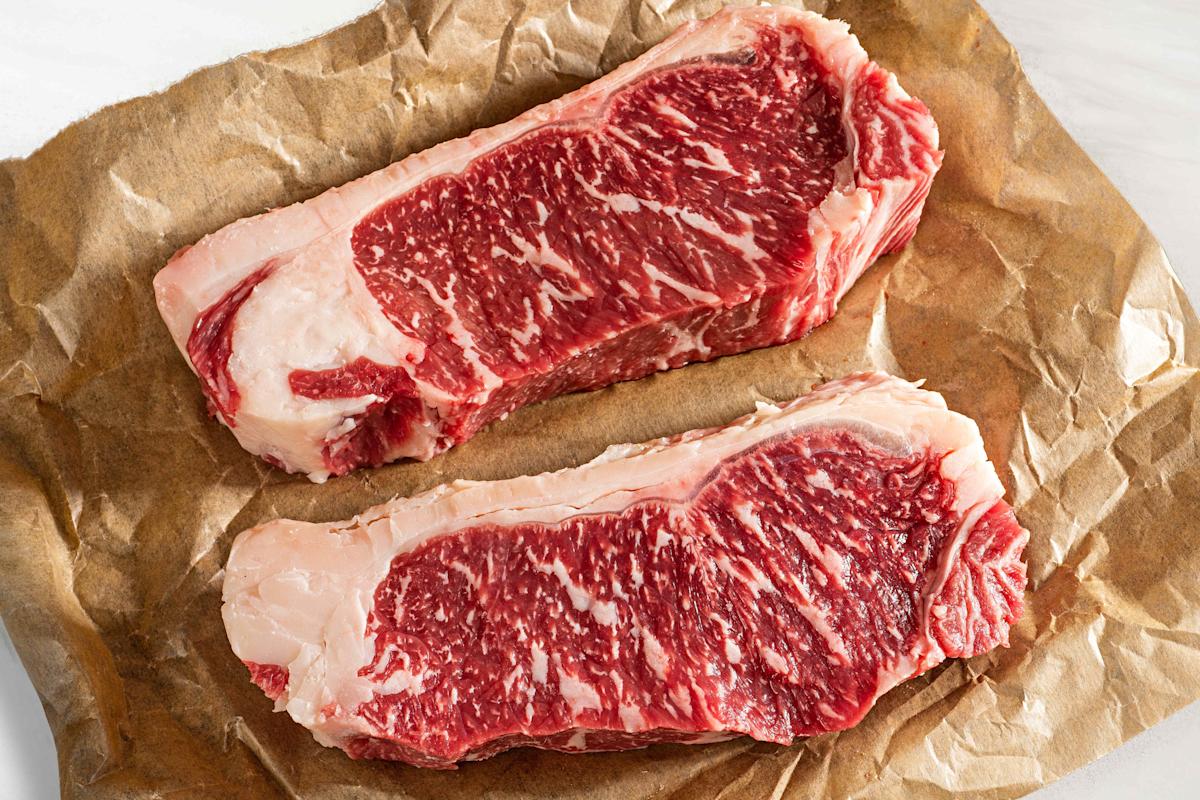
One of the most common color changes people notice on a steak is when it turns brown. According to Alave, this is completely normal. “That’s just oxidation,” he notes, explaining that when meat is exposed to oxygen, it can lose its bright red color and become slightly brown, especially on the side resting against the packaging. The longer a steak sits in the fridge, the more likely it is to develop this color. As long as it smells normal, it is still safe to eat.
Credit: Simply Recipes / Getty Images
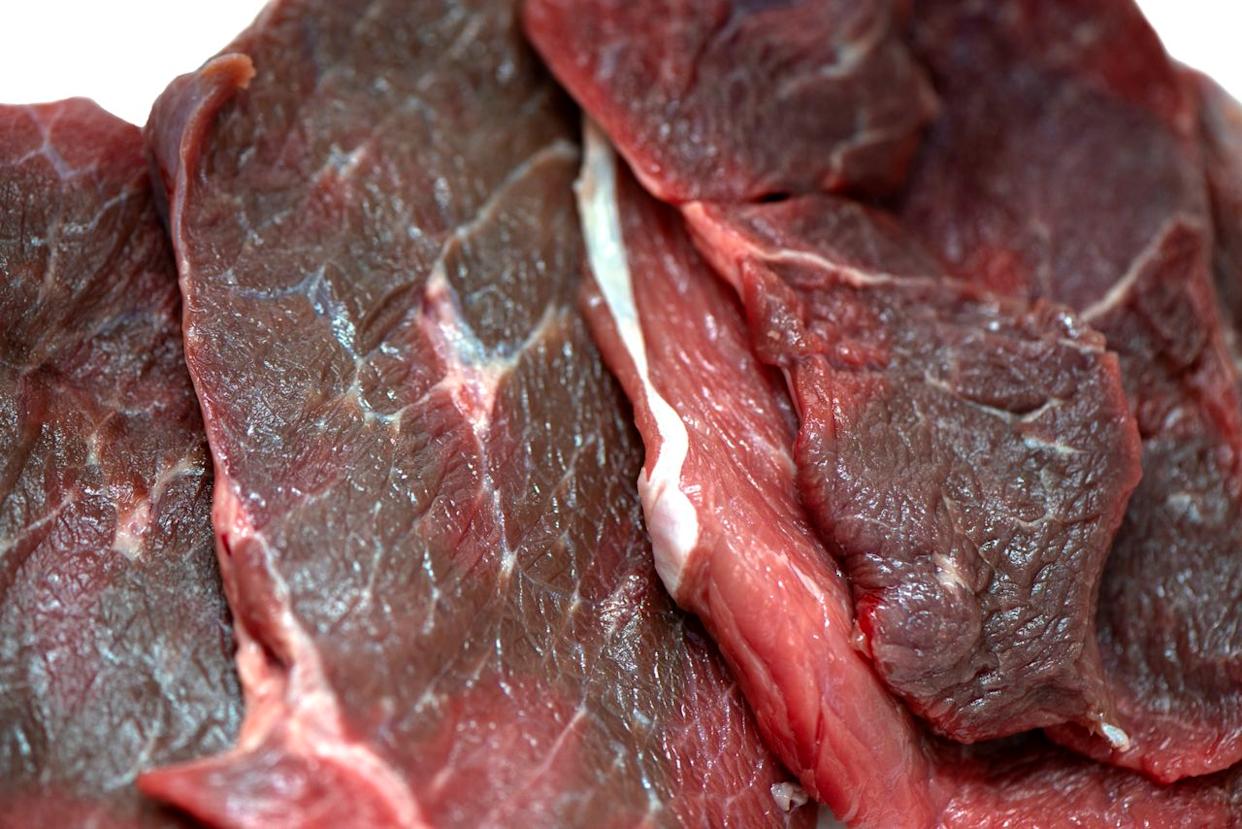
Other colors are a different story. Nicolas says greenish, grayish, or yellowish tones can be signs that the steak is no longer at its best. That said, context matters.
For example, a slight iridescent green sheen on beef does not always mean spoilage. It can sometimes be caused by how light reflects off the muscle fibers. In those cases, Alave recommends relying on smell and texture. “If it smells off, throw it out,” he warns. “If it doesn’t, it should be fine.” Still, he notes that green tones can also indicate the meat is past peak freshness, so it is best to proceed with caution.
Gray steak can also be confusing. Nicolas points out that raw steak should not appear fully gray. However, certain situations can create grayish tones—dry-aged beef often develops a dark, grayish exterior during the aging process, which is trimmed off before cooking. On the other hand, a fully gray raw steak from the store is more likely a sign that it has been sitting too long and should be discarded.
Read More: I Asked 3 Butchers How To Choose the Best Steak, and They All Said the Same Thing
Use Your Nose
Across the board, Nicolas emphasizes that smell is the most reliable indicator. A sour or unpleasant odor is a clear sign to toss the steak. So, when in doubt, give your steak a quick sniff.
To extend the life of your meat, he recommends freezing it if you do not plan to cook it within a few days. Vacuum sealing helps prevent freezer burn, and it preserves both flavor and texture.
Read More: Steak Recipes
Read the original article on Simply Recipes
Dining and Cooking