
There is a lot of noise in the culinary world. Everyone is looking for the next “hack” or the most “viral” ingredient. But sometimes, the most effective framework is the one that has been around for decades. Marcella Hazan, the legendary author of Essentials of Classic Italian Cooking, understood this better than anyone. Her signature Bolognese isn’t about flashy techniques; it’s about the science of patience.
A Legacy of Precision
Marcella’s journey wasn’t typical. Born near Bologna in 1924, she faced incredible odds—even being arrested by Nazis during WWII on a bizarre suspicion involving an anatomy skull. When she eventually moved to New York in 1955, she was baffled by the American interpretation of Italian food. Instead of settling, she started teaching, eventually catching the eye of The New York Times.
Her philosophy was simple: respect the ingredients and trust the process. Her Bolognese is the perfect case study in structural integrity.
The Formula for Flavor
The recipe is deceptively simple, and it’s easy to be skeptical when you look at the list. But the magic is in the variables. I followed her instructions to the letter—no eyeballing, no substitutions.
The base starts with a classic mirepoix (onion, celery, carrots) sautéed in oil and butter. Then comes the beef. Once the meat has browned, the real work begins. You add milk and let it evaporate completely. This protects the meat from the harsh acidity of the tomatoes later on. Then comes the white wine, followed by canned Italian plum tomatoes.
The secret is the simmer. This isn’t a 30-minute weeknight meal. It takes hours of low, slow heat to transform those distinct components into a cohesive, velvety sauce. The fat needs time to render and emulsify with the tomato juices.
The S-Tier Result
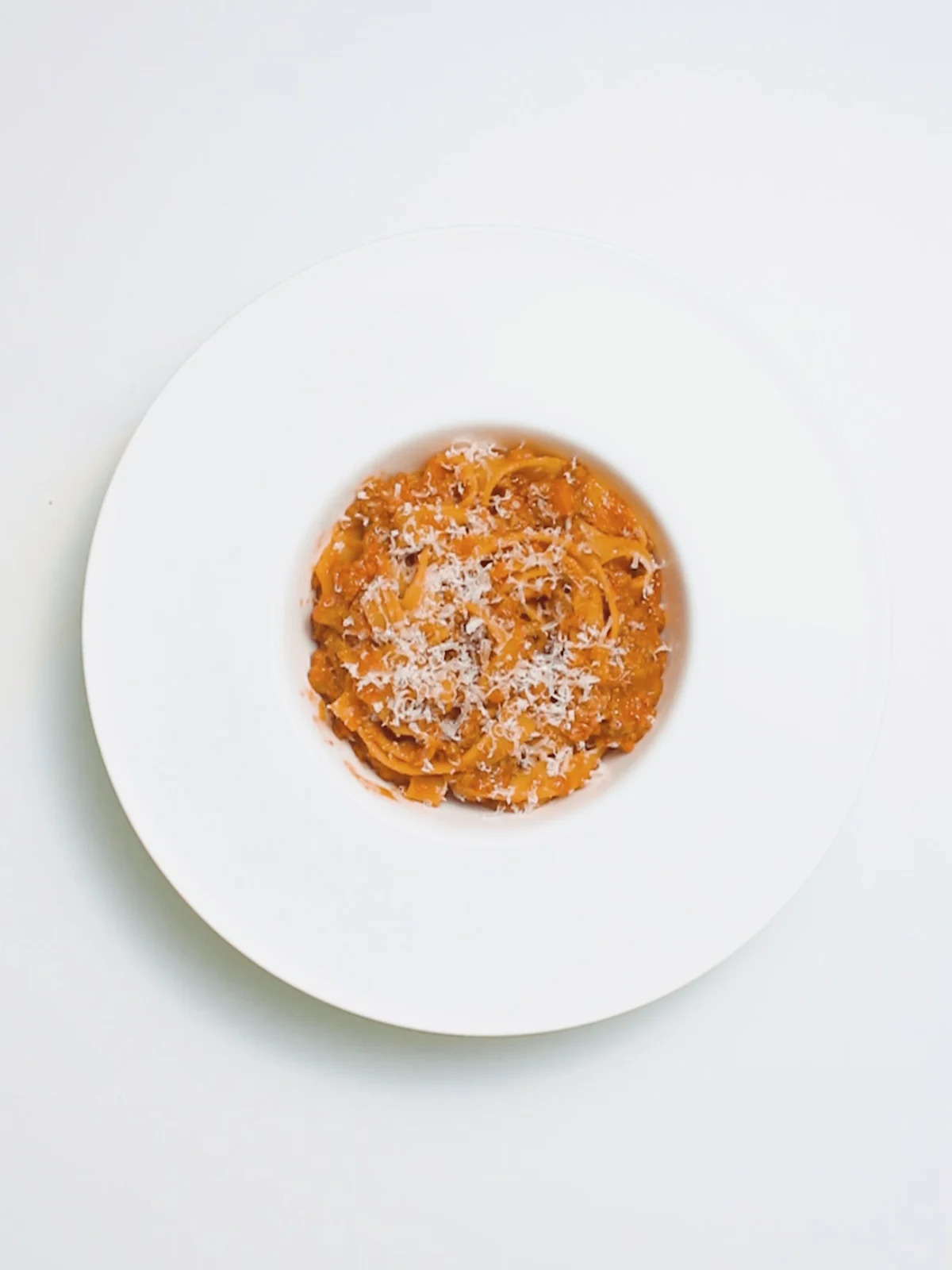
The result? Incredible. This is, hands down, the best Bolognese I have ever had. It’s rich without being heavy and complex without being cluttered. I served it over tagliatelle with a generous dusting of Parmesan.
In a world full of “clown food” and over-the-top theatrics, Marcella’s recipe is a reminder that precision and time are the most valuable tools in any kitchen. I have to give this an S-tier rating. It is the gold standard for a reason.
Are you a fan of the slow-simmered classic, or do you prefer a quicker, more modern take on pasta sauce?
Dining and Cooking