
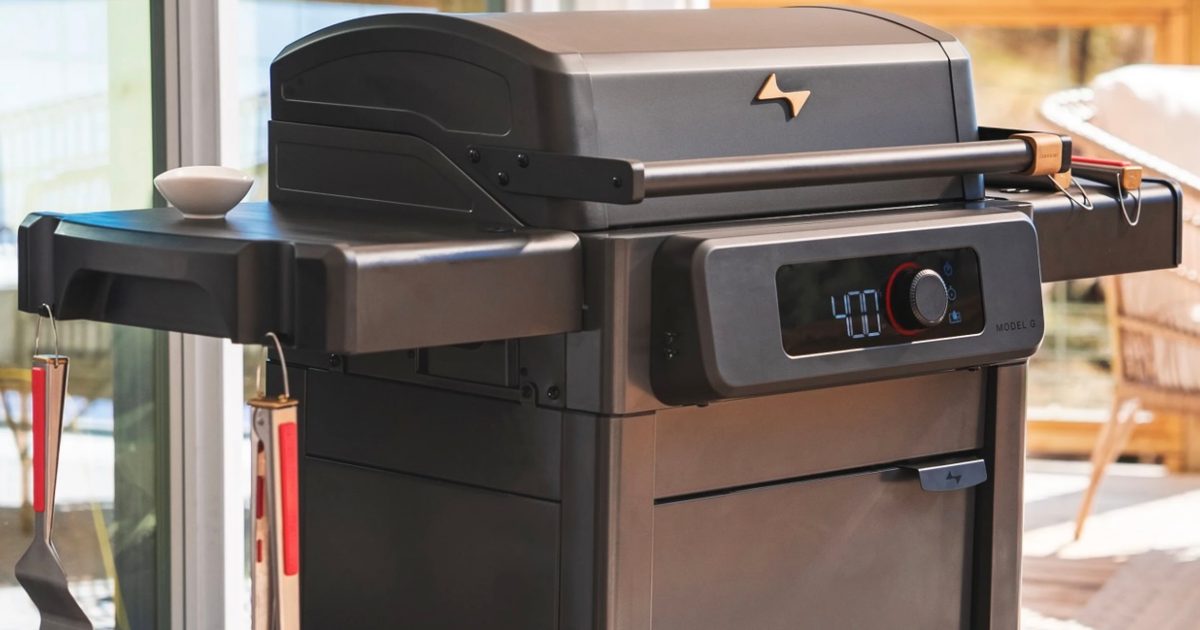
As urbanization continues and more Americans live in apartments or homes without yards, interest in electric grilling continues to boom. Portable, balcony-friendly electric grills are easy to use (regardless of grilling expertise) and are transforming backyard cooking in a new way with a new generation of connected grills.
Dan De Mars, Head of Product at Current, says connected or “smart” electric grilling is an evolving niche space, focused on tech-friendly products that appeal to both newcomers and seasoned grillers. Below, he shares how smart electric grilling niche has evolved recently and some of the biggest advantages of modern electric grills.
What is connected grilling?
Current
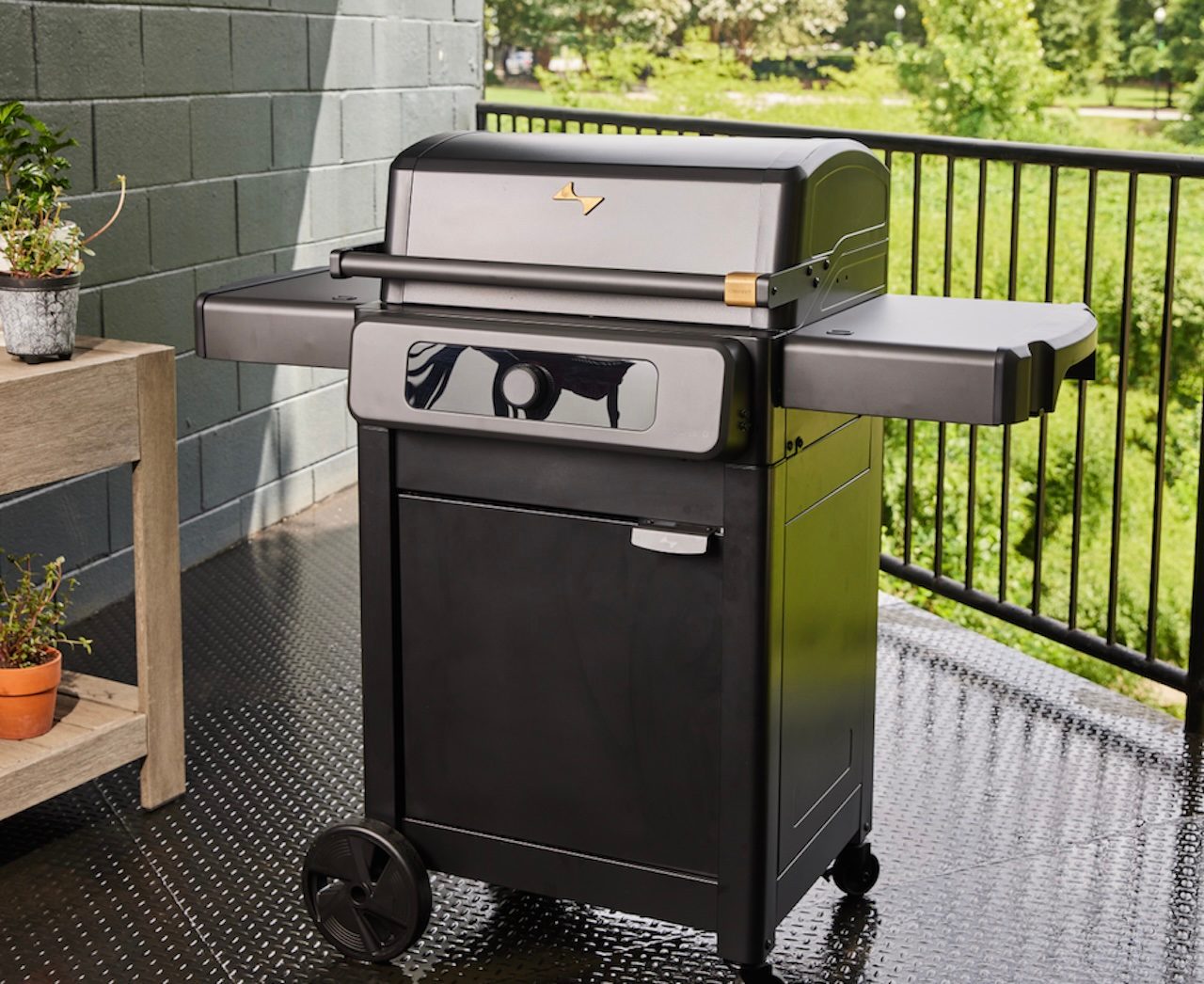
“Connected or smart electric grilling refers to outdoor cooking appliances that leverage technology—like Wi-Fi, Bluetooth, and integrated apps—to enhance control, precision, and convenience,” says De Mars. He shares that while early smart grills primarily focused on temperature monitoring, but today’s systems have even more advanced features like automated cooking programs, step-by-step recipe guidance, and remote notifications. Over the past few years, we’ve seen this space evolve rapidly. “The emphasis is now on creating a seamless experience where the grill does more of the heavy lifting while the cook retains creative control.”
Making outdoor cooking more approachable
Current
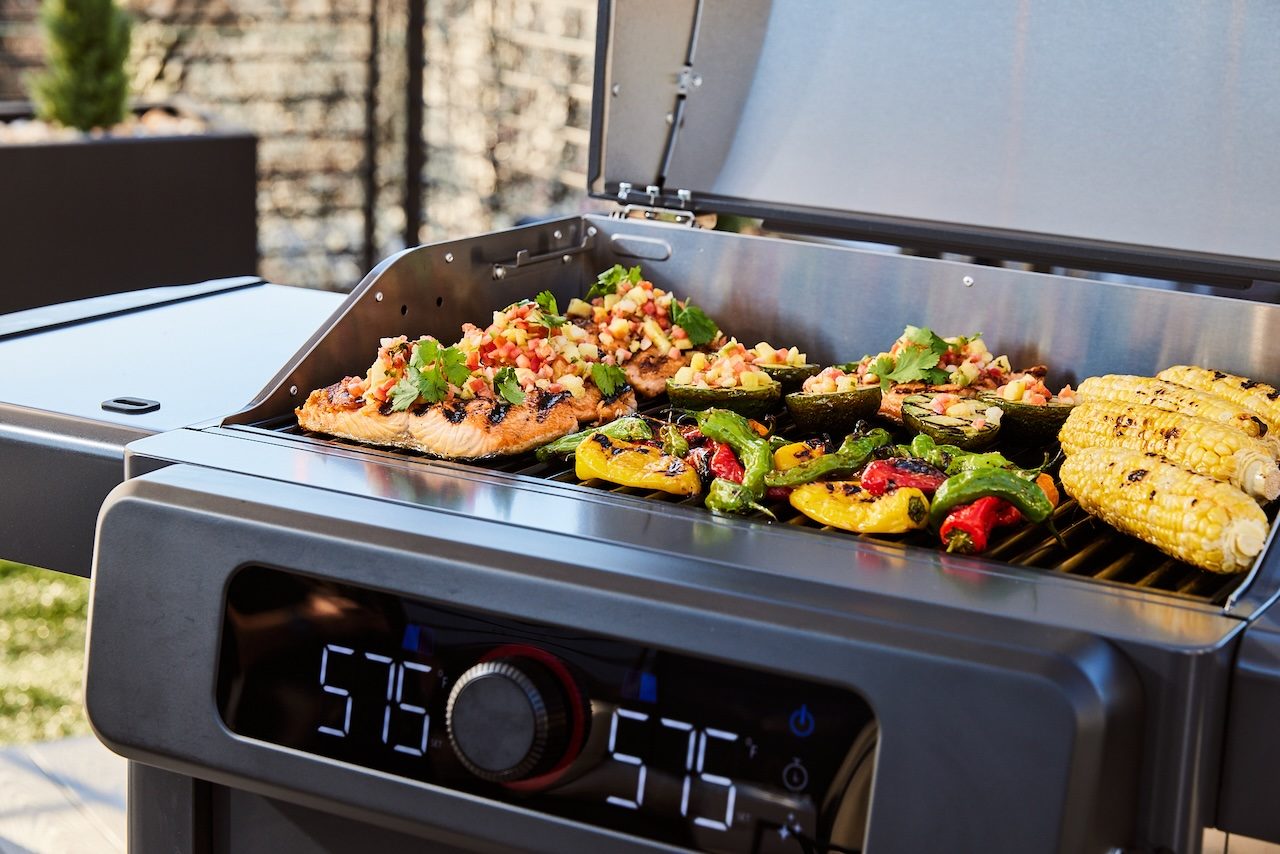
With modern technology on smart connected grills, outdoor cooking has now become more approachable for newbies. “A lot of it comes down to consistency and guidance. Maintaining the right temperature is one of the hardest parts of grilling, and electric systems handle that automatically. On top of that, app-based instructions and alerts help users understand timing—when to flip, when to check doneness, when to pull food off. Instead of relying on experience alone, you’re getting real-time feedback. That makes a big difference for beginners and helps build confidence quickly.”
With real-time connectivity on smart electric grills like Current’s Model G+ Electric Grill, grillers have more flexibility and confidence to make the perfect meals. De Mars touched on the importance of not having to stand over the grill, allowing users to step away and still monitor their cooking via their phone (which alerts them when something needs attention).
Smart connectivity also lowers the barrier to trying new things. “When you have guidance built into the experience—whether that’s temperature targets or step-by-step prompts—people are more willing to experiment because there’s less risk of getting it wrong,” he says.
Features beyond basic temperature control

Pixabay
Beyond precise heat management, De Mars says current innovations in connected electric grills also include:
Multi-stage cooking programs for complex recipes.
Built-in smoke infusion or humidity control for flavor customization.
Modular components for pizza, baking, or slow-cooking versatility.
Real-time analytics for tracking cook patterns and refining technique.
Social connectivity features for sharing recipes, cooking achievements, or even live-streaming grill sessions.
These features show that smart electric grilling is moving toward a holistic culinary platform rather than just a grill. While other options like charcoal grilling and gas grilling offer other benefits, the ideal user for an electric grill is one who values convenience and precision. Today, “The audience [for smart electric grills] is expanding to include urban homeowners, apartment dwellers, families, and busy professionals who want reliable, low-maintenance outdoor cooking. Younger consumers are also drawn to the combination of sustainability, safety, and “Instagrammable” cooking experiences. Essentially, anyone who values convenience, consistency, and culinary exploration can benefit from a connected electric grill,” he shares.
Dining and Cooking