
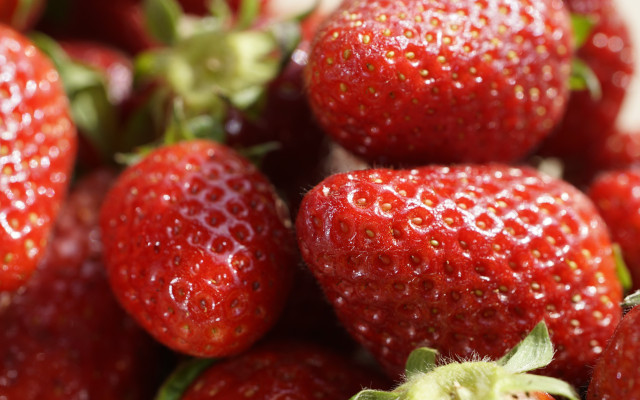
Le Italian strawberries They stand out in the European panorama for their high organoleptic quality and remarkable varietal biodiversity. While Spain dominates the continental market in terms of production volumes, Italy stands out thanks to its connection to the territory—crowned by the PGI recognition of the Basilicata Strawberry—and the added value of health, thanks to the extraordinary vitamin C content. This evolving sector integrates integrated pest management techniques and agronomic precision to ensure safety and sustainability.
Strawberry Growing in Italy: Production and Market Data
National production and regional distribution
According to ISTAT 2024 data, Italy produces approximately 110.000-115.000 tons of strawberries per year. cultivated areas for the 2025 campaign amount to 4.200 hectares (CSO Italy, 2025), while for the campaign 2026 estimates indicate significant growth up to approximately 4.500 hectares (+6% compared to 2025), of which the88% in protected cultivation (+8% compared to 2025) (FreshPlaza, 2026).
The main producing regions are Campania (over 1.200 hectares in 2026, +6% on 2025) and Basilicata (about 1.030 hectares, in strengthening), which together represent about 52-55% of national production, followed by Emilia Romagna and Lombardy, Veneto e Calabria. The Southern Italy holds 67% of the national surface area (over 3.000 hectares), while the North part stands at 20% (just over 900 hectares, -1%) (FreshPlaza, 2026).
Domestic market, consumption and imports
Il internal market absorbs most of the production. According to ISMEA-NielsenIQ monitoring, during the campaign 2024 (period January 29-June 16) were purchased 53,3 thousand tons of fresh strawberries for home consumption, with a total cost of 296 million euro (-1,7% and +4,6% respectively compared to the same period in 2023).
Italy also imports fresh strawberries, especially in the winter months to meet a now deseasonalized demand. 2025 (January-November) the cheap imports they reached approximately 27.300 tons (+1% compared to 2024), with value and average price growing by 3% each (FreshPlaza, 2026).
Export of Italian strawberries
THEItalian export of fresh strawberries has seen a significant turnaround in 2025. In the first eleven months of the 2025 exports totaled approximately 13.400 tons, scoring a increase of 31% compared to the same period in 2024 and representing the highest volumes in recent years (FreshPlaza, 2026).
The quarter March-May covered the 74% of total exports, while February contributed approximately 7%, confirming a progressive advance of the production season. The main Destination countries are Austria, Germany, Slovenia, Luxembourg, Lithuania e Switzerland (CSO Italy, 2025; Agenfood, 2025).
La campaign 2026, started in the southern areas in February, recorded a slow start due to unfavorable climatic conditions (rain and lack of light), with the Basilicata approximately 15% of the harvest and the Campania 3% of the total (FreshPlaza, 2026). However, the outlook appears positive in view of the Easter holidays, traditionally characterized by increased demand.
The European strawberry market
For eclecticism, The production total strawberry production in the EU-27 stands at approximately 1,1-1,2 million tons per yearItaly ranks fourth (110.000-115.000 tons), after Spain (328.000 tons, undisputed leader with a strong export vocation), Poland (197.000 tons), Germany (132.000 tonnes): the overall production of the four countries represents approximately 53% of the EU total (IndexBox, 2026).
The European market is characterised by a growing competition between early Mediterranean productions (Spain, southern Italy) and seasonal Central European productions. demand for organic strawberries It is rapidly expanding in the EU, supported by growing consumer interest in products made without the use of synthetic pesticides.
At the consumption level, Germany, Poland e Italy are at the same time the main markets, representing together approximately 50% of the total consumption of the EU-27 (IndexBox, 2026). As regards the export extra-EU, in 2024 theXNUMX-XNUMX business days exported fresh strawberries worth approximately 375 million euro (83.094 tons), mainly towards UK (42.034 tons), Switzerland (12.813 tons) e Norway (8.743 tons) (World Bank WITS, 2024).
Outlook 2025-2026
The outlook for the two-year period 2025-2026 in Italy they indicate:
growing demand for organic strawberries;
development of remontant varieties and complementary in terms of precocity and organoleptic characteristics (including Rossetta, Sabrosa, Marimbella);
increase in soilless cultivation in a protected environment (over 40% of the total surface area);
brand enhancement Basilicata PGI Strawberry, operational from the 2026 campaign.
From wild strawberries to modern strawberries: history and hybridizations
Le wild strawberries (Fragaria vesca) were already known in ancient times: the Romans They used them both as food and for medicinal purposes, as Pliny the Elder testifies in Naturalis Historia, where he describes its cooling and digestive properties.
However, the modern cultivated strawberry (Fragaria × ananassa) derives from thenatural hybridization between two American species – Virginian Fragaria (North America) and Fragaria chiloensis (South America) – occurred in France in the 18th century at the Botanical Garden of Brest, where the two species were grown in close proximity. This fortuitous cross produced significantly larger fruits with better organoleptic characteristics, which quickly conquered Europe and subsequently Italy.
According to a medieval legend, strawberries were said to have been born from the tears of Venus shed for Adonis, which is why they were associated with love, fertility and purity. In the Middle Ages, strawberries were grown in monastic gardens and used in folk medicine for their supposed purifying properties.
Botany and seasonality: the nature of the false fruit
The strawberry belongs to the genus Fragaria of the family of RosaceaeFrom a botanical point of view, the so-called ‘fruit’ is actually a false fruit (or pseudocarpus), consisting of the enlarged receptacle of the flower, while the real fruits are the small achenes – commonly called ‘seeds’ – present on the external surface.
Morphological and organoleptic characteristics:
color: from bright red to dark red, determined by the anthocyanin content;
aroma: complex, with over 360 identified volatile compounds (esters, aldehydes, terpenes);
consistency: variable from firm and crunchy to soft and juicy, depending on the cultivar and stage of ripeness;
shape and size: from conical to conical-elongated, with an average weight between 15 and 35 grams.
La seasonality varies according to cultivation techniques and varieties:
full field (single-bearing varieties): April-June;
protected crops (tunnels and greenhouses): February-July;
remontant varieties above ground: continuous production from March to October.
Le cultivar The most widespread varieties in Italy include short-day varieties such as Sabrina, Roxana, Melissa, Portola and San Andreas (remontant), as well as territorial selections and new hybrids resistant to soil pathogens such as Verticillium e Phytophthora.
Growing systems: from open field to soilless
Il “terroir” significantly influences the quality and organoleptic characteristics of strawberries. The key soil and climate factors in Italian production are:
mild climate (Southern Italy, Basilicata, Campania, Calabria) for productions precocious and prolonged;
day-night temperature range (Northern Italy, Emilia-Romagna, Veneto) for accumulation of sugar and development of aromaticity;
well-drained soils, preferably sandy or medium textured, with a slightly acidic pH (5,5-6,5).
Le agronomic practices modern ones include:
soilless cultivation on inert substrates (perlite, coconut fibre, peat) or mixed, to allow greater nutritional control, reduction of soil-borne diseases and optimisation of water use;
fertigation drip with balanced nutrient solutions;
mulch with plastic films (traditional) or, even better, biodegradable;
use of tunnel e greenhouses for climate protection and production advance/postponement;
pollination bumblebee assisted (Bombus terrestris) in a protected environment.
Sustainability, organic farming, and integrated pest management: the ecological transition
La strawberry cultivation in Italy is evolving towards more sustainable models, in response to market demands and European policies (strategies Farm to Fork e Biodiversity 2030):
growth of organically grown products certificate;
reduction in the use of pesticides through integrated agriculture and SQNPI certification (National Quality System for Integrated Production);
biological struggle widely adopted with natural predators: Phytoseiulus persimilis against red spider (Tetranychus urticae) to Orius laevigatus against thrips (Frankliniella occidentalis);
use of biostimulants (seaweed, protein hydrolysates, beneficial microorganisms) to improve resistance to abiotic stress;
growing interest in sustainable practices (biodegradable mulches, precision fertigation, digital monitoring), in line with the trends of agriculture 4.0.
From the nursery to the table: the production process
Le fresh strawberries They do not undergo industrial transformations before consumption. The production process is divided into the following phases:
Transplant of seedlings (rooted stolons or cold-stored plants) between July and September (for autumn-spring productions) or February-March (for summer productions);
Nutritional management: balanced fertigation with macro and microelements, monitoring of the electrical conductivity (EC) of the nutrient solution;
Phytosanitary control: prevention of powdery mildew (Podosphaera aphanis), botrytis (Botrytis cinerea), anthracnose (Colletotrichum spp.) through integrated strategies;
Manual harvest at optimal ripeness (when the fruit is colored over at least 2/3 of the surface), every 2-3 days during peak production;
Selection and packaging in 250-500 g trays, with quality control (size, absence of defects, minimum dry residue 7%).
DOP, IGP strawberries and Italian territorial brands
Basilicata PGI Strawberry
La Basilicata PGI Strawberry was officially registered in the European Union on 5th November 2025 (EU Regulation 2025/2239), representing the first Italian strawberry , 153rd PGI of the Italian food sector (Qualivita Foundation, 2025).
La production area includes the administrative territory of nine municipalities in province of Matera (Metapontino area): Bernalda, Montalbano Jonico, Montescaglioso, Nova Siri, Pisticci, Policoro, Rotondella, Scanzano Jonico and Tursi.
Il production specification provides for 28 permitted varieties of the species Fragaria × ananassa, including Sabrosa, Inspire, Sabrina, Melissa, Marisol, Flavia, and others. The Sabrosa Candonga variety® covers 85% of the cultivated areas in the Metapontino area (Il Sole 24 Ore, 2025).
Le distinguishing features of the Basilicata PGI Strawberry are:
crafts conical-elongated;
color bright red and uniform;
minimum sugar content 7,5° Brix;
consistency not less than 550g/cm²;
titratable acidity not exceeding 9 meq/100g.
Il Lucanian strawberry sector it extends over approximately 1.200 cultivated hectares, with an annual production of approximately 500.000 quintals (50.000 tons) and a production value exceeding 150 million euros, with over 10.000 employees (Basilicata Region, 2025).
Other territorial brands
In addition to the Basilicata PGI Strawberry, there are other local specialties:
Verona Strawberry (traditional Veronese production, not EU certified but locally recognized);
Maletto strawberry (Sicily, niche production in the Etna foothills, uncertified);
Terracina Strawberry (Lazio, historic territorial brand).
Several protection consortia and producer organizations work to promote local products.
Biochemical profile: a supply of vitamin C
According to the data of the CREA – Food and Nutrition Research Center (2019), per 100 g of fresh strawberries:
carbohydrates: 5,3 g (of which simple sugars: 5,3 g);
As regards micronutrients, strawberries are characterised by their richness in Vitamin C: 54 mg per 100 g of fruit, equal to 67,5% of the Nutritional Reference Value indicated in Annex XIII to Regulation (EU) No. 1169/11.
Health benefits: recent scientific evidence
Numerous Scientific studies published in the last ten years – even if not yet evaluated by EFSA (European Food Safety Authority) for the purpose of authorising specific ‘health claims’ pursuant to Regulation (EC) No. 1924/06, in the absence of requests from the operators concerned – highlight the health benefits associated with regular strawberry consumption. Some suggestions follow.
Antioxidant and neuroprotective activity
Strawberries are among the fruits with the highest antioxidant power (ORAC >4.000 µmol TE/100 g), thanks to their high content in polyphenols and anthocyanins. Along with blueberries, blackberries and raspberries, are placed in the high range of small fruits for antioxidant capacity. Studies vitro e in vivo demonstrate neuroprotective effects, with improved cognitive functions and reduced cerebral oxidative stress (Pap et al., 2021; Miller et al., 2017).
Strawberries and cardiometabolic health
Strawberry consumption has shown improvement in lipid markers (reduction of LDL cholesterol and triglycerides), reduction of blood pressure and systemic inflammation (reduction of CRP and IL-6) in adults with metabolic syndrome (Basu et al., 2010; Alvarez-Suarez et al., 2014).
Glycemic control and insulin response
Clinical studies indicate that the consumption of strawberries in association with high-carbohydrate meals modulates the glycemic response and improves insulin sensitivity, thanks to the action of polyphenols and anthocyanins (Edirisinghe et al., 2011; Schell et al., 2019).
Anti-inflammatory and gut health effects
Strawberry ellagitannins are metabolized by intestinal microbiota in urolithins (A, B, C), metabolites with marked anti-inflammatory activity and potential protective effect on the colon (Giampieri et al., 2016; Espín et al., 2017).
These effects are attributed to the synergy between vitamin C, flavonoids, ellagitannins, and fiber, which act on various metabolic and inflammatory pathways.
Culinary uses and food pairings
Le strawberries They are extremely versatile:
fresh consumption (natural, with lemon, sugar or balsamic vinegar);
confectionery: cakes, pies, charlotte, Tiramisu with strawberries, panna cotta;
beverages: fruit juices, smoothies, shakes, mocktails and cocktails;
gourmet food pairings: salads (with rocket, spinach, avocado), fish carpaccio (sea bass, salmon), risottos, tartare.
Selection and storage criteria for the consumer
Consumers are advised to:
to prefer seasonal strawberries (April-June for maximum organoleptic quality);
check Italian origin and, if possible, certification Biological;
privilege short supply chains (direct sales, farmers’ markets, solidarity purchasing groups – GAS);
choose fruits uniformly colored, firm, with a green and turgid stalk;
avoid fruit with spots, bruises or signs of mold;
Store in the refrigerator (+1-4°C) and wash only before consumption.
Conclusions
The Italian strawberry sector is establishing itself as a model focused on excellent quality and protected origins. The integration of PGI and organic certifications, genetic biodiversity, and nutritional properties offers the market a “false fruit” that precisely meets modern demands for pleasure, well-being, and supply chain transparency.
Bibliography
Alvarez-Suarez, J.M., Giampieri, F., Tulipani, S., Casoli, T., Di Stefano, G., González-Paramás, AM, Santos-Buelga, C., Busco, F., Quiles, J.L., Cordero, M.D., Bompadre, S., Mezzetti, B., & Battino, M. (2014). One-month strawberry-rich anthocyanin supplementation ameliorates cardiovascular risk, oxidative stress markers and platelet activation in humans. The Journal of Nutritional Biochemistry, 25 (3), 289–294. https://doi.org/10.1016/j.jnutbio.2013.11.002
Basu, A., Fu, D. X., Wilkinson, M., Simmons, B., Wu, M., Betts, N. M., Du, M., & Lyons, T. J. (2010). Strawberries decrease atherosclerotic markers in subjects with metabolic syndrome. Nutrition Research, 30 (7), 462–469. https://doi.org/10.1016/j.nutres.2010.06.016
Basu, A., Nguyen, A., Betts, N. M., & Lyons, T. J. (2014). Strawberry as a functional food: an evidence-based review. Critical Reviews in Food Science and Nutrition, 54 (6), 790–806. https://doi.org/10.1080/10408398.2011.608174
Edirisinghe, I., Banaszewski, K., Cappozzo, J., Sandhya, K., Ellis, C. L., Tadapaneni, R., Kappagoda, T., & Burton-Freeman, B. (2011). Strawberry anthocyanin and its association with postprandial inflammation and insulin. British Journal of Nutrition, 106 (6), 913–922. https://doi.org/10.1017/S0007114511001176
Espín, J. C., González-Sarrías, A., & Tomás-Barberán, F. A. (2017). The gut microbiota: A key factor in the therapeutic effects of (poly)phenols. Biochemical Pharmacology139, 82–93. https://doi.org/10.1016/j.bcp.2017.04.033
Giampieri, F., Alvarez-Suarez, J.M., Gasparrini, M., Forbes-Hernandez, T.Y., Afrin, S., Bompadre, S., Rubini, C., Zizzi, A., Astolfi, P., Santos-Buelga, C., González-Paramás, AM, Quiles, J.L., Mezzetti, B., & Battino, M. (2016). Strawberry consumption alleviates doxorubicin-induced toxicity by suppressing oxidative stress. Food and Chemical Toxicology, 94, 128–137. https://doi.org/10.1016/j.fct.2016.06.003
Giampieri, F., Forbes-Hernandez, T.Y., Gasparrini, M., Alvarez-Suarez, J.M., Afrin, S., Bompadre, S., Quiles, J.L., Mezzetti, B., & Battino, M. (2015). Strawberry as a health promoter: an evidence based review. Food & Function, 6 (5), 1386–1398. https://doi.org/10.1039/c5fo00147a
Giampieri, F., Tulipani, S., Alvarez-Suarez, J. M., Quiles, J. L., Mezzetti, B., & Battino, M. (2012). The strawberry: composition, nutritional quality, and impact on human health. Nutrition, 28 (1), 9–19. https://doi.org/10.1016/j.nut.2011.08.009
Miller, M. G., Thangthaeng, N., Poulose, S. M., & Shukitt-Hale, B. (2017). Role of fruits, nuts, and vegetables in maintaining cognitive health. Experimental Gerontology94, 24–28. https://doi.org/10.1016/j.exger.2016.12.014
Pap, N., Fidelis, M., Azevedo, L., do Carmo, M.A.V., Wang, D., Mocan, A., Pereira, E.P.R., Xavier-Santos, D., Sant’Ana, A.S., Yang, B., & Granato, D. (2021). Berry polyphenols and human health: evidence of antioxidant, anti-inflammatory, microbiota modulation, and cell-protecting effects. Current Opinion in Food Science42, 167–186. https://doi.org/10.1016/j.cofs.2021.06.003
Schell, J., Scofield, R.H., Barrett, J.R., Kurien, B.T., Betts, N., Lyons, T.J., Zhao, Y.D., & Basu, A. (2017). Strawberries Improve Pain and Inflammation in Obese Adults with Radiographic Evidence of Knee Osteoarthritis. Nutrients, 9(9), 949. https://doi.org/10.3390/nu9090949

Dario Dongo, lawyer and journalist, PhD in international food law, founder of WIISE (FARE – GIFT – Food Times) and Égalité.
Dining and Cooking