
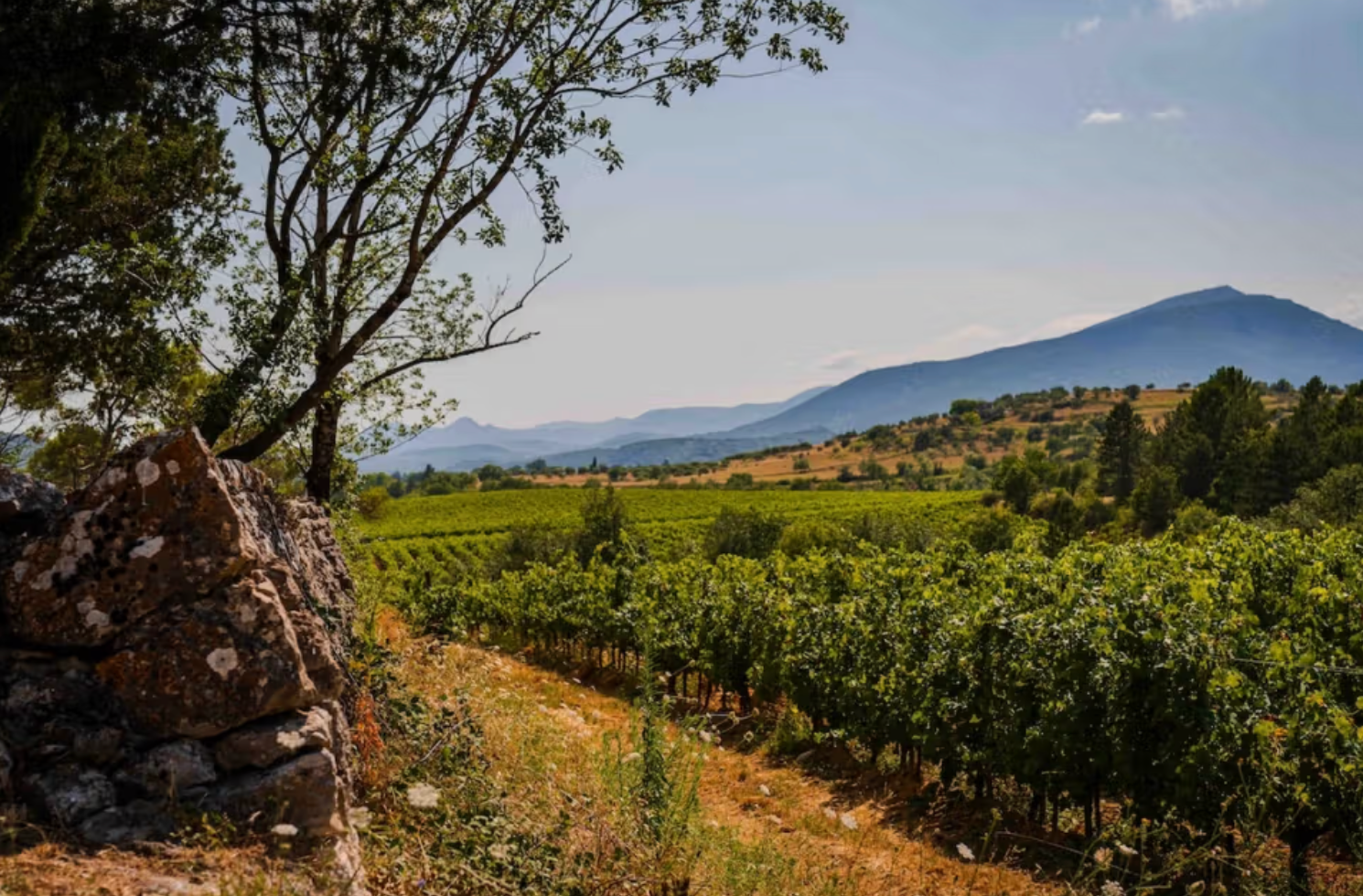
The Buyer talks to key importers in the UK about what the Pays d’Oc IGP means for their French ranges:
Peter Doherty, Wine Buyer, Coterie Holdings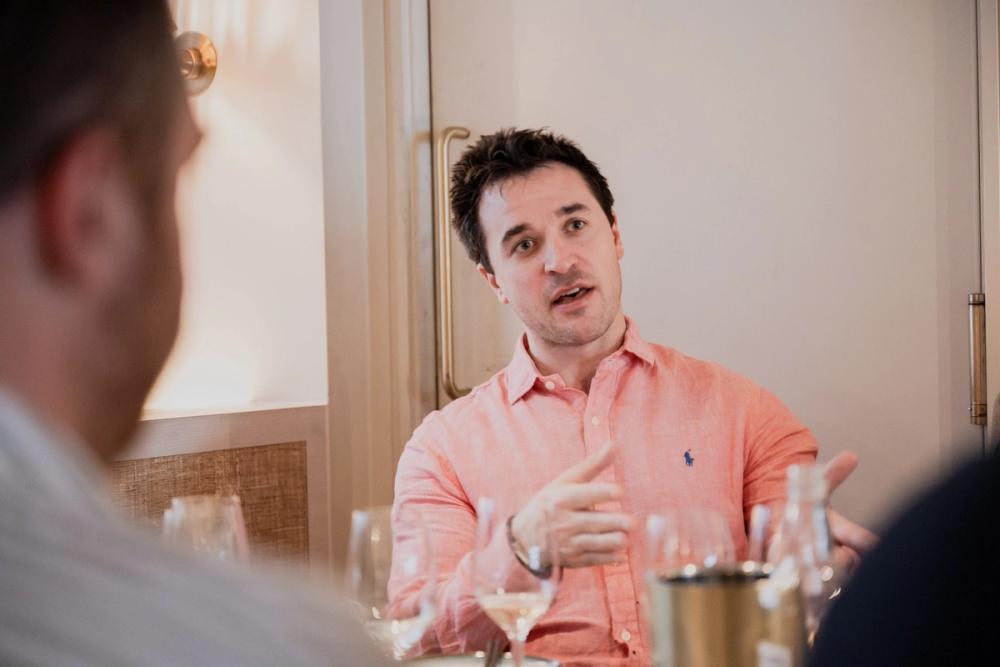
Coterie Holdings’ Peter Doherty says Pays d’Oc IGP is such an important part of its range as it offers the “full spectrum of styles, aromas and flavours”
How important do you see the Pays d’Oc IGP’s denomination and vineyards in terms of buying and sourcing wines?
The Pays d’Oc IGP denomination plays a very important, strategic part in our buying strategy, giving us access to fruit-forward, easy-drinking varietal wines and blends. We work with a number of producers in the region that supply us with wines at a variety of price points, that work well in both the hospitality and retail sectors, giving consumers reliable wines at competitive prices.
How does that compare to say five years ago and what has driven those changes – be it better or worse?
Compared to five years, we have seen the wines of the Pays d’Oc IGP grow significantly in demand, in what has largely been a declining market. Looking at our own data, sales of these wines have grown by 47% in volume and 87% by value (Hallgarten Wines data – 2020-2025).
A few factors have driven this growth. Much of the wine produced in Pays d’Oc IGP is at the value end of the market, and as cost-of-living increases have squeezed every pound, consumers are looking for value in wine as much as possible. And short vintages in many places across the world has meant that customers have had to look for alternatives
What do you see as the Pays d’Oc IGP’s biggest calling cards and what is it doing better than other French wine regions?
The Pays d’Oc IGP’s biggest calling card is that it is able to provide an expansive range of wines, and the full spectrum of styles, aromas and flavours thanks to the 58 different grape varieties grown in the region at their disposal.
Compared with other parts of France, wines from the region also give the consumer a clear indication about what is in the bottle with precise naming, so a consumer doesn’t need to know that Sancerre is Sauvignon Blanc or Chablis is Chardonnay.
In terms of specific styles and price points what are you focusing on and see the most demand?
We are spending some time focusing on Pinot Noir and Chardonnay from the region. As Burgundy gets more and more expensive, consumers are looking for these grape varieties and styles of wine, but at better value.
John Sanderson, product manager for France, Boutinot Wines
Pays d’Oc IGP wines are a key part of Boutinot’s French wine range
How important do you see the Pays d’Oc IGP’s denomination and vineyards in terms of buying and sourcing wines?
For our team at Maison Boutinot they are and have always been incredibly important. They are one of our largest and most successful sourcing pools.
How does that compare to say five years ago and what has driven those changes – be it better or worse?
I would say that our sourcing of Pays d’Oc IGP wines has increased over the last five years and that the high quality of wine available has contributed to our increased presence in the UK national account market which has in turn driven growth.
General wine quality has continued to improve with co-Ops increasingly adapting to modern market requirements and implementing forward thinking vineyard protocols and winemaking techniques. Consistency of quality has also improved as a result, despite increased climatic challenges.
What do you see as the Pays d’Oc IGP’s biggest calling cards and what it is doing better than other French wine regions?
As a toolkit for our buying team it is simply unparalleled in France. The sheer size and variety of options available, combined with a strong sourcing team and a meticulous selection process enables us to offer what we feel are tremendous value wines for the consumer.
In terms of specific styles and price points what are you focusing on and see the most demand?
The current market trends toward whites, rosés and lighter reds are well met by IGP Oc wines and we see increased focus on these areas as consumers search value options or versions of other more well known and more expensive appellations.
What would you like to see more from Pays d’Oc IGP?
I personally would like to see the situation stabilize in terms of supply and demand. It’s been a complicated few years down there for many of our suppliers, I look forward to a more balanced situation going forward as production drops back into line with demand.
What do you see as its biggest future potential?
I think that it’s important with Pays d’Oc IGP wines to try to frame what the wine is for (ie chillable reds) rather than simply what it is (IGP Oc Cinsault for example) and clear labelling styles play an important role in this.
I believe that the wines are excellent and are an essential part of our toolkit. It provides excellent wines as a vehicle for clearly focused label designs to build a story and purpose around.
Hal Wilson, managing director, Cambridge Wine Merchants
“Very important.” Simple as that for Hal Wilson when talking about Pays d’Oc IGP wines
How important do you see the Pays d’Oc IGP’s denomination and vineyards in terms of buying and sourcing wines?
Very important. Pays d’Oc IGP wines make up over half of our Languedoc range and 73% by volume. They also make up 30% of French still wines by volume. We carry wines from 16 named varietals covering Mediterranean and ‘International’ varietals and further blends. They offer familiar and more adventurous flavours, all at world beating price and quality.
These include:Sauvignon Blanc; Vermentino; Viognier; Chardonnay; Grenache Blanc; Roussanne; Chenin Blanc; Cinsault; Merlot; Syrah; Grenache Noir; Pinot Noir; Cabernet Franc; Cabernet Sauvignon; and Mourvedre.
How does that compare to say five years ago and what has driven those changes – be it better or worse?
We invested in sourcing wines from the Languedoc region over 15 years ago and have developed longstanding relationships with 14 key growers/partners in AOP and IGP regions. IGP remains a real focus and a consistent performer for creativity and innovation.
What do you see as the Pays d’Oc’s biggest calling cards and what it is doing better than other French wine regions?
Varietals, positive associations with the Mediterranean region (sunshine, sea, sand…) and consistency of quality and value.
In terms of specific styles and price points what are you focusing on and see the most demand?
As you’d expect most Pays d’Oc IGP wines retail between £9.95 and £16 RRP. Nearly 50% is white, with red at 39% and Rosé at 12%, with a real spread between the varietals and blends noted above.
What would you like to see more from Pays d’Oc?
We’ve moved our trade clients onto BIBs for environmental and cost reasons. Some support with helping that transition would be helpful.
What do you see as its biggest future potential?
There is a challenge from Vin de France, which is probably doing a better job at creating a niche. IGP d’Oc probably needs to reinforce its Mediterranean/Southern French/geographic credentials to maintain a sense of identity.
Doug Wregg, buying and marketing director, Les Caves de Pyrene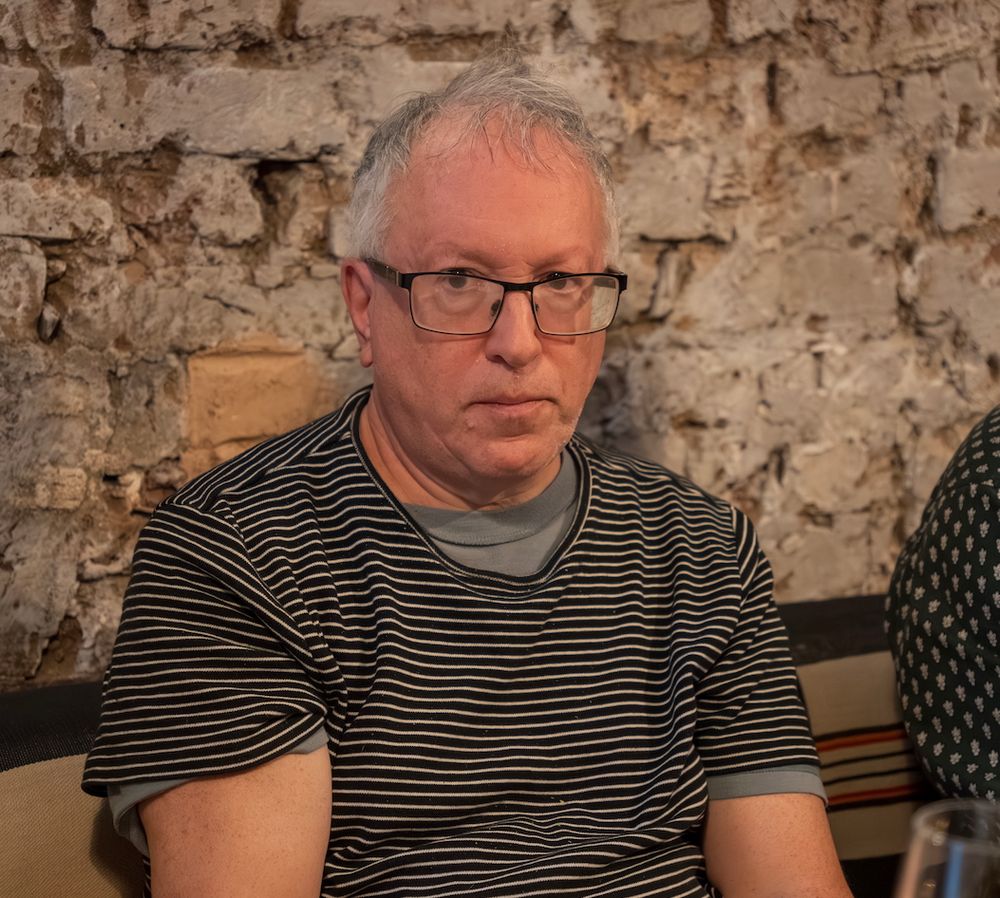
Les Caves de Pyrene’s Doug Wregg welcomes the wider use of organics in Pays d’Oc IGP wines
How important do you see the Pays d’OcI IGP’s denomination and vineyards in terms of buying and sourcing wines?
The Languedoc-Roussillon is such a large and varied geographical wine region, that any French specialist would naturally want to explore its many and varied wines. In terms of buying, we can find excellent wines at the lower price points, invaluable in the current market climate.
How does that compare to say five years ago and what has driven those changes – be it better or worse?
We are an organic and low-intervention specialist, and we have observed that more of the larger estates and co-ops are converting their production over to organic farming. This is a change for the better (and a response to demand for wines made like this).
Because of the climate it is possible to grow a wide variety of white and red grape varieties from the more international ones to the more specifically Mediterranean ones. Having said that, given successive drought-ridden vintages, many wineries are having to reassess which varieties are sustainable to grow and evaluate how that will affect the wines they are making.
In terms of specific styles and price points what are you focusing on and see the most demand?
There has been a shift away from the more powerful copycat Rhone style reds. Rosés – made from the saignée method – offer good value. Fresher whites too and lighter, fruit-driven reds with lower alcohol, perfect for chilling. Classic varietals: Chardonnay, Merlot, Grenache, even Pinot Noir, and red blends (often featuring Grenache and Syrah).
Bianca Ford, operations director, Yapp Brothers
Bianca Ford says Yapp Brothers is seeing demand across the board for Pays d’Oc IGP wines
How important do you see the Pays d’Oc IGP’s denomination and vineyards in terms of buying and sourcing wines?
The Languedoc overall represents 10% of our portfolio of wines. Half a dozen IGP Pays d’Oc wines are particularly important for our single varietal offerings to the on-trade. It is an exciting, untapped area with a range of styles and represents good value for money.
What do you see as the Pays d’Oc IGP’s biggest calling cards and what it is doing better than other French wine regions?
It delivers at both the entry level and the top-end. We are seeing demand across the board at all price points. The variety of wines is also compelling. It’s not doing much wrong in our view.
What do you see as its biggest future potential?
Aromatic white wines are getting better and better and there is potential for quality rosé.
Daniel Lambert, director, Daniel Lambert Wines
Daniel Lambert is one of the UK’s most influential wine importers of French wine
How important do you see the Pays d’Oc IGP’s denomination and vineyards in terms of buying and sourcing wines?
The Pays d’Oc IGP is one of our key volume movers in the UK. We source and sell successfully many different varieties to a broad cross section on trade.
How does that compare to say five years ago and what has driven those changes – be it better or worse?
It’s significance to our business improves each year.
What do you see as the Pays d’Oc IGP’s biggest calling cards and what it is doing better than other French wine regions?
Easy to understand labels with named grapes and competitive pricing are key.
In terms of specific styles and price points what are you focusing on and see the most demand?
Wine from £9-£13 retail – anything above that level becomes a tough sell.
What would you like to see more from Pays d’Oc IGP?
Better marketing, and proper funds from the French government to boost sales, like other parts of the world do.
* You can find out more about Pays d’Oc IGP wines here.
Dining and Cooking