
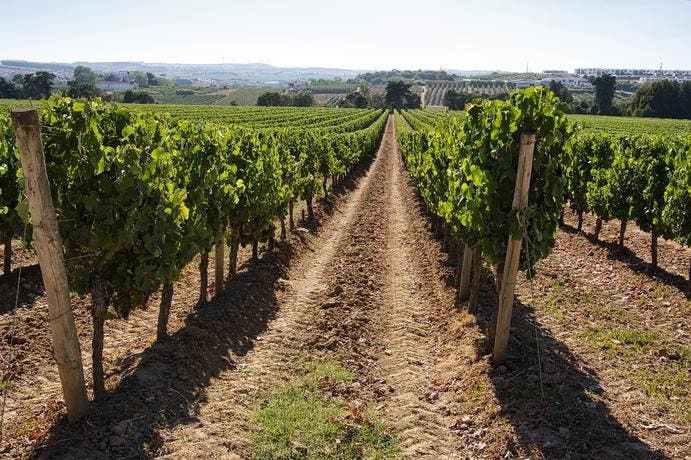
Vineyard in Vinho Verde, northwest Portugal
getty
The Vinho Verde wine region of northwestern Portugal—the largest wine region in the country—stretches north to the Minho River at the border with Spain, south to the Douro River and east to several mountain ranges. It includes nine sub-regions. Translated, the term means “green wine,” although wines can be made from red or white grapes.
The lexicon of the wine world can be deceiving. How can white grapes make orange wine, and red grapes produce green wine?
The “green” in this appellation name relates to wines that are young, because most bottles are released within six months of grapes being harvested. Wines from Vinho Verde are typically low in alcohol (9% to 11.5%), notably acidic and can be slightly effervescent. Most wines are white, made from grapes that include Alvarinho, Loureiro, Trajadura, Avesso, Azal and Arinto, while reds (representing only 10% of the region’s overall wine production) are made from grapes that include Vinhão, Amaral, Pedral, Espadeiro and Alvarelhão.
According to the regional viticulture commission—Comissão de Viticultura da Região dos Vinhos Verdes (CVRVV)—the Vinho Verde appellation has existed since 1959 and covers white, red, rosé wines, as well as sparkling wines, brandy wine, bagaceira (aguardente) and red and rosé vinegars.
Some 30,000 growers cultivate grapes across some 100 square miles (26,000 hectares) of Vinho Verde vineyards, including owners who only work part-time on small plots. Approximately 2,000 wineries operate here—both as independent operators and as cooperatives.
There are few biodynamic wine producers in Portugal certified by Demeter and/or Biodyvin. Aphros Wine, located in the Vinho Verde wine region an hour drive north of Porto and a half hour inland from the Atlantic Ocean produces some 15 biodynamic wines. Owner Vasco Croft owned a furniture design company in Portugal. In his thirties he shared a bottle of wine with a Buddhist monk, which prompted him to alter his life. Ten years ago he completed renovating a set of rural stone structures which now produce biodynamic Vinho Verde wines.
Aphros Wine is named after the Greek word meaning “foam” because the love goddess Aphrodite was supposedly born from sea foam. The estate includes 50 acres [20 hectares] of vines in a valley lined with granite, schist and river gravel in a rain-soaked region that receives up to 60 inches [1,500 millimeters] of rain annually. Historically, the high agricultural fertility here incited wine producers to sell ample quantity of juice at low prices. Wines from Aphros generally include 10.5% alcohol and total production is up to 150,000 bottles a year.
Vineyard at Aphros Wine, northwest Portugal
Roundwood Press
The winemaker at Aphros is Miguel Viseu. Methods he now uses include fermenting grapes in open concrete tanks, destemming grapes with a bicycle pedal powered machine and pressing grapes by feet. Many wines are made from the Loureiro grape.
“The variety is very elastic,” Viseu said. “It tends to be citric and floral, depending on soils. It also trends to be very mineral, with low acidity. Personally, I prefer to have acidity on my side than alcohol. I believe Loureiro will be found in many places in the world in the future.”
The red Alvarelhão grape variety also grows in the Vinho Verde region, as well as in the Douro Valley and Dão regions of Portugal. It was used in the past for making table wine.
Vines at Aphros are trained high above ground, reducing fungus by letting winds dry them, and also facilitating easy picking.
“The area is in transition from producing industrial wines to custom wines,” Viseu said. In a region known for rainfall, this year’s vintage will have been seared by heat. “This is the driest year for decades,” Viseu added. “For six weeks temperatures were above 30 degrees.” (That Celsius temperature is equivalent to 86 degrees Fahrenheit.)
Winemaker Miguel Viseu of Aphros Wine, northwest Portugal
Roundwood Press
I tasted nine wines—including whites, reds and sparkling—and evaluated them for value using my proprietary Vino Value algorithm. Four are listed below. Prices are cellar door local retail prices; retail prices in the U.S. will be higher.
Aphros. Loureiro. Vinho Verdo DOC. 2023. 91 – 92 points. €14.00. [Excellent Value ♫♫]
Made 100% from the Loureiro grape, with 10.5% alcohol. Fermented in stainless steel. This is the winery’s bestseller. No malolactic fermentation; grapes originate from different plots including one named the ‘valley of flowers.’ Light lime color. Floral aromas such as Queen of the Night, as well as aromas of honey and tangerine. Bright acidity, gripping citrics in this rinse of mint and citron flavors.
Aphros. Daphne. Vino Verde. 2021. 92 – 93 points. €21.00. [Superlative Value ♫♫♫]
Made exclusively from the Loureiro grape. Fermented in ceramic eggs. Aromas of green grass, citrics and slight salinity. Full rich body with squeaky acidity and pronounced tropicals on the finish. Gorgeous balance with a honey almond richness. 10.5% alcohol.
Aprhos Daphne wine
Aphros Wine
Aphros. Melissae. Vinho Verde DOC. 2021. 93 points. €30.00. [Superlative Value ♫♫♫]
100% Loureiro grapes. Whole bunches fermented in barrels, then pressed and transferred to ceramic eggs. Unfiltered. Pronounced white and black pepper aromas—quite Burgundian. Also gunpowder and flint. Cracking mid palate dynamic explosion of white fruits, salinity and minerality. Creamy finish with a slight flavor of grapefruit.
Aphros. Ouranos. Vinho Verdo DOC. 2020. 92 points. €30.00.
One of the winemaker’s favorite wines, made from Alvarelhão, a red grape variety that lost popularity due to the wines lacking color, tannins and alcohol. Aromas of gunsmoke, black pepper, red plums and cranberries. Easy drinking and well balanced with a lush mid palate and some cocoa and cranberry juice flavors on the finish. Fresh and delicious.
Dining and Cooking