


The Rio Negro River in Patagonia feeds the vineyards of the region.
Wines of Argentina
Who knew? April 17 has been declared Malbec World Day, at least according to WoFa (Wines of Argentina), which is understandable since the country is the main producer of the varietal, with nearly 110,000 acres of vineyards cultivated by 200 wineries, making up 22.4% of the total cultivated area in the country.
Malbec almost didn’t survive the phylloxera plague of the 19th century in French vineyards, where it was planted in Cahors (where Malbec was called “Côt.”)
Fortunately, in 1853, before phylloxera hit Europe, French agronomist Michel Aimé Pouget had been commissioned by the politician and statesman (later President of Argentina), Domingo Faustino Sarmiento, to import new grape varieties, including Malbec, which flourished in the Andean foothills.
Argentina has also been turning out some impressive Garnacha, Semillon and Marsanne, but the wines you’ll most likely find in U.S. wine stores will be Malbecs.
I tasted several this week and found that they are much more appealing than the since recovered wines of Cahors, which tend to be inky and tannic. The Argentine examples were very fresh and ready to drink, although a 2022 Crios($15), from the Valle de Uco, Mendoza, had clearly mellowed, while its acid kept it lively and, at this price, a real bargain. At 14% alcohol and minimal oak it is in impeccable balance.
Cuchillo de Palo Malbec 2024 ($30) has 5% Petit Verdot added to the Malbec for a perky fruitiness, and 2024 was a year of ideal warm but not intensely hot weather, with gradual grape ripening. It is aged for 16 months in used oak barrels, so it has only a faint flavor of the charred wood. I can see drinking this with just about any meats this summer, including poultry.
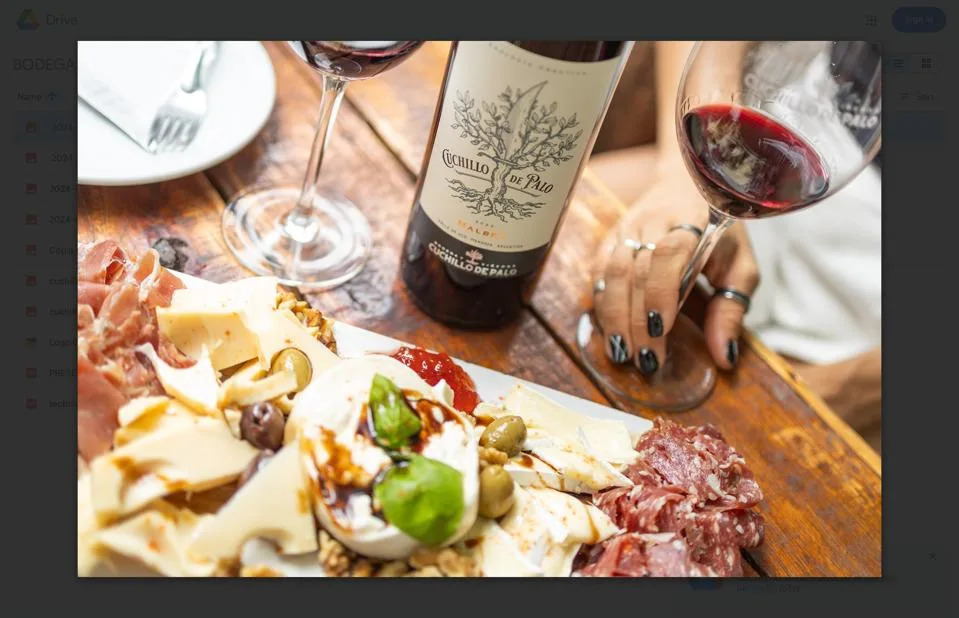
Ideal weather favored yje ripening of Cuchillo de Palo wines.
Bodgea Cuchillo de Palo
Colomé Auténtico 2023 ($44). Bodega Colome dates back to 1831 as a winery and thereby has the right to boast it is “authentic.” Their wines come from higher altitudes in the Calchaquí Valleys than most Malbecs, which means that more intense sun produces a thicker-skinned grape that makes a heartier red wine, even without spending any time in oak. Instead it is aged 10 months in tank and concrete eggs, 10 months in bottle, emerging at 14.5%, so it’s a wine you drink with grilled red meats.
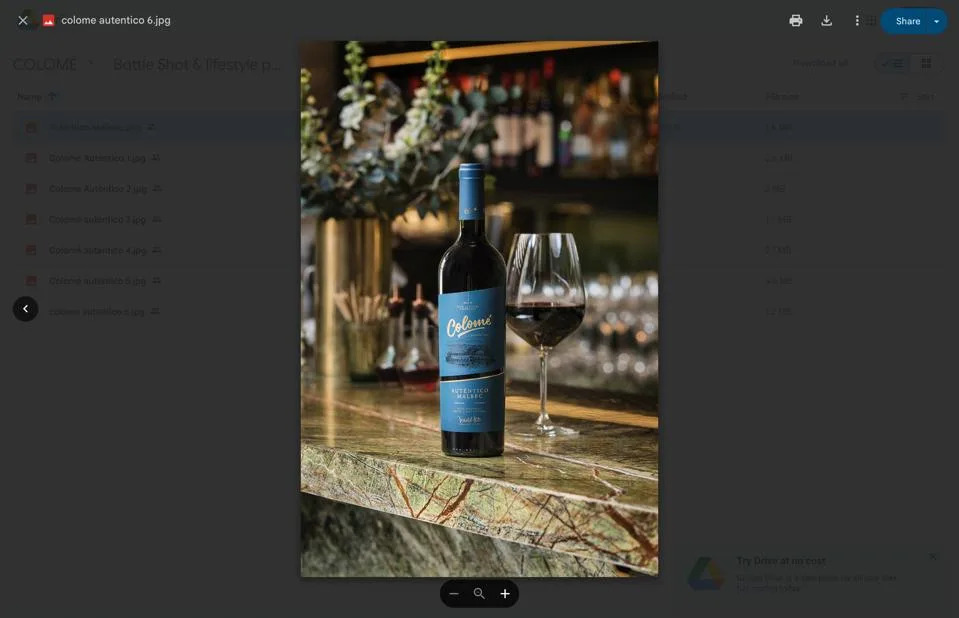
Colome dates back as a winery to 1824, before Malbec arrived in Argentina.
Colome Autenico
Salentein Reserve Malbec 2023 ($22) has a fine complexity, coming out of the Uco Valley, aged for one year, six months in stainless steel, six months in oak, which is a good equilibrium of freshness and mellowness. I like the fruitiness combined with a little pepper on the back of the palate, so it would be delicious with lamb, veal and chicken as well as spicy pastas.
Wapisa Malbec 2023 ($25) claims to be very terroir driven, with its estate in Atlantic Patagonia on the Rio Negro, so the ocean brings in cool winds and a saline component to the soil. It spends eight months in barrel and comes out at a lovely 13.9% that makes it a good match with salmon or mackerel, paella, as well as red meats.
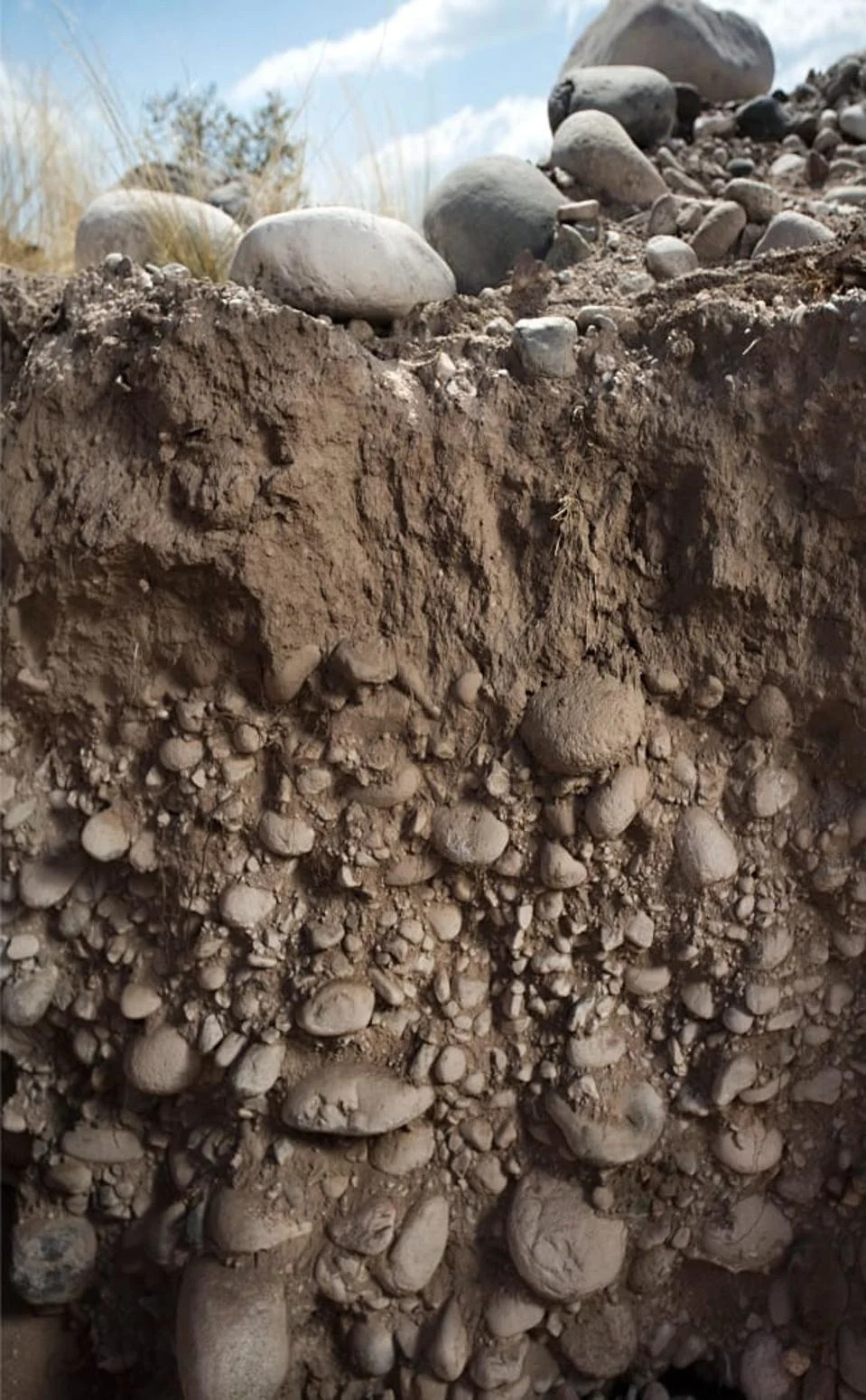
The strata of vineyard soil shows how various minerals contribute to the wines of Zuccardi.
Zuccardi
Finca Canal Uco 2022 ( $100). If you wish to make the leap to the top ranks of Argentine Malbec, Finca Canal Uco, made by the Zuccardi family, is worth the price. It is a high altitude estate (3,608 feet above the Uco Valley) irrigated by a canal that draws from the Tunuyán River. The vintage was a cool year, allowing for good ripening of sugars. The wine was aged in concrete vessels with a finesse provided by winemaker Laura Principiano. Lovely herbal notes complement the fruit.
This article was originally published on Forbes.com
Dining and Cooking