

NORTHFIELD, MN. (April 26, 2026) A specialty drink created by a small Minnesota café has developed into an international trend after the business publicly invited other coffee shops to replicate its recipe, resulting in participation from hundreds of establishments worldwide.
More than 400 cafés and restaurants across 41 countries have adopted versions of the Raspberry Danish Latte, a drink developed by Little Joy Coffee in Northfield, according to the shop’s ownership and reporting by CNN.
Drink Composition and Concept
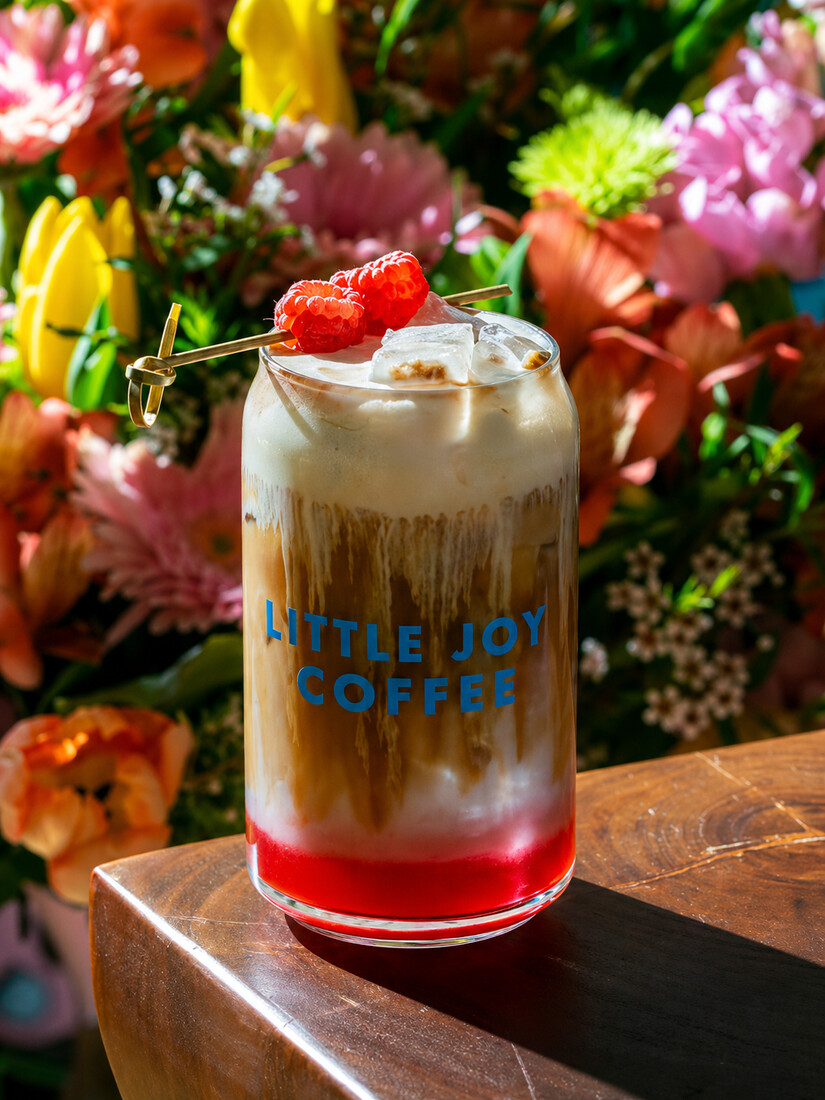
The Raspberry Danish Latte was designed to replicate the flavor profile of a raspberry pastry. The drink typically includes espresso, milk, raspberry syrup, and a cream cheese-based cold foam topping. Some versions also incorporate vanilla flavoring and fresh raspberry garnish.
The café has described the drink as a combination of a standard latte with dessert-style elements, reflecting a broader trend in specialty coffee toward hybrid beverage offerings.
Origin of the Viral Trend
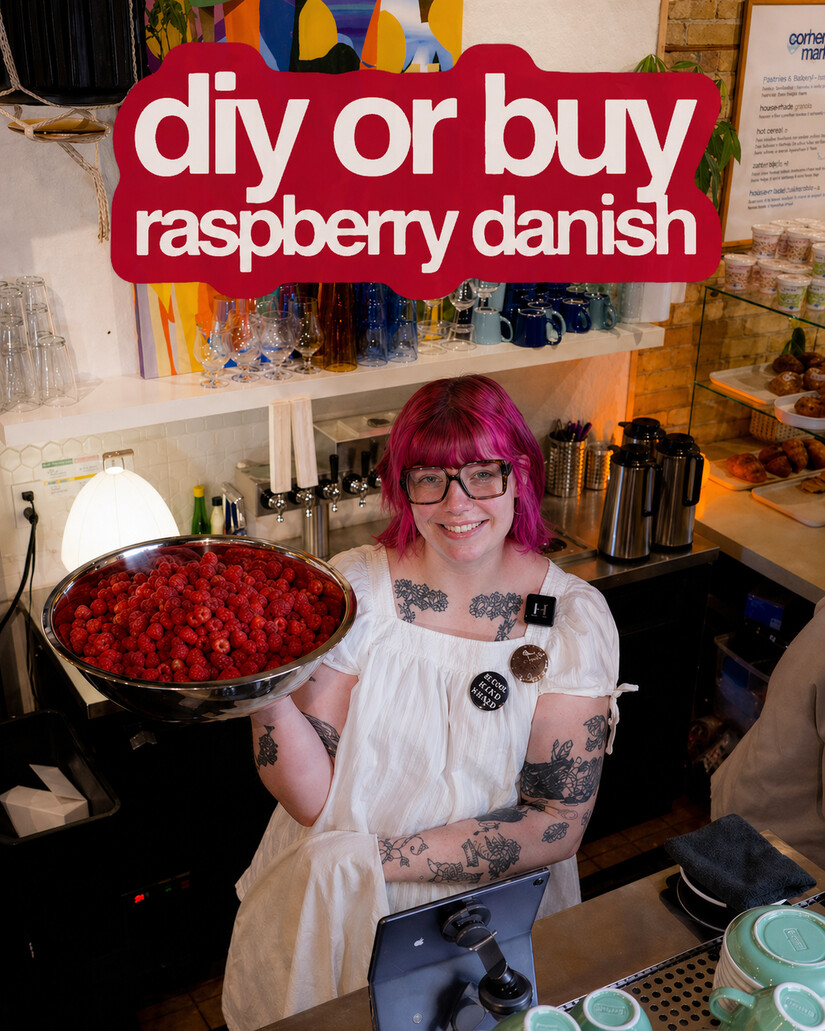
The drink’s rapid spread is linked to a social media series produced by store manager Serena Walker, titled “DIY or Buy.” The series evaluates whether specialty drinks are more practical to prepare at home or purchase from a café.
In one segment, Walker analyzed the Raspberry Danish Latte and estimated a home preparation cost of approximately $2.46. She identified several limitations, including the time required for preparation, the number of utensils involved, and the potential for ingredient handling issues such as staining from raspberry syrup.
Walker concluded the drink was more practical to purchase than to make at home. However, she also noted that consumers outside Northfield did not have access to the product, prompting a broader discussion within the business.
Open Recipe Invitation
In response, the café took the uncommon step of encouraging other independent coffee shops to replicate the drink. Owner Cody Larson stated the business expected limited participation, initially anticipating that a small number of cafés might experiment with the recipe.
Instead, the invitation resulted in widespread adoption. Coffee shops across multiple regions incorporated the drink into their menus, often adapting ingredients and presentation to local preferences. The café’s messaging explicitly excluded large corporate chains from the invitation.
Scale of Adoption
The number of participating cafés expanded rapidly, reaching more than 400 locations across 41 countries. The business has since tracked participating shops through an online map, documenting the geographic spread of the drink.
Industry observers note that while recipe sharing is common in food culture, openly encouraging replication of a signature product at a global scale is less typical. The approach has been cited as an example of how small businesses can leverage digital platforms to extend reach beyond their immediate market.
Local Context and Broader Impact
Northfield, historically known for the failed 1876 bank raid involving Jesse James, has gained additional visibility through the café’s international reach.
The Raspberry Danish Latte’s spread reflects broader changes in the specialty coffee industry, where social media and collaborative marketing strategies are increasingly influencing consumer trends.
Little Joy Coffee has indicated that the initiative was intended to improve accessibility while supporting independent cafés. The outcome has positioned the business as a central reference point for the drink, despite its availability in locations worldwide.
The trend remains active, with new variations of the Raspberry Danish Latte continuing to appear on menus across multiple countries.
MinneapoliMedia | Community. Culture. Civic Life.
Dining and Cooking