
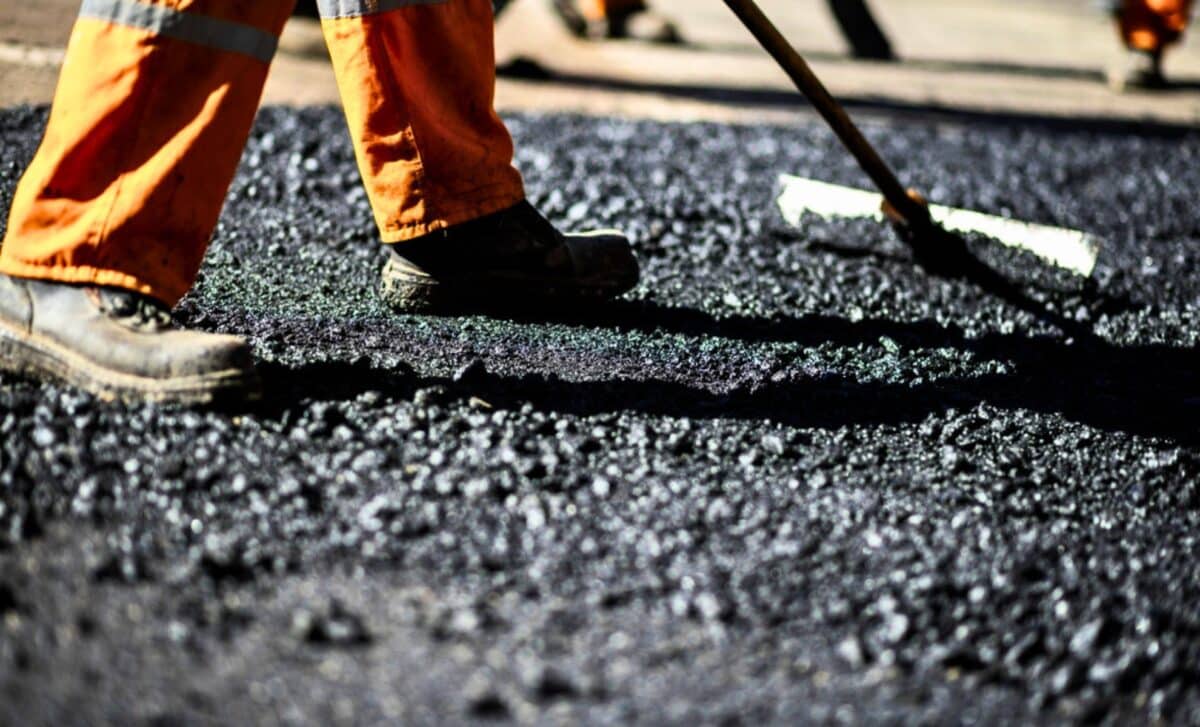
In a laboratory at the Polytechnic University of Catalonia, a slab of asphalt looks like any other road surface. It is black, dense, and solid. But this sample contains no mineral filler. It is bound together with biochar made from olive pits, the hard nuggets left behind by Spain’s olive oil industry. The Barcelona City Council has now chosen this material to repave the city’s streets and sidewalks, pushing toward a legally binding target: climate neutrality by 2030.
The winning proposal, called Biochar, cuts the carbon footprint of asphalt pavement by up to 75 percent compared with standard mixes. A trial covering 2,000 square meters is already laid on Cerdà Street in the Eixample district, where the construction group Sorigué is testing how the surface handles traffic, heat, and rain. If the results hold, biochar streets could spread across Barcelona, locking carbon into the city’s infrastructure for decades.
The Competition That Asked for a Different Kind of Street
The Biochar project emerged from an urban innovation contest called the 21st Century Street Section challenge, organized by the BIT Habitat foundation, an arm of the Barcelona City Council. The brief was narrow and demanding: find ways to decarbonize the reconstruction of public roads and sidewalks, while also cutting water use, reducing the consumption of raw materials, and preserving the urban landscape.
Barcelona’s Climate Plan commits the city to full climate adaptation by the end of this decade. Roads and pavements, long a blind spot in municipal carbon accounting, became a direct target.
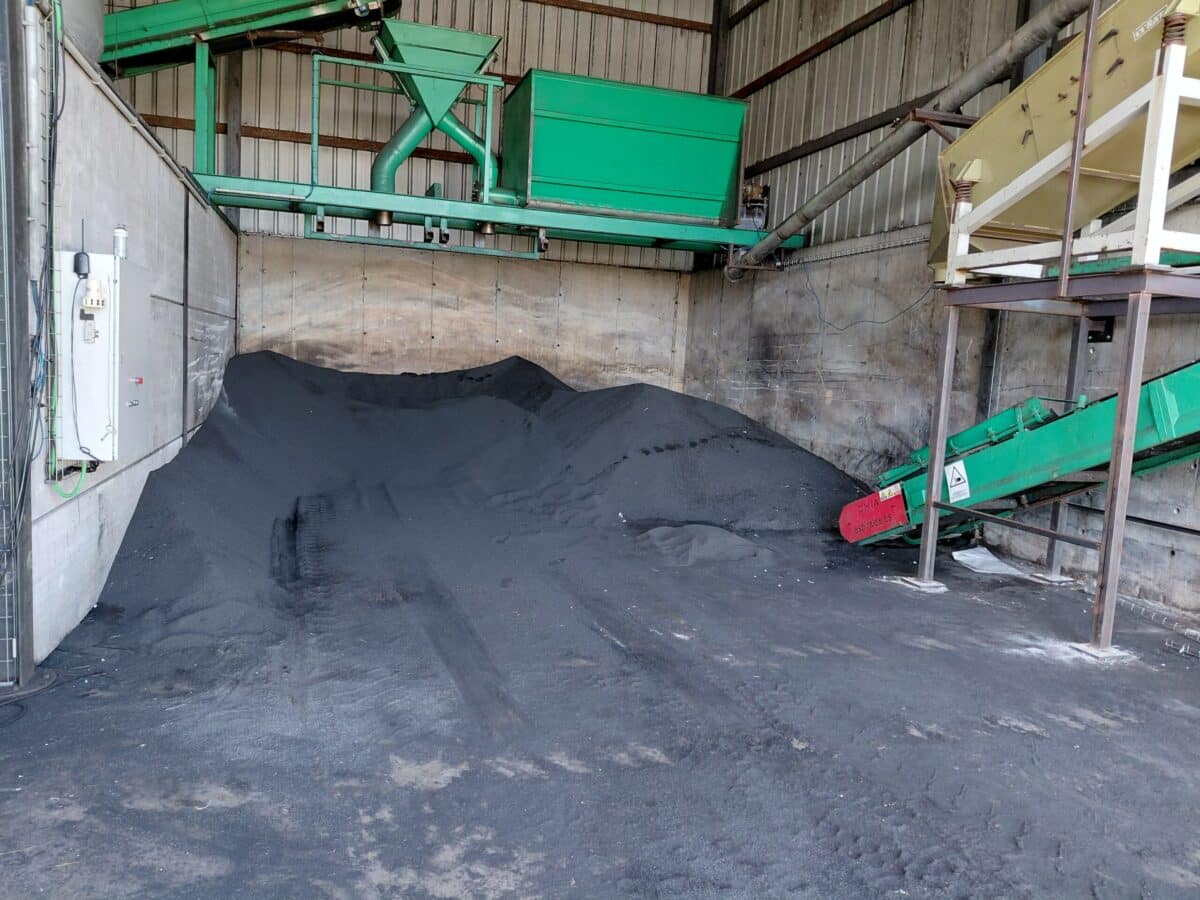 Biochar after production through pyrolysis heated in low-oxygen conditions to create a carbon-rich material instead of releasing CO₂. Credit: BIT Habitat
Two construction companies, Agustí i Masoliver, SA (AMSA) and Asfaltos y Construcciones Elsan, SA (ELSAN), submitted the Biochar solution together with researchers from the Polytechnic University of Catalonia. Their idea replaced the asphalt’s mineral filler entirely with a carbon-dense material drawn from agricultural waste. The full project details are published on Barcelona’s Bithabitat portal.
Turning Olive Waste into a Building Block
Biochar forms through pyrolysis, a process that heats organic matter in an oxygen-free chamber. When olive pits go through pyrolysis, their carbon does not burn into carbon dioxide. It locks into a solid, stable structure instead.
The carbon accounting is direct. Olive trees pull carbon dioxide from the air as they grow. When the pits rot or are burned as fuel, that carbon returns to the atmosphere. Pyrolysis interrupts the cycle. The carbon stays trapped in the biochar, and when that biochar is mixed into asphalt, the street itself stores the carbon for its full service life. Carboliva, a company that supplied biochar for related research, said that integrating the material into construction turns buildings and roads into carbon repositories.
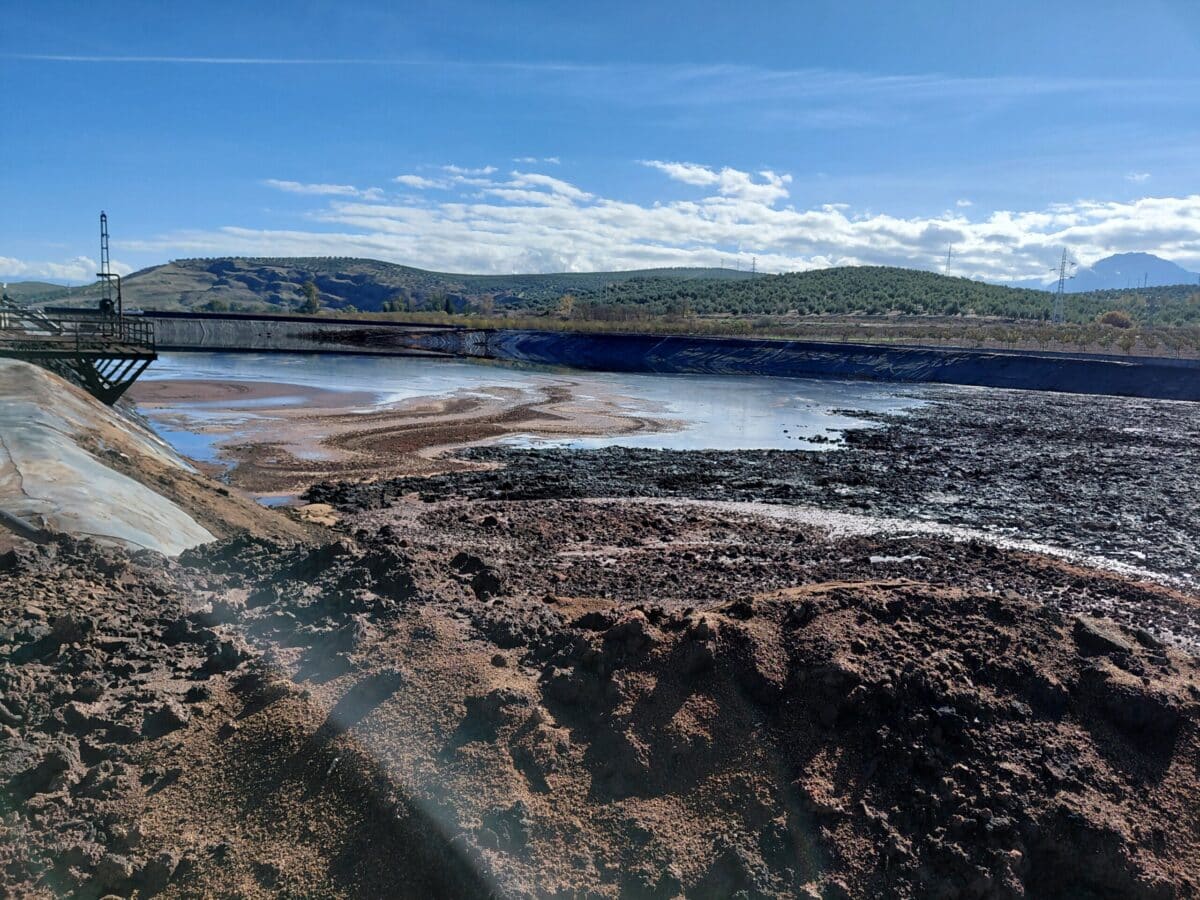 Large pile of organic material (eg, wood residues) used to produce biochar. Instead of decomposing and releasing greenhouse gases, this material can be converted into long-term carbon storage. Credit: BIT Habitat
The Barcelona asphalt mix replaces conventional mineral aggregates with pyrolyzed olive pits and pine remnants. Laboratory testing at the Polytechnic University of Catalonia indicates the biochar mixture performs as well as standard asphalt. It also shows higher recyclability, a practical advantage for a city that digs up and repaves streets on a regular cycle.
Researchers working with Carboliva have also tested olive pit biochar in concrete. Results published recently show that replacing a portion of the natural sand in concrete with biochar lowers the material’s carbon footprint and improves its resistance to water penetration, according to Olive Oil Times. Concrete is the second most consumed material on the planet after water, so even fractional changes in its manufacturing emissions matter globally.
What the Cerdà Street Pilot Is Measuring
The Cerdà Street test covers a full road section in one of Barcelona’s densest neighborhoods. Workers laid an asphalt mix in which biochar takes the role normally played by mineral filler. Early data from the project shows a 76 percent reduction in carbon footprint compared with traditional pavement mixtures, as Biochar Today reported on April 16.
The pilot project is designed to answer the hard questions that decide whether a material moves from a laboratory to a city’s procurement list. Sorigué and city engineers need to see how biochar asphalt handles the abrasive grind of daily traffic, how it ages under strong sun, and whether it cracks or deforms during Barcelona’s wet winters. The resulting data will shape the technical standards that municipal engineers can write into future road contracts.
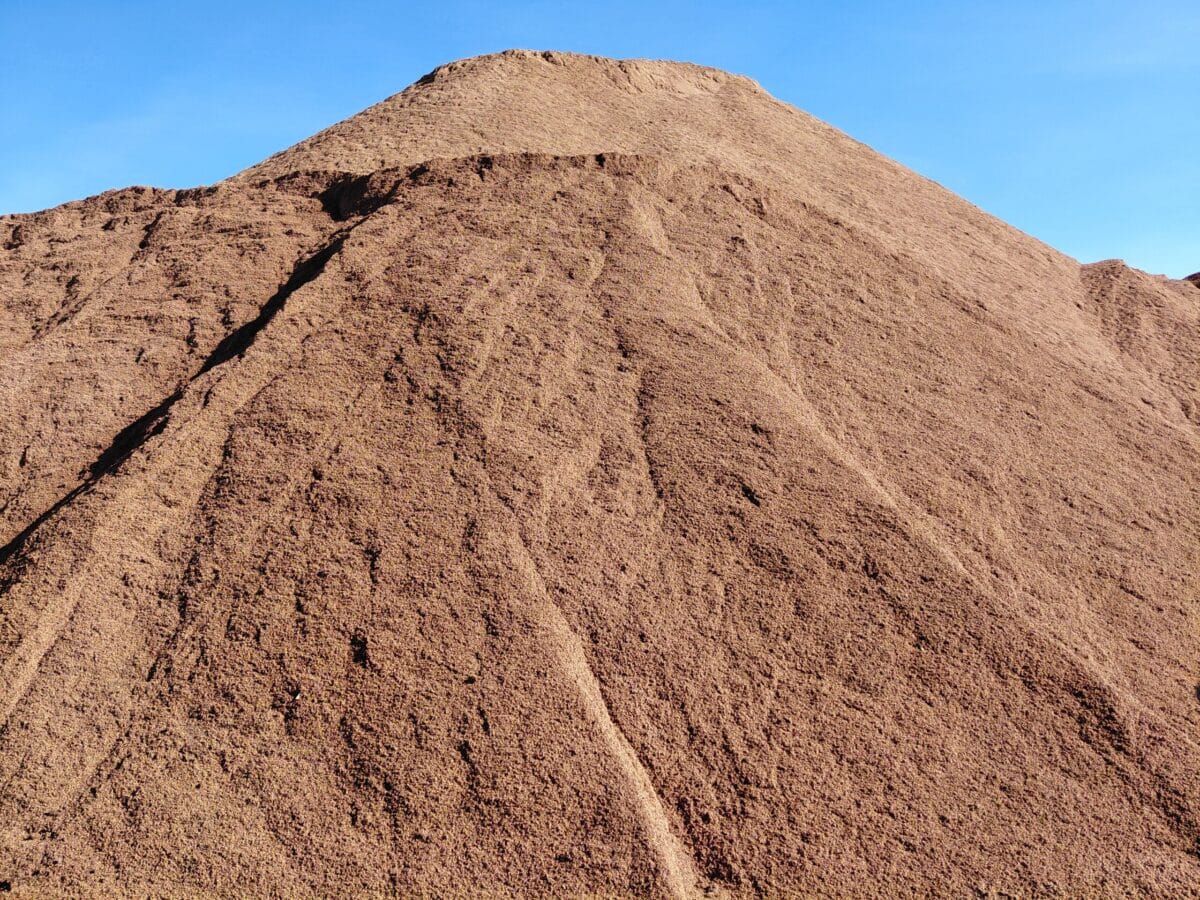 This landscape reflects the environmental application of biochar—used in soils or land restoration to improve water retention, reduce pollution, and store carbon. Credit: BIT Habitat
The project also tests the supply chain. Spain produces more olive oil than any other country, which means it also generates enormous volumes of olive pits each harvest. If cities across the Mediterranean were to adopt biochar paving at scale, the existing agricultural waste stream could supply the raw material without creating new pressure on land or crops. That circular logic, converting a disposal problem into a construction input, is central to the economic case behind the technology.
From a City Prize to a Wider Possibility
The official project description, dated April 10, states that the Biochar mixture uses biochar from olive pits and pine remnants and targets a 75 percent reduction in final CO2 emissions, with full recyclability designed into the material.
Alvaro Espuny, chief executive of Carboliva, described the broader stakes to Olive Oil Times: “Considering that concrete is the second most consumed material in the world after water, incorporating biochar into the construction of future buildings would represent a major step forward in sustainability.”
Barcelona’s trial is not a stand-alone experiment. It is a test case for how older, dense Southern European cities can convert an agricultural residue into infrastructure that meets both engineering standards and climate commitments. The Polytechnic University of Catalonia provides continuing technical validation. The partnership between private firms and a major municipal government creates the procurement path that most academic material-science projects never reach.
Dining and Cooking