

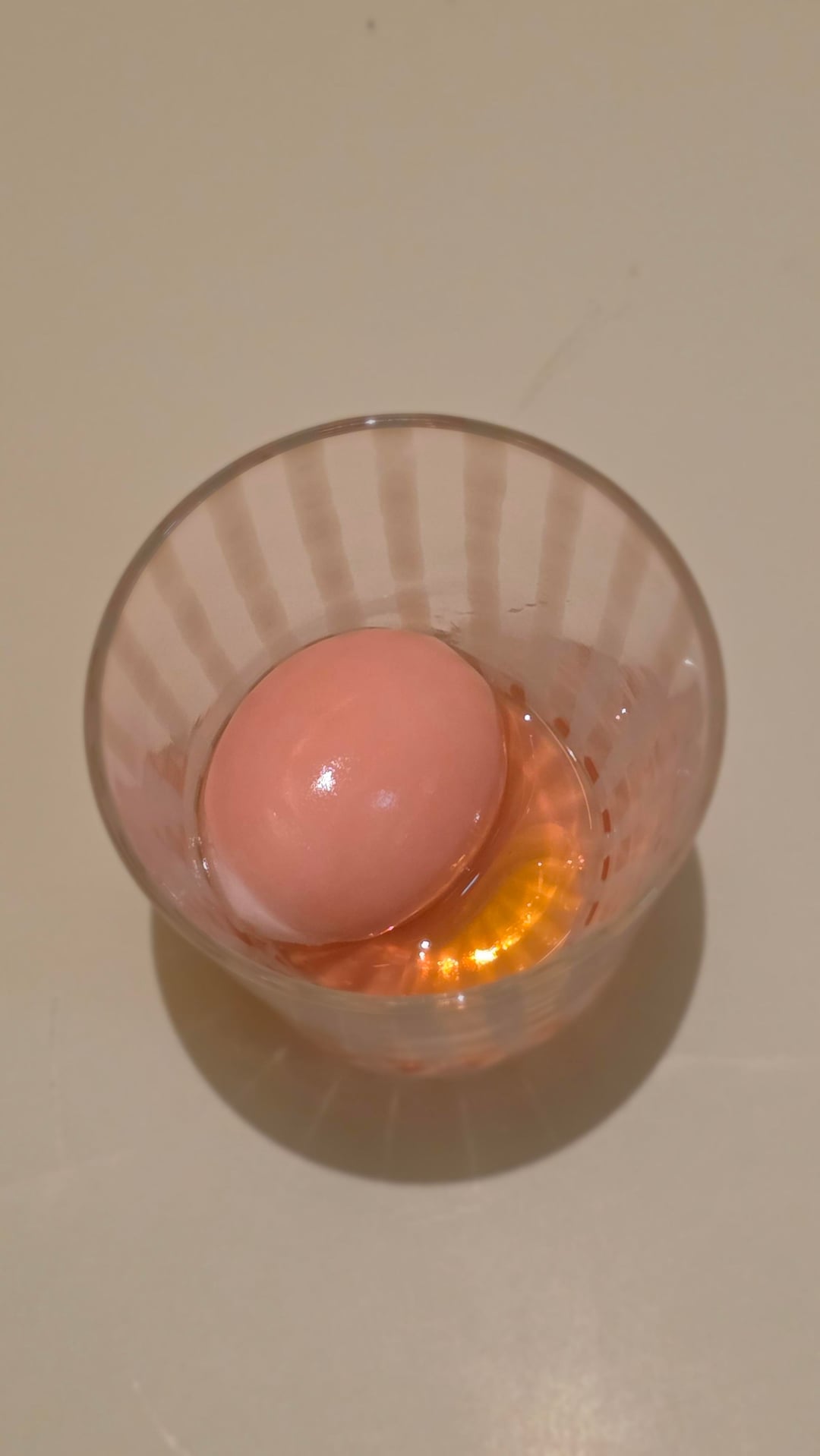
Restaurant SAN is widely considered one of the top restaurants in Korean fine dining at the moment, alongside Mingles (***) and Mosu (**). This was from a visit in December 2025. Please excuse the poor photos.
Restaurant SAN is headed by owner-chef Jo Seung-hyun, who was chef de cuisine at Benu and also trained at The French Laundry and La Maison Troisgros. This is Jo’s first independent restaurant. SAN opened in 2024 and received its first Michelin star in 2026, along with a “One to Watch” distinction from The World’s 50 Best Restaurants Asia.
Jo is from Busan, the 2nd biggest city in Korea in the coastal southeast, and many of the dishes draw from the foods he grew up eating there. The flavors are bold and polished, but still very accessible. My personal favorites were #5 Salmon Roe, #6 Soondae Bibimbap, and #11 Gukbap.
The pairing was also excellent and matched the food closely. One criticism I have seen of SAN is that the food can feel designed around the pairing, to the point where the full experience may depend on ordering it. That is worth keeping in mind if you are considering a reservation. I unfortunately could not include the drinks in the post because of the image limit.
Overall, I highly recommend SAN if you are in Korea and are curious about how classic Korean comfort foods can be elevated in a fine dining context. It already felt like a two-star level restaurant to me with potential to add a third in the future.
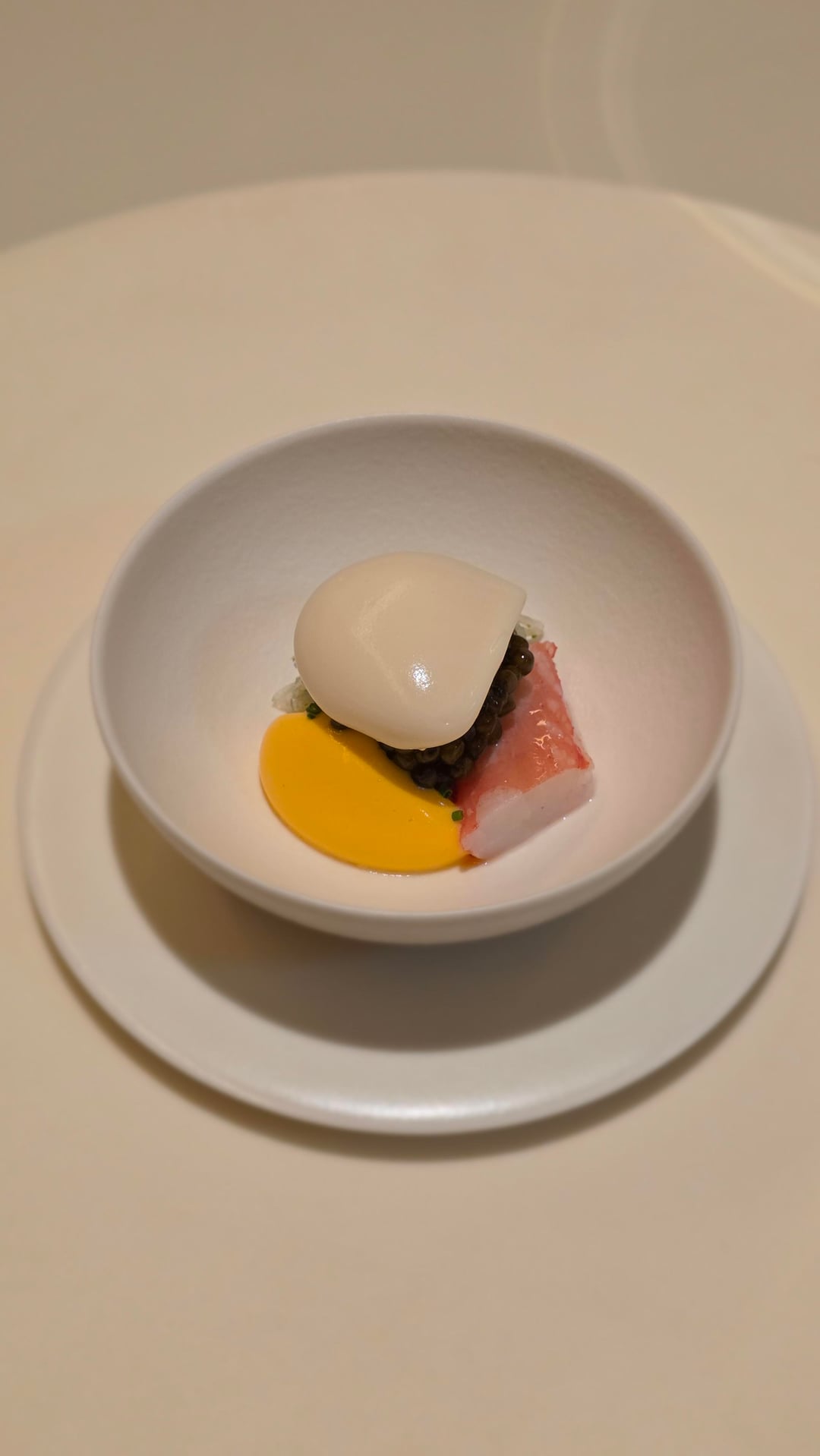
- Crystal Caviar with Snow Crab | Double chicken bouillon, egg yolk pudding. | Rich and buttery double chicken bouillon paired nicely with the sweetness of the snow crab and the saltiness of the caviar. Served with brioche.
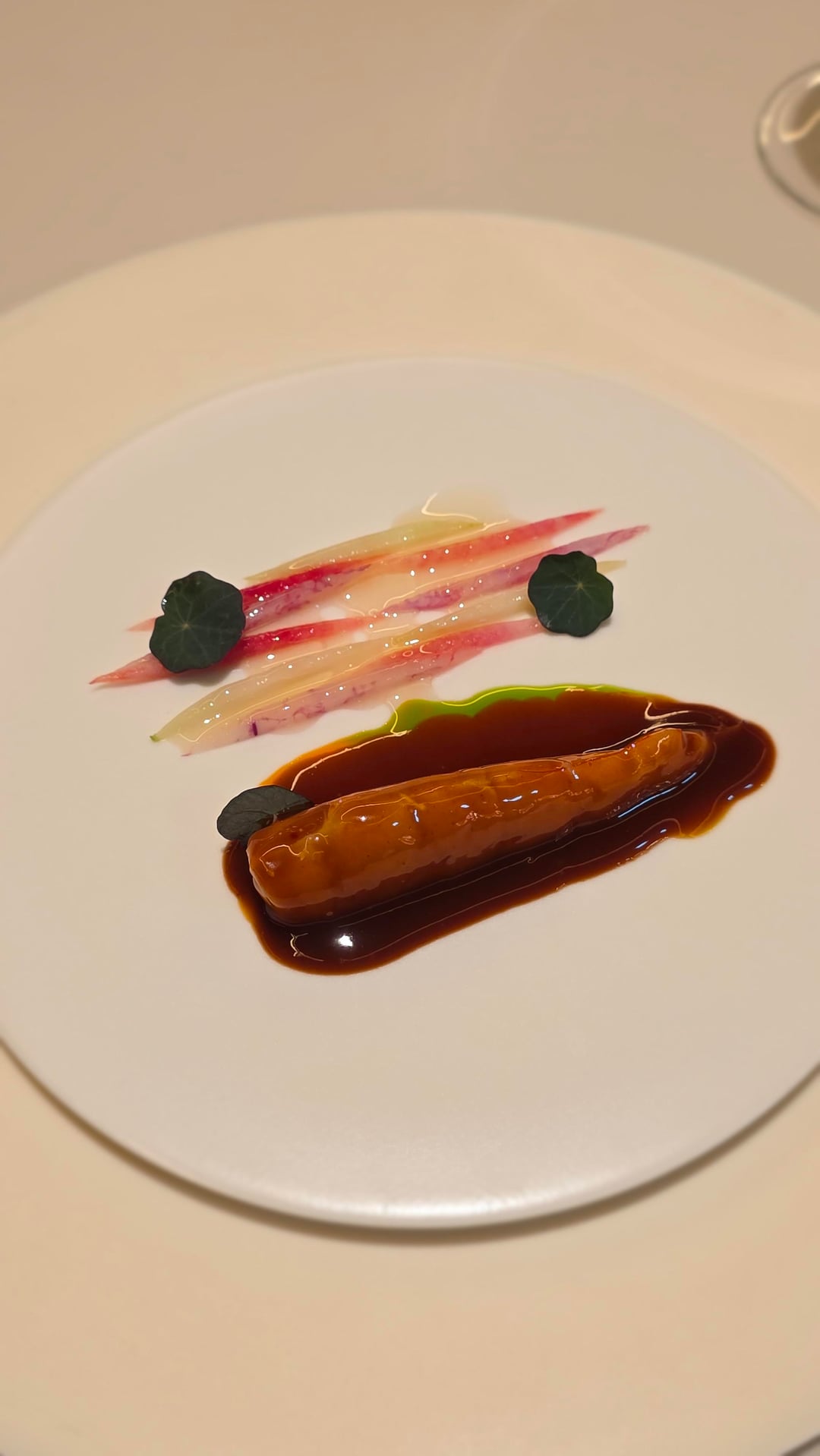
- Shrimp Naengchae | Shrimp jang, kohlrabi, radish | Strong, concentrated shrimp flavor from the aged shrimp jang, balanced by the acidity and freshness of the kohlrabi and radish kimchi.
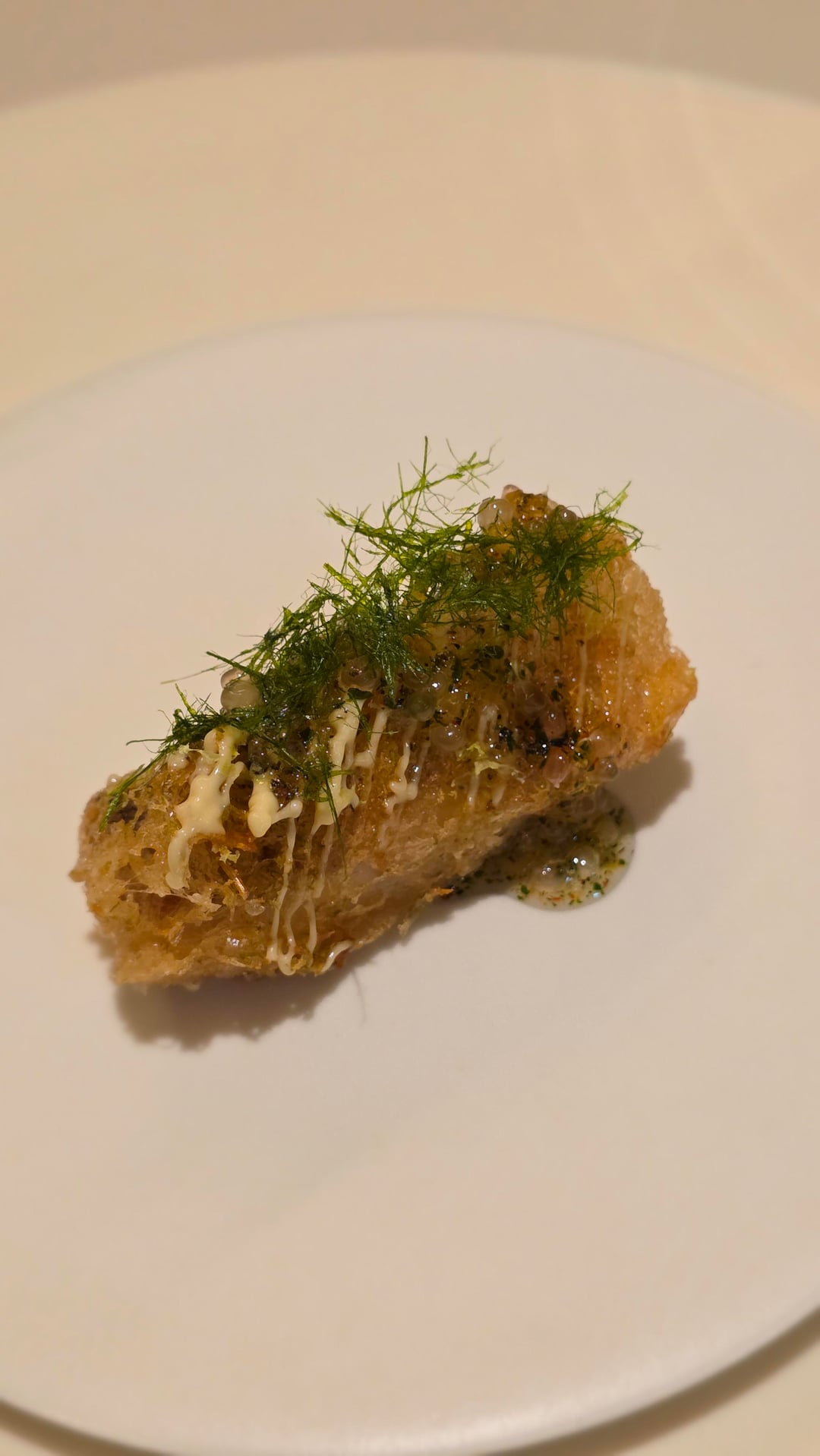
- Crispy Tilefish | Finger lime, green lemon, gamtae | Fried fish with bright acidity from finger lime and green lemon, plus seaweed umami from the gamtae. Tasty but not one of the more memorable courses.
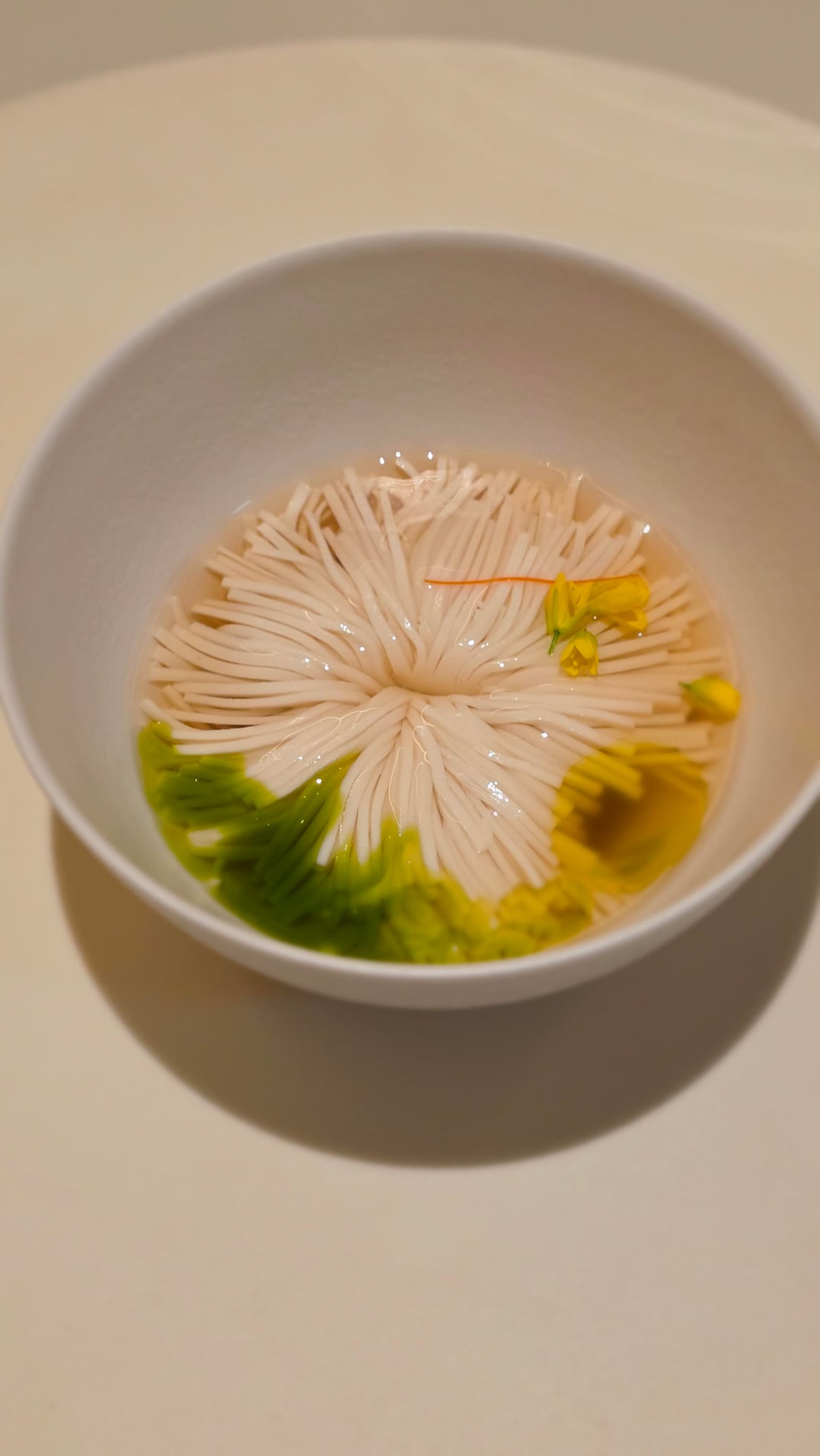
- Chrysanthemum Tofu Soup | Pork consommé, buckwheat, mustard | Light and fragrant, with a delicate and restrained warm pork consommé.
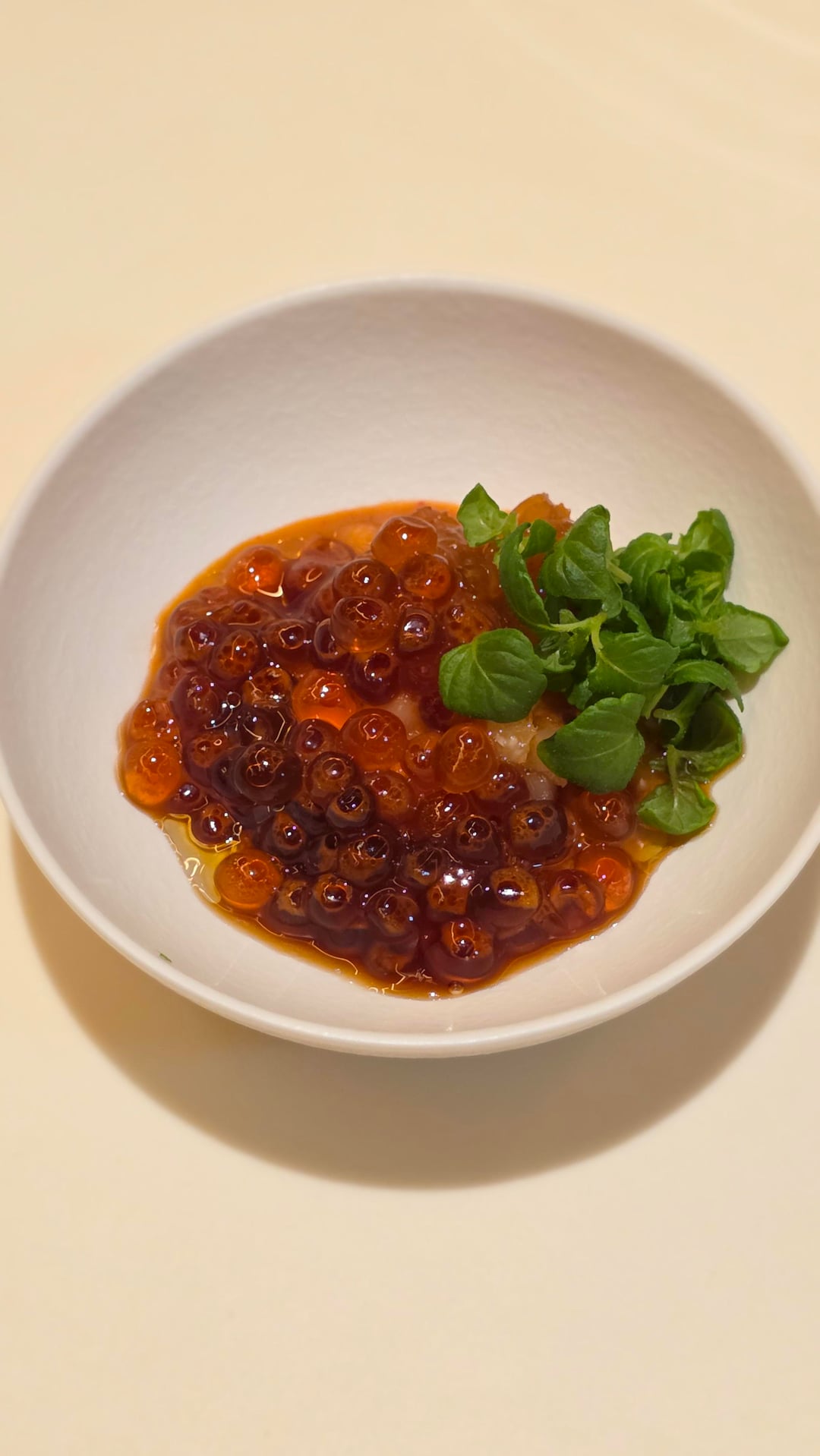
- Salmon Roe | Monkfish liver sausage, shiso, perilla oil, lobster jeotgal | A standout course. The richness of the monkfish liver sausage worked beautifully with the salty umami of the lobster jeotgal and salmon roe, while the shiso added herbal fragrance and the perilla oil rounded out the dish. The ankimo sausage tasted like a fine dining version of the fish cake sausages that are popular with kids in Korea and Japan. Extremely well balanced, with clear influences from both Korean and Japanese cuisine.
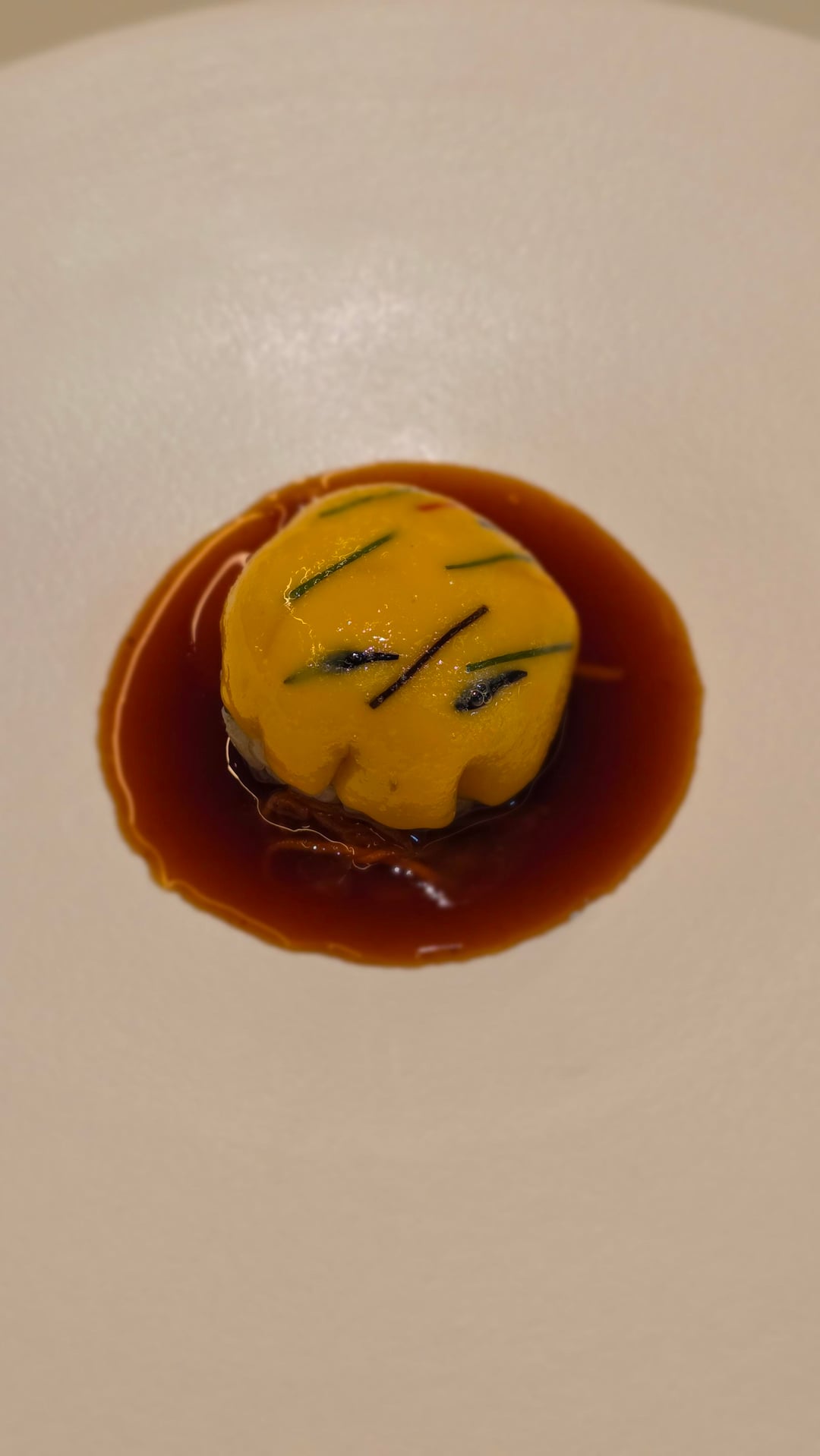
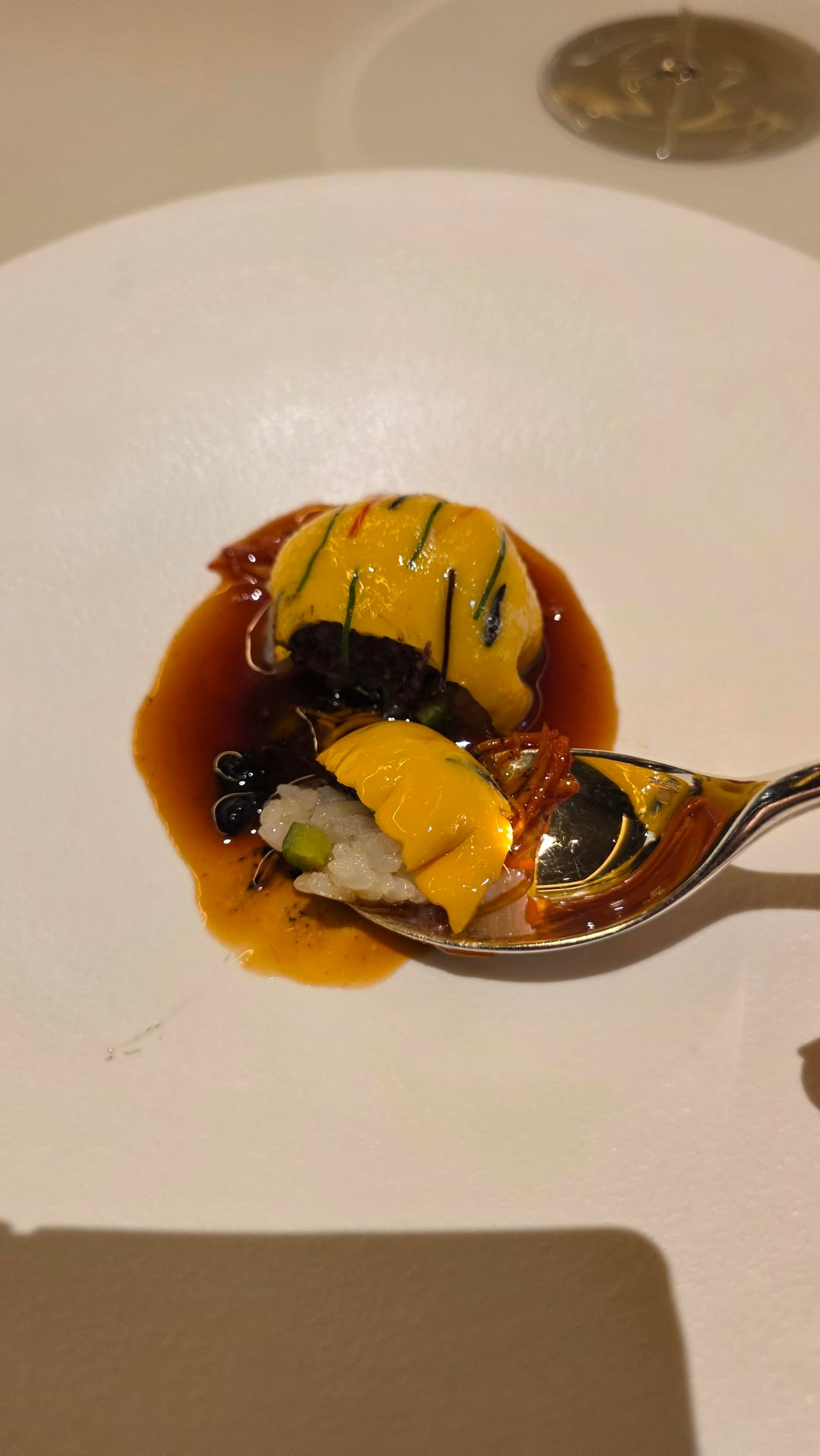
- Soondae Bibimbap | Fermented pepper sauce, preserved squid | Another excellent course, especially for someone familiar with the original soondae bibimbap, which is usually an inexpensive comfort food made with Korean blood sausages. This version made the blood sausage flavor feel refined without losing the humble essence of the original dish. The sauce was also quite complex. Paired beautifully with Duchess De Bourgogne beer.
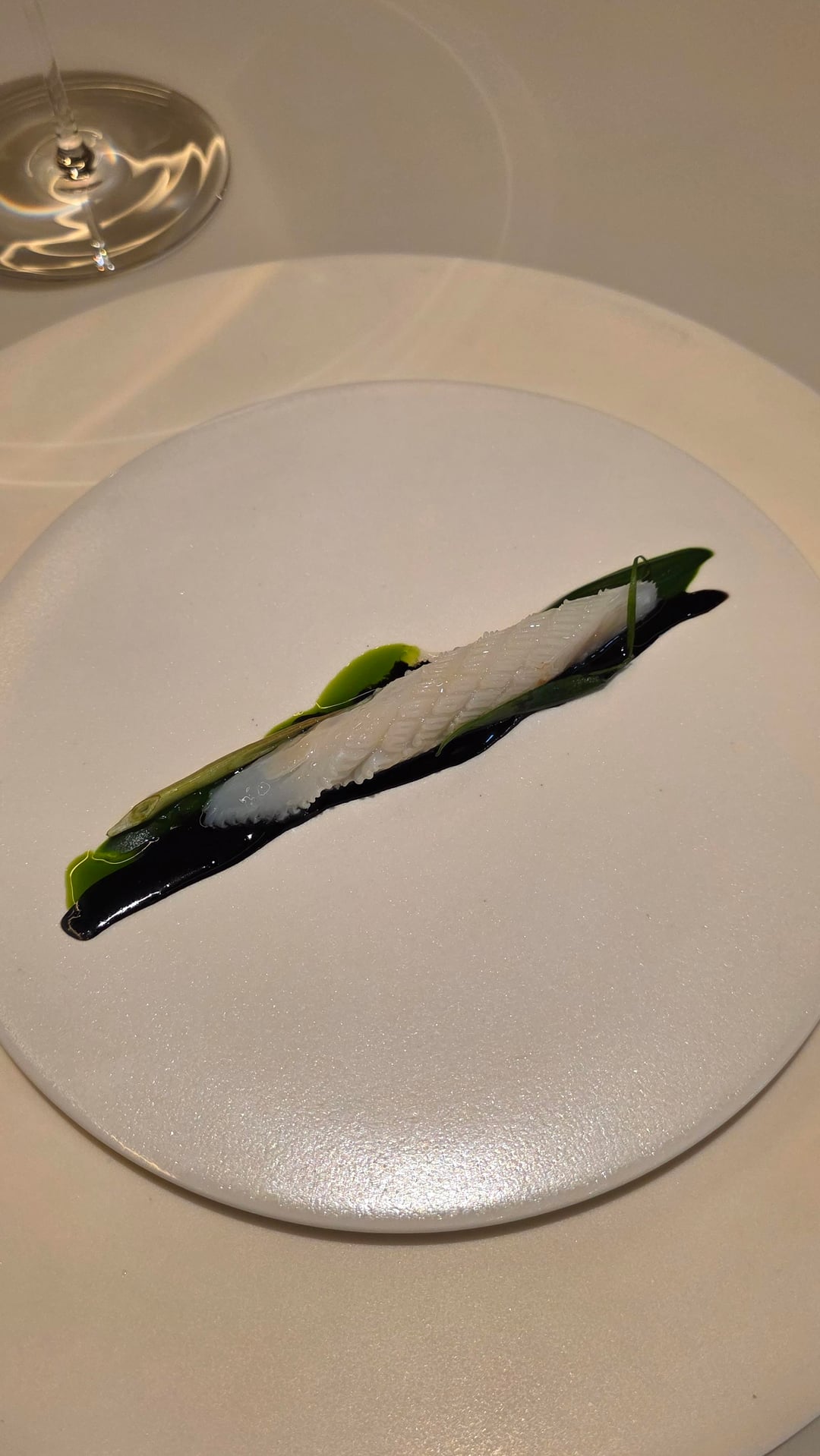
- Lightly Poached Squid and Scallop | Squid ink chojang, minari | A nice take on the raw squid and scallop often eaten in Busan. Light, clean, and fresh.
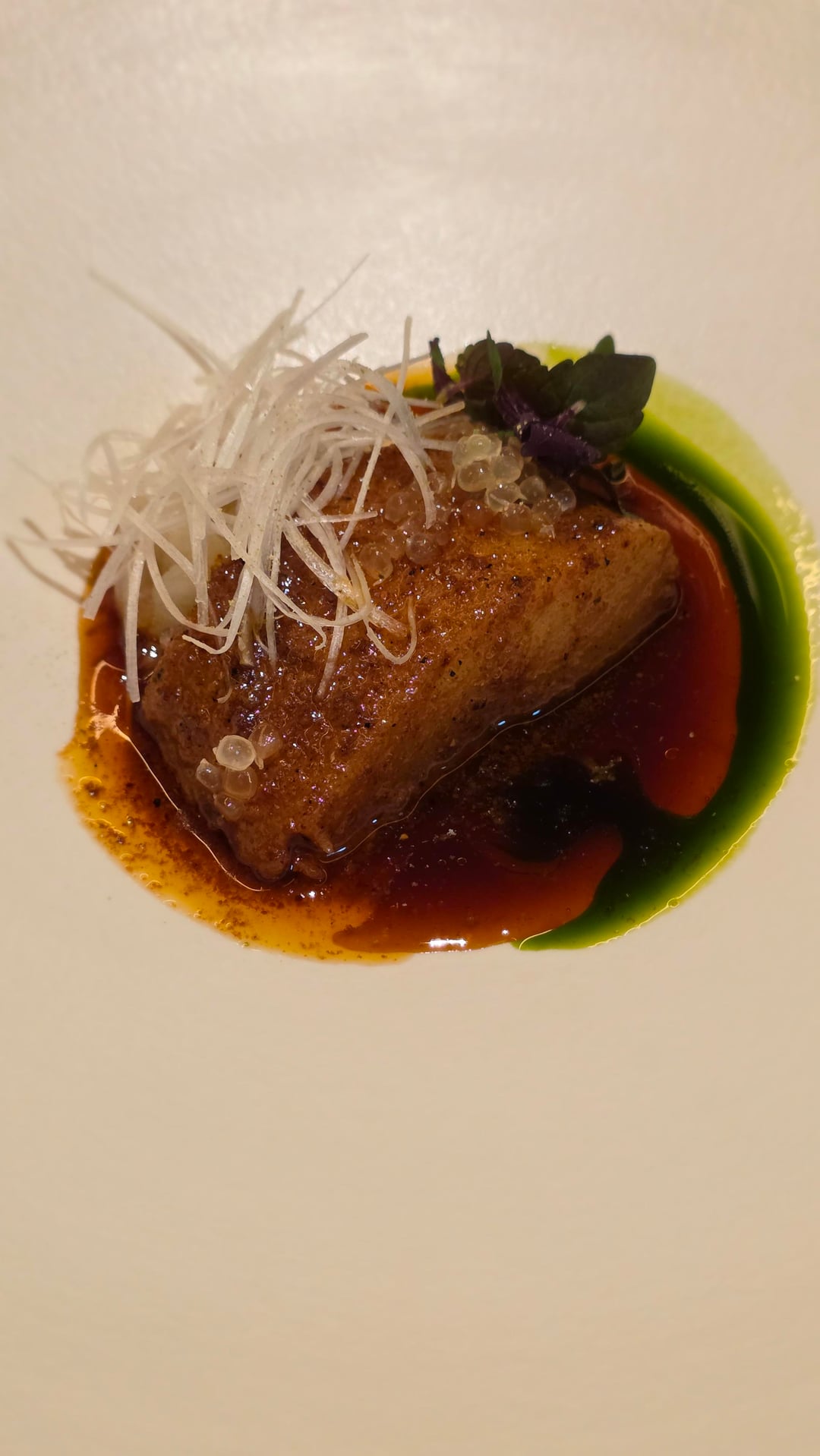
- Braised Butterfish | Chrysanthemum, dried daikon, sancho | Nicely braised with a soy-based seasoning.
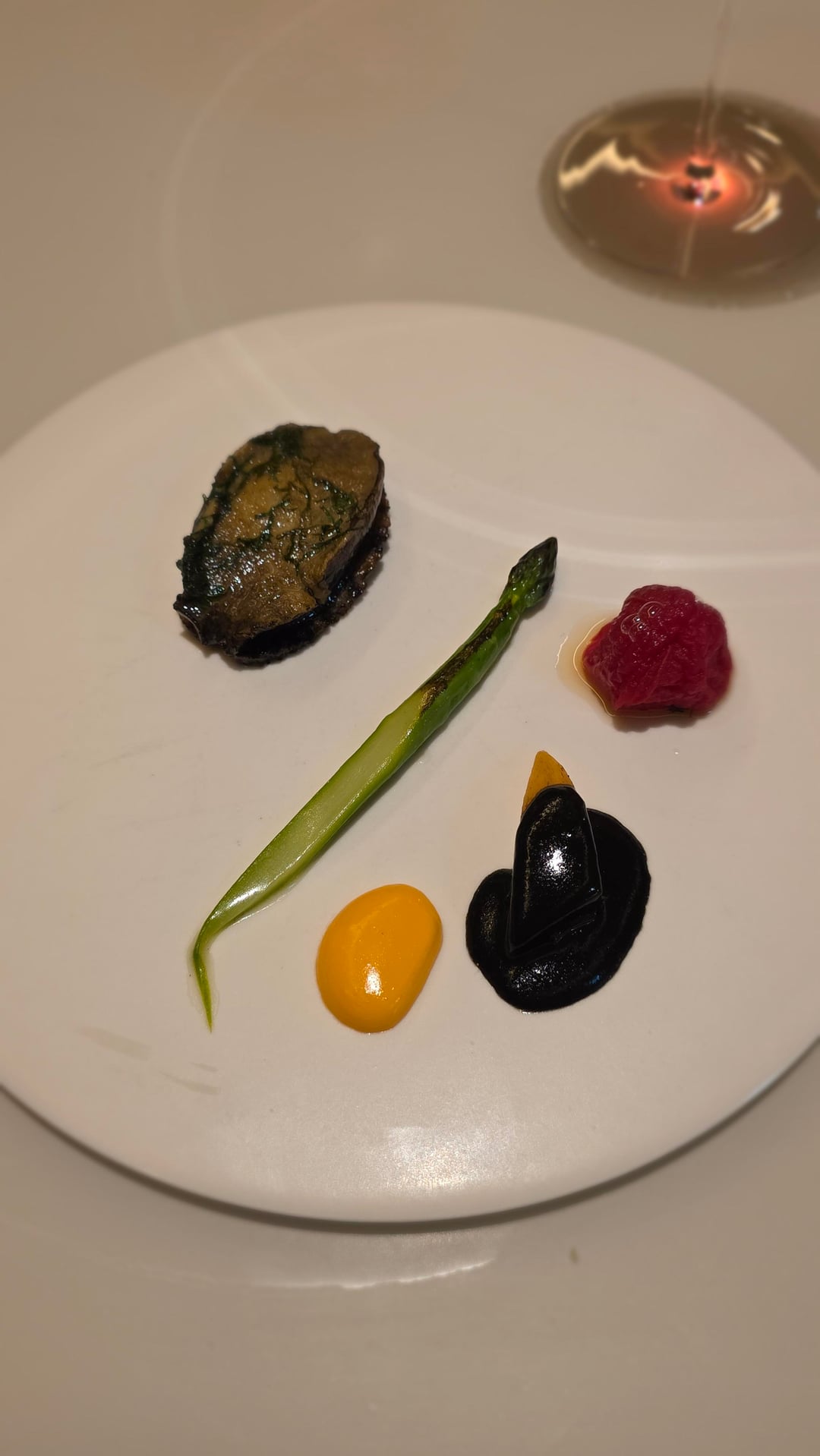
- Abalone Cooked in Butter | Green asparagus, persimmon, marinated tomato, charred scallion | Excellent abalone quality. The umami of the abalone steak worked well with the acidity of the marinated tomato and the bitterness of the charred scallion.
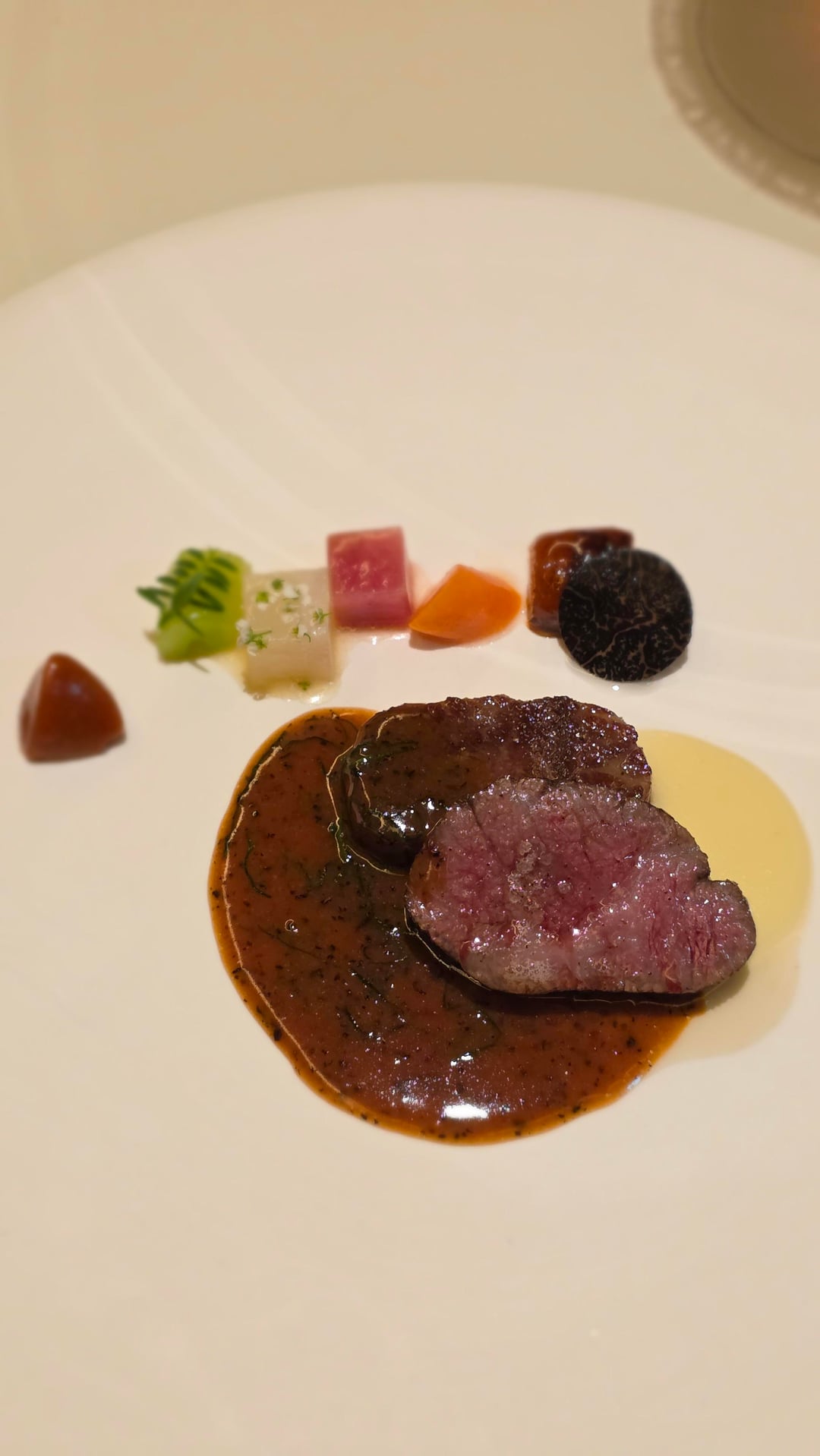
- Beef Steak | Celery, deodeok, potato purée, turnip, black truffle | Well cooked and super tender. The various accompaniments were a nice touch.
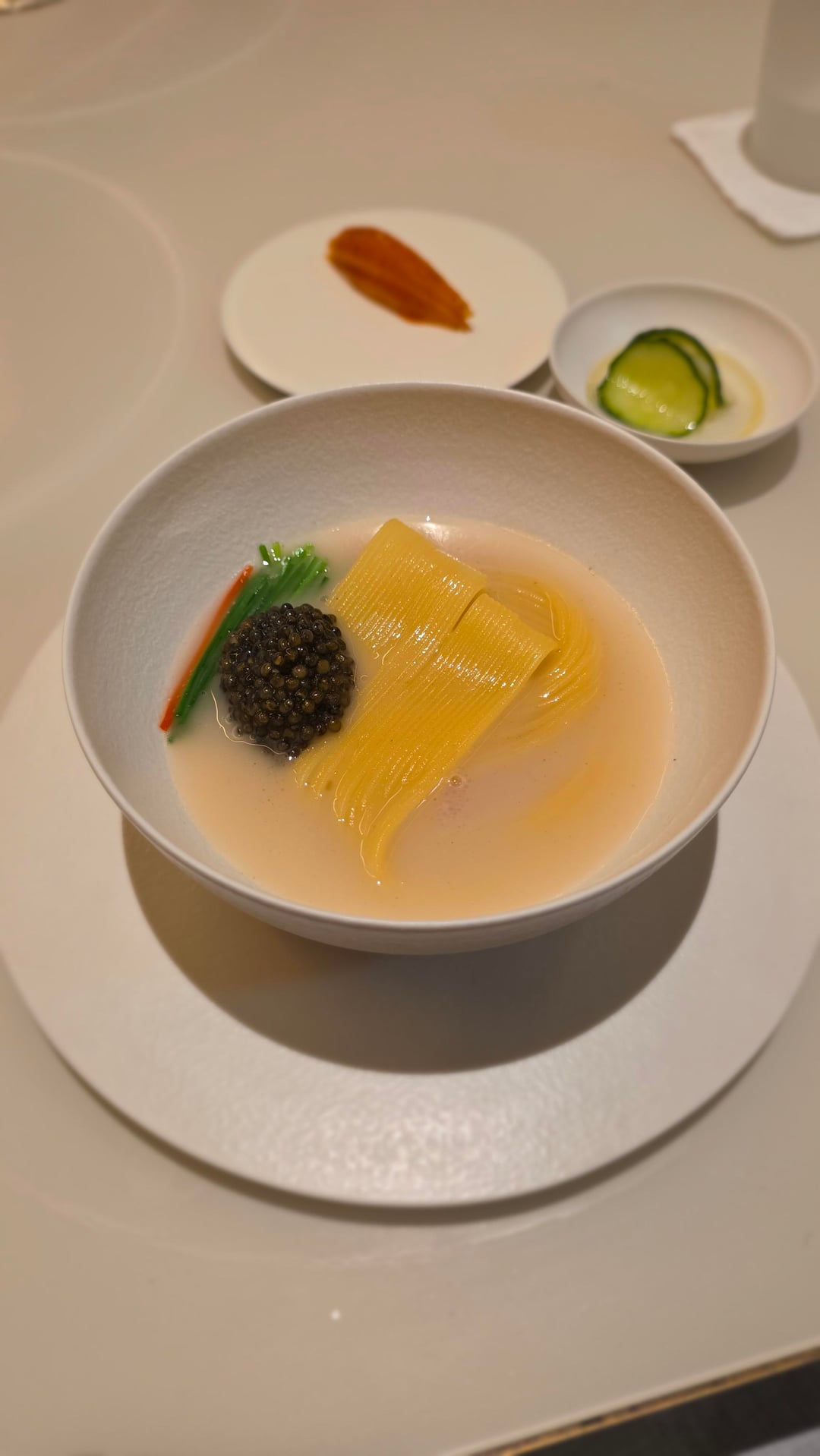
- Gukbap | Pork broth, short-grain rice, kkakdugi | My favorite course of the meal, mostly because Gukbap is one of my favorite foods. Gukbap is one of Korea’s most popular comfort foods – hearty, porky, inexpensive, and great with soju or as a hangover meal. It's usually seasoned with shrimp jeotgal, similar in principle to the lobster jeotgal above, but here the chef replaced it with caviar. The pork broth was outstanding, possibly one of the best pork broths I have tasted, and the noodles and rice underneath had a great chewy texture. The rich broth was quite a contrast to the light pork consomme from dish #4. The caviar made perfect sense in this context, adding rich, salty umami to complete the dish.
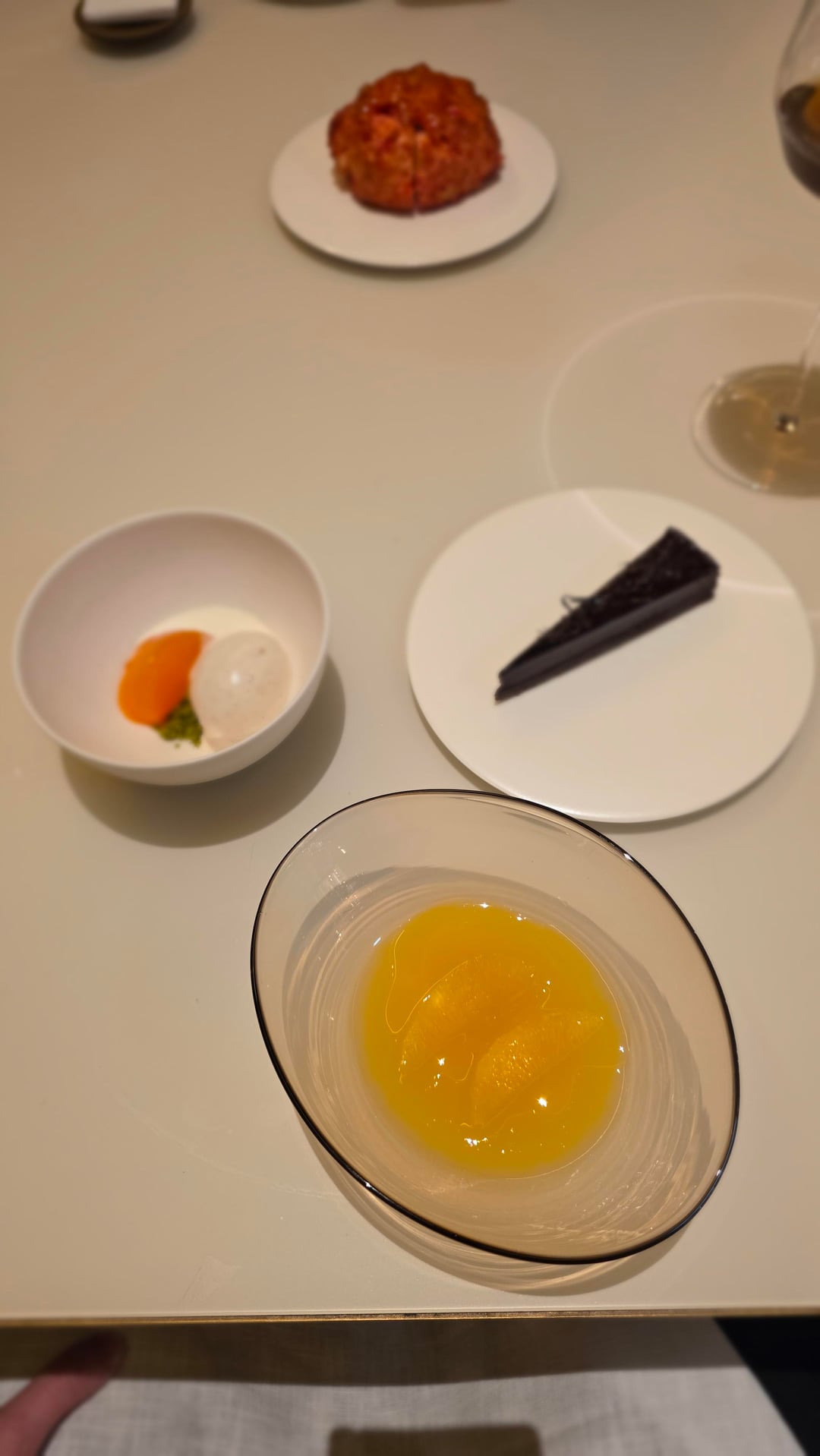
- Hwachae | Omija, lychee, rose
- Toasted Rice Ice Cream | Ripe persimmon, gamtae
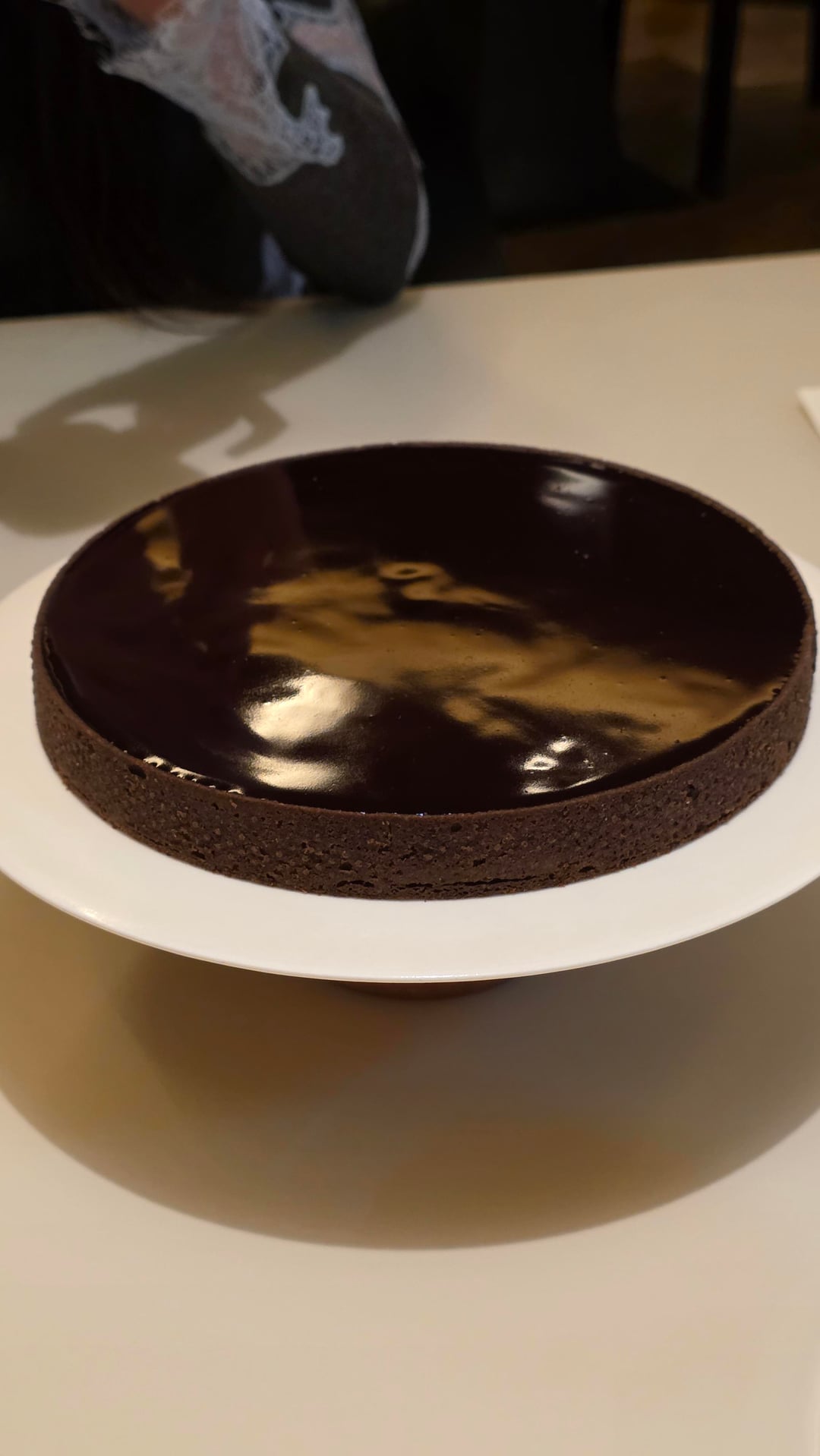
- Acorn Tart | Pecan, black truffle | One of my favorite desserts in recent memory. The tart had a generous amount of black truffle, which worked very well with the dry sweetness of the dark chocolate and the nutty, woody flavors from the pecan and acorn jelly.
by Acrobatic_Dish6963
2 Comments
Thanks for this review! Great info about how the experience may be dependent on whether you get the pairing or not, will definitely keep that in mind when I visit in June.
Is there any other places you’d recommend in Seoul? I currently have Mingles, Mosu, Jungsik, Eatanic Garden and SAN reserved for my next trip and would like some insights on other places. I’ve tried La Yeon, Kwonsooksoo, Alma Prima, Solbam & L’Amant Secret so far. I’ve heard a lot of great things about Y’east so I may be trying to snatch a reservation there soon.
+1 to the gukbap being the best course in the meal. In general I really liked the meal but I found some of the dishes a bit too refined – similar to some prior experiences at Benu. This one was refined but also soulful and delicious. I loved it.