
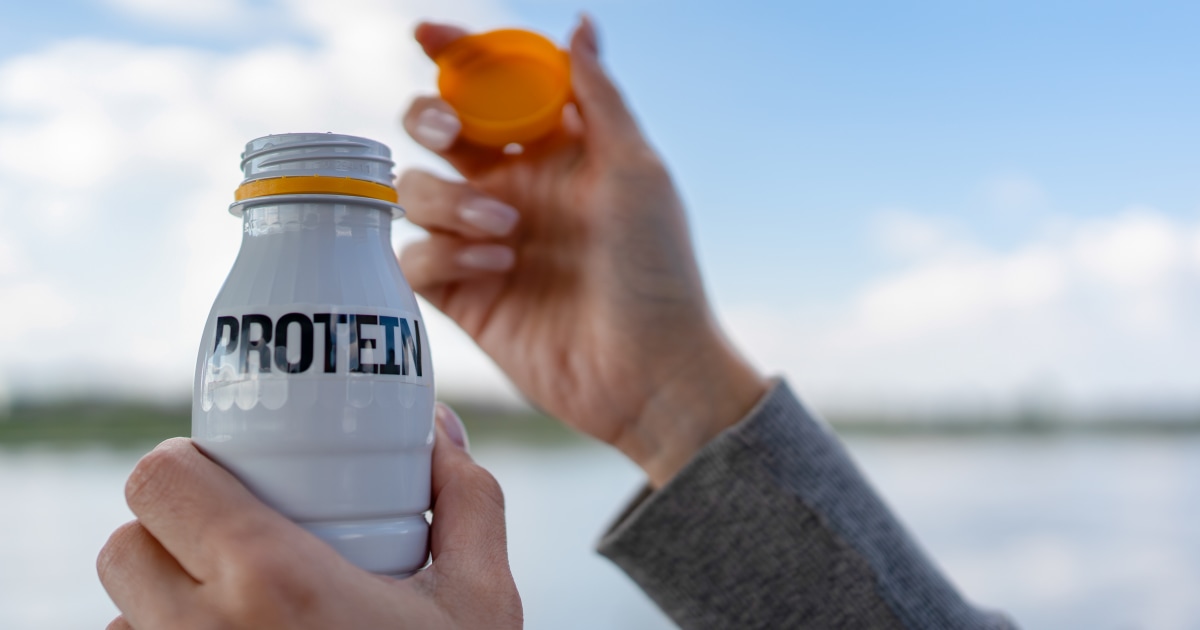
Protein is now the star of social media and the nutrition label. And yes, it is an essential nutrient we need to build and maintain healthy muscles. It also supports many other bodily functions, including your immune system and hormones.
But, even with all the benefits of protein, the recent obsession with this single macronutrient isn’t the healthiest way to approach your diet, a dietitian explains.
Here, she shares a simple, low-pressure way to make protein part of your plate — without overdoing it.
Dietitian Tip of the Day: Take It Easy With the Protein, OK?
“People are obsessed with protein right now,” says Natalie Rizzo, registered dietitian and TODAY nutrition editor. “It’s a little crazy. It’s driving me insane.”
The truth is that many of us are already getting plenty of protein in our meals, especially if we eat meat.
A recent poll found that 89% of Americans eat meat, and many people center their meals around meat. “In doing so, you get so much protein,” Rizzo says. “It’s really not something that you need to worry about.”
Her tip is to simply take a step back when it comes to protein. “Yes, you need to be cognizant of it,” she says, “but you don’t need to obsess over it because you’re probably getting enough.”
Why It Matters
Protein is an essential macronutrient. That means we all need to eat it and we need a relatively large amount of it every day.
But protein needs are highly individualized, Rizzo says, and the push to put a few extra grams of protein in everything from salad dressing to pasta to popcorn is sending consumers the wrong message.
Protein has a health halo right now, Rizzo explains, “and a lot of that comes from this diet culture that we’ve lived in forever where people are constantly on this journey to lose weight.”
We’ve been told that, because protein is so filling, it can aid in weight loss. That’s not necessarily wrong, but it leads us to fall into a few mental traps.
For starters, no single food or nutrient is going to solve all of your problems. And second, just because something has more protein in it does not make it automatically better for you.
“If you think all of this stuff is great to have just because it has protein in it, you may end up eating more processed food than you were before,” Rizzo says.
Not only does that line of thinking lead us down the calorically dense road of protein cookies and coffee drinks, but it also means we may overlook other nutritious foods simply because they don’t provide the almighty protein.
Vegetables, fruit and whole grains may not have as much protein as chicken or salmon, but they are full of vitamins, minerals, antioxidants and fiber, all of which are just as important for your overall health.
In fact, carbs should still be the majority of your diet because your brain needs them to function and you need them to power you for exercise, Rizzo says.
How to Get Started
First, understand that protein is still important, so it is worth including in your meals every day, but you don’t need to go overboard.
Then, “get a sense of how much you actually are eating,” Rizzo says. You can track it for a few days, or just look up the nutrition facts for some of your go-to foods.
You’ll likely be surprised how much you’re getting without trying too hard. “Do you need to start adding all these extra protein foods? Probably not,” Rizzo adds.
If you’re not sure whether you’re eating too little, too much or just enough protein, the official Dietary Guidelines can help guide you, Rizzo says. As a minimum, it’s now recommended that adults consume 1.2-1.6 grams of protein per kilogram of bodyweight. For someone who weighs 160 pounds, that’s about 80 grams of protein per day, Rizzo says.
Of course, there are some people who do need to eat more protein, including those who are recovering from an injury or actively trying to build muscle. And, as we age and naturally start to lose muscle mass, our protein needs increase.
People who don’t eat meat may also need to be a little more mindful about meeting their protein requirements every day, Rizzo says.
If you do find that you need more protein, remember that the quality of the protein-rich foods you’re choosing matter, too, she adds. It’s better to opt for lean meats and whole food plant-based sources of protein than processed snacks or fast food, for instance.
Overall, though, we could all probably use a reality check when it comes to protein, Rizzo says.
TODAY’s Expert Tip of the Day series is all about simple strategies to make life a little easier. Every Monday through Friday, different qualified experts share their best advice on diet, fitness, heart health, mental wellness and more
Dining and Cooking