
Elen Marlen/Shutterstock
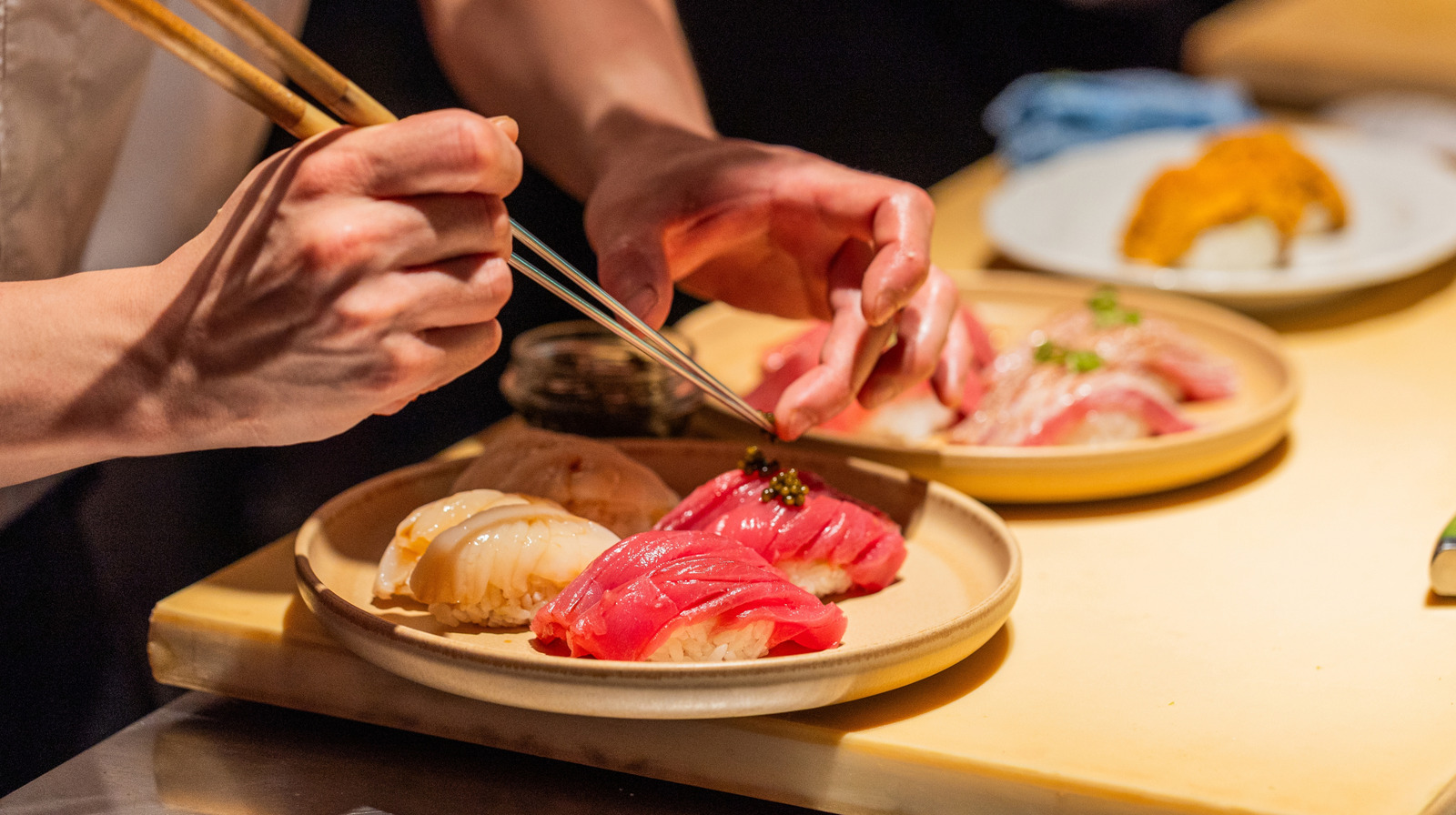
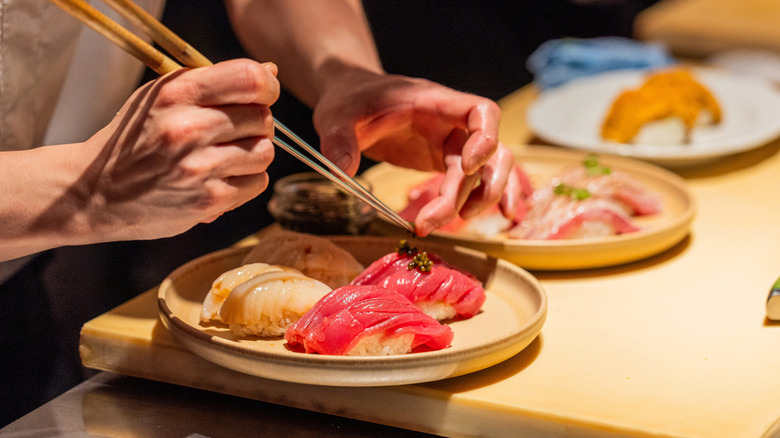
Sushi meets at many interesting intersections. It’s deeply studied by those who cook it, and often misunderstood by those who eat it. Sushi restaurants exist in every state, yet they also have the reputation of being exclusive. Sushi is considered by many to be the height of luxury, but it also is sometimes served on a conveyor belt. Among all of these contradictions in the history of sushi, the way we prepare it, and the way we consume it, myths have developed. Seasoned sushi eaters may find that these beliefs keep them from reaching the next frontier of their appreciation; these myths may also put off those who have only just developed interest from diving in. For these reasons it’s better to dispel the most common sushi myths when given the chance.
Sushi myths are pervasive in that they touch basically every aspect of this food. There are myths about which culture invented sushi, whether or not “fresh” fish is always best, and how seafood should be properly butchered. Then there are misconceptions about what we serve with it. To better understand where these fishy rumors stem from (and how to correct them) we reached out to two experts who intimately understand sushi. Our first expert is chef Joel Hammond of Uchi West Hollywood, a student of sushi legend chef Masaharu Morimoto. Also contributing is chef Nick Bognar, a 2026 James Beard semifinalist for Best Chef: Midwest, and owner of Indo, Sado, and Pavilion, based in St. Louis.
1. Fresh doesn’t always mean the best version of a product
Xxwp/Getty Images
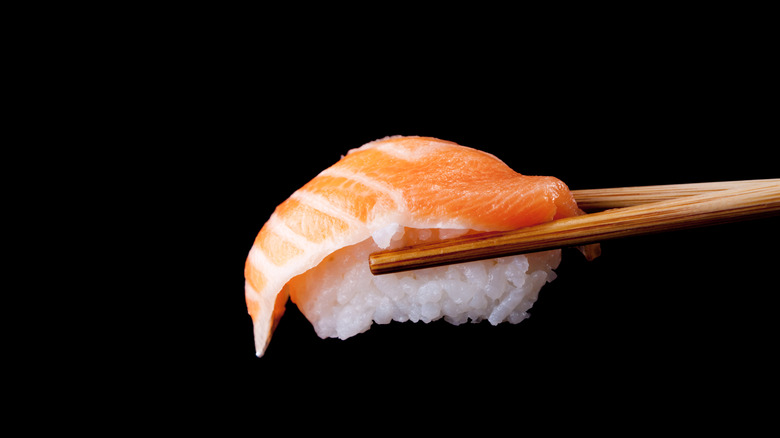
If you’re eating something raw, of course you’re going to want it to be in as pristine condition as possible. And, if it’s just been caught, that means it hasn’t had time to spoil. Chef Joel Hammond says this is false. “If the fish is stored and handled properly, ‘fresh’ is usually never the best version of the product. Also, the fresher the fish, the more money that you are paying for water content.”
Fish muscle has a high water content after its caught: Up to 85%. If you were to make sushi with fish that’s right off the boat, you’d be eating a product that’s mostly H20 and lacking in concentrated flavor. Instead, sushi restaurants worth their rice know that fish benefits from dry-aging. “We dry the fish for 12-24 hours and then evaluate the natural texture and flavor of the fish to see how long we should age it,” says chef Nick Bognar. “Aging the fish draws out some of the moisture to bring out the true flavor of the fish and makes the texture more dense and bouncy.”
Chef Joel furthers this by noting how variations in fat content affect aging. “We find the 3-5 day mark tends to be our favorite for leaner fish. 5-7 days for fattier fish. We haven’t found a fish that doesn’t benefit in some sort of form from aging.”
2. The temperature of sushi rice isn’t important
aomas/Shutterstock
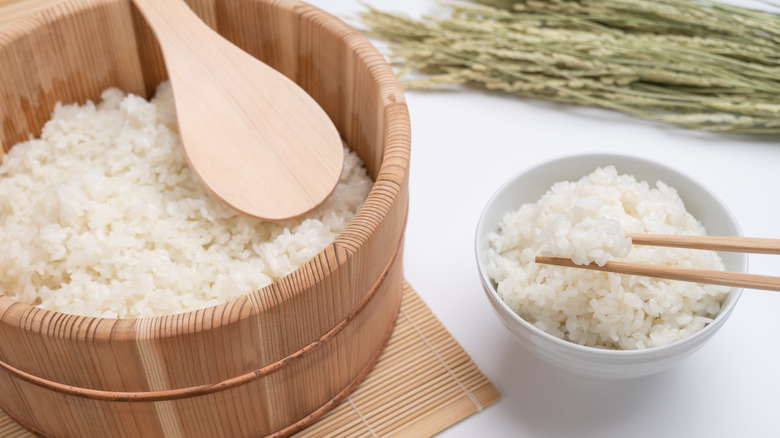
Sushi rice, also known as shari, needs to be plump, glossy, and capable of adhering together to form rolls. Rice temperature is important as it can affect how the starch bonds with seasonings, be it rice vinegar, sugar, salt, and/or sake. It’s one reason why the ohitsu was developed, a traditional Japanese cypress basket designed to maintain the temperature, moisture, and food safety of sushi rice.
There is an ideal temperature for sushi rice, and it’s right around that of your body: “Sushi rice should be served warm and there is a very short window where it will stay warm,” says chef Joel Hammond. If you’re at a restaurant where the rice is coming out cold, clumped, or mushy, then someone in the kitchen isn’t paying close attention to the importance of this ingredient, and you may be looking at a sushi red flag. Getting rice at the right temperature does require patience, however.
“If you order a ton of sushi and want it all right away, you will end up eating cold sushi at some point in your meal and it will not be nearly as enjoyable,” says Hammond. “Allow your sushi experience to be more lengthy with pieces and rolls arriving in small waves.” At chef Nick Bognar’s restaurant, Pavilion, the kitchen is equipped with multiple warmers to ensure that large batches of rice are maintained at a preferable temperature for serving.
3. You can use any rice for making sushi
Miniseries/Getty Images
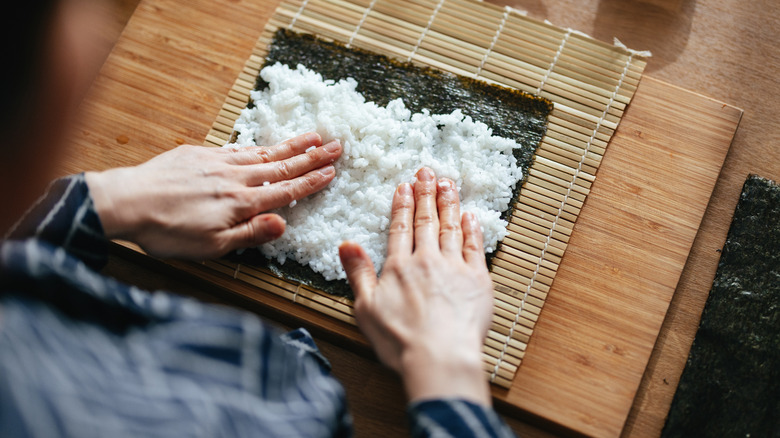
The belief that any variety of rice can substitute for proper shari is one of the most persistent misconceptions about sushi. It’s a reasonable mistake to make in your own sushi preparations, but a big red flag if experienced at a sushi restaurant.
Professional sushi chefs train extensively on rice preparation alone. In the judgment of most traditional sushi chefs, rice is the defining element of sushi itself. It is a foundational skill that’s as important, if not more so, than knife technique. This is because sushi rice isn’t just a neutral base. Properly seasoned and textured rice can turn a ho-hum roll into something worth singing over. “Different rices have unique preparation methods to get them to come out perfect,” chef Joel Hammond informs.
Sushi rice requires specific short-grain varieties. Anything with elevated amylopectin starch will do. This trait produces the sticky and slightly chewy texture that holds nigiri or maki together. Long-grain varieties, such as basmati or jasmine, have higher proportions of amylose starch, which causes grains to cook separately and remain fluffy. (The exact opposite of what sushi needs.)
“Our rice is short-grain from Hokkaido, and sourced down to the farm and harvest window,” says Nick Bognar. “Technique is adjusted based on whether the rice is new or old crop, soaking it for 10–17 minutes, draining fully, and cooking it in Soji Rushi pressure induction rice cookers.”
4. The primary purpose of wasabi is to add flavor
Sungmoon Han/Getty Images
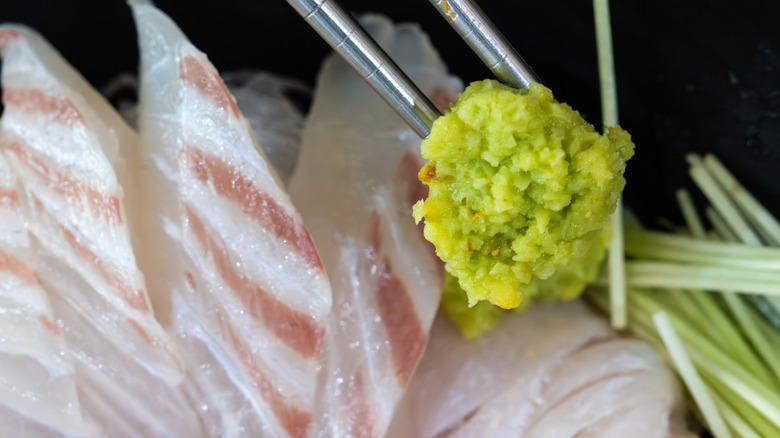
Wasabi is pungent and powerful, sharp and sinus-clearing. Wasabi creates one of the most recognizable sensations in Japanese cuisine, its attributes make it hard to imagine that it ever served a purpose beyond flavoring your sushi. And, yet, it did. Wasabi’s original purpose was actually food safety, not flavoring.
“Back when sushi chefs did not have access to refrigeration, they thought wasabi may have been used as a way to prevent people from getting sick and [to] stop bacterial growth in the food,” says chef Joel Hammond.
Wasabi contains an antimicrobial compound called allyl isothiocyanate, which eliminates a few types of bacteria in food. It can also function as an anti-parasitic of sorts. When sushi was first developing as a cuisine, this function shaped how and where it was applied. Rather than dissolving it into a dipping or soy sauce, sushi makers would put in amounts of wasabi directly between the fish and rice. It’s thought that the use of wasabi spread during the Edo period, which is when modern sushi as we know it emerged. Original versions of wasabi sourced from the Wasabia japonica plant had less pungency than their horseradish kin, meaning that even if sushi chefs and diners enjoyed the flavor, it was a lot less punchy than what we use today.
5. Sushi fish should never have a bloodline
Richard Baker/Getty Images
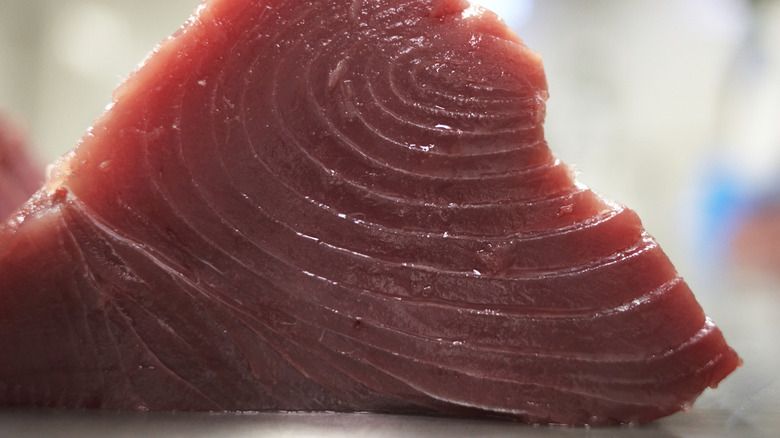
Chances are that if you saw a fish with the bloodline left in, you would think your sushi chef missed an important step. And, while we have mentioned caveats to freshness, “The bloodline can be a good indicator of how fresh the fish really is,” says chef Joel Hammond. “Sometimes the bloodline of the fish is best to be left on!”
Bloodlines start off as a great factor for determining the quality of your seafood. For certain fish, like hamachi or tuna, oxidation of the bloodline (its changing color from red to brown) indicates how new or old a fish is. Beyond this, consuming the bloodline often varies from culture to culture.
It is a common sushi myth that all bloodlines are inedible, or that any amount of blood left in the fish is bad. They may look unappealing, but with proper preparation, bloodlines can be marinated and grilled to become delicious in their own right. Removing and discarding the bloodline from, say, a tuna fish, actually means literal wasting of a vital piece of nutrient-rich food. Alternatively, some sushi chefs may leave the bloodlines in if they are looking for bolder, fuller flavors that contrast the subtlety of modern sushi styles. Many premier cuts of tuna, from otoro to akami, are butchered from close to the bloodline. Of course, too much blood can and will lead to spoilage of seafood and metallic, tinny tastes, so it’s a careful line to walk.
6. Omakase should only contain fish or sushi
artist11/Shutterstock
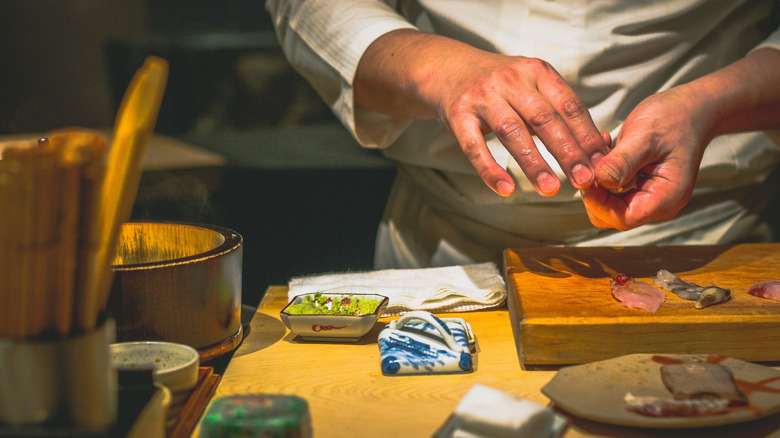
As Western palates have grown more accustomed to sushi, the availability and ubiquety of omakase has exploded. Because of this, we conflate omakase with sushi. The two are inextricably linked, of course, but as chef Joel Hammond reminds us, “Omakases can contain all sorts of different courses and is more so defining the service style.”
The prevalence of sushi counters and hard-to-score reservations at 16-seat restaurants have contributed to the myth that omakase means you’ll be getting only the best and highest end sushi selections. This assumption obscures a much broader tradition. Omakase is all about the chef’s choice. Omakase menus can cover tempura, yakitori, grilled wagyu, or a light tofu dish. In the case of chef Nick Bognar’s Pavilion restaurant, fish might be the star of the show, but it’s presented with blooming Thai flavors that might seem opposed to the simple flavors of well-crafted sushi. Some of the Michelin Guide’s top omakase experiences introduce guests to French-Japanese crossovers, where canard duck pie sits on menus alongside Hokkaido uni.
Rather than focusing solely on sushi, a good omakase hones in on the traditions of the service, as Hammond says. Ingredients that are new, exciting, and fresh, are what should be prioritized. In general terms, the meal should build from courses of light and cleansing dishes into something heartier at the crescendo. If fish and seafood are what you want during omakase, look specifically for a restaurants offering sushi kaiseki.
Dining and Cooking