
Reviewed by Dietitian Karen Ansel, M.S., RDN
Credit: Photos: Brie Goldman and Abbey Littlejohn. EatingWell design.
Key Points
The Mediterranean diet is filled with foods that may help reduce IBD-related inflammation.
Top choices include grapes, leafy greens, extra-virgin olive oil, fatty fish and walnuts.
Cooking, peeling and blending can make these foods easier to tolerate when you’re flaring.
As many as 3.1 million people in the U.S. are living with inflammatory bowel disease (IBD), such as Crohn’s disease and ulcerative colitis. IBD is often mistaken for irritable bowel syndrome (IBS) because the symptoms are similar. However, IBD is distinguished by high levels of intestinal inflammation.
While there’s no eating plan that can cure IBD, there are some plans that can play a major role in quelling inflammation and improving IBD-related symptoms—like the Mediterranean diet. Research reveals that the Mediterranean diet’s abundant variety of anti-inflammatory foods can help keep IBD symptoms at bay and promote longer remission.
Some foods that are foundational to this plan may be especially beneficial. Whether you’re living with IBD or caring for a loved one who is, here are the top five Mediterranean diet foods dietitians recommend eating to ease IBD symptoms.
1. Red & Purple Grapes
“Red and purple grapes are rich in resveratrol and anthocyanins—polyphenols with well-documented antioxidant and anti-inflammatory properties,” shares Yi Min Teo, M.S., RD, CNSC, a dietitian specializing in IBD and digestive disorders. For instance, one lab study found that grape polyphenols help decrease inflammation in intestinal cells. Grapes have also been shown to reduce blood levels of a marker of inflammation called C-reactive protein.
That said, their fibrous skins and seeds can be irritating if you’re experiencing a flare. During flares, opt for seedless grapes and remove the skins, says Teo. Alternatively, you can sip 100% grape juice, she says. When you’re feeling well, add a side of red or purple grapes to your lunchtime sandwich instead of chips. Or, doctor up your chicken or tuna salad with some fresh-sliced grapes for a boost of color and flavor.
2. Leafy Greens
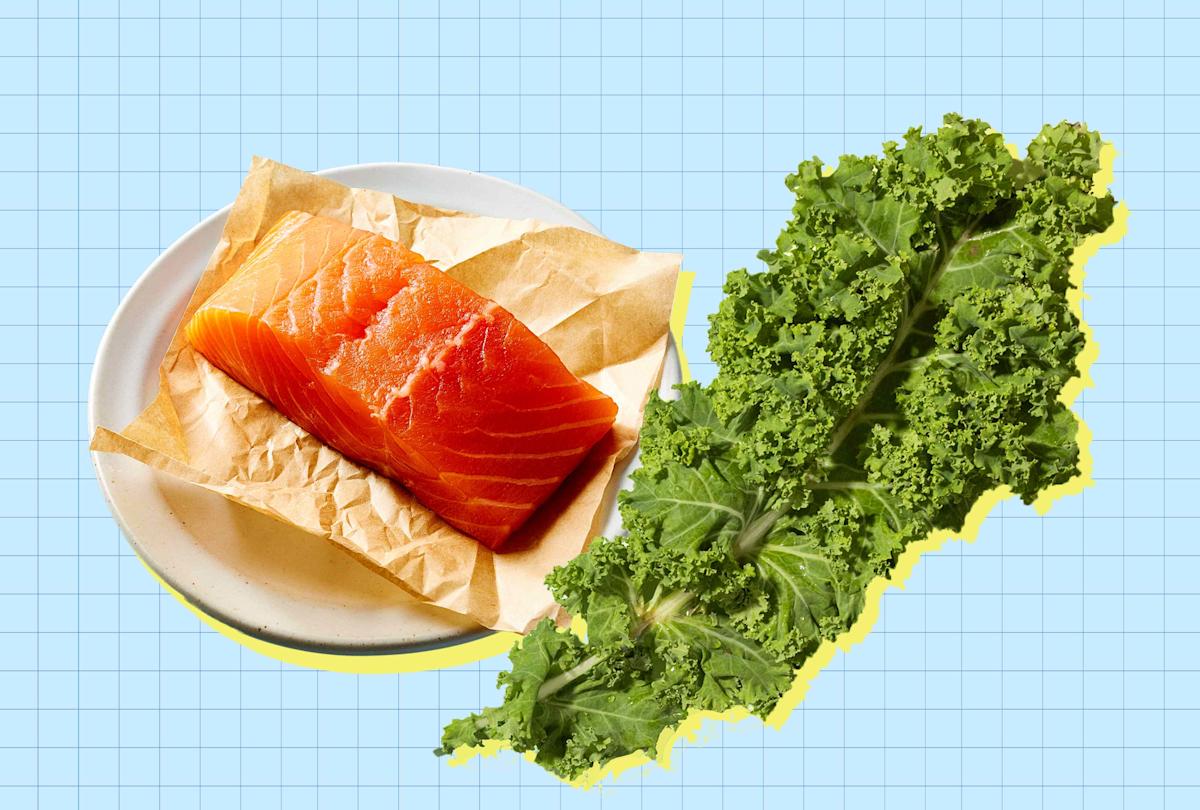
Leafy greens like spinach, kale, arugula and chard are nutrient-packed Mediterranean diet staples that may also keep inflammation at bay. “Leafy greens are excellent sources of folate, vitamin K, magnesium and vitamin C—nutrients that people with IBD are frequently at risk of being deficient in,” Teo shares.
The vitamins, minerals, antioxidants and other phytochemicals in these greens work synergistically to inhibit inflammatory pathways and protect intestinal cells from damage.
But their benefits for IBD don’t stop there. Leafy greens also contain prebiotic fibers, which feed and enhance the growth of your healthy gut bacteria, explains Meghan Rittmaster, M.S., RDN, LD, a dietitian specializing in digestive health. This process generates beneficial compounds, called short-chain fatty acids, that nourish the gut lining and reduce inflammation.
Teo and Rittmaster note that during active flares, leafy greens are generally better tolerated when cooked or blended than when raw. Blend a handful of fresh or frozen spinach into a smoothie, or add cooked greens to omelets, stir-fries or pasta.
3. Extra-Virgin Olive Oil
There are many kinds of olive oil, and all of them are rich in heart-healthy monounsaturated fats. However, if you’re living with IBD, make extra-virgin olive oil (EVOO) your go-to. Research has shown that it offers therapeutic anti-inflammatory benefits for the gut. “It is particularly helpful in lowering inflammatory signaling pathways, and it’s an easier-to-digest fat source for the body,” shares Rittmaster. Teo adds that EVOO is also rich in oleocanthal, a unique polyphenol with anti-inflammatory actions comparable to those in nonsteroidal anti-inflammatory drugs (NSAIDs).
4. Fatty Fish
Seafood does lots of good things for your body, including helping protect against IBD. However, not all fish are created equal when it comes to IBD. “Fatty fish—including salmon, sardines and mackerel—are among the richest dietary sources of long-chain omega-3 fatty acids,” Teo says. She explains that fatty fish are particularly high in eicosapentaenoic acid (EPA) and docosahexaenoic acid (DHA), long-chain omega-3 fats known for inhibiting pro-inflammatory pathways in the body.
“These fatty acids help reduce inflammatory mediators, regulate immune response and may reduce relapse rates in some IBD patients,” Rittmaster adds. This may explain why research has found that people who regularly consume plenty of long-chain omega-3 fats from fatty fish are less likely to develop Crohn’s disease or ulcerative colitis.
“Soft, baked or poached fatty fish is typically well-tolerated and is an excellent protein option during all phases of the disease,” says Teo. Add smoked salmon to your bagel at breakfast, swap in canned tuna for chicken or turkey in sandwiches at lunch, or bake a tuna steak for dinner and serve it over sautéed leafy greens for a double dose of protection.
5. Walnuts & Walnut Butter
Walnuts are another popular Mediterranean diet staple that may help regulate and reduce IBD-related intestinal inflammation. “Walnuts stand out for their alpha-linolenic acid (ALA), a plant-based omega-3 precursor with anti-inflammatory properties,” says Teo. These flavorful nuts are also rich in protective antioxidants, including tannins, flavonoids, phenolic compounds and vitamin E. Like many of the other Mediterranean diet foods on this list, walnuts also have favorable effects on gut bacteria, Rittmaster says.
When you’re not experiencing symptoms, sprinkle chopped walnuts over oatmeal or cereal, or add them to trail mix and yogurt parfaits. During flares, smooth walnut butter may be easier to tolerate, says Teo.
Tips to Follow the Mediterranean Diet for IBD
The nice thing about the Mediterranean diet is it’s surprisingly easy to follow. These tips can get you started.
Start gradually: “Drastic dietary changes can sometimes worsen symptoms, and even contribute to fear and anxiety around food,” Teo warns. Both she and Rittmaster recommend swapping or modifying just one or two familiar menu items at a time. For example, you can replace canola oil with EVOO, or add greens to your morning eggs. “Introduce fiber slowly and increase your water intake while doing so,” Rittmaster adds.
Keep it balanced: Both dietitians we spoke with emphasize the importance of keeping meals nutritionally balanced and including foods from every food group. “Think protein, cooked veggies, a whole grain and a healthy fat,” says Rittmaster.
Customize it: It’s important to listen to your body and choose foods you tolerate best. “A Mediterranean diet doesn’t have to mean raw salads and whole grains–especially during a flare,” Teo says. During flares, lean into soft, cooked and lower-fiber Mediterranean diet foods that are gentler on the gut and easier to digest.
Plan ahead: Don’t wing it! Try planning at least one or two meals in advance each day. This can help reduce overwhelm and decision fatigue, and minimize your chances of making choices your gut may regret a few hours later.
Our Expert Take
The Mediterranean diet can be an excellent plan for people with IBD. Its wide variety of antioxidant-rich, anti-inflammatory foods can go a long way in keeping inflammation at bay, which can soothe your gut. Of course, there are lots of foods to choose from. Dietitians say that red and purple grapes, leafy greens, extra-virgin olive oil, fatty fish and walnuts are five of the best Mediterranean diet foods to optimize your gut health, support a healthier immune system and reduce your likelihood of flares.
The best way to prepare them will depend on how you’re feeling and your individual tolerance. When you’re feeling well, these may be easy to digest, cooked or raw. But when you’re flaring, lean into cooked and blended variations to give your gut a rest. Of course, every case of IBD is different. For the very best results, work closely with your gastroenterologist and registered dietitian, who can help you develop a customized plan tailored to your unique needs.
Read the original article on EatingWell
Dining and Cooking