

A cardiologist has shared which foods to ditch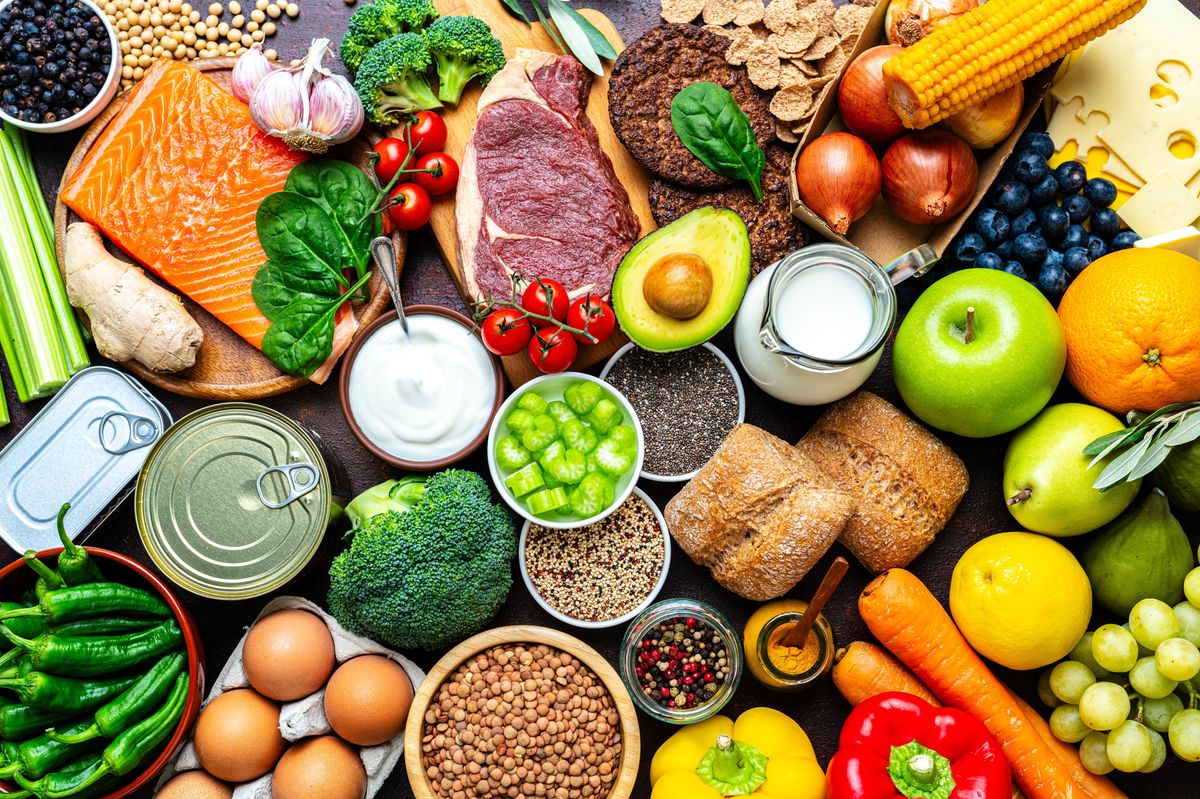
A Mediterranean style diet can help(Image: fcafotodigital via Getty Images)
In the UK, more than 7.6 million people are currently living with a heart or circulatory disease – and around 100,000 hospital admissions occur each year as a result of heart attacks. Heart health is a major concern, but thankfully there are straightforward lifestyle adjustments you can make to lower your risk of developing disease.
Dr Darius Farzad, a cardiologist at Jefferson Health, described diet as a “huge piece of the puzzle” when it comes to cardiovascular health. He explained: “From a dietary perspective we’ve adopted talking to patients about the Mediterranean lifestyle. So really avoiding things like fried foods, a lot of sweets, soda, processed foods, a ton of empty carbohydrates, things like pasta, rice.
He suggested incorporating more foods like fruits and vegetables, nuts, olive oil and lean meats into your diet, and using less butter and red meat. Dr Farzad added that exercise is also a key component of a heart-healthy lifestyle, explaining: “
He recommended adding more foods such as fruits and vegetables, nuts, olive oil and lean meats to your diet, while cutting back on butter and red meat. Dr Farzad also stressed that exercise is a vital element of a heart-healthy lifestyle, stating: “I tell people to get at least five days a week where you’re getting 30 to 60 minutes of exercise where you’re getting your heart rate up.”
British Heart Foundation senior dietitian Tracy Parker said: “Whether you are at risk or not, a healthy lifestyle which includes a balanced diet like the Mediterranean-style diet can help you to lower your risk of developing heart and circulatory diseases.” She noted that the risk factors linked to cardiovascular disease, including type 2 diabetes, obesity, high blood pressure, and high cholesterol, are also reduced by following a Mediterranean diet.
Parker added: “It’s easy to do. Make sure you are eating plenty of fruit and vegetables, beans, lentils, wholegrains, fish, nuts and seeds, along with some low-fat dairy and fat from unsaturated sources like olive oil. It’s also important to eat less processed meat, salt and sweet treats.”
Heart UK, the cholesterol charity, pointed out that while the Mediterranean diet isn’t low-fat, a significantly smaller proportion of its fat content comes from saturated sources. It is equally a valuable source of omega-3 fatty acids and is packed with potassium, fibre, and antioxidants.
The charity recommended cutting back on foods such as lard, white bread, cornflakes, sweet biscuits and cakes, chocolate, crisps, pastry, sausages, high-fat cheese and milk, and takeaways. In their place, it encouraged consuming more wholegrains, olive oil, porridge, unsalted nuts, lentils and beans, lean meat, and reduced-fat dairy.
Dr Farzad also drew attention to the damaging effects of smoking on heart health, stressing that the “most important, biggest thing” a person can do for their health is to quit smoking.
According to the BHF, the toxic chemicals found in cigarettes cause the artery walls to become sticky, allowing fatty deposits to build up and block them. This significantly raises the risk of a heart attack or stroke – while smoking can also heighten the likelihood of blood clots, elevate heart rate and blood pressure, and restrict the amount of oxygen that reaches the rest of the body.
Dining and Cooking