

The 2000s were one of anime’s best and most experimental eras. Studios took big creative swings on atmospheric sci-fi, psychologically dense fantasy and genre hybrids that probably wouldn’t survive today’s crowd-pleasing streaming landscape. While some series from the decade became pillars of anime culture, others faded from conversation despite being years ahead of their time.
Some predicted modern storytelling trends long before they became popular, while others feel one-of-a-kind in an era dominated by cookie-cutter digital animation. Through ambitious worldbuilding, unforgettable soundtracks and deep philosophical themes, these series prove that great anime doesn’t have an expiration date.
Ergo Proxy is a Technogothic Masterpiece
A darker Ghost in the Shell, Ergo Proxy felt impenetrable to many viewers when it first aired in 2006, but time has been kind to its bleak cyberpunk style. A blend of philosophical sci-fi with psychological horror, the series follows investigator Re-l Mayer as she uncovers the truth behind mysterious humanoid beings called Proxies in a decaying domed city. Its dense symbolism and slow pacing made it a polarizing watch, but modern audiences raised on cerebral sci-fi are far better equipped to appreciate what this anime was trying to do.
What makes Ergo Proxy age so well is its commitment to atmosphere. Its haunting industrial landscapes and existential loneliness feel almost prophetically modern nearly two decades later. The anime also arrived before cyberpunk experienced a major resurgence in pop culture, making its exploration of artificial intelligence and societal decay feel deeply relevant today. Ergo Proxy is nothing if not ambitious, the kind of bleak, Black Mirror sci-fi storytelling modern audiences crave.
Moribito: Guardian of the Spirit Trades Spectacle for Depth

Balsa from Seirei no MoribitoImage via Production I.G
Moribito: Guardian of the Spirit never hit the mainstream big time like other fantasy anime from the 2000s, but its reputation as one of the decade’s hidden gems has only grown over time. The story follows a wandering warrior named Balsa tasked with protecting a young prince believed to possess a mysterious water spirit within him. Rather than relying on nonstop battles and power creep like trope-heavy anime, the series is more focused on character development and emotional storytelling.
Morbito’s animation is stunning, still top-notch by modern standards thanks to detailed worldbuilding and beautifully choreographed action. Meanwhile, Balsa remains one of anime’s most underrated protagonists, a thoughtful adult woman in a genre dominated by brash teens fueled by ambition. In an era where fantasy anime valued spectacle, Moribito stands out because of how raw, intimate and thoroughly human it feels.
Darker Than Black Combines Urban Fantasy with Espionage and Neo-noir
Darker than Black is one of the coolest sci-fi anime of the 2000s, but it’s faded from the mainstream despite aging like Pinot Noir. Set in a world where supernaturally powerful Contractors secretly operate as assassins and mercenaries, the series follows the masked operative Hei through a morally grey morass of conspiracies and mercenary conflicts. Part espionage thriller, part urban fantasy action and part neo-noir, Darker than Black had a completely different shade than anything else airing at the time.
Like Kiritsugu Emiya of the Fate series, Hei also remains one of anime’s greatest antiheroes. He’s cold and efficient on the surface, but deeply conflicted underneath. The anime’s power system is also one of the genre’s most fascinating. Contractor abilities don’t come free, they’re ritualized powers that take an immense psychological and physical toll on the user. Like alchemy in Fullmetal Alchemist, using these powers comes at a cost, and sometimes that cost is simply too high.
Samurai Champloo is an All-Time Great, Overshadowed by its Predecessor
Samurai Champloo is the foil to Cowboy Bebop. Bebop follows bounty hunters through a jazz-soaked sci-fi future, while Champloo chronicles rogue warriors through a lo-fi hip-hop past. Charmingly anachronistic, the series follows two rival warriors and their wayward companion through a world of rapping samurai, gunslinger pirates and reckless kids who graffiti Edo-period castles. With bloody, breakdance-influenced sword fights captured in an animation style that’s equal parts beautiful and brutal, Samurai Champloo combined high action with hilarity, heart and human tragedy.
Brought to life by visionary director Shinichirō Watanabe and soundtracked by lo-fi hip-hop godfather Nujabes, the series should crown top ten anime lists everywhere, but it was ultimately overshadowed by Cowboy Bebop’s titanic legacy. While Samurai Champloo is by no means a forgotten anime, it’s an underrated cult classic that deserves more recognition. Even decades later, Samurai Champloo still feels fresher and more creatively fearless than many modern titles.
Now and Then, Here and There is a Prestige Isekai about Perpetual War
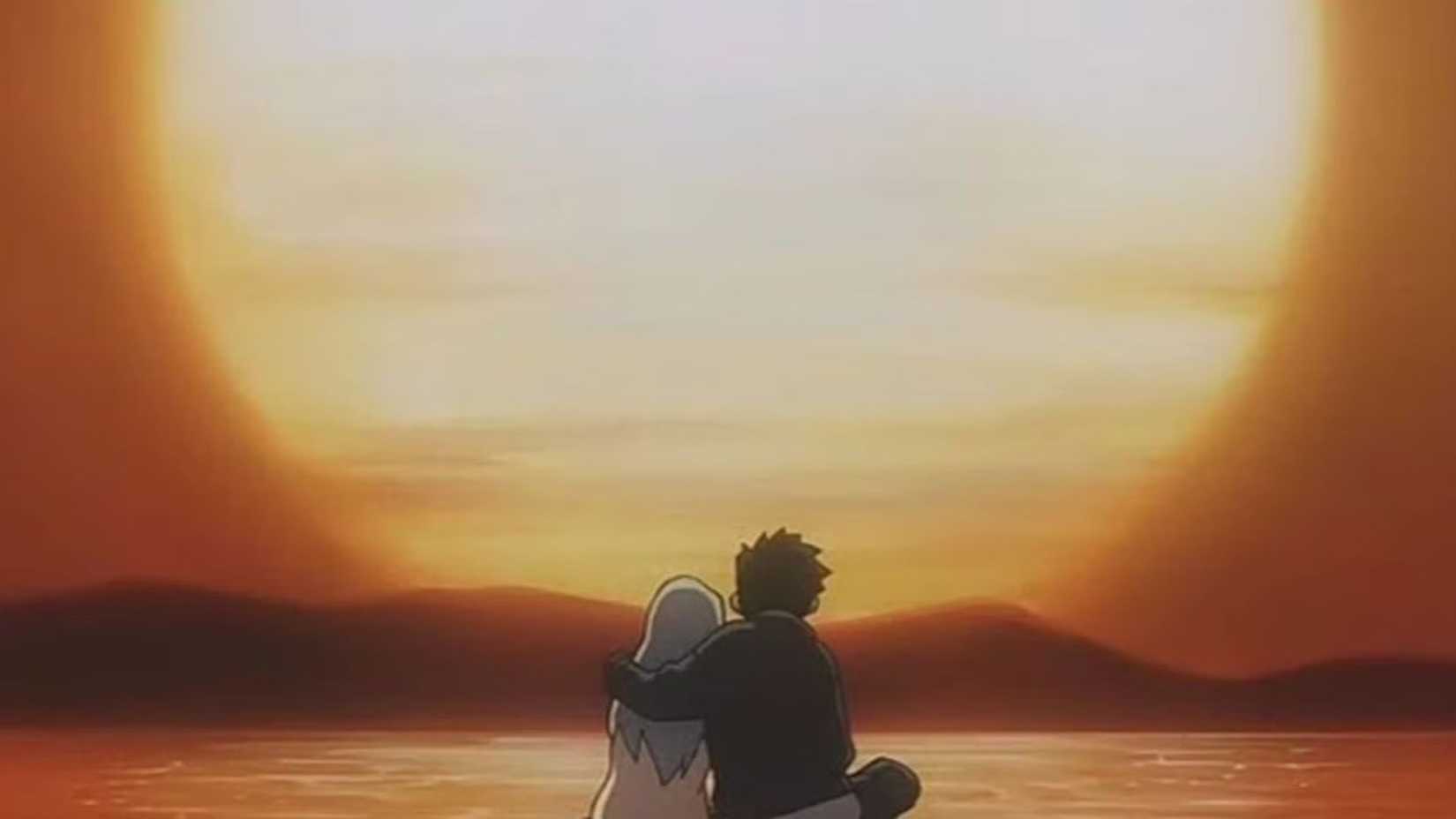
Shu and Lala-Ru enjoy the sunset in Now and Then, Here and There.Image via Studio AIC
Now and Then, Here and There is easily one of the bleakest and most emotionally devastating anime of the 2000s. The series follows an ordinary boy named Shu who is suddenly transported to a dying world consumed by authoritarian violence and starvation after trying to help a mysterious girl named Lala-Ru. It begins like a traditional isekai adventure, but soon transforms into a harrowing story about child soldiers and the loss of innocence.
The series ages powerfully because it is utterly uncompromising. Long before darker deconstructions of fantasy and isekai became commonplace in anime, Now and Then, Here and There used its fantastical setting to confront the brutal realities of war and human cruelty. And while the animation may be modest compared to flashier series from the era, the emotional weight behind the story still lingers long after it ends. As armed conflict shows no sign of slowing across the modern world, the anime’s themes feel all too relevant.
Texhnolyze Transcends Traditional Sci-fi with Bitter Bleakness
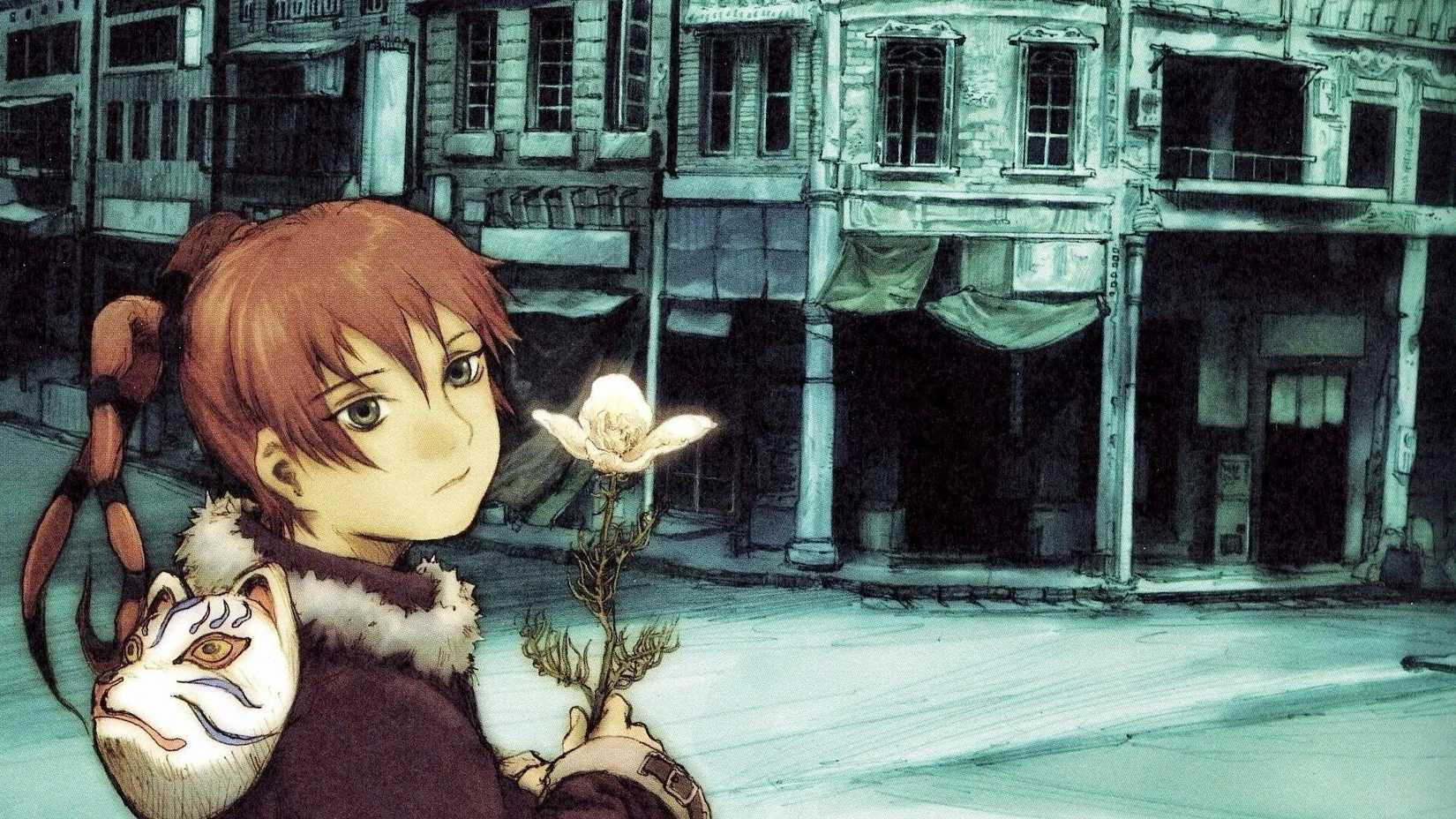
A young girl holds a flower on a desolate street in “Texhnolyze”Image via Madhouse
Texhnolyze is one of the most psychologically devastating sci-fi anime ever made, even more so than its contemporary Neon Genesis Evangelion, which is probably why it never became truly mainstream. Set in the dystopian underground city of Lux, the series follows a maimed fighter named Ichise as society slowly collapses into violence and nihilism, spurred on by technological advancement. Dialogue is intentionally sparse, forcing viewers to absorb the world through an unsettling atmosphere of silence rather than exposition.
Texhnolyze is a bleak portrait of the near future, trading optimism for a suffocating cyberpunk nightmare that still feels unlike any other title in the medium. While it shares themes of technological dependence, societal collapse and humanity’s self-destructive instincts with shows like Cyberpunk: Edgerunners, it refuses to provide hope or emotional catharsis for its characters. Texhnolyze revels in dread and inevitable decay, giving it a haunting power that has only grown stronger and scarier with time.
Gankutsuou: The Count of Monte Cristo Boldly Reimagines a Literary Classic

The Count of Monte Cristo in Gankutsuou: The Count of Monte CristoImage via Gonzo
Alongside its better known contemporary Mononoke, Gankutsuou: The Count of Monte Cristo is one of the most visually daring anime ever produced. The series transforms Alexandre Dumas’ classic revenge story into a lush space opera fueled by betrayal and aristocratic corruption. In a narrative departure from the original work, the anime revolves around Albert de Morcerf, a young nobleman who becomes fascinated by the mysterious Count of Monte Cristo, unaware that the Count is secretly orchestrating elaborate revenge against the people who destroyed his life years earlier. Even for fans of the original novel, the anime’s futuristic setting and psychological drama make the centuries-old story feel fresh.
Like the novel that inspired it, Gankutsuou ages beautifully due to the power of its narrative. The story revolves around elements that will always feel relevant — vengeance, class, obsession and the longing for lost love. Even in a surrealist and far-future world, the emotional engine of the story is fundamentally human. Aided by its breathtaking animation, Gankutsuou still feels bold, dramatic and completely one-of-a-kind decades later.
🎌
⭐
Guess the anime from the emojis.
Easy (120s)
Medium (90s)
Hard (60s)
Start
Guess the Anime
Guess the anime from the emojis.
Results
0 POINTS
—
Back
Check Answers
Play Again
🎌
Guess the
Anime
⭐
Guess the anime from the emojis.
Easy (120s)Medium (90s)Hard (60s)Start
Guess the Anime
Guess the anime from the emojis.
Results
0 POINTS
—
BackCheck AnswersPlay Again
Dining and Cooking