

 3 min read
Key Points
 Soaking beans isn’t essential, but it can shorten cook time, improve texture, and make beans easier to digest.Larger beans like chickpeas and kidney beans benefit most from soaking, while smaller legumes often cook just fine without it.Forgot to soak? You can still cook beans successfully on the stovetop or in a pressure cooker with a little extra time.
It happens more than we may like to admit. The recipe called for soaking dried beans overnight—or at least a few hours—before cooking, but you totally forgot. You can’t time travel back to when the beans needed to be immersed, nor do you have the correct canned beans to substitute into the recipe. What’s the best practice here? And is soaking your beans before cooking really all that important for flavor, texture, or anything else?
“While it’s not necessary to soak beans before cooking, it can be very helpful,” says Sarena Shasteen, Culinary Content Specialist at Bob’s Red Mill. “Soaking dried beans reduces overall cook time and promotes more even cooking. Soaked beans rehydrate more gradually, and the result is a creamier interior with fewer split skins.”
Shasteen recommends soaking dried beans for at least 12 hours before you start cooking them to help activate enzymes that convert the beans’ complex sugars into starches, which are then easier to digest once eaten.
“Soaking pre-hydrates dried beans, requiring less water during cooking, and resulting in a more even final texture,” adds Vince Hayward, fourth generation bean proprietor at Camellia Beans.
Related Story
Science Photo Library
Size matters
Not all beans are equivalent, and different varieties are more prone to needing a good bath before cooking.
“Larger and denser beans like kidney beans, chickpeas, and cannellini beans benefit the most from soaking because they take longer to cook and have thicker skins, so soaking helps them cook more evenly,” says Shasteen.
“Smaller beans and legumes such as lentils, split peas, and black-eyed peas generally do not require soaking because they cook relatively quickly.”
How to soak beans the right way
Drbouz//Getty Images
Beans, whether they’re being soaked or cooked directly from the packaging, require a good rinse. Put your desired quantity of beans in a bowl and fill it with water, picking out any debris that may be on the surface, then strain the beans.
There’s not just one method to properly soak beans. Shasteen recommends the traditional overnight method because it typically yields the most even results.
To soak beans overnightplace the beans in a large bowlcover them with 2 to 3 inches of room-temperature waterleave them to soak at room temperature overnight (8 to 12 hours)drain and rinse
VladK213//Getty Images
If you’re short on time, Shasteen suggests a quick-soak methodadd the beans to a potcover with water, and bring to a boil for 2 to 3 minutesremove from the heat and cover with the lidlet the beans sit for 1 hourdrain and rinse the beans
Once your beans have soaked, you’ll want to start cooking.
“Beans are best cooked shortly after soaking, ideally within 12 hours,” says Shasteen. “Once soaked, they should be drained and either cooked right away or refrigerated in fresh water.”
Change of plans? No huge deal. “If soaked beans are stored in the refrigerator, they’re generally fine for up to 24 hours,” Shasteen adds. “After that, they may begin to ferment or develop off flavors.”
How to cook beans without soaking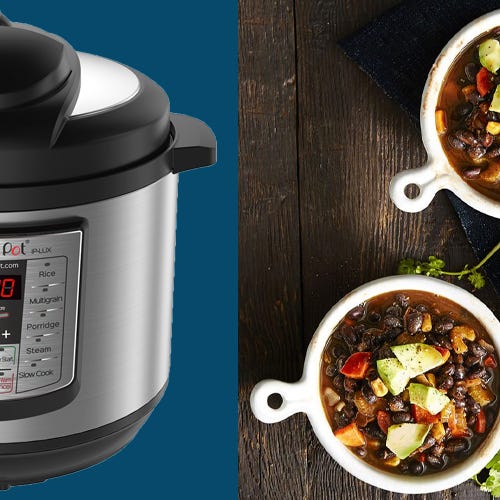
Instant Pot/Mike Garten
Yes, you can skip the soak. Cooking beans that haven’t been soaked isn’t a huge deal, though you may notice a slight difference in texture. The cooking process itself just takes a bit more attention and time.
Give them plenty of water. Beans should be cooked in at least three inches of water above the beans. Bring the beans and water to a boil, then reduce to a simmer for up to an hour, depending on the size and age of the beans.
Hold the salt until the end. “Make sure to skim off any residual foam after the first 30 minutes and avoid adding salt or acids until beans are tender, as these ingredients can slow softening,” says Shasteen.
A pressure cooker can speed things up. A pressure cooker can be a great way to efficiently cook beans that haven’t been soaked.
“If you intended to soak your beans but forgot, don’t worry,” says Hayward. “A pressure cooker or Instant Pot will still get you to tender beans without any soaking.”
No pressure cooker? The stovetop still works. “You can absolutely cook unsoaked beans on the stovetop—just plan for a longer cooking time,” Hayward adds. “In New Orleans, we always find time to entertain, so this way allows you the freedom to have that glass of wine and visit with family!”
Try a pinch of baking soda. Some cooks like to add a pinch of baking soda to the cooking water for unsoaked beans to increase the pH level. This lowered acidity can help soften the beans’ outer skins, as if they’d been soaked, and make them easier to digest.
Dining and Cooking