
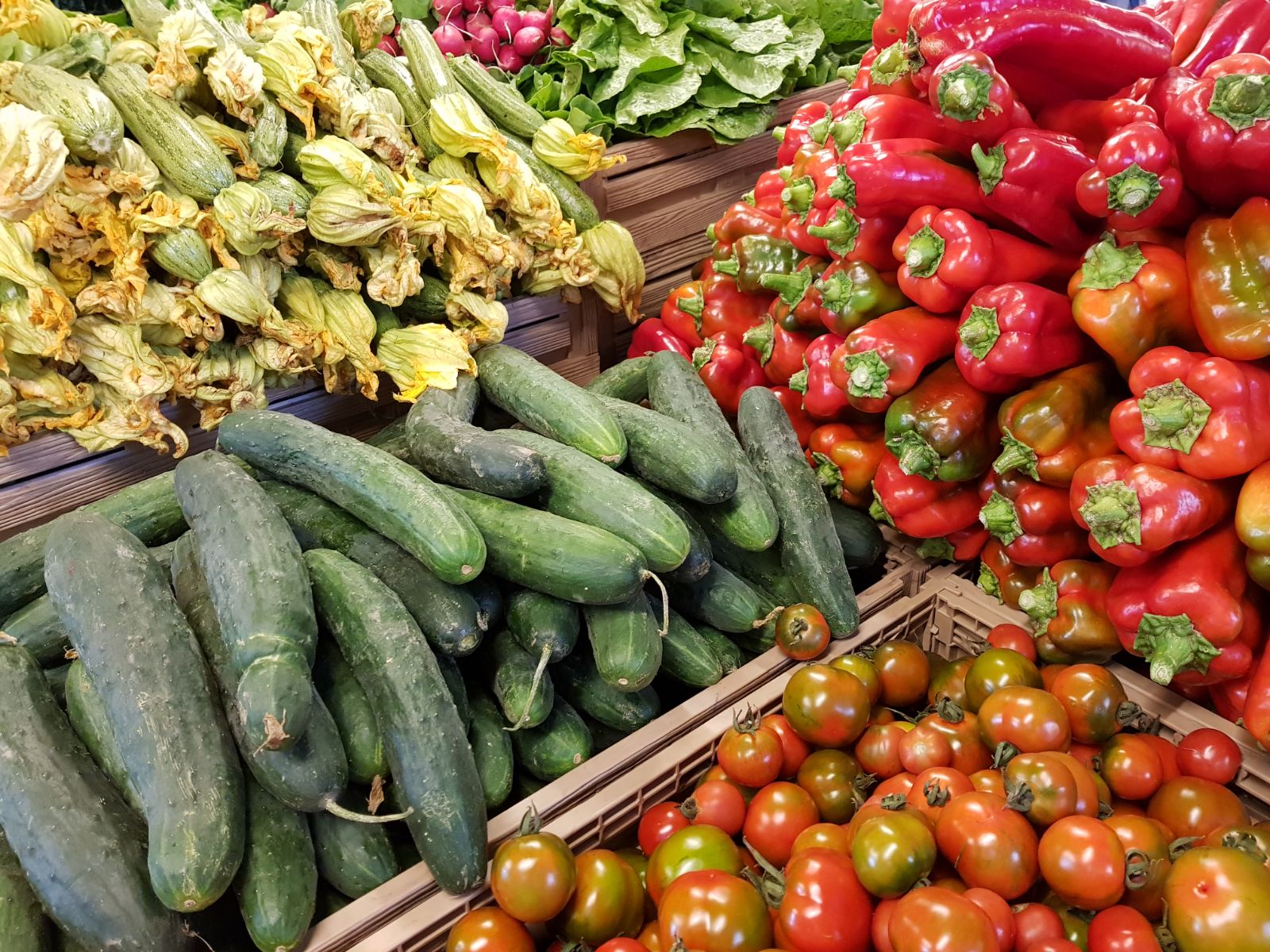
The Italian-ness basket, products with brands and flags that recall their national origin, remains at the top of the shopping cart, representing nearly 30 percent of agri-food products on shelves, driven by citizens’ attention to 100% Italian food. This is according to an analysis by Coldiretti based on data from the Osservatorio Immagino GS1 Italy, released at the inauguration of Tuttofood, where national president Ettore Prandini was present. The Italian flag, the words “made in Italy,” and the 100% Italian origin label effectively represent the primary appeal compared to other claims currently found in large-scale retail trade. It’s no coincidence that, according to the latest Censis/Coldiretti report, 91 percent of Italian consumers demand transparency about what they put on their table every day, because only mandatory origin labeling on all food products allows for informed choices regarding economics, health, and quality. The vast majority of Italians prefer foods with a clear identity tied to their local area to anonymous food, always demanding to know the products’ provenance.
Origin labeling is a historic battle for Coldiretti, which has also been brought to Europe with 1 million signatures collected to make it mandatory on all foods sold in the EU. The demonstration at the Brenner Pass with 10,000 farmers was the latest step. In Italy, origin labeling currently covers approximately four-fifths of spending, but remains absent from several products, from canned legumes to fruit in jams and juices, from the wheat used for bread, biscuits, and breadsticks to meat and fish served in restaurants. A European requirement would fill this gap, along with the need to renegotiate the final processing rule established by the current Customs Code, which currently deprives farmers of at least €20 billion, according to Coldiretti’s analysis. “Italian agriculture is the heart of a broader agri-food supply chain that surpassed a record value of €707 billion in 2025,” President Prandini stated, “and employs 4 million people. This is the country’s heritage that must be strengthened through tools such as supply chain contracts, which represent a concrete response to ensuring fairness along the entire value chain, providing stability to agricultural businesses and building a more balanced relationship with the processing industry,” he added.
“We want to work with those who truly believe in the Italian supply chain, as we already do today with many industries and large-scale retail chains that recognize the true value of the product. Fair supply chains also require controls to ensure compliance with the law against unfair practices, to combat speculation and unfair competition. This is also necessary in light of the challenging international situation with rising energy and fertilizer prices, from agricultural diesel to urea, which are weighing on farmers’ incomes,” he continues. According to an analysis by the Centro Studi Divulga, the effects of the war in Iran are resulting in additional costs of up to €200 per hectare for crops, while the first two months of conflict cost farmers up to €3600. This situation must be addressed with immediate measures at the European level to combat the crisis. To date, the European Union appears distant and lagging in responding to the real needs of farmers, who are committed to producing safe, high-quality food for the entire European population.
Read also other news on Nova News
Click here and receive updates on WhatsApp
Follow us on the social channels of Nova News on Twitter, LinkedIn, Instagram, Telegram
Dining and Cooking