
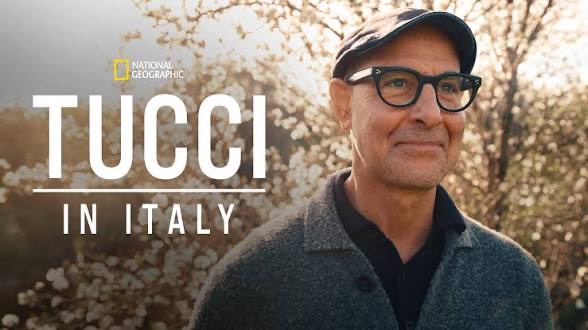
Stanley Tucci in Italy: Discovering the Real Campania Beyond the Pizza Myth
Stanley Tucci’s return with the second season of Tucci in Italy on Disney+ marks a significant shift in how food television explores regional identity. The episode dedicated to Campania is a standout, functioning more like a living archive than a traditional travel show. Tucci moves past the typical tourist tropes, ignoring the easy shortcuts of generic pizza tours to focus on the grit, history, and social pressures that define the region’s flavors.
In this season, the food is the lens, but the real subject is the relationship between a land and its people. Campania is presented as a territory shaped by migration, labor, and a fierce local pride. From the historic streets of Naples to the quiet lemon groves of Procida, this guide breaks down the key protagonists and locations that make Tucci’s journey through Campania a masterclass in culinary storytelling.
Mimì alla Ferrovia: Where Neapolitan History Meets the Plate
The journey starts in the heart of Naples at Mimì alla Ferrovia. Founded in 1943, this restaurant sits near the central train station and has served as a cultural crossroads for decades. For Tucci, this isn’t just a place to eat; it is a repository of Neapolitan resilience.

The Giugliano family, who has run the establishment for generations, showcases how “cucina popolare” (people’s food) was born from necessity. The menu highlights dishes that transformed scarcity into abundance.
Pasta e Patate: A prime example of how starch and scraps were used to create a creamy, filling masterpiece.
Stuffed Peppers: Utilizing seasonal vegetables and breadcrumbs to stretch small amounts of ingredients into a hearty meal.
At Mimì, the food tells the story of a city that has faced wars and economic shifts but never lost its spirit of hospitality. It sets the tone for the entire episode: in Campania, the recipe is a response to life’s challenges.
Mustilli Winery: Saving the Soul of Falanghina del Sannio
Tucci travels to the medieval village of Sant’Agata de’ Goti to meet the Mustilli family. This stop is essential for understanding the wine heritage of the region. In the 1970s, Leonardo Mustilli made the bold choice to bottle Falanghina as a single-varietal wine, a move that saved the grape from extinction.

Before this, Falanghina was often ignored or blended away. The Mustilli family recognized that the volcanic soil of the Sannio region provided a unique mineral profile that deserved its own spotlight. Walking through their deep tuff stone cellars, Tucci explores how the preservation of this ancient Roman grape is an act of cultural defiance. Today, Falanghina is a staple of Italian white wines, and its success is a direct result of the Mustilli family’s dedication to their roots.
La Fiammante and the Ethics of the Italian Tomato
No exploration of Campania is complete without the tomato, but Tucci goes deeper than the sauce. He visits La Fiammante, a company that represents the intersection of quality and social justice.
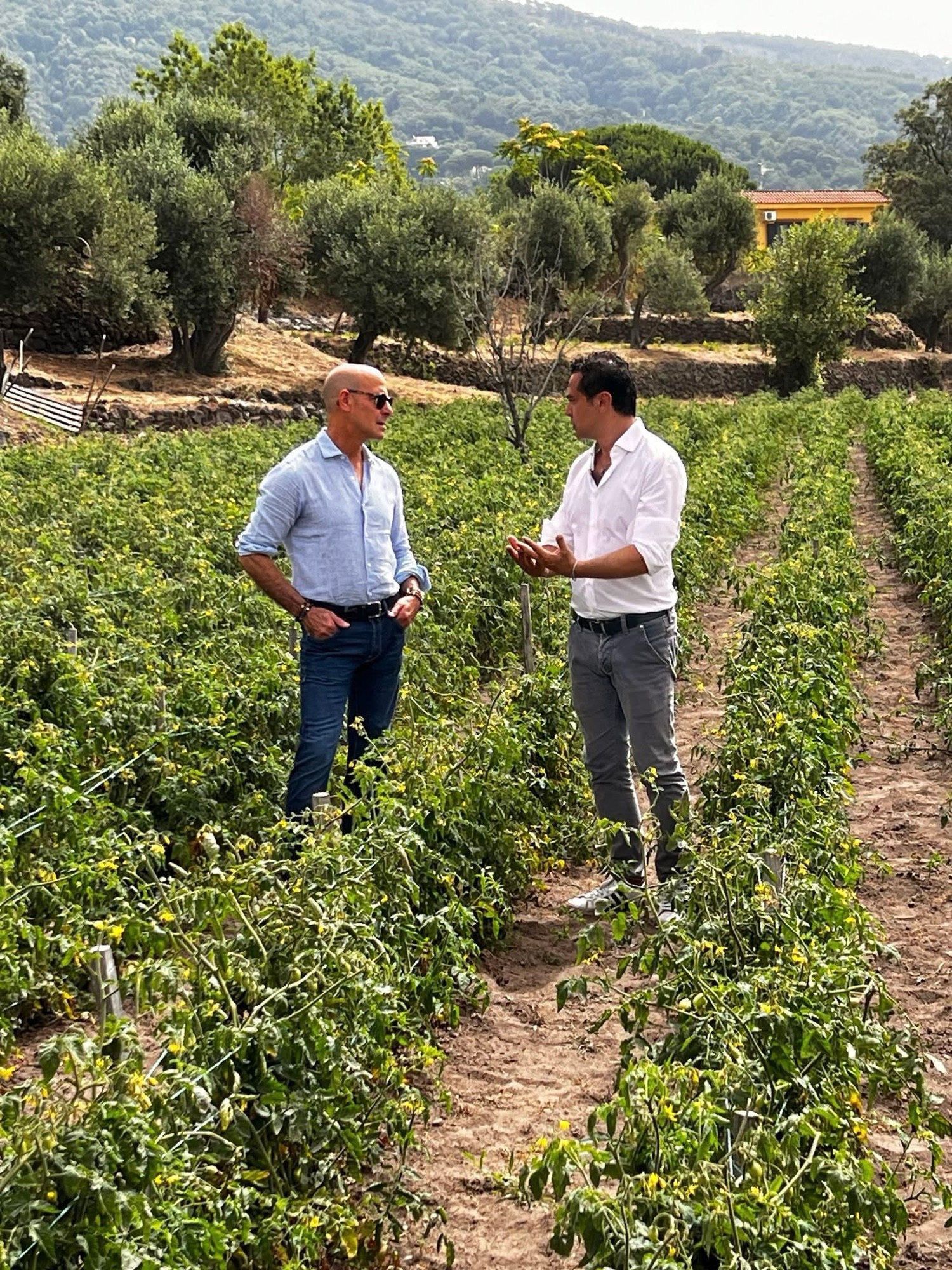
The story here is the social supply chain. La Fiammante works directly with farmers in the Sarnese-Nocerino area, ensuring fair pay and transparent labor practices. In a region sometimes plagued by the “caporalato” system (unregulated agricultural labor), La Fiammante stands as a beacon of ethics.
Traceability: Every jar can be traced back to the specific field where the tomatoes grew.
Volcanic Terroir: The mineral-rich soil near Vesuvius gives these tomatoes a natural sweetness that requires no additives.
By highlighting this brand, Tucci shows that the taste of a Neapolitan ragù is inseparable from the dignity of the people who harvested the ingredients.
Peppe Guida: The Master of Gragnano Pasta Innovation

In the hills of Gragnano, the world capital of dried pasta, Tucci meets Michelin-starred chef Peppe Guida. Guida’s philosophy is built on the idea that high-quality pasta is a noble ingredient that needs very little to shine.
The Science of Simplicity in Gragnano
Gragnano’s pasta is famous because of the unique microclimate—the sea breeze and mountain air create a natural drying room. Peppe Guida takes this tradition and applies a modern, zero-waste approach. He often cooks pasta “risottata” (finishing the cooking in a pan with a little sauce) to preserve the starch and create a natural creaminess. His use of simple elements like lemon water, herb stalks, and the water from mozzarella proves that the best cooking comes from understanding the raw material, not complicating it.
Procida: The Unique Flavor of the Lemon Island
The episode takes a breath on the island of Procida, which served as the Italian Capital of Culture in 2022. Here, the focus is on the Limone Pane (Bread Lemon). These aren’t your typical acidic lemons; they have a thick, sweet, edible white pith.
Tucci explores how the islanders use every part of the fruit. In Procida, lemons are sliced into salads with garlic, mint, and chili, or used to make the local “Lingua di Procida” pastry. The isolation of the island helped preserve this specific variety, showing how geography dictates the local diet. The Procidan lemon is a symbol of an island that remains authentic and rugged, far removed from the glitz of its neighbors.
Buffalo Mozzarella and the Transformation of the Land
The final pillar of the Campania episode is the Mozzarella di Bufala Campana. Tucci enters the dairies to witness the physical work of the “mozzatori,” the artisans who “cut” the cheese by hand.
This segment explains how buffalo farming transformed the once-swampy plains of Caserta and Salerno into a global economic engine. The mozzarella is more than a product; it is a symbol of land reclamation and industrial pride. The relationship between the buffalo, the land, and the final cheese is a delicate balance that defines the agricultural identity of the southern plains.
Why Tucci’s Campania Matters
The Campania episode of Tucci in Italy Season 2 is a success because it treats the viewer with respect. It assumes you want to know more than just where to find a good meal; it assumes you want to know why that meal exists. From the ethical fields of La Fiammante to the historic cellars of Mustilli and the innovative kitchen of Peppe Guida, the show illustrates that food is the ultimate social fabric.
Campania is a laboratory of human creativity born out of necessity. Stanley Tucci’s journey reminds us that every bite is a connection to a specific territory and a long line of people who fought to keep their traditions alive.
Ready to Explore the Flavors of Southern Italy?
If you want to experience the authentic taste of the regions featured in the show, we offer curated resources to help you find the best producers and hidden gems.
Download our Guide to the best wineries in the Sannio region.
Shop Ethical: Find out where to buy La Fiammante tomatoes near you.
Plan Your Trip: Get a custom itinerary for a culinary tour of Naples and Procida.
[Sign up for our newsletter to receive weekly Italian food and travel insights directly in your inbox!]
Stanley Tucci, Tucci in Italy, Campania food, Mimì alla Ferrovia, Peppe Guida, Mustilli Falanghina, La Fiammante tomatoes, Procida lemons, Buffalo Mozzarella, Disney+ food shows
Related
Dining and Cooking