
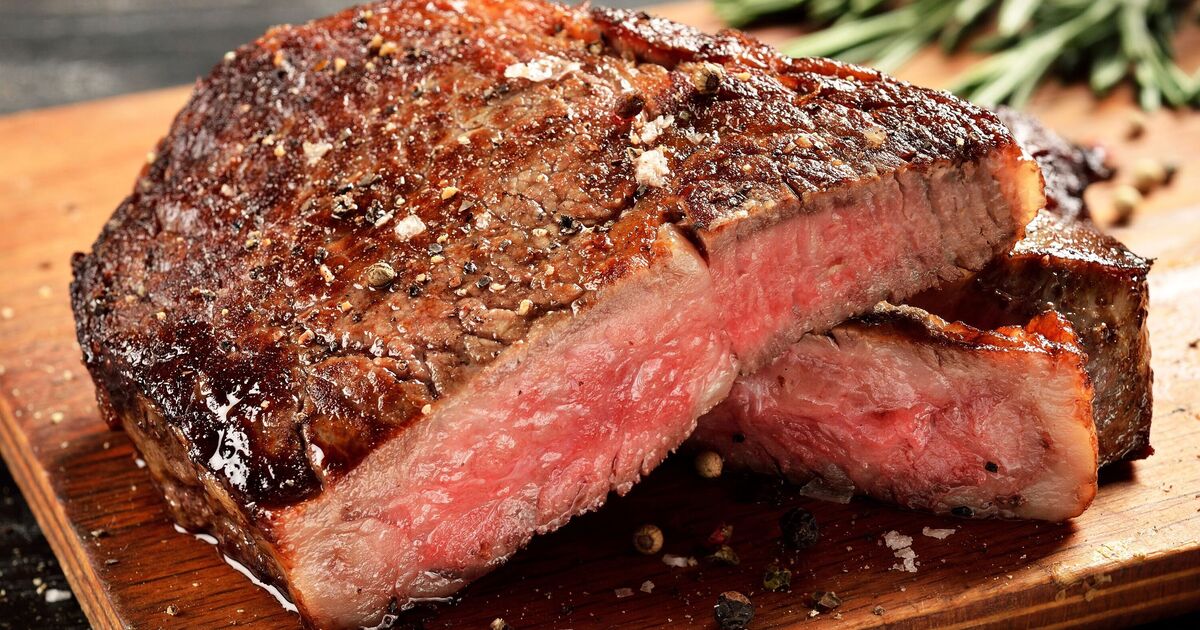

There’s one extra step every home cook should be doing before cooking a steak (Image: Getty)
Cooking steak feels like a treat, but it can be incredibly difficult to master. According to food experts, there’s a very common mistake almost every home cook makes that is affecting the quality of the finished product.
Food expert and content creator Frank Tui recently shared some incredibly important advice he received with Simply Recipes. This simple step will completely change the way you cook steak going forward. Frank uses advice he received from a master butcher.
READ MORE: Rice tastes so much better when you add one simple ingredient to pan
READ MORE: I asked 4 chef for the best pie filling — they chose certain filling over beef
Ed Campbell, a butcher at Kings Food Market in New Jersey, shared his endless experience handling, cutting and cooking meat. One of the major mistakes home cooks make when cooking steak is cooking it when the meat is far too cold.
It turns out, the answer to a perfectly cooked steak is incredibly simple. Ed explained: “Let the steak sit on the counter for about 10 to 15 minutes before cooking.”
By letting the steak rest before cooking, it will take the chill away, allowing it to be cooked more evenly when it hits the pan. Frank explained that this extra step works particularly well with thicker cuts of meat.
Depending on how thick the steak depends on the amount of resting time the meat will need. In essence, a thinner cut will lose its chill quicker than a cut like a ribeye.

Allow the steak to lose its chill for around 10 minutes (Image: Getty)
You don’t need to wait until the whole steak has come to room temperature, just enough time for the meat to not be as cold. Frank explained: “There’s science behind this. When a steak goes straight from the fridge to a hot pan, the exterior heats up much faster than the center. That steep temperature difference creates the dreaded gray band just beneath the crust as the interior struggles to catch up and remains raw.”
However, it’s not just about the temperature of the steak that you need to take into account when perfecting the cook. Frank recommended keeping the surface of the steak dry when cooking.
After seasoning the steak, put the steak on a plate lined with some kitchen roll. Seasoning the meat with salt will draw out the moisture.
Just before cooking, pat the steak dry some more with kitchen roll to ensure enough moisture has been absorbed. Frank said that this small step makes a “noticeable difference” to the final result.
He continued: “A dry surface allows the steak to sear properly, creating that deeply browned crust that delivers most of the flavor. If the surface is wet, the pan’s heat must evaporate that moisture first, creating steam and resulting in a dull, gray exterior instead of a golden-brown crust.
“Blotting the steak dry also makes cooking safer. When water hits hot oil, it can cause the oil to splatter aggressively. Removing excess moisture helps reduce that splattering, making the cooking process more controlled. It’s a lesson I learned firsthand after a few too many oil splatters at the stove!”
When you’re next cooking steak, simply take it out of the fridge, season and place on a kitchen roll-lined plate. You can leave it to its own devices while you prepare the rest of your meal.
Dining and Cooking